Deviated Septum: Causes, Symptoms, and Treatment Options
Understanding deviated septum: comprehensive guide to symptoms, diagnosis, and effective treatment strategies.
Understanding Deviated Septum
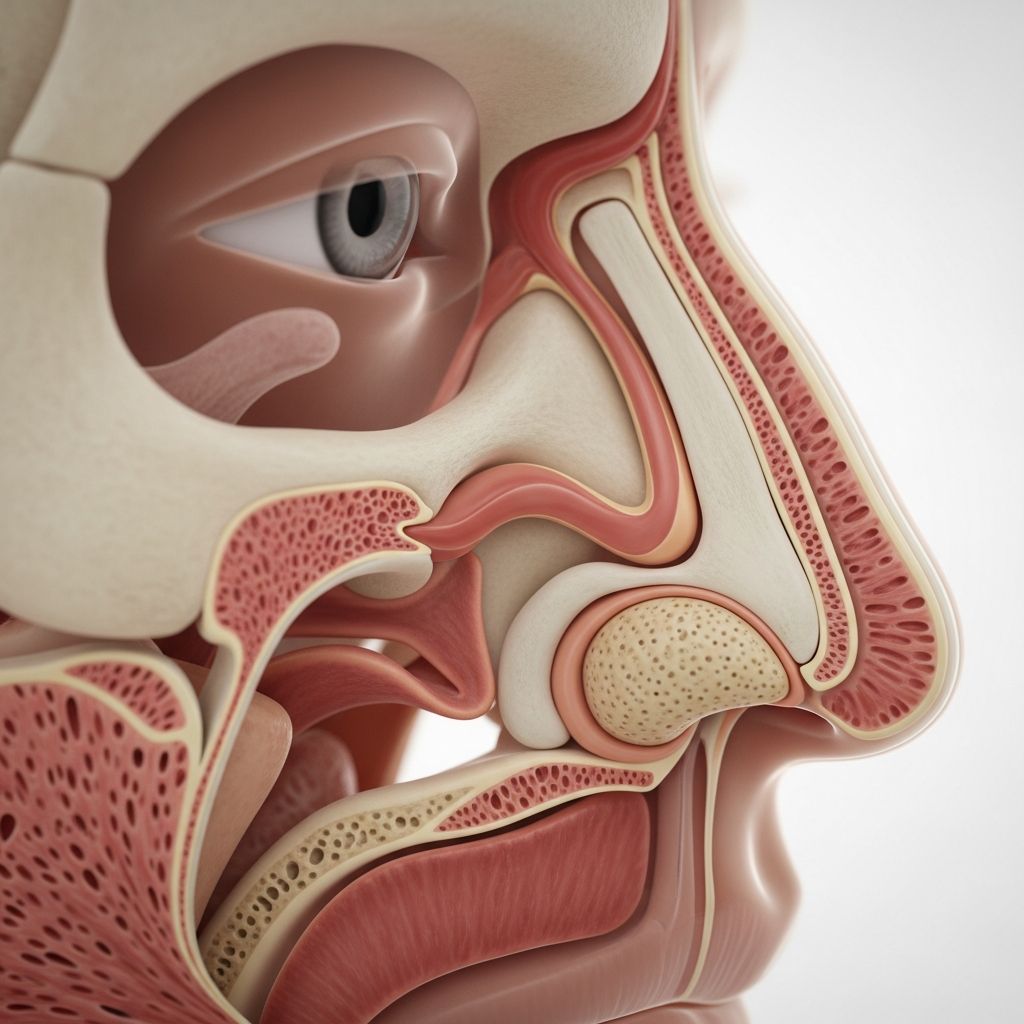
A deviated septum occurs when the thin wall between your nasal passages, called the nasal septum, is displaced or off to one side. This anatomical condition makes one side of the inside of the nose smaller than the other, potentially reducing airflow and causing various uncomfortable symptoms. The nasal septum is composed of cartilage and bone, and when it becomes misaligned, it can significantly impact your breathing, sleep quality, and overall nasal health.
The prevalence of deviated septum is quite common among the population. Most people have some degree of deviation, though many experience no symptoms whatsoever. Only when the deviation becomes severe or causes disruption to normal function does treatment become necessary. Understanding this condition is essential for determining whether you need medical intervention or can manage symptoms through conservative approaches.
Causes of Deviated Septum
Deviated septum can develop from two primary sources: congenital factors present at birth or acquired through injury and trauma during life.
Congenital Causes
Many individuals are born with a deviated septum as a natural anatomical variation. During fetal development, the nasal structures form, and in some cases, the septum naturally develops in a crooked or off-center position. This type of deviation is simply a result of genetic variation and how the facial and nasal structures developed during childhood and adolescence. Some people may have small bone spurs develop along the septum during natural growth changes, which can narrow the nasal passages even further.
Acquired Causes
Trauma and injury represent one of the most common causes of significant septal deviation. A fall, sports injury, or car accident can push the septum out of place. In many cases, individuals don’t immediately realize an injury occurred, and symptoms may not appear until years later when breathing difficulties or frequent sinus infections begin to develop. Even seemingly minor nasal injuries can result in subtle changes that accumulate over time.
Symptoms of Deviated Septum
The symptoms of a deviated septum vary widely depending on the severity of the deviation and how much the crooked septum blocks airflow. Many people with mild deviations experience no symptoms at all.
Primary Symptoms
The most common symptom reported by patients is difficulty breathing through the nose. Blockage can occur in one or both nostrils and may feel worse during colds or allergies when nasal passages swell and narrow further. This obstruction can make it challenging to breathe, particularly during physical exertion or sleep.
Nosebleeds are another frequent symptom. When the septum is deviated, the surface can become abnormally dry due to altered airflow patterns. This drying effect increases the risk of nosebleeds, which can range from occasional to recurrent and difficult to control.
Secondary Symptoms
Beyond primary nasal symptoms, people with deviated septum may experience:
Related Stories



- Chronic nasal congestion affecting daily activities
- Reduced sense of smell and taste
- Frequent sinus infections and chronic sinusitis
- Post-nasal drip
- Facial pain and headaches
- Noisy or disturbed sleep patterns
- Snoring and obstructive sleep apnea
Deviated septum can compromise sinus drainage, particularly on the deviated side, leading to chronic inflammation and recurrent infections. This drainage impairment may contribute to persistent sinusitis, characterized by long-term sinus inflammation and infection.
Diagnosis of Deviated Septum
If you suspect you have a deviated septum, the first step is consulting your primary care physician. After an initial examination, your doctor may refer you to an ear, nose, and throat specialist, also known as an otorhinolaryngologist or ENT specialist.
Diagnostic Procedures
An ENT specialist may perform several specialized tests to evaluate your condition:
Nasal Endoscopy: This is a common diagnostic tool where the doctor anesthetizes your nose with nasal spray and then uses a small telescope to examine your nasal cavity under magnification. This allows for direct visualization of the septum’s position and degree of deviation.
Physical Examination: Your doctor will perform a thorough physical examination of your nasal passages and ask about your symptoms and medical history. They may use a nasal speculum to look inside your nose.
Imaging Studies: In some cases, CT scans or other imaging may be ordered to get a detailed view of the nasal anatomy and determine the extent of deviation.
It’s important to note that there is no reliable at-home self-test for deviated septum. Professional medical evaluation is necessary for accurate diagnosis.
Treatment Options
Treatment approach depends on whether your deviated septum is causing symptoms. A minor deviation that produces no symptoms typically requires no treatment. However, moderate to severe deviations causing breathing problems or troublesome symptoms may require intervention.
Non-Surgical Management
For mild to moderate symptoms, several non-surgical options can provide relief:
Decongestants: These medications help reduce nasal swelling and congestion, making breathing easier. They work by constricting blood vessels in the nasal passages.
Antihistamines: If allergies are making symptoms worse, antihistamines can reduce allergic reactions that contribute to nasal swelling and congestion.
Nasal Steroid Sprays: Corticosteroid nasal sprays are effective at reducing inflammation and swelling in the nasal passages. Many are available over-the-counter and can provide significant symptom relief.
Nasal Rinses: Using saline nasal rinses can help keep airways clear and reduce congestion naturally.
It’s important to understand that while these medications can improve comfort and manage symptoms temporarily, they cannot realign the septum itself. If symptoms persist despite medication, your doctor may recommend surgical intervention.
Surgical Treatment: Septoplasty
For patients whose symptoms don’t respond adequately to medication, surgery is the only permanent solution to correct a deviated septum. The most common surgical procedure is called septoplasty, also known as septal reconstruction.
What is Septoplasty: Septoplasty is a surgical procedure designed to straighten the nasal septum and reposition it in the center of the nose. This procedure restores normal airflow and improves nasal function.
Surgical Technique: During a typical septoplasty, surgeons straighten the nasal septum through the nostrils with no external incisions, meaning no visible scars. The procedure may require the surgeon to cut and remove parts of the septum before carefully repositioning them in the correct place. The surgery is usually performed under general anesthesia as an outpatient procedure.
Additional Procedures: Sometimes septoplasty is performed at the same time as other nasal surgeries. These may include rhinoplasty to reshape the bone and cartilage of the nose, sinus surgery to relieve sinus problems, or nasal valve surgery if nasal valve collapse is also present.
Recovery: Recovery for septoplasty is typically quick. Most patients return to normal activities within a week. However, complete healing may take several weeks, and patients should follow their surgeon’s post-operative instructions carefully.
Benefits of Septoplasty: Successful septoplasty can provide numerous benefits including improved breathing, fewer sinus infections, better sleep quality, reduced snoring, and improved obstructive sleep apnea symptoms. Patients often report a significantly higher quality of life following the procedure.
When Surgery is Recommended
Your ENT specialist will recommend surgery if you meet certain criteria. You should consider septoplasty if you have a deviated septum causing breathing problems or troublesome symptoms that haven’t adequately responded to conservative treatment. Patients with symptomatic sleep apnea may find that septoplasty helps their breathing at night, particularly if the deviated septum is contributing to airway obstruction.
A comprehensive evaluation by your ENT specialist will determine whether surgery is appropriate for your specific situation. The decision to proceed with surgery should be made after thoroughly discussing your symptoms, treatment options, and expected outcomes.
Potential Complications
While nasal surgery is generally safe, like any surgical procedure, septoplasty carries some potential risks. These may include bleeding, infection, and numbness around the nose or front teeth. Most complications are minor and resolve with proper post-operative care. Discussing potential risks and benefits with your surgeon before the procedure is essential.
Frequently Asked Questions
Q: Can a deviated septum go away on its own?
A: No, a deviated septum cannot correct itself without surgical intervention. The anatomical deviation remains permanent unless treated surgically through septoplasty. However, managing symptoms with medications may be sufficient if the deviation is mild and not significantly impacting your quality of life.
Q: Is septoplasty covered by insurance?
A: Many insurance plans do cover septoplasty when it’s deemed medically necessary to treat breathing problems or related health conditions. Coverage varies by insurance plan, so it’s important to check with your provider. Cosmetic improvements may not be covered.
Q: Can you have a deviated septum without symptoms?
A: Yes, many people have a deviated septum and experience no symptoms whatsoever. A minor deviation that doesn’t block airflow or cause other problems typically requires no treatment and may never cause issues throughout your life.
Q: How long does septoplasty surgery take?
A: The duration of septoplasty typically ranges from 30 minutes to two hours, depending on the complexity of the deviation and whether additional procedures are being performed simultaneously.
Q: What should I expect after septoplasty surgery?
A: After septoplasty, you may experience some nasal congestion, drainage, and minor discomfort for the first few days. Most patients can return to light activities within a week and resume full activities within 2-3 weeks. Your surgeon will provide specific post-operative care instructions.
Q: Can a deviated septum cause hearing problems?
A: While a deviated septum primarily affects nasal breathing, severe cases that impact sinus drainage can occasionally affect the Eustachian tubes, potentially contributing to ear problems. However, direct hearing loss is not typically caused by a deviated septum alone.
References
- Deviated Septum – Diagnosis & Treatment — Mayo Clinic. 2024. https://www.mayoclinic.org/diseases-conditions/deviated-septum/diagnosis-treatment/drc-20351716
- Deviated Septum: Symptoms, Treatments and Causes — Healthdirect. 2024. https://www.healthdirect.gov.au/deviated-septum
- Deviated Septum – Symptoms & Causes — Mayo Clinic. 2024. https://www.mayoclinic.org/diseases-conditions/deviated-septum/symptoms-causes/syc-20351710
- Deviated Septum Signs & Symptoms — Rush. 2024. https://www.rush.edu/conditions/deviated-septum
- Deviated Septum – Ear, Nose, and Throat Disorders — Merck Manuals. 2024. https://www.merckmanuals.com/home/ear-nose-and-throat-disorders/nose-and-sinus-disorders/deviated-septum
- Deviated Septum Care — Keck Medicine of USC. 2024. https://www.keckmedicine.org/conditions/deviated-septum/
Similar Articles








Read full bio of Sneha Tete