Deviated Septum: Symptoms, Causes & Treatment
Understand deviated septum: symptoms, causes, and effective treatment options including surgery.
Understanding Deviated Septum
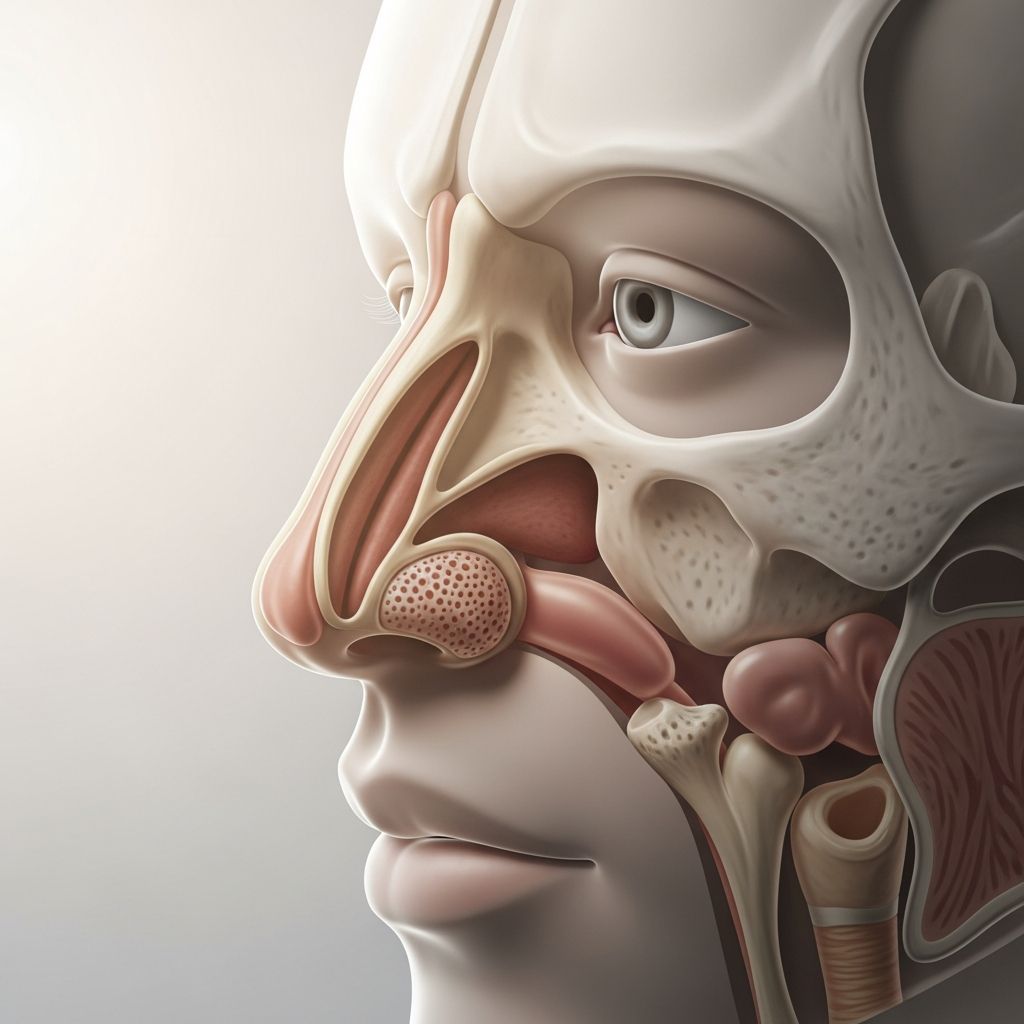
A deviated septum occurs when the nasal septum—the thin wall of cartilage and bone that separates your left and right nasal passages—is off-center or crooked. In a normal nose, this septum is positioned directly in the middle, creating two equal-sized nasal cavities. When deviated, one side of the nasal passage becomes smaller than the other, potentially causing various symptoms and breathing difficulties.
Many people live with a deviated septum without experiencing any noticeable symptoms. However, for those who do experience problems, the condition can significantly impact quality of life, causing breathing difficulties, chronic congestion, and other complications. Understanding this condition is essential for determining whether treatment is necessary and what options may be available.
Causes of Deviated Septum
A deviated septum can develop through two primary mechanisms: developmental issues present from birth or acquired through injury. Understanding the cause of your deviated septum can help inform treatment decisions and expectations for recovery.
Congenital Deviation
Some people are born with a deviated septum as a naturally occurring anatomical variation. This congenital deviation develops during fetal development in the womb and is present at birth. In some cases, an injury to the nose may occur during the birth process itself, potentially causing or worsening a septal deviation in infants.
Acquired Deviation from Injury
In other cases, a deviated septum develops as a result of trauma or injury to the nose. This can occur through various mechanisms including contact sports injuries, accidents during rough play such as wrestling, automobile accidents, or other forms of facial trauma. Children and adults are both susceptible to nose injuries that can shift the nasal septum out of its normal position. Even seemingly minor injuries can sometimes result in lasting septal deviation.
Symptoms of Deviated Septum
The severity and presence of symptoms vary widely among individuals with a deviated septum. Some people experience no symptoms at all, while others may suffer from multiple bothersome issues. It is important to note that not everyone with a deviated septum will experience symptoms, and symptom severity does not always correlate directly with the degree of septal deviation.
Common Symptoms Include:
- Nasal Congestion: The most frequently reported symptom, typically affecting one side of the nose more than the other
- Breathing Difficulties: Reduced airflow through one or both nostrils, making breathing harder, especially during physical activity
- Nosebleeds: Occurring due to drying of the nasal septum surface from altered airflow patterns
- Facial Pain: Discomfort or pain in the face, sometimes related to sinus pressure
- Headaches: Tension or pressure-related headaches, sometimes associated with sinus involvement
- Postnasal Drip: Excess mucus draining down the back of the throat
- Sleep-Related Issues: Snoring, noisy breathing during sleep, and in some cases, sleep apnea
- Chronic Sinusitis: Repeated sinus infections due to compromised sinus drainage
Related Stories



Symptoms may be worse during periods of illness, such as when you have a cold or allergies, because nasal swelling can further narrow already-restricted passages. Some individuals report awareness of their nasal cycle—the natural alternating congestion and clearing of each nostril—or may prefer sleeping on a specific side to reduce symptoms.
Diagnosis of Deviated Septum
If you suspect you have a deviated septum, consulting with an ear, nose, and throat (ENT) specialist is important for accurate diagnosis. There is no reliable at-home self-test for deviated septum, so professional evaluation is necessary. While some people with severe deviations might notice their septum appears off-center by looking in a mirror, most cases cannot be determined without professional examination.
Your healthcare provider will conduct a thorough evaluation that may include a review of your medical history, a physical examination of your nose, and possibly imaging studies. An ENT specialist has the expertise to assess the degree of septal deviation and determine whether it is likely responsible for your symptoms.
Deviated Septum and Sleep Apnea
Research has established a significant connection between deviated septum and sleep apnea. A deviated septum restricts nasal airflow, which can lead to mouth-breathing and snoring—both of which are associated with sleep apnea. Additionally, a deviated septum can increase the likelihood of sinus infections that may disrupt sleep quality. Studies have found that sleep apnea occurs significantly more frequently in individuals with a deviated septum compared to the general population, making this an important consideration for those experiencing sleep-related symptoms.
Treatment Options for Deviated Septum
Treatment approaches for deviated septum depend on the severity of the deviation and the degree to which symptoms impact your daily life. Most people with minor deviations experience little to no symptoms and require no treatment. However, if your deviated septum causes troublesome symptoms that affect your quality of life, several treatment options are available.
Medication Management
For mild to moderate symptoms, medications can provide significant relief without requiring surgery. These medications do not permanently correct the deviated septum but can effectively manage symptoms:
- Decongestants: Available orally or as nasal sprays, decongestants help reduce swelling of the nasal cavity to increase airflow. However, they may have side effects. Oral decongestants can increase heart rate and energy levels, while nasal spray decongestants can cause rebound congestion if used for more than three consecutive days. For this reason, they are not recommended for long-term use.
- Nasal Steroid Sprays: These medications reduce swelling and increase drainage from the nasal passages. Prescription corticosteroid nasal sprays may take one to three weeks to reach their full effect and should be used according to your doctor’s specific instructions.
- Antihistamines: If allergies contribute to congestion, antihistamines can help reduce symptoms like a runny or stuffy nose. Many antihistamines cause drowsiness and should be used with caution before driving or when taking other medications.
- Nasal Strips: Non-medicated nasal strips are available over-the-counter, attach to the outside of the nose, and gently open the nostrils to increase airflow.
- Saline Rinses: Regular use of saline rinses and nasal sprays can provide symptom relief and help manage congestion naturally.
Surgical Treatment: Septoplasty
If medications do not provide adequate symptom relief or if your symptoms significantly impact your quality of life, surgery may be an option. The only definitive way to correct a deviated septum is through a surgical procedure called septoplasty (also known as septal reconstruction or nose reshaping surgery).
What Happens During Septoplasty
Before undergoing septoplasty, your surgeon will review your complete medical history, perform a physical examination, and may take photographs of your nose from various angles to plan the procedure. During the surgery, which is typically performed under general anesthesia as an outpatient procedure lasting 30 to 90 minutes, the surgeon works through the inside of the nose. The surgeon makes a small cut in the septum and carefully removes excess bone or cartilage to even out the breathing space between the nostrils. Internal splints or soft packing material may be placed in the nose to stabilize the septum as it heals.
Recovery and Results
Most patients report mild discomfort rather than severe pain during recovery. Pain medication and proper nasal care help manage the post-surgical recovery period. While the exact recovery timeline varies, patients typically can return to normal activities relatively quickly after septoplasty. Those with symptomatic sleep apnea may find that septoplasty significantly helps their breathing at night.
When to Seek Treatment
You should consider seeking treatment for a deviated septum if you experience:
- Chronic or persistent nasal congestion affecting one or both sides
- Breathing difficulties that interfere with daily activities or exercise
- Frequent nosebleeds
- Chronic facial pain or pressure
- Recurrent sinus infections
- Sleep disturbances, snoring, or suspected sleep apnea
- Symptoms that significantly impact your quality of life
If you have any of these symptoms, schedule an appointment with your healthcare provider or an ENT specialist for proper evaluation and to discuss whether treatment is appropriate for your situation.
Frequently Asked Questions About Deviated Septum
Q: Can you have a deviated septum without knowing it?
A: Yes, many people have a deviated septum without experiencing any symptoms. In most cases, you cannot tell if you have a deviated septum just by feeling it. However, people with severe nasal deviation might be able to tell that their septum is off-center. Professional evaluation is needed for accurate diagnosis.
Q: Is deviated septum surgery necessary?
A: Surgery is not necessary for everyone with a deviated septum. Most people do not need treatment because they have little to no symptoms. Surgery is recommended only if your deviated septum causes breathing problems or other bothersome symptoms that significantly impact your quality of life.
Q: Can medications cure a deviated septum?
A: No, medications cannot permanently correct a deviated septum. While decongestants, nasal steroid sprays, antihistamines, and saline rinses can help manage symptoms, they do not fix the structural problem. Only surgery can actually correct the deviation.
Q: How long does septoplasty recovery take?
A: Most patients experience a relatively quick recovery from septoplasty. While initial healing takes several weeks, most people can return to normal activities fairly quickly. Complete healing may take several months. Your surgeon will provide specific recovery instructions for your situation.
Q: Can a deviated septum get worse over time?
A: Symptoms may become more noticeable due to aging, injuries, or chronic nasal inflammation. However, the basic structure of the deviation typically does not worsen over time unless you experience additional nasal trauma.
Q: Can a deviated septum be prevented?
A: If your deviated septum is congenital (present from birth), it cannot be prevented. However, you can reduce your risk of acquiring a deviated septum from injury by wearing protective equipment during contact sports, following safety guidelines, and being cautious during activities that could result in facial trauma.
Living with Deviated Septum
Whether you choose to pursue treatment or manage symptoms at home, there are several strategies that can help improve your quality of life. Using a humidifier to keep nasal passages moist, practicing breathing exercises, maintaining good overall health, and managing any related allergies can all help reduce symptoms. Regular follow-up appointments with your healthcare provider allow you to monitor your condition and adjust treatment as needed.
If you believe you have symptoms related to a deviated septum, the first step is to consult with your healthcare provider or an ENT specialist. They can provide an accurate diagnosis and discuss which treatment option, if any, is best suited to your individual situation. Remember that while a deviated septum can be bothersome, effective treatment options are available to help you breathe better and improve your overall quality of life.
References
- Deviated Septum: Symptoms, Causes & Treatment — Cleveland Clinic. 2024. https://my.clevelandclinic.org/health/diseases/16924-deviated-septum
- Deviated Septum: Symptoms, Causes, Treatment, and Risks — WebMD. 2024. https://www.webmd.com/allergies/deviated-septum
- Deviated Septum – Ear, Nose, and Throat Disorders — MSD Manuals. 2024. https://www.msdmanuals.com/home/ear-nose-and-throat-disorders/nose-and-sinus-disorders/deviated-septum
- Deviated Septum – Symptoms & Causes — Mayo Clinic. 2024. https://www.mayoclinic.org/diseases-conditions/deviated-septum/symptoms-causes/syc-20351710
- Deviated Septum Care — Keck Medicine of USC. 2024. https://www.keckmedicine.org/conditions/deviated-septum/
Similar Articles








Read full bio of Sneha Tete