Deviated Septum Symptoms: 10 Warning Signs You Shouldn’t Ignore
Recognize the signs of a deviated septum, from nasal congestion to sleep issues, and learn when to seek treatment for better breathing.
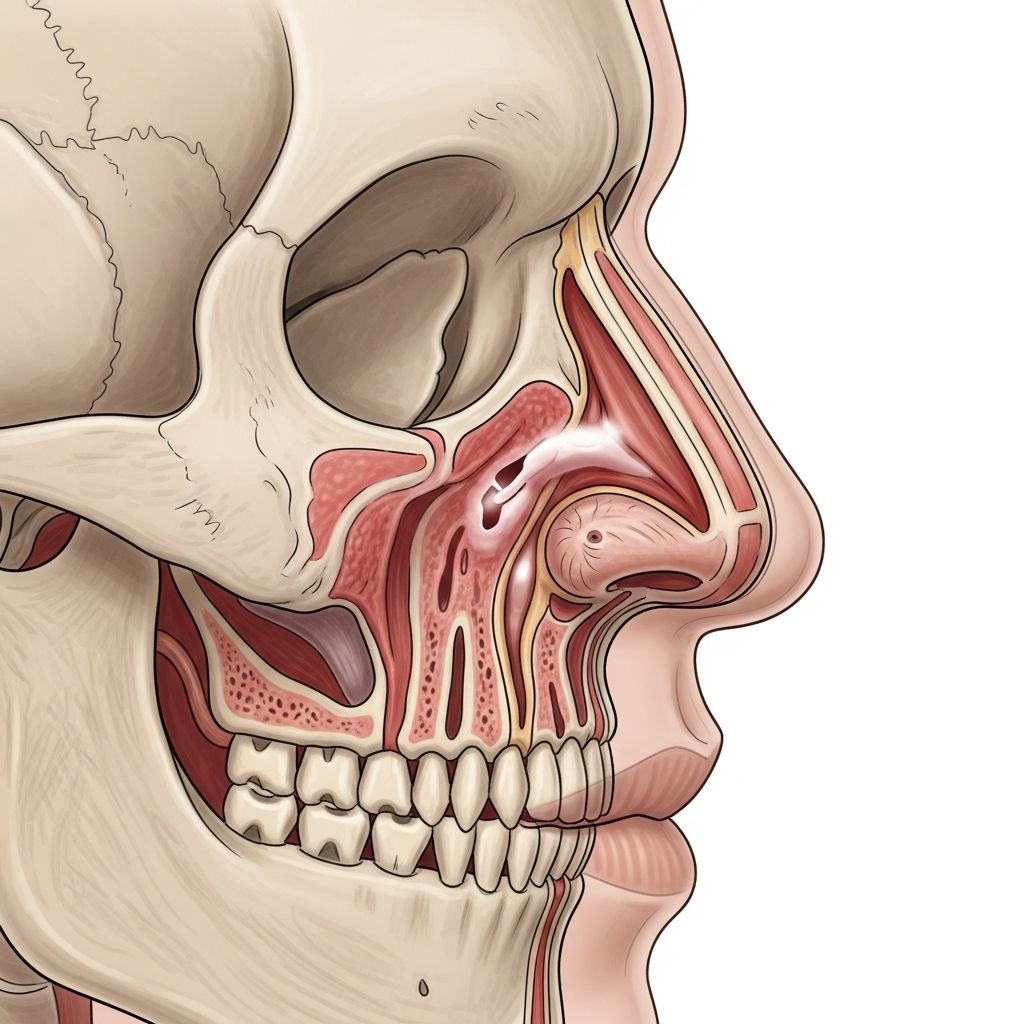
A deviated septum occurs when the thin wall (nasal septum) between your nasal passages is displaced, making one passage narrower than the other. This common condition affects up to 80% of people, often without symptoms, but severe cases can disrupt daily life.
While many live asymptomatically, a misaligned septum can lead to chronic breathing issues, infections, and discomfort. Early recognition of symptoms is key to effective management.
What Is a Deviated Septum?
The nasal septum is composed of cartilage and bone that divides the nasal cavity into two airways. In a deviated septum, this structure shifts off-center, obstructing airflow on one or both sides. Mild deviations are typical and rarely problematic, but significant shifts—often from injury or congenital factors—can impair function.
Airflow imbalance exposes nasal tissues to drying effects, increasing vulnerability to irritation, bleeding, and infection. Severity determines symptom presence; minor cases may go unnoticed lifelong.
Symptoms of a Deviated Septum
Symptoms vary by deviation degree and often worsen with allergies, colds, or inflammation that swells nasal tissues. Common signs include:
- Nasal congestion: Persistent blockage, typically worse on one side, leading to mouth breathing.
- Difficulty breathing: Noisy or labored nasal respiration, especially during sleep.
- Nosebleeds: Dryness and irritation from uneven airflow cause frequent epistaxis.
- Headaches and facial pain: Pressure around sinuses, nose, or face due to obstructed drainage.
- Snoring or sleep apnea: Reduced airflow contributes to noisy sleep and breathing pauses.
- Frequent sinus infections: Blocked passages trap mucus, fostering chronic sinusitis.
- Postnasal drip: Mucus drainage irritates throat, causing cough or sore throat.
- Reduced smell: Obstruction impairs olfactory function.
- Ear infections or pain: Eustachian tube dysfunction from nasal pressure changes.
- Dry mouth or crusting: Mouth breathing dries oral tissues.
These symptoms can mimic allergies or colds but persist beyond typical durations, signaling structural issues.
Deviated Septum vs. Normal Nasal Cycle
The nose naturally alternates congestion (nasal cycle) every few hours for moisture and airflow regulation. Deviated septum symptoms differ by being chronic, unilateral, and unresponsive to decongestants.
| Feature | Normal Nasal Cycle | Deviated Septum |
|---|---|---|
| Congestion Pattern | Alternates sides hourly | Persistent on one side |
| Duration | Temporary, cyclic | Chronic, year-round |
| Response to Treatment | Minimal needed | Decongestants provide partial relief |
| Associated Symptoms | None | Nosebleeds, infections, snoring |
How a Deviated Septum Is Diagnosed
Diagnosis starts with a medical history and physical exam. Doctors assess breathing, inspect nostrils, and palpate the septum. For confirmation:
- Nasal endoscopy: A thin scope visualizes internal deviation.
- Imaging: CT scans detail bone/cartilage shifts and sinus involvement.
Self-check: Photograph nostrils from below; asymmetry suggests deviation. Finger palpation rarely detects subtler cases. Exclude mimics like polyps or tumors via exam.
Causes of a Deviated Septum
Congenital deviations arise during fetal development. Acquired causes include:
- Trauma: Sports injuries, falls, or blows to the nose.
- Aging: Cartilage weakening shifts alignment.
- Prior surgeries: Complications from rhinoplasty.
Many are asymptomatic until adulthood, triggered by swelling or injury.
Treatments for Deviated Septum
Conservative options manage mild symptoms:
- Nasal sprays: Steroids reduce inflammation; saline rinses moisturize.
- Decongestants/Antihistamines: Short-term relief.
- Humidifiers: Prevent dryness.
Related Stories



For severe cases, septoplasty surgically straightens the septum. Performed endoscopically, it improves airflow with minimal downtime. Recovery: 1-2 weeks, full benefits in months. Rhinoplasty addresses cosmetic concerns concurrently.
Complications of Untreated Deviated Septum
Chronic obstruction risks:
- Recurrent infections eroding quality of life.
- Sleep disorders raising cardiovascular risks.
- Breathing difficulties limiting exercise.
Treatment restores normalcy, preventing escalation.
When to See a Doctor
Consult an ENT if symptoms persist >2 weeks, worsen, or include severe pain, vision changes, or swelling. Urgent care for heavy bleeding or trauma.
Frequently Asked Questions (FAQs)
Can a deviated septum cause headaches?
Yes, obstruction irritates nerves, causing facial headaches.
Does a deviated septum affect sleep?
Absolutely; it promotes snoring and apnea via poor airflow.
Is septoplasty painful?
Discomfort is managed with medications; most resume work in days.
Can you fix a deviated septum without surgery?
Mild cases respond to medications; surgery corrects severe structural issues.
Does insurance cover septoplasty?
Often yes, if medically necessary for breathing.
Can children have deviated septums?
Yes, from birth trauma; treatment delayed until growth completes.
This comprehensive guide equips you to identify and address deviated septum symptoms promptly. Consult professionals for personalized advice.
References
- Deviated septum: Symptoms and causes — HealthPartners Blog. 2024. https://www.healthpartners.com/blog/deviated-septum-symptoms/
- Deviated Septum — CHRISTUS Health. 2024. https://www.christushealth.org/get-care/services-specialties/ear-nose-throat/deviated-septum
- Hit it on the nose: Deviated septum Q&A — Mayo Clinic Health System. 2024. https://sncs-prod-external.mayo.edu/hometown-health/speaking-of-health/hit-it-on-the-nose-deviated-septum-q-and-a
- Know the Signs and Symptoms of a Deviated Septum — University of Utah Health. 2024-01-24. https://healthcare.utah.edu/healthfeed/2024/01/know-signs-and-symptoms-of-deviated-septum
- Deviated septum – symptoms, treatments and causes — healthdirect.gov.au. 2024. https://www.healthdirect.gov.au/deviated-septum
- Deviated Septum — Mayo Clinic Health System. 2024. https://www.mayoclinichealthsystem.org/locations/tomah/services-and-treatments/otorhinolaryngology/nose-conditions-and-treatment/deviated-septum
- Deviated Septum: Symptoms, Causes & Treatment — Cleveland Clinic. 2024. https://my.clevelandclinic.org/health/diseases/16924-deviated-septum
Similar Articles








Read full bio of Sneha Tete