Deviated Septum Guide: Symptoms, Causes & Treatment
Understanding deviated septum: symptoms, causes, diagnosis, treatments, and when surgery like septoplasty is necessary for better breathing.
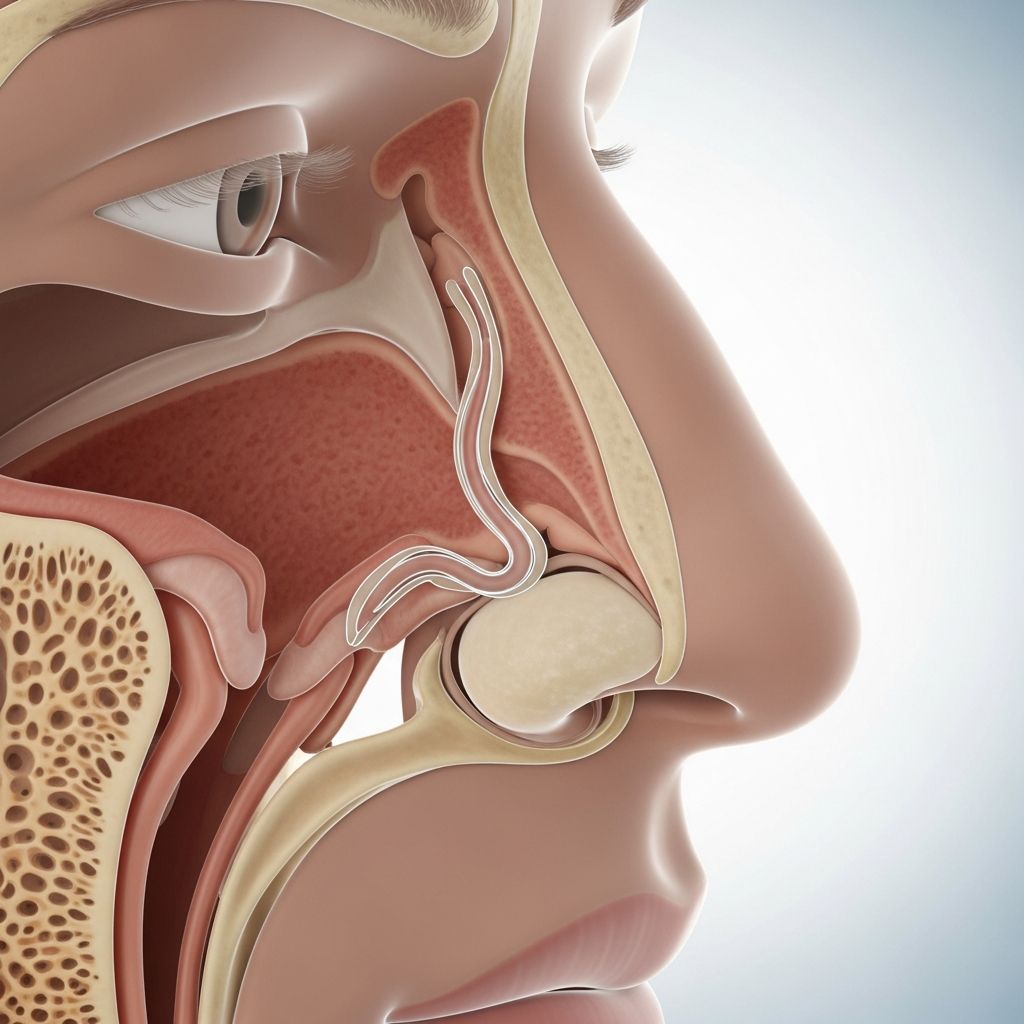
A deviated septum is a common condition where the thin wall (nasal septum) between your nasal passages is displaced, often blocking airflow and causing breathing difficulties, chronic congestion, and related issues like sinus infections or sleep disruptions.
What Is a Deviated Septum?
The nasal septum is the cartilage and bone structure that divides the nose into two nostrils, ideally positioned straight down the center to allow equal airflow through both nasal passages. In a deviated septum, this wall is crooked, bent, or shifted to one side, narrowing one or both passages.
Most people have some degree of deviation, but it only becomes problematic when severe enough to obstruct breathing. Severe cases can distort nasal structure externally or lead to complications like recurrent infections due to poor mucus drainage. According to otolaryngology reviews, deviations are classified into types (e.g., Mladina’s system with seven types based on ridge location and shape), helping clinicians assess severity.
Symptoms of Deviated Septum
Many individuals with mild deviations experience no symptoms, but significant misalignment leads to noticeable issues, primarily related to airflow obstruction.
- Nasal congestion or obstruction: One or both nostrils feel constantly clogged, worse on one side and often exacerbated when lying down.
- Difficulty breathing through the nose: Leads to mouth breathing, noisy breathing, or snoring.
- Frequent sinus infections: Blocked drainage traps mucus, causing chronic sinusitis, facial pain, headaches, and pressure.
- Nosebleeds: Dryness and irritation from uneven airflow increase bleeding risk.
- Postnasal drip: Excess mucus drips down the throat, causing cough or sore throat.
- Reduced sense of smell: Obstruction impairs olfactory function.
- Facial pain or headaches: Pressure buildup from poor ventilation.
- Sleep issues: Snoring or worsened sleep apnea symptoms due to restricted nasal airflow, though deviation doesn’t directly cause apnea.
Symptoms may worsen with allergies, colds, or environmental irritants, compounding issues like enlarged turbinates.
Causes of Deviated Septum
Deviated septums arise from congenital or acquired factors.
- Congenital (present at birth): The septum develops off-center during fetal growth or shifts during delivery. Many are asymptomatic until adulthood.
- Trauma or injury: Nasal fractures from sports, accidents, or blows to the face displace the septum. This is common in contact sports or falls.
- Developmental growth: The septum grows unevenly during childhood, remaining stable in adulthood unless reinjured.
Rarely, worsening symptoms in adulthood signal secondary issues like nasal polyps, tumors, or chronic inflammation, requiring prompt evaluation.
Diagnosis of Deviated Septum
Diagnosis starts with an ENT specialist (otolaryngologist) taking a detailed history of symptoms, trauma, allergies, and sinus issues.
Physical exam: The doctor inspects the nose externally and internally using a speculum or light to visualize deviation, polyps, or inflammation. They note which side feels more blocked.
Endoscopy: A thin, flexible tube with a camera (nasal endoscope) provides a detailed internal view, confirming deviation severity and ruling out other problems.
Imaging: CT scans classify deviation (e.g., anterior vs. posterior) and assess surgical needs, especially for complex cases or sinus involvement. Not routine for simple diagnoses.
Clinical assessment suffices for most; imaging aids preoperative planning.
Related Stories



Treatment for Deviated Septum
Treatment focuses on symptom relief and improving airflow. Options range from conservative to surgical.
Nonsurgical Treatments
For mild cases:
- Nasal steroid sprays: Reduce inflammation and swelling (e.g., fluticasone).
- Decongestants or antihistamines: Short-term relief for congestion, especially with allergies.
- Nasal strips or dilators: External strips open nostrils during sleep; internal dilators improve airflow.
- Saline rinses: Clear mucus and irritants.
- Lifestyle changes: Humidifiers, avoiding irritants, or allergy management.
These manage symptoms but don’t straighten the septum.
Surgical Treatment: Septoplasty
Septoplasty is recommended for severe, persistent symptoms unresponsive to conservative measures. This outpatient procedure reshapes the septum by removing, repositioning, or trimming obstructing bone/cartilage via internal incisions.
- Procedure types:
- Standard septoplasty for most deviations.
- Functional rhinoplasty for anterior (front) deviations, reshaping external structure.
- Extracorporeal septoplasty for severe cases: Entire septum removed, reshaped externally, reimplanted.
- Bony batten grafting for caudal (lower) deviations, using grafts for support.
- Anesthesia: Local or general; lasts 30-90 minutes.
- Recovery: Home same day; splints/packing removed in days. Swelling/bruising peaks at 2-3 days; normal activities in 1-2 weeks. Full healing: 3-6 months. Avoid strenuous activity initially.
Success rates are high (80-90% symptom improvement), with low complications like bleeding or perforation. It enhances quality of life, reducing infections and improving sleep.
Deviated Septum and Sleep Apnea
A deviated septum doesn’t cause sleep apnea but can worsen it by restricting nasal airflow, increasing apneas and snoring. Correcting it may improve CPAP tolerance or reveal underlying apnea.
When to See a Doctor
Consult an ENT if you have persistent congestion, frequent infections, nosebleeds, or breathing issues affecting sleep/daily life. Sudden worsening warrants urgent evaluation for tumors or other issues.
Prevention
Wear protective gear in sports; prompt treatment of nasal injuries prevents worsening.
Frequently Asked Questions (FAQs)
Can a deviated septum fix itself?
No, it requires intervention as it doesn’t heal spontaneously after growth plates fuse.
Is septoplasty painful?
Discomfort is mild; managed with pain meds. Most resume work in days.
Does insurance cover septoplasty?
Often yes, if medically necessary (e.g., breathing issues), not cosmetic.
How long does septoplasty recovery take?
1-2 weeks for normal activities; full results in months.
Can deviated septum cause headaches?
Yes, via sinus pressure and poor drainage.
References
- Deviated Septum — CHRISTUS Health. 2023. https://www.christushealth.org/get-care/services-specialties/ear-nose-throat/deviated-septum
- How a deviated septum affects your respiratory health — Loyola Medicine, Chirag Patel, MD. 2025-09-15. https://www.loyolamedicine.org/blog-articles/how-deviated-septum-affects-your-respiratory-health
- Nasal Septal Deviation: A Comprehensive Narrative Review — PMC/NCBI (Peer-reviewed). 2022-12-20. https://pmc.ncbi.nlm.nih.gov/articles/PMC9736816/
- Deviated Septum and Sleep Apnea: What To Know — ResMed. 2023. https://www.resmed.com/en-us/sleep-health/blog/deviated-septum-and-sleep-apnea/
- Deviated Septum — ENT Health (American Academy of Otolaryngology). 2023. https://www.enthealth.org/conditions/deviated-septum/
Similar Articles








Read full bio of medha deb