Dexamethasone Eye Drops for Inflammation
Complete guide to dexamethasone eye drops: uses, dosage, side effects, and safety information.
About Dexamethasone Eye Drops
Dexamethasone eye drops are a type of corticosteroid medication used to treat various forms of eye inflammation and discomfort. These drops work by reducing swelling, redness, irritation, and inflammation in the eyes caused by multiple conditions and situations. The medication is available under several brand names, including Maxidex and Dexafree, and is typically only available with a prescription from an eye care professional.
Dexamethasone is a synthetic corticosteroid that mimics hormones naturally produced by your body. It is important to understand that these are not the same as anabolic steroids and are specifically designed for treating inflammatory conditions affecting the eye.
What Are Dexamethasone Eye Drops Used For?
Dexamethasone eye drops treat a wide range of eye conditions where inflammation is the primary concern. Understanding the specific conditions these drops address can help you use them appropriately under medical supervision.
- Allergic conjunctivitis and other allergy-related eye symptoms
- Eye inflammation following surgery
- Chemical and thermal burns to the eyes
- Inflammation caused by radiation exposure
- Certain infections of the eye
- Eye injuries and trauma
- Keratitis and other corneal conditions
- Iritis and uveitis (inflammation of the iris and uveal tract)
- Acne rosacea affecting the eyes
- Foreign body irritation
Additionally, dexamethasone eye drops may be used off-label for ear conditions under medical guidance, though this should only occur when specifically advised by your doctor.
How Dexamethasone Eye Drops Work
Dexamethasone sodium phosphate suppresses the inflammatory response triggered by various agents affecting the eye. The medication works by reducing the body’s inflammatory response, which decreases visible symptoms such as redness, swelling, and irritation. However, it is important to note that while dexamethasone effectively reduces inflammation, it may also delay or slow the natural healing process of the eye. This is why medical supervision is crucial during treatment.
How to Use Dexamethasone Eye Drops
Proper application of dexamethasone eye drops is essential for achieving therapeutic benefit and minimizing potential complications. Follow these detailed instructions for correct usage:
Application Instructions
- Wash your hands thoroughly before handling the medication
- If using a suspension form (such as Maxidex), shake the bottle well before each use
- Tilt your head back or lie down and look upward toward the ceiling
- Gently pull down the lower eyelid to create a small pouch
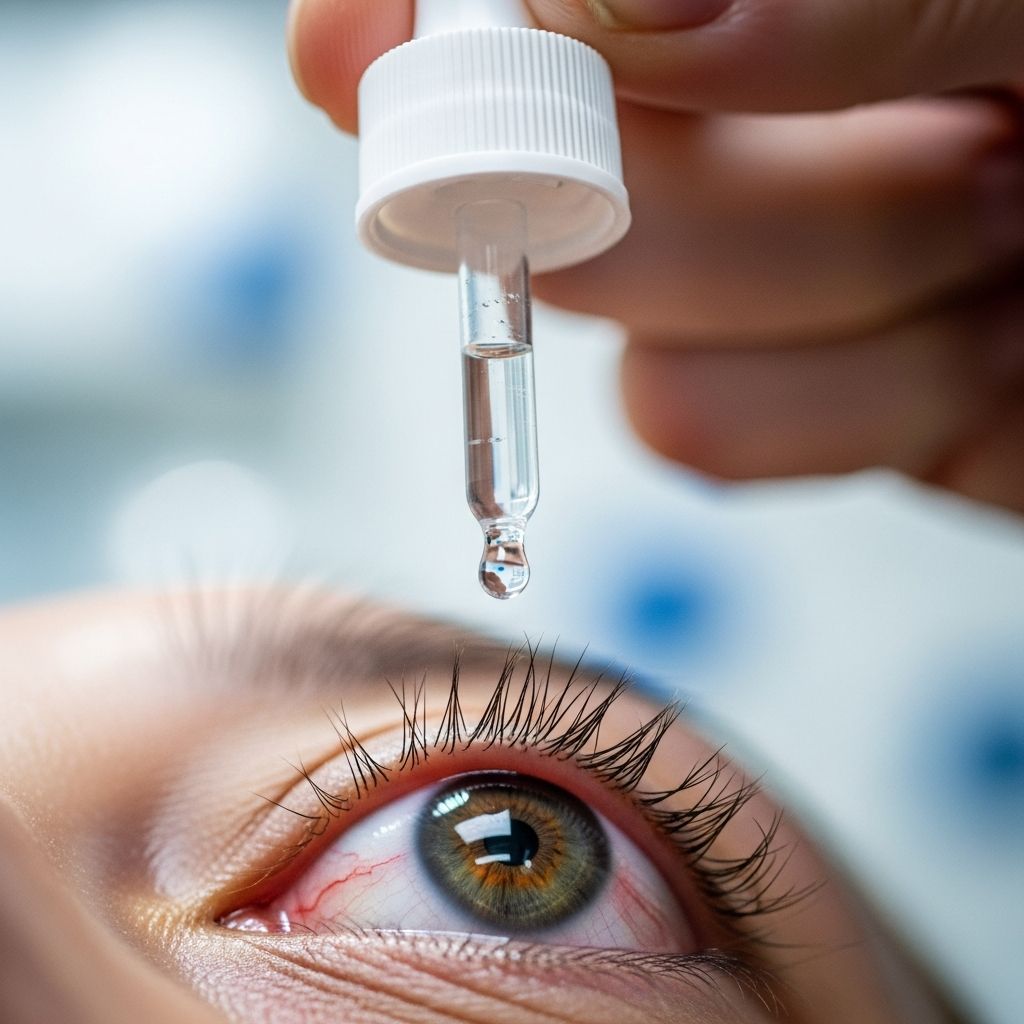
- Hold the dropper bottle directly above your eye, allowing one or two drops to fall into the conjunctival sac (the space between the eyelid and the eye)
- Avoid touching the dropper tip to any surface, including your eye, to maintain sterility
- Close your eye gently and tip your head downward as if looking at the floor
- Keep your eye closed for 2 to 3 minutes without blinking or squeezing your eyelid
- Place a finger on your tear duct (the corner of your eye near your nose) and apply gentle pressure for about one minute to prevent the medication from draining away
- If you need to apply additional drops to the same eye, wait at least 5 minutes before instilling the next drop
- Wipe away any excess liquid from your face with a clean tissue
- Tightly cap and store the bottle upright when not in use
Related Stories



Contact Lens Considerations
If you wear contact lenses, remove them before applying dexamethasone eye drops. The preservative benzalkonium chloride present in many formulations can be absorbed by soft contact lenses and cause irritation or reduce lens effectiveness. Wait at least 15 minutes after applying the drops before reinserting your contact lenses. Some preservative-free formulations are available in single-dose droppers and may be more suitable for contact lens wearers, but consult your eye doctor for personalized recommendations.
Dosage Information
The correct dosage of dexamethasone eye drops varies depending on the severity of your eye condition and your individual response to treatment. Always follow your doctor’s specific instructions rather than assuming a standard dose applies to your situation.
Typical Adult Dosing
- For general eye inflammation: One or two drops in the affected eye 4 to 6 times daily
- For acute conditions: One or two drops every hour during the day and every two hours at night initially
- After improvement: Reduce to one drop every four hours, then further reduce to three or four times daily as symptoms improve
Pediatric Dosing
Dosing for children must be determined by your healthcare provider. While studies have not demonstrated pediatric-specific problems that would limit the usefulness of dexamethasone eye drops in children, safety and efficacy must be individually established for each patient.
When to Expect Results
Dexamethasone eye drops typically begin working within a couple of days of starting treatment. However, to achieve maximum benefit, you must use them regularly and consistently as recommended by your doctor. Do not be discouraged if you do not notice immediate improvement; continued adherence to your treatment schedule will provide the best outcomes.
Missing a Dose
If you miss a dose of dexamethasone eye drops, apply it as soon as you remember. However, if it is nearly time for your next scheduled dose, skip the missed dose and return to your regular dosing schedule. Never apply a double dose to compensate for a missed application.
Duration of Treatment
If you have been using dexamethasone eye drops for more than 1 to 2 weeks, your doctor may instruct you to gradually reduce the frequency of application each day until you stop completely. This gradual tapering helps prevent rebound inflammation and allows your eye to adjust to discontinuation of the medication. Do not abruptly stop using the drops without medical guidance.
Potential Side Effects
While dexamethasone eye drops are generally safe when used as directed, they can cause side effects in some individuals. Understanding these potential effects helps you recognize when to contact your healthcare provider.
Common Side Effects
- Eye irritation or discomfort
- Blurred vision
- Temporary stinging or burning sensation
- Mild eye redness
Less Common Side Effects
- Loss of vision
- Significant redness of the white of the eye or inner eyelids
- Swelling of the eye
- Burning, dryness, or itching eyes
- Delayed eye wound healing
- Difficulty seeing at night
- Excessive tearing or discharge
- Pain or swelling of the eyelid or inner lining
Rare but Serious Side Effects
- Difficulty breathing or swallowing
- Drooping of the upper eyelid
- Fast heartbeat
- Skin itching, rash, or redness
- Swelling of the face, throat, or tongue (signs of allergic reaction)
Many side effects may diminish as your body adjusts to the medication. However, if any side effects are severe, persistent, or concerning, contact your healthcare provider immediately. Do not attempt to self-manage serious adverse reactions.
Important Safety Information and Precautions
Before using dexamethasone eye drops, inform your doctor about any eye conditions, recent eye surgery, or infections. Prolonged use of dexamethasone eye drops can increase your risk of serious complications, making regular monitoring essential.
Long-Term Use Risks
- Glaucoma (increased eye pressure): Prolonged steroid use can elevate intraocular pressure, potentially leading to glaucoma and permanent vision loss if untreated
- Posterior subcapsular cataracts: A rare type of cataract that can develop with extended steroid eye drop use
- Delayed wound healing: After cataract surgery or other ocular procedures, steroid eye drops may slow the natural healing process
- Secondary eye infections: Masking of symptoms can allow infections to progress undetected
Because of these potential risks, you will need to have regular eye examinations with your doctor to check for these complications if you use dexamethasone eye drops long-term.
When to Seek Medical Attention
If your symptoms do not improve after a few days of treatment or if they become worse, contact your eye doctor immediately. Additionally, seek medical attention if you develop:
- Severe eye pain
- Sudden vision changes
- Persistent discharge or excessive tearing
- Signs of allergic reaction
- Any of the serious side effects mentioned above
Drug Interactions and Contraindications
Inform your healthcare provider about all medications you are taking, including over-the-counter drugs and supplements. While dexamethasone eye drops are applied topically and have minimal systemic absorption, interactions can still occur. Certain eye conditions, such as vaccinia, varicella, or other viral diseases of the cornea and conjunctiva, may contraindicate the use of dexamethasone eye drops, as steroids can potentially worsen these conditions.
Storage and Maintenance
Proper storage of dexamethasone eye drops ensures the medication remains effective and safe for use:
- Store the bottle at room temperature away from excessive heat and light
- Keep the bottle tightly closed and upright when not in use
- Do not freeze the medication
- Keep the medication out of reach of children and pets
- Check the expiration date before each use and discard expired medication
- Never rinse or wipe the dropper tip, as this can introduce contamination
- Discard the bottle as directed by your pharmacist, typically after 28 days of opening a multidose container
Frequently Asked Questions
Q: Are dexamethasone eye drops available without a prescription?
A: No, dexamethasone eye drops are available by prescription only. Your eye care provider must evaluate your condition and determine whether this medication is appropriate for you before prescribing.
Q: Can I use dexamethasone eye drops indefinitely?
A: No, dexamethasone eye drops are typically used for short-term treatment. Prolonged use increases the risk of serious complications such as glaucoma and cataracts. Your doctor will monitor your treatment and gradually reduce your dosage when appropriate.
Q: How quickly do dexamethasone eye drops work?
A: These drops typically begin reducing inflammation within a couple of days, though maximum benefit may take longer. Consistent use as prescribed is essential for optimal results.
Q: Can I use dexamethasone eye drops with contact lenses?
A: You should remove your contact lenses before applying dexamethasone eye drops and wait at least 15 minutes before reinserting them. The preservatives in the drops can be absorbed by contact lenses and cause irritation.
Q: What should I do if I accidentally touch the dropper tip to my eye?
A: While this is not ideal, it is unlikely to cause harm if it occurs once. However, try to avoid this in future applications. If contamination concerns persist, discuss with your pharmacist about obtaining a fresh bottle.
Q: Are there any foods or activities I should avoid while using dexamethasone eye drops?
A: No specific dietary restrictions are necessary. However, avoid rubbing your eyes and be cautious with activities that could introduce foreign material into the eye during treatment.
Q: Can dexamethasone eye drops be used in the ear?
A: Yes, dexamethasone eye drops can be used in the ear for certain conditions, but only when specifically advised by your doctor. Never use them for ear conditions without medical guidance.
References
- Dexamethasone (ophthalmic route) – Side effects & dosage — Mayo Clinic. 2024. https://www.mayoclinic.org/drugs-supplements/dexamethasone-ophthalmic-route/description/drg-20406621
- About dexamethasone eye drops — NHS. 2024. https://www.nhs.uk/medicines/dexamethasone-eye-drops/about-dexamethasone-eye-drops/
- DEXAMETHASONE SODIUM PHOSPHATE solution/drops — DailyMed (National Library of Medicine). 2024. https://dailymed.nlm.nih.gov/dailymed/drugInfo.cfm?setid=6bdcefbe-51e3-4ca4-afda-5aeca7b6fa73
- Dexamethasone Ophthalmic: MedlinePlus Drug Information — MedlinePlus (National Library of Medicine). 2024. https://medlineplus.gov/druginfo/meds/a682869.html
- Dexamethasone (Decadron®) — OncoLink. 2024. https://www.oncolink.org/cancer-treatment/oncolink-rx/dexamethasone-decadron-R
Similar Articles








Read full bio of Sneha Tete