Dexamfetamine for Narcolepsy and ADHD (Amfexa)
Comprehensive guide to dexamfetamine (Amfexa®) for managing narcolepsy in adults and ADHD in children aged 6-17 years.
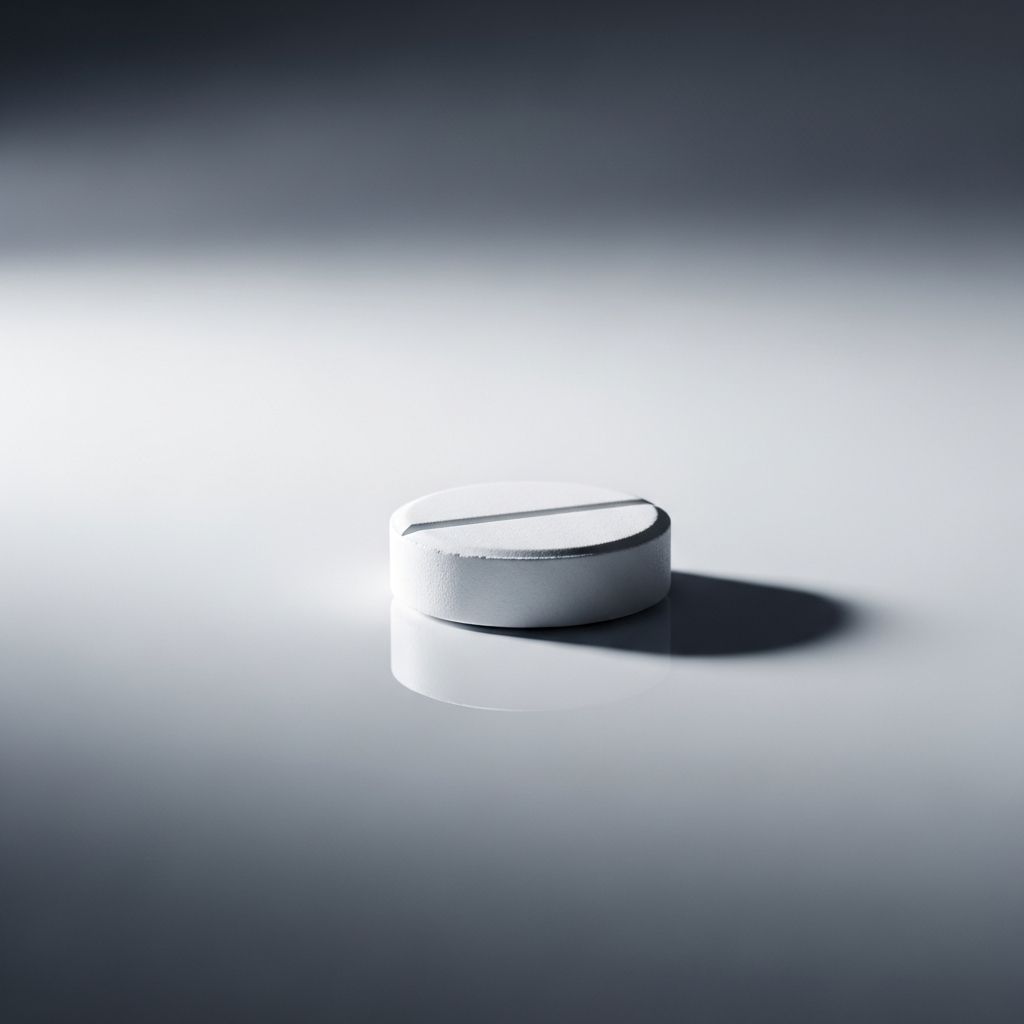
About dexamfetamine
Dexamfetamine is a central nervous system (CNS) stimulant that increases alertness and reduces excessive daytime sleepiness. It belongs to the group of sympathomimetic amines with central stimulant and anorectic activity, primarily used for narcolepsy in adults and attention deficit hyperactivity disorder (ADHD) in children and adolescents aged 6 to 17 years.
| Type of medicine | A stimulant |
|---|---|
| Used for | Narcolepsy in adults; ADHD in children aged 6-17 years when methylphenidate response is inadequate |
| Also known as (UK) | Amfexa® |
| Also known as (USA) | Dextroamphetamine; Dexedrine®, Adderall® |
| Available as | Tablets (5mg, 10mg); oral solution |
Narcolepsy is a chronic sleep disorder characterized by excessive daytime sleepiness, sudden sleep attacks, and disturbed nighttime sleep. Dexamfetamine helps by stimulating brain activity to promote wakefulness, though tolerance may develop, leading to preferences for alternatives like modafinil. For ADHD, it is part of a comprehensive program including psychological, educational, and social interventions, used when prior methylphenidate treatment proves inadequate.
Dexamfetamine affects natural brain chemicals, particularly increasing activity in areas controlling attention, behavior, and alertness. It elevates systolic and diastolic blood pressure, acts as a weak bronchodilator, and respiratory stimulant.
Before taking dexamfetamine
To ensure safe use, inform your doctor of relevant medical history and medications. Dexamfetamine requires caution in several conditions.
Who can and cannot take dexamfetamine tablets
Dexamfetamine is contraindicated in hyperthyroidism, advanced arteriosclerosis, symptomatic cardiovascular disease, moderate to severe hypertension, glaucoma, agitated states, history of drug or alcohol abuse, and known hypersensitivity to sympathomimetic amines.
- Do not take if: You have epilepsy, Tourette’s syndrome or tics, glaucoma, drug/alcohol misuse history, anorexia nervosa, porphyria, or allergies to similar medicines.
- Use with caution in patients with hemiplegic cerebral palsy (not contraindicated), pre-existing anxiety, agitation, psychosis, bipolar disorder, or seizure history, as it may lower seizure threshold.
Pregnancy and breastfeeding
Dexamfetamine is not recommended during pregnancy due to potential fetal harm; weigh benefits against risks and use effective contraception. Limited data exists on breastfeeding excretion; avoid or monitor infant for effects.
Other medicines, food, and drink
Inform your doctor of all medications. Key interactions include:
| Interaction Type | Examples | Effect |
|---|---|---|
| MAOIs | Phenelzine, selegiline | Contraindicated; risk of hypertensive crisis |
| Acidifying agents | Ascorbic acid | Reduce dexamfetamine absorption |
| Alkalinizing agents | Sodium bicarbonate | Increase dexamfetamine levels |
| Antihypertensives | Guanethidine, clonidine | Dexamfetamine inhibits effects |
| Others | SSRIs, beta-blockers, disulfiram | Variable effects; monitor closely |
Avoid excessive caffeine, as it may enhance stimulant effects. No specific food interactions noted, but take consistently.
How and when to take dexamfetamine
Dosage
Dosage is individualized. For ADHD: Start at 5mg/day (children >6 years), titrate weekly by 5mg to max 20mg/day in divided doses. Narcolepsy: 10-60mg/day in divided doses.
- Swallow tablets whole or break score line for ease (not equal doses). Take 30-60 min before meals.
- Miss a dose? Take promptly; do not double. Stop gradually to avoid withdrawal.
Your doses
Follow prescribed schedule. Regular monitoring required, especially long-term (>12 months).
Side effects of dexamfetamine tablets
Common side effects include reduced appetite, insomnia, dry mouth. Serious risks: cardiovascular events, psychosis, growth suppression in children.
Related Stories



| Common Side Effects | What to Do |
|---|---|
| Feeling sick, stomach cramps | Stick to simple meals; avoid spicy foods |
| Dizziness, eyesight problems | Avoid driving/tools |
| Headache | Hydrate; use painkiller; consult if persistent |
| Dry mouth, unusual taste | Chew sugar-free gum |
| Diarrhoea | Drink fluids |
| Sleep issues, mood changes, palpitations, weight loss | Speak to doctor |
Serious side effects: Seek immediate help for chest pain, breathlessness, hallucinations, seizures, priapism, or NMS signs. Monitor for misuse, diversion, psychiatric changes every 6 months.
How to cope with dexamfetamine side effects
Most side effects improve over time. Maintain hydration, balanced diet despite appetite loss. Report persistent issues. Long-term: Monitor growth, blood pressure, heart rate.
Long-term side effects
Long-term (>12 months) use in children requires periodic physician evaluation of usefulness. Risks include dependence, growth retardation, psychiatric disorders, cerebral vasculopathy (e.g., stroke symptoms). Regular assessments for tics, psychiatric health, and cardiovascular status essential.
Common questions about dexamfetamine tablets
How does dexamfetamine make you feel? Increases focus, alertness; may cause restlessness, reduced hunger.
How quickly does dexamfetamine work? Effects within 30-60 min; full ADHD benefit may take weeks.
How long does dexamfetamine stay in your system? Half-life 10-12 hours; effects last 4-6 hours per dose.
Is dexamfetamine a controlled drug? Yes, Schedule 2; risk of abuse/dependence.
Frequently Asked Questions (FAQs)
Q: Can dexamfetamine be used in adults for ADHD?
A: Primarily for children 6-17; adult use off-label or per guidelines when other treatments fail.
Q: Does dexamfetamine cause weight loss?
A: Yes, due to appetite suppression; monitor nutrition, especially in children.
Q: What if I forget a dose?
A: Take as soon as remembered unless near next dose; do not double up.
Q: Can dexamfetamine affect driving?
A: Yes, causes dizziness, vision issues; avoid until effects known.
Q: Is dexamfetamine addictive?
A: Potential for misuse/abuse; monitor closely, especially with history.
References
- Amfexa 10mg Tablets – Summary of Product Characteristics (SmPC) — electronic Medicines Compendium (emc). 2023. https://www.medicines.org.uk/emc/product/7403/smpc
- Dexamfetamine for narcolepsy and ADHD – Patient.info — Patient.info. Accessed 2026. https://patient.info/medicine/dexamfetamine-for-narcolepsy-and-adhd-amfexa
- Dextroamphetamine Tablets – Consumer Medicine Information — Medsafe, New Zealand Government. 2023. https://www.medsafe.govt.nz/consumers/cmi/d/Dexamphetaminesulphate.pdf
- Amfexa 5mg Product Information — Medicines Authority Malta (.gov.mt). 2022. https://medicinesauthority.gov.mt/file.aspx?f=6373
- Dextroamphetamine (oral route) Description — Mayo Clinic (.org, authoritative medical). 2025. https://www.mayoclinic.org/drugs-supplements/dextroamphetamine-oral-route/description/drg-20071795
Similar Articles








Read full bio of Sneha Tete