Dextrocardia: Understanding Right-Sided Heart Positioning
Learn about dextrocardia, a rare congenital condition where the heart points right instead of left.
What is Dextrocardia?
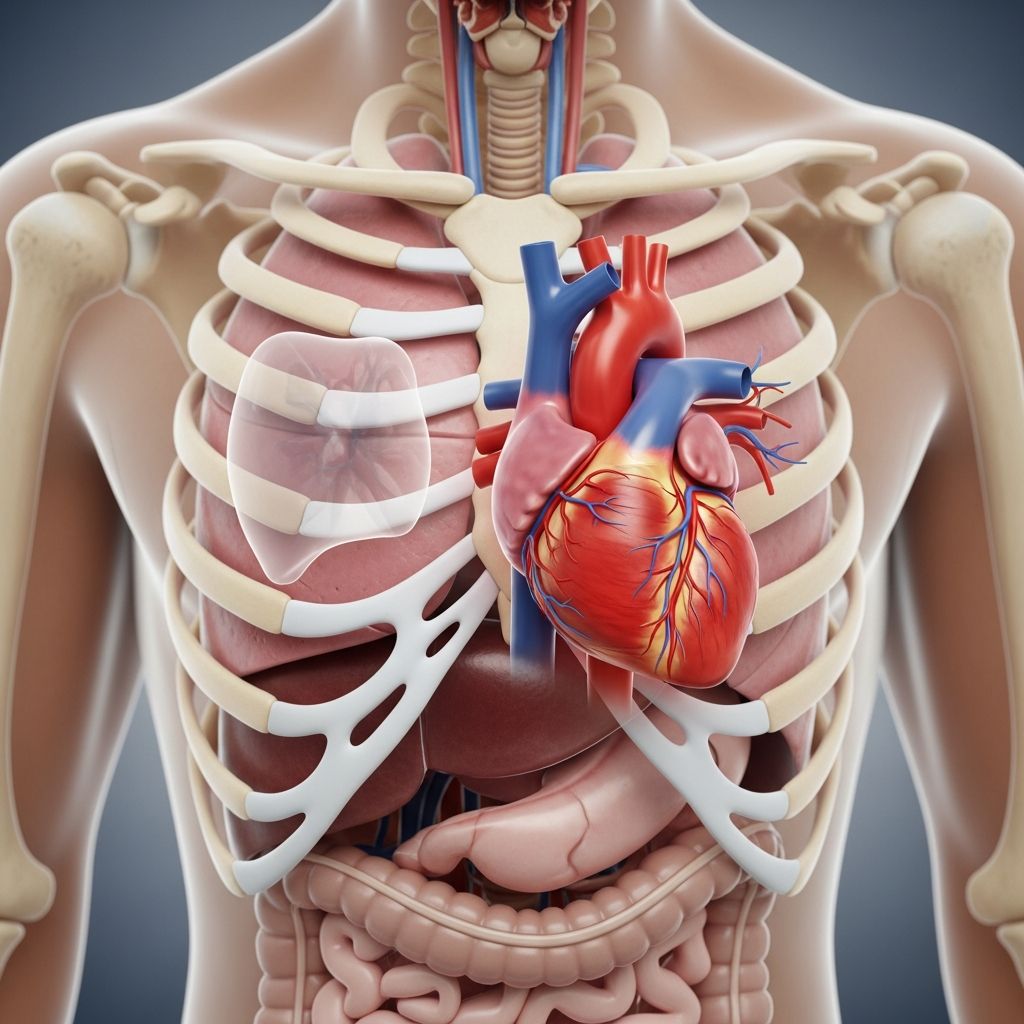
Dextrocardia is a rare congenital condition in which the heart is positioned toward the right side of the chest instead of the typical left-sided location. The term originates from Latin and Greek roots, with “dextro” meaning right and “cardia” meaning heart. In this condition, the apex (tip) of the heart points to the right rather than the left as it normally does. While dextrocardia itself is not inherently dangerous, it frequently occurs alongside other serious cardiac abnormalities and organ system complications that require careful medical attention and monitoring.
Approximately 1 in 12,000 people are born with some form of dextrocardia, making it a genuinely rare cardiac anomaly. Many individuals with isolated dextrocardia remain unaware of their condition throughout their lives, as it may produce no noticeable symptoms. However, when dextrocardia occurs in combination with other heart defects or genetic syndromes, medical intervention becomes essential for ensuring proper health outcomes and quality of life.
Understanding the Types of Dextrocardia
Dextrocardia is classified into several distinct types, each with different characteristics, associated complications, and clinical implications. Understanding these variations is crucial for proper diagnosis and management.
Dextrocardia Situs Inversus
Dextrocardia situs inversus represents the most well-known form of dextrocardia. In this type, not only is the heart positioned on the right side of the chest, but the heart’s chambers and the abdominal organs are also completely mirrored or reversed. This means that the liver, which normally occupies the right upper abdomen, is positioned on the left side, while the spleen moves to the right. The stomach, typically on the left side, shifts to the right as well. This complete organ reversal is called “situs inversus totalis,” representing a total mirror image of normal organ positioning.
In individuals with dextrocardia situs inversus, the heart’s four chambers point toward the right side of the body. Remarkably, many people with this form of dextrocardia live entirely normal lives without experiencing significant health complications, as the reversed organs function normally in their mirrored positions. The condition is inherited as an autosomal recessive trait, meaning an individual must inherit the abnormal gene from both parents to develop dextrocardia.
Dextrocardia Situs Solitus
In dextrocardia situs solitus, the heart is positioned on the right side of the chest, but the abdominal organs remain in their normal anatomical positions. This means the liver stays on the right, the spleen remains on the left, and the stomach keeps its typical left-sided location. This form represents an isolated cardiac positional abnormality without the accompanying visceral organ reversal seen in situs inversus. Individuals with this type often have a higher likelihood of associated cardiac defects and may require more intensive medical monitoring.
Dextrocardia of Embryonic Arrest
This form of dextrocardia, also known as isolated dextrocardia, occurs when the heart simply remains positioned further right in the thorax than normal during fetal development. The embryonic development of the heart fails to progress normally, resulting in abnormal positioning. This type is frequently associated with severe structural heart defects and related abnormalities, including pulmonary hypoplasia (underdeveloped lungs). Individuals with embryonic arrest dextrocardia typically require comprehensive cardiac evaluation and ongoing medical management.
Dextroversion
Dextroversion occurs when the heart is abnormally positioned further to the right and rotated rightward. In this condition, the right ventricle has typically shifted behind the left ventricle, while the left ventricle remains in its left-sided position. This creates an unusual rotational abnormality that differs from true dextrocardia. Dextroversion is typically diagnosed using an electrocardiograph (ECG), which reveals characteristic electrical patterns reflecting the heart’s unusual position and orientation.
Related Stories



Dextroposition
Dextroposition represents a displacement of the heart toward the right side of the chest. Unlike dextrocardia, dextroposition is not a congenital condition present at birth. Instead, it is typically acquired later in life, developing secondary to various acquired diseases affecting the lungs, diaphragm, or pleura (the membrane surrounding the lungs). Surgeries, muscle damage, or skeletal deformities may also contribute to dextroposition development. The electrocardiogram in dextroposition is usually normal, distinguishing it from other forms of dextrocardia.
Causes and Genetic Factors
Dextrocardia is a congenital condition, meaning it is present from birth and results from abnormal fetal cardiac development. The condition is inherited as an autosomal recessive genetic trait, requiring that an individual inherit the abnormal gene from both biological parents to develop the condition. Parents who are carriers of the recessive gene have a 25 percent chance of having a child with dextrocardia with each pregnancy.
The molecular mechanisms underlying dextrocardia involve genes that regulate left-right axis determination during early embryonic development. These genes normally guide the heart to develop on the left side of the body and establish proper organ positioning. When mutations occur in these developmental genes, the normal directional cues become disrupted, resulting in aberrant rightward cardiac positioning. Recent genetic research has identified several specific genes associated with dextrocardia and related laterality disorders, though the complete genetic picture remains an area of active investigation.
Associated Cardiac Abnormalities
While isolated dextrocardia without additional heart defects is relatively uncommon, dextrocardia frequently occurs alongside serious cardiac malformations. These associated abnormalities significantly impact clinical prognosis and treatment decisions:
- Double outlet right ventricle: The aorta connects to the right ventricle instead of the left ventricle, causing abnormal blood circulation patterns
- Endocardial cushion defect: The walls separating all four chambers of the heart are poorly formed or completely absent
- Pulmonary stenosis or atresia: Narrowing or complete absence of the pulmonary valve, restricting blood flow to the lungs
- Ventricular septal defect: A hole in the wall separating the right and left ventricles, allowing abnormal blood shunting
- Transposition of the great vessels: The aorta and pulmonary artery connections are switched, requiring immediate intervention
- Single ventricle: Presence of a single ventricle instead of the normal two ventricles, severely compromising cardiac function
- Narrow or misshapen heart valves: Structural abnormalities of valve tissue affecting blood flow
Symptoms and Clinical Presentation
Many individuals with isolated dextrocardia experience no symptoms whatsoever and remain unaware of their condition throughout their lives. The condition may only be discovered incidentally during imaging studies performed for unrelated health reasons. However, one distinctive clinical finding is that individuals with dextrocardia have maximum heart sounds audible on the right side of the chest rather than the left.
When dextrocardia occurs alongside other cardiac defects or genetic syndromes, various symptoms may develop. These symptoms typically require medical attention:
- Unexplained and continual exhaustion or fatigue
- Inability to gain weight or failure to thrive in infants
- Chronic infections, especially of the sinuses and lungs
- Difficulty breathing or shortness of breath
- Jaundiced or yellowed skin and eyes
- Blue-tinted skin (cyanosis), especially around the fingers and toes
- Pale skin (pallor)
- Repeated respiratory infections
Associated Complications and Syndromes
Dextrocardia can be associated with various systemic complications affecting multiple organ systems beyond the heart:
Kartagener Syndrome
Approximately 20 percent of individuals with dextrocardia also have Kartagener syndrome, a serious genetic disorder affecting ciliary function. This syndrome combines dextrocardia with chronic dilation of the bronchi, chronic respiratory infections (bronchiectasis), sinus infections (sinusitis), and male infertility. The condition results from defective cilia, which are hair-like projections on respiratory tract cells responsible for clearing mucus. Without functional cilia, patients experience recurrent infections and progressive lung damage.
Heterotaxy Syndrome
A particularly serious syndrome associated with dextrocardia is heterotaxy, in which many organs are not positioned in their usual locations and may not function properly. In some cases of heterotaxy, the spleen may be completely absent or multiple small, non-functional spleens may be present. Since the spleen is a critical component of the immune system, individuals born without a functional spleen face significant danger of severe bacterial infections and potentially life-threatening outcomes.
Other Associated Complications
Individuals with dextrocardia may experience various other complications including:
- Bowel disorders, usually from obstruction due to intestinal malrotation (reversal)
- Bronchial diseases such as chronic pneumonia, associated with loss of ciliary function
- Esophageal disorders affecting swallowing and digestion
- Cardiovascular disorders beyond the primary dextrocardia
- Heart failure or progressive heart disease
- Infection and sepsis, particularly in heterotaxy cases with splenic abnormalities
- Blocked intestines due to intestinal malrotation
- Repeated pneumonias and sinus infections
Diagnosis and Evaluation
Dextrocardia is typically diagnosed through cardiac imaging studies. The most common diagnostic methods include:
Chest X-ray: A standard chest radiograph can reveal the heart’s rightward positioning and is often the initial imaging study that alerts physicians to the possibility of dextrocardia.
Electrocardiogram (ECG): This electrical recording of the heart’s activity shows characteristic patterns reflecting the abnormal heart position and can help differentiate between different types of dextrocardia.
Echocardiography: This ultrasound imaging of the heart provides detailed visualization of cardiac structure, chamber size, valve function, and any associated defects.
Computed Tomography (CT) or Magnetic Resonance Imaging (MRI): These advanced imaging techniques offer detailed three-dimensional visualization of cardiac anatomy and abdominal organ positioning, particularly useful for detecting situs inversus and associated anomalies.
Treatment and Management Approaches
Treatment of dextrocardia depends significantly on the presence and severity of associated cardiac defects and other complications. For individuals with isolated dextrocardia without associated heart defects, no specific medical treatment is required. These patients can typically live entirely normal lives without symptoms or limitations.
When dextrocardia occurs alongside other serious heart malformations or genetic syndromes, treatment becomes more complex and individualized. Symptomatic and supportive care addresses specific complications as they arise. This may include antibiotic therapy for recurrent infections, management of heart failure symptoms, and monitoring for progressive cardiac dysfunction.
Surgical intervention may be necessary for some individuals, particularly those with significant associated cardiac defects. Complex surgical procedures may be required to correct structural heart abnormalities, restore normal blood flow patterns, and optimize cardiac function. Advanced surgical techniques and experienced pediatric cardiac surgeons are essential for managing these complex cases.
Genetic counseling is recommended for affected families to discuss inheritance patterns, recurrence risks, and reproductive options. This counseling helps families understand the autosomal recessive inheritance pattern and make informed decisions about future pregnancies.
Prognosis and Outlook
The prognosis for individuals with dextrocardia varies substantially depending on whether the condition occurs in isolation or with associated defects. Those with isolated dextrocardia generally have an excellent prognosis and normal life expectancy, with no impact on quality of life or daily activities.
For individuals with associated cardiac defects or genetic syndromes, prognosis depends on the specific nature and severity of these complications. Modern cardiac surgery and medical management have significantly improved outcomes for even the most complex cases. Regular cardiology follow-up, prompt treatment of complications, and comprehensive family support contribute to optimal health outcomes.
Living with Dextrocardia
Individuals with isolated dextrocardia typically require no lifestyle modifications or restrictions. They can engage in normal physical activities, exercise, and pursue regular daily activities without limitations. However, it is important for patients and their families to be aware of their condition, as it may be relevant during medical evaluations or surgical procedures.
For those with associated complications, management should be individualized based on specific health needs. Regular follow-up with experienced cardiologists ensures appropriate monitoring and early detection of any emerging complications. When dextrocardia is associated with conditions affecting immune function, such as heterotaxy with asplenia, additional precautions including appropriate vaccinations and prophylactic antibiotic therapy may be recommended.
Frequently Asked Questions
Q: Is dextrocardia life-threatening?
A: Isolated dextrocardia is not life-threatening and typically causes no health problems. However, when it occurs with other heart defects or genetic syndromes, more serious complications may develop requiring medical management.
Q: Can dextrocardia be detected before birth?
A: Yes, prenatal ultrasound can sometimes detect dextrocardia, particularly when associated with other cardiac abnormalities. This allows for appropriate preparation and planning of postnatal care.
Q: Is dextrocardia inherited?
A: Yes, dextrocardia is an autosomal recessive genetic condition, requiring inheritance of the abnormal gene from both parents. Parents who are carriers have a 25 percent chance with each pregnancy of having a child with dextrocardia.
Q: Can someone with dextrocardia have a normal pregnancy?
A: Yes, women with isolated dextrocardia typically have normal pregnancies and can have healthy children. Genetic counseling is recommended to discuss inheritance risks.
Q: What imaging is best for diagnosing dextrocardia?
A: Chest X-ray is often the initial imaging method that reveals dextrocardia. Echocardiography provides detailed cardiac structure information, while CT or MRI offers comprehensive visualization of cardiac and abdominal anatomy.
Q: Does everyone with dextrocardia know they have it?
A: No, many people with isolated dextrocardia remain unaware of their condition throughout their lives, discovering it only incidentally during imaging for unrelated reasons.
References
- Dextrocardia: Causes, symptoms, and treatment — Medical News Today. 2024. https://www.medicalnewstoday.com/articles/318875
- Dextrocardia — MedlinePlus Medical Encyclopedia. National Library of Medicine. 2024. https://medlineplus.gov/ency/article/007326.htm
- Dextrocardia with Situs Inversus — Symptoms, Causes, Treatment — National Organization for Rare Disorders (NORD). 2024. https://rarediseases.org/rare-diseases/dextrocardia-with-situs-inversus/
- Dextrocardia in children — Children’s Health Cardiology. Texas Scottish Rite Hospital for Children. 2024. https://www.childrens.com/specialties-services/conditions/dextrocardia
- Dextrocardia: Causes, Treatment & Outlook — Cleveland Clinic. 2024. https://my.clevelandclinic.org/health/diseases/23125-dextrocardia
- Dextrocardia: What Is It, Diagnosis, Treatment, and More — Osmosis. 2024. https://www.osmosis.org/answers/dextrocardia
Similar Articles








Read full bio of medha deb