DHEA Supplement: 5 Benefits, Uses & Side Effects For 2025
Explore the potential benefits, risks, dosage, and scientific evidence behind DHEA supplements for hormonal health and aging.
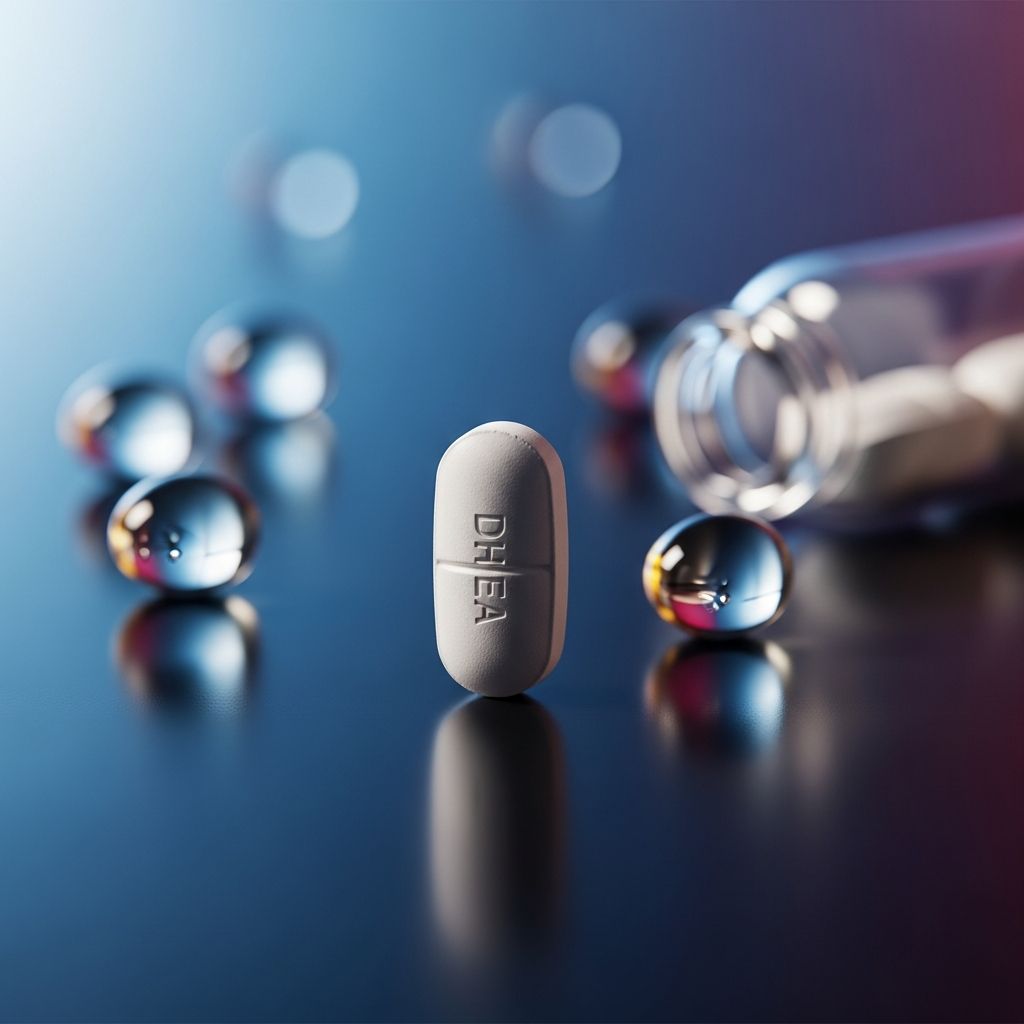
Dehydroepiandrosterone (DHEA) is a hormone naturally produced by the adrenal glands that serves as a precursor to testosterone and estrogen. Levels peak in the mid-20s and decline with age, prompting interest in DHEA supplements for supporting hormonal balance, energy, mood, and overall vitality in older adults. While some studies suggest benefits for bone health, muscle mass, and sexual function, evidence remains mixed, and supplements are not FDA-approved for most uses except specific menopause treatments.
What Is DHEA?
DHEA, or dehydroepiandrosterone, is one of the most abundant circulating steroids in humans, synthesized primarily in the adrenal glands. It functions as a prohormone, converting into androgens like testosterone and estrogens in various tissues. Production peaks around age 25 and drops by up to 80-90% by age 70-80, correlating with age-related declines in muscle mass, bone density, and libido. This natural decline has fueled research into DHEA supplementation to restore youthful levels and mitigate aging effects.
In the body, DHEA circulates mostly as DHEA-sulfate (DHEA-S), its sulfated form, which is more stable and measurable in blood tests. Supplements aim to elevate these levels, potentially improving hormone-dependent functions. However, unlike prescription hormones, DHEA supplements are sold over-the-counter but lack stringent FDA regulation, raising concerns about purity and potency.
What Does Science Say About the Health Benefits of DHEA Supplements?
Research on DHEA is promising yet inconclusive, with benefits most evident in older adults or those with low baseline levels. Studies highlight potential improvements in bone health, body composition, mood, immune function, and sexual health, though results vary by dose, duration, and population.
- Bone Health: DHEA may enhance bone mineral density (BMD) by converting to estrogen, which supports osteoblasts. A systematic review in the Journal of Clinical Endocrinology & Metabolism found 50-100 mg daily increased spine and hip BMD in older women.
- Muscle Mass and Strength: Through conversion to testosterone and IGF-1, DHEA modestly boosts muscle protein synthesis. Benefits are gentler than direct testosterone therapy, suitable for age-related sarcopenia.
- Mood and Cognition: Some users report improved mood and energy, possibly via hormonal restoration. Evidence is preliminary, with more research needed for depression or cognitive decline.
- Sexual Function: In postmenopausal women, vaginal DHEA suppositories alleviate dryness and boost satisfaction by local estrogen production, per a New England Journal of Medicine study. Men may see libido and erectile improvements, especially with cardiovascular links.
- Metabolic and Immune Support: Potential for better insulin sensitivity and adrenal function in conditions like lupus or adrenal insufficiency.
Larger trials are needed, as many studies show modest or no effects in healthy young adults.
Who Might Benefit From Taking a DHEA Supplement?
DHEA supplementation is most relevant for those with documented low levels, typically older adults over 50, postmenopausal women, or individuals with adrenal issues. Benefits are pronounced in:
- Postmenopausal women experiencing vaginal atrophy, bone loss, or low libido.
- Older men and women with sarcopenia or osteoporosis risk.
- Patients with lupus (SLE), where 100-200 mg/day improved symptoms.
- Those with adrenal insufficiency, restoring well-being and sexuality at 50 mg/day.
Young, healthy individuals rarely benefit, and athletes should avoid due to bans by organizations like the NCAA. Always test DHEA-S levels via bloodwork before starting.
Related Stories



DHEA Supplement Side Effects
While generally well-tolerated at low doses, DHEA can cause androgenic or estrogenic effects, mimicking hormone imbalances.
| Common Side Effects | Rare/Serious Risks |
|---|---|
| Acne, oily skin, hair loss | Hormone-sensitive cancers (breast, prostate) |
| Hirsutism (excess hair), voice deepening | Liver strain, insulin resistance |
| Mood changes, insomnia | Cardiovascular issues at high doses |
| Headaches, nausea | Interactions with medications |
Women are more prone to masculinizing effects; men to estrogen-related issues like gynecomastia. Long-term use requires monitoring, especially doses ≥50 mg/day, which elevate testosterone and estradiol significantly. Discontinue if adverse effects occur and consult a physician.
DHEA Dosage
Typical doses range from 25-50 mg/day for general use, up to 100-200 mg for specific conditions like lupus. Intravaginal forms (6.5 mg) are FDA-approved for atrophy.
- General/Aging Support: 25-50 mg daily, morning dosing to mimic natural rhythm.
- Bone/Muscle: 50-100 mg/day, per clinical reviews.
- Postmenopausal Hormones: ≥50 mg/day increases testosterone (WMD: 29.65 ng/dL) and estradiol in older women.
- Adrenal Insufficiency/Lupus: 50-200 mg/day under medical supervision.
Start low, titrate based on blood tests. Benefits may appear in 4-12 weeks, longer for bone changes.
Precautions and Who Should Avoid DHEA
Avoid if pregnant, breastfeeding, or history of hormone-related cancers. Not for children or those with liver disease, diabetes, or psychiatric disorders without oversight. DHEA interacts with antidepressants, blood thinners, insulin, and hormone therapies. Quality varies; choose USP-verified products. The FDA notes poor supplement quality control.
Frequently Asked Questions (FAQs)
Is DHEA safe for long-term use?
Short-term (up to 12 months) appears safe at 25-50 mg/day in healthy adults, but long-term data is limited. Monitor hormones and liver function regularly.
Can DHEA help with weight loss or menopause symptoms?
Modest metabolic benefits possible, but not proven for weight loss. Effective for vaginal symptoms via local application.
How do I know if I need DHEA?
Get a blood test for DHEA-S levels. Symptoms like fatigue, low libido, or bone loss warrant evaluation.
Does DHEA increase testosterone?
Yes, especially ≥50 mg/day and ≥26 weeks in postmenopausal women, raising levels by 20-30 ng/dL.
Are DHEA supplements regulated?
No, except one vaginal form. Purity issues common; consult a doctor.
Final Thoughts on DHEA Supplements
DHEA offers potential for age-related hormone decline but isn’t a fountain of youth. Benefits for bone, muscle, mood, and sexual health are supported by studies, particularly in deficient individuals, yet risks and variability necessitate medical guidance. Test levels, start low, and prioritize lifestyle factors like exercise and diet for optimal hormonal health.
References
- What are the benefits of DHEA supplements? — SiPhox Health. 2024. https://siphoxhealth.com/articles/what-are-the-benefits-of-dhea-supplements
- Impact of DHEA supplementation on testosterone and estradiol concentrations in postmenopausal women: A systematic review and meta-analysis. — de SY He et al. 2025. https://pmc.ncbi.nlm.nih.gov/articles/PMC12231631/
- DHEA Supplements: Health Benefits, Uses, and Side Effects. — WebMD. 2024. https://www.webmd.com/diet/dhea-supplements
- Health Notes: DHEA Dosage and More. — Metagenics. 2024. https://www.metagenics.co.uk/healthnotes?resource=%2Fassets%2Fnutritional-supplement%2Fdhea%2Fdosage-and-more
- DHEA. — Mayo Clinic. 2024. https://www.mayoclinic.org/drugs-supplements-dhea/art-20364199
Similar Articles








Read full bio of medha deb