DHEA Supplements: Are They Safe or Effective?
Understanding DHEA supplements: safety concerns, effectiveness evidence, and who should avoid them.
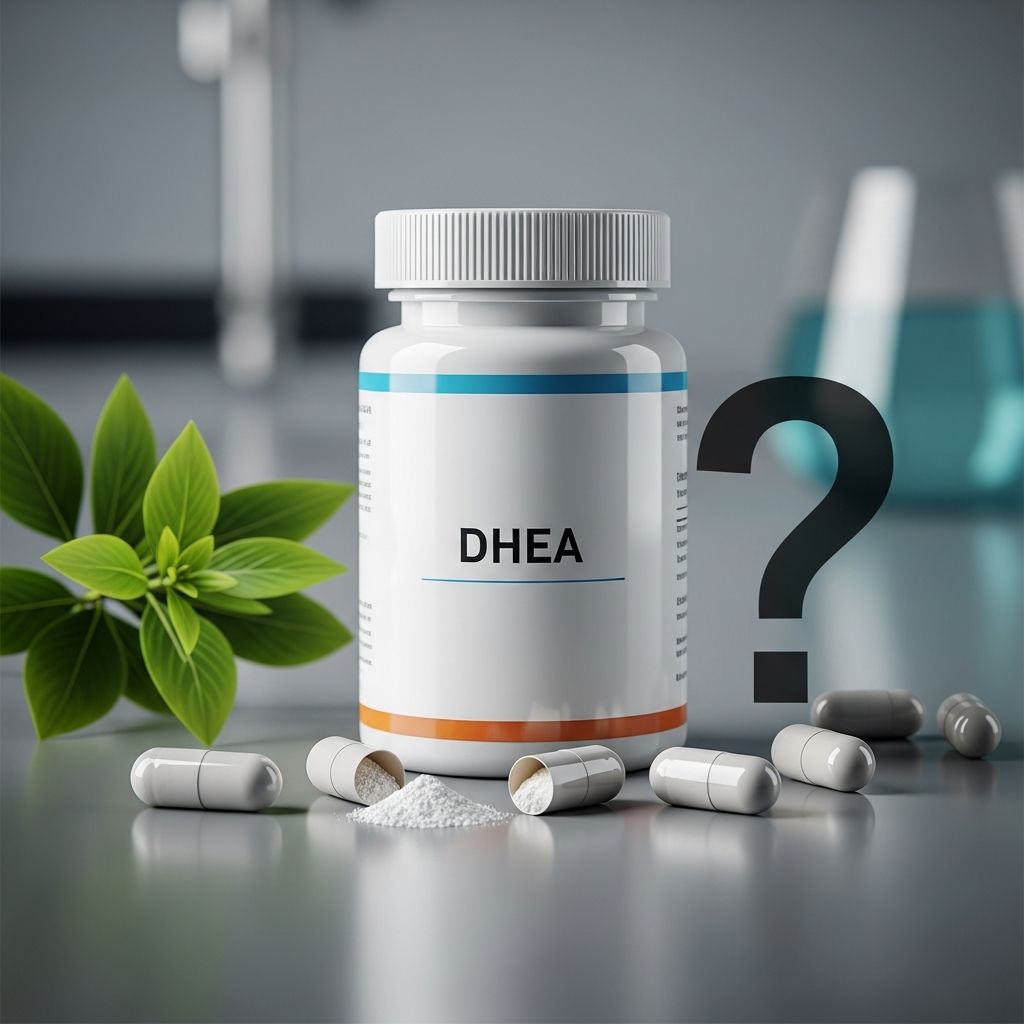
Dehydroepiandrosterone (DHEA) is a hormone naturally produced by the adrenal glands. As people age, DHEA levels gradually decline, leading many individuals to seek DHEA supplements in hopes of reversing age-related changes and improving various health conditions. However, the question remains: are these supplements truly safe and effective, or are they simply another health trend with limited scientific backing?
This comprehensive guide examines the current evidence on DHEA supplementation, explores potential benefits and risks, and helps you understand whether this supplement might be appropriate for your specific health situation.
What Is DHEA?
DHEA is a steroid hormone produced by the adrenal glands, which sit on top of the kidneys. Your body uses DHEA as a precursor to create other hormones, including estrogen and testosterone. Peak DHEA levels typically occur in your late 20s, after which they decline steadily with age. By age 70, DHEA levels are typically only 10 to 20 percent of what they were at their peak.
Because DHEA levels decrease with age and some research suggests connections between low DHEA and age-related health problems, manufacturers began producing DHEA supplements. These supplements are sold over-the-counter as dietary supplements and are available without a prescription in the United States.
Claimed Benefits of DHEA Supplements
Proponents of DHEA supplementation claim the hormone can provide numerous benefits, including:
- Improved mood and mental clarity
- Increased energy and reduced fatigue
- Enhanced sexual function
- Better bone health and reduced osteoporosis risk
- Improved skin quality and appearance
- Slowed aging process
- Weight management and muscle building
- Improved immune function
However, the scientific evidence supporting most of these claims remains limited or inconclusive.
What the Research Shows
Limited Evidence for Most Conditions
Despite decades of research, evidence for DHEA’s effectiveness remains surprisingly weak. A randomized controlled trial found that after three months of treatment with 50 mg of DHEA daily, DHEA sulfate blood levels tripled, but there was no measurable improvement in well-being, pain, fatigue, cognitive function, or depression compared to placebo. The only notable finding was an increase in androgenic side effects such as greasy skin, acne, and increased body hair growth.
DHEA has been studied for numerous conditions, including depression, osteoporosis, lupus, and age-related changes, but the evidence supporting its use remains limited or unproven for most applications.
Specific Conditions Where Some Evidence Exists
Adrenal Insufficiency: DHEA may help reduce symptoms in people with adrenal insufficiency, a condition where the adrenal glands produce insufficient steroid hormones. However, the side effects can be substantial, and more research is needed.
Anorexia Nervosa: A small study of 26 people with anorexia nervosa found that those taking 100 mg of DHEA for six months experienced increases in body mass index and improvements in mood, though this research is limited in scope.
HIV: Some research has suggested potential benefits for people with HIV, but researchers have not recommended DHEA for routine use as an additional therapy.
Related Stories



Sexual Dysfunction: Some evidence suggests DHEA may help with sexual dysfunction, though more rigorous studies are needed to confirm effectiveness.
Safety Concerns and Side Effects
Common Side Effects
DHEA supplementation can produce various side effects, with differences between men and women due to how the body converts DHEA into sex hormones.
Side effects in women include:
- Oily skin and acne
- Facial hair growth (hirsutism)
- Deepening of the voice
- Weight gain around the waist
- Male pattern baldness
- Changes in menstrual cycles
- Hair loss
Side effects in men include:
- High testosterone levels
- Testicular shrinkage
- Male pattern baldness
- Anger and aggression
- Breast enlargement
- Reduced sperm production
Side effects in both sexes may include:
- High blood pressure
- Upset stomach
- Headaches
- Insomnia
- Nasal congestion
- Rapid or irregular heartbeat
- Fatigue
Serious Health Risks
Beyond common side effects, DHEA supplementation carries more serious potential risks that warrant careful consideration.
Cancer Risk: Perhaps the most concerning risk involves cancer. Because DHEA is converted into estrogen and testosterone in the body, it may increase the risk of hormone-sensitive cancers, including breast cancer, ovarian cancer, and prostate cancer. While some women believe DHEA doesn’t carry the same cancer risk as traditional hormone replacement therapy, the actual relationship between DHEA and cancer risk remains unclear and poorly understood.
Cardiovascular Effects: DHEA can lower HDL (high-density lipoprotein), known as “good cholesterol,” which normally protects against cardiovascular disease. This reduction in protective cholesterol combined with elevated blood pressure could negatively impact heart health.
Hormonal Imbalances: DHEA alters complex hormonal pathways by binding to androgen and estrogen receptors throughout the body. This disruption can worsen existing hormonal conditions such as polycystic ovary syndrome (PCOS) and endometriosis in women.
Liver Injury: There is potential for liver damage with DHEA supplementation, though serious liver problems appear relatively rare.
Mental Health: DHEA may worsen psychiatric symptoms, particularly mania and other mood disorders.
Blood Sugar: In people with diabetes, DHEA can increase insulin resistance and affect blood glucose levels, potentially worsening diabetes management.
Regulatory Status and Quality Concerns
An important consideration is how DHEA supplements are regulated. The FDA has approved only one form of DHEA (prasterone vaginal inserts) specifically to treat menopause symptoms. Most DHEA supplements sold over-the-counter are classified as dietary supplements rather than drugs, meaning they are not subject to the same rigorous FDA approval and quality control processes as pharmaceuticals.
This regulatory difference means that DHEA supplements may contain unlisted ingredients, vary in potency between brands or even batches, and may not contain the amount of DHEA claimed on the label. The quality and purity of products available for purchase is not always consistent. This lack of standardization makes it difficult for consumers to know exactly what they’re taking.
Who Should Not Take DHEA
Certain populations should avoid DHEA supplements entirely due to safety concerns:
- Children and adolescents
- Pregnant women or those breastfeeding
- People with cancer or a history of cancer
- People with high risk of hormone-sensitive cancers (breast, ovarian, prostate, uterine)
- Women with polycystic ovarian syndrome (PCOS)
- People with psychiatric disorders, especially those involving mania
- People with heart disease or stroke
- People with liver disease
- People with high cholesterol
- People with bleeding disorders
- People with benign prostatic hyperplasia (BPH)
- People taking immunosuppressants
Additionally, people under age 40 should consult with a healthcare provider before considering DHEA, as it is not generally recommended for this age group.
Drug and Supplement Interactions
DHEA can interact with various medications, potentially reducing their effectiveness or increasing side effects. People taking the following should avoid DHEA:
- Lithium and phenothiazines (used for mental health conditions)
- Anti-seizure medications (carbamazepine, valproic acid)
- Bacillus Calmette-Guérin (BCG) vaccine
- Sedatives (such as triazolam)
DHEA and Athletic Performance
One important consideration for athletes: DHEA is classified as an anabolic steroid and is considered a banned substance by college and professional sports organizations. Athletes taking DHEA supplements risk violating anti-doping regulations and facing disciplinary action, regardless of whether they’re using it for athletic performance or general health purposes.
Dosage Considerations
Research studies have used various dosages of DHEA, typically ranging from 25 to 200 mg daily. However, there is no established safe or effective dosage, and higher doses are associated with greater risk of side effects. The lack of standardization in both dosage recommendations and product quality creates additional uncertainty for consumers considering DHEA supplementation.
Is Daily DHEA Use Safe?
Despite the interest in DHEA supplementation, there is no clear scientific consensus on whether taking DHEA daily is safe, particularly for people whose DHEA levels are already within the normal range. The primary reason for this uncertainty is that scientific evidence on long-term daily use remains mixed and incomplete. Experts caution that we don’t know enough about the long-term effects of chronically elevated hormone levels.
Frequently Asked Questions
Q: Can DHEA supplements help with weight loss?
A: While weight loss is claimed as a benefit of DHEA, scientific evidence supporting this use is limited. Weight gain around the waist is actually a reported side effect in women taking DHEA.
Q: Will DHEA supplements help me look younger?
A: Evidence that DHEA supplements could help stave off age-related changes is weak or unproven, and may instead cause side effects like reduced HDL cholesterol and heart palpitations.
Q: Are there natural ways to increase DHEA levels?
A: While some lifestyle factors like exercise and stress reduction may support healthy DHEA levels, there are no proven dietary sources or natural supplements that significantly increase DHEA.
Q: Should I get my DHEA levels tested?
A: If you’re considering DHEA supplementation, consulting with your healthcare provider for DHEA level testing is advisable. They can assess your individual levels and determine whether supplementation is appropriate for your specific situation.
Q: What should I do if I’m already taking DHEA?
A: Discuss your DHEA use with your doctor. They can evaluate whether continued use is appropriate, monitor for side effects, and determine if the supplement is truly benefiting your health.
What the Experts Recommend
Health experts generally advise caution regarding DHEA supplementation. The consensus is that more high-quality research is needed to establish the safety and effectiveness of DHEA, particularly for long-term use. Rather than self-supplementing based on marketing claims, individuals interested in DHEA should work with healthcare providers who can:
- Test their current DHEA levels
- Evaluate their individual health risks and conditions
- Discuss whether supplementation is appropriate
- Monitor for side effects if supplementation is recommended
- Assess whether the supplement is actually providing benefits
Bottom Line
DHEA supplements remain controversial, with benefits largely unproven and risks well-documented. While DHEA is a naturally occurring hormone, supplementing beyond the body’s natural production introduces hormonal imbalances and potential health risks that aren’t justified by strong evidence of benefit for most people.
For most healthy individuals, the current evidence does not support routine DHEA supplementation. The potential risks—including hormonal imbalances, cancer risk, cardiovascular effects, and psychiatric symptoms—outweigh the largely unproven benefits in well-designed clinical trials.
If you’re considering DHEA supplementation for any reason, the most prudent approach is to consult with your healthcare provider first. They can help you weigh the specific risks and benefits for your individual situation, test your DHEA levels if appropriate, and monitor your health if you decide to proceed with supplementation.
References
- DHEA Supplements for Women: Benefits & Safety — BuzzRx. 2025. https://www.buzzrx.com/blog/dhea-supplements
- A Randomized Controlled Trial of Dehydroepiandrosterone — National Center for Biotechnology Information (PubMed). 2005. https://pubmed.ncbi.nlm.nih.gov/15996074/
- DHEA Supplements: Health Benefits, Uses, and Side Effects — WebMD. 2025. https://www.webmd.com/diet/dhea-supplements
- Dehydroepiandrosterone (DHEA): Uses, Side Effects, and Interactions — Medical News Today. 2024. https://www.medicalnewstoday.com/articles/308684
Similar Articles








Read full bio of Sneha Tete