Diabetes and Eating Disorders: The Hidden Link
Uncovering the complex interplay between diabetes management and eating disorders, with risks, symptoms, and strategies for support.
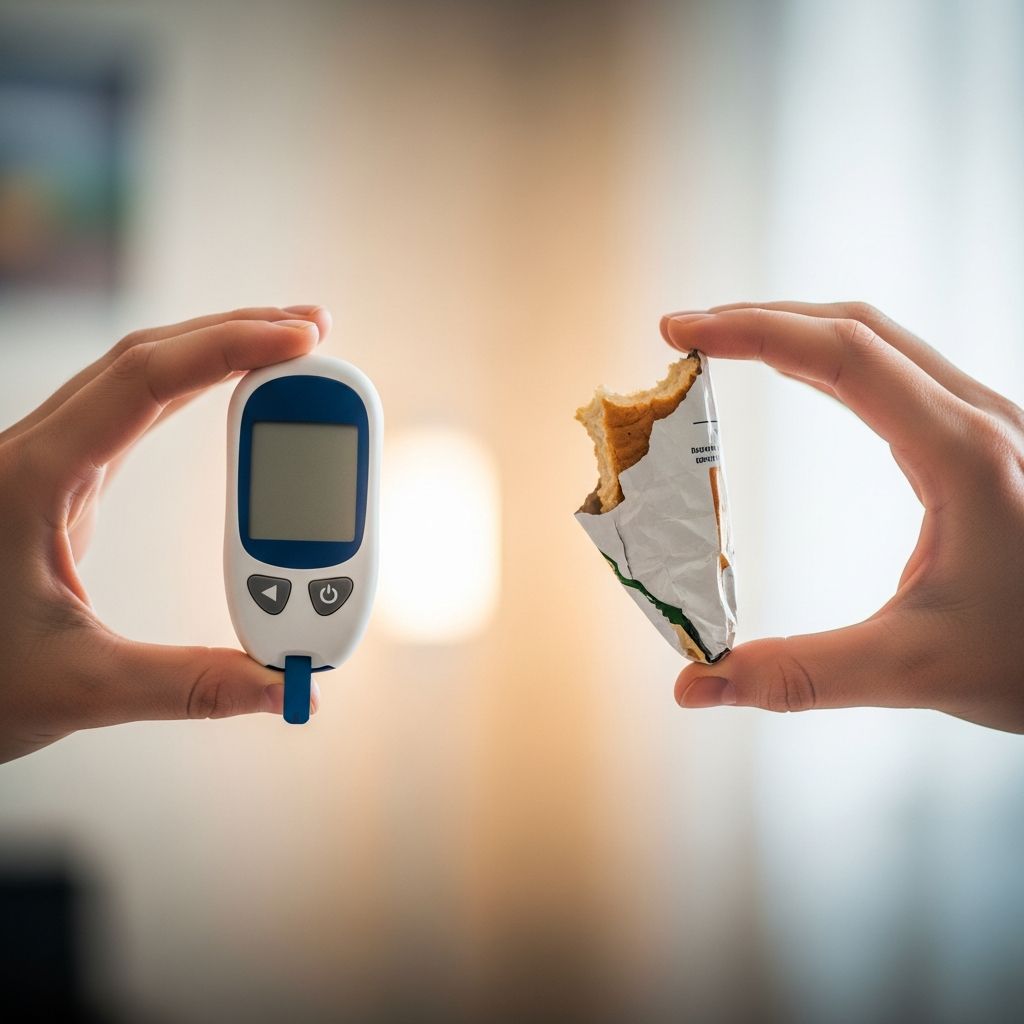
Individuals with diabetes face a significantly elevated risk of developing eating disorders (EDs), particularly those with type 1 diabetes mellitus (T1DM), where the prevalence can be up to twice that of the general population. This intersection leads to poorer glycemic control, increased complications, and higher mortality rates, necessitating early screening and integrated care.
What is the link between diabetes and eating disorders?
The relationship between diabetes and eating disorders is bidirectional and complex, varying by diabetes type. In T1DM, an autoimmune condition requiring lifelong insulin therapy, the emphasis on dietary control, carbohydrate counting, and weight management heightens vulnerability to disordered eating. Research indicates that 9-40% of people with diabetes exhibit ED symptoms, with insulin restriction—a unique behavior known as diabulimia—affecting up to 60% in some studies.
For type 2 diabetes (T2DM), binge eating disorder (BED) often precedes the diagnosis, contributing to obesity and insulin resistance through cycles of overeating and hyperglycemia. Unlike T1DM, where EDs may develop post-diagnosis due to management burdens, T2DM patients show similar ED prevalence but different distributions, with BED being prominent.
- Type 1 Diabetes: Insulin promotes weight gain by stimulating lipogenesis and slowing metabolism, leading some to omit doses for weight loss, risking diabetic ketoacidosis (DKA).
- Type 2 Diabetes: Disordered eating like bingeing exacerbates metabolic issues, potentially causing or worsening insulin resistance.
Meta-analyses confirm T1DM patients have higher ED risks, especially bulimia nervosa (BN) and BED, though anorexia nervosa (AN) shows no significant link.
Why are people with diabetes at higher risk of eating disorders?
Diabetes management demands constant vigilance over food, exercise, and blood glucose, fostering body dissatisfaction and perfectionism. In T1DM, intensive insulin therapy—proven effective in trials like the Diabetes Control and Complications Trial—often leads to weight gain, prompting insulin misuse.
Females with T1DM are particularly vulnerable, with nearly 30% intentionally manipulating insulin doses. Other factors include:
- Psychological stress from chronic illness and fear of complications.
- Fixation on food due to carb counting and meal planning.
- Social pressures for thinness, amplified by visible weight changes.
Studies show no difference in ED symptoms like body dissatisfaction between diabetic and non-diabetic ED patients, but diabetes adds unique risks like microvascular complications from insulin omission.
Types of eating disorders linked to diabetes
| Eating Disorder | Prevalence in Diabetes | Key Features in Diabetes Context |
|---|---|---|
| Bulimia Nervosa (BN) | Significantly higher in T1DM | Binge-purge cycles; insulin omission to purge calories. |
| Binge Eating Disorder (BED) | Precedes T2DM; elevated in both | Recurrent binges without purging, leading to obesity and poor control. |
| Anorexia Nervosa (AN) | No significant association | Rare; restriction compounded by insulin needs. |
| Diabulimia (Insulin Restriction) | Up to 60% in T1DM females | Intentional underdosing/omission for weight loss; 3-fold mortality increase. |
Related Stories



Disordered eating behaviors (DEBs) like excessive exercise or diuretic use also rise, though not always statistically significant.
Diabulimia: A diabetes-specific eating disorder
Diabulimia, or ED-DMT1, involves deliberate insulin omission to lose weight, exploiting insulin’s anabolic effects. It’s not in the DSM-5 but recognized clinically, with signs including high HbA1c (>9%), unexplained weight loss, frequent DKA, and infections.
Risks are devastating: life-threatening DKA, earlier complications, and tripled mortality. Females predominate, with studies reporting 30% prevalence. Unlike other EDs, diabulimia ties directly to diabetes management failures.
How does an eating disorder affect diabetes management?
EDs sabotage glycemic control. Insulin restriction causes hyperglycemia and ketosis; bingeing leads to erratic sugars. Co-occurrence yields:
- Poorer HbA1c and higher emergency visits.
- Increased retinopathy, neuropathy, and nephropathy.
- Worse treatment adherence and outcomes.
In T2DM, BED precedes and worsens obesity, complicating oral agents.
Signs and symptoms of eating disorders in people with diabetes
Overlap with diabetes symptoms complicates detection. Watch for:
- Physical: Rapid weight loss/gain, high/low blood sugar, DKA episodes, electrolyte imbalances.
- Behavioral: Skipping insulin, secretive eating, excessive exercise, food rituals.
- Psychological: Body image distress, anxiety around meals, perfectionism.
Questionnaires like DM-validated tools reveal higher ED rates in T1DM.
Diagnosis and screening
Screen proactively using validated tools (e.g., SCOFF, EDI-3) at diabetes visits. Subgroup analyses show consistent T1DM-ED links regardless of questionnaire type. Multidisciplinary teams—including endocrinologists, psychologists, and dietitians—are essential.
Treatment approaches
Integrated care combines diabetes and ED therapies:
- Medical: Stabilize glucose, monitor complications.
- Psychological: CBT, family-based therapy; address diabulimia specifically.
- Nutritional: Flexible meal plans reducing food fixation.
- Pharmacological: Antidepressants if comorbid; insulin pumps for adherence.
Early intervention prevents mortality; tailored programs improve outcomes.
Support and resources
- National Eating Disorders Association (NEDA) for helplines and education.
- Diabetes organizations like ADA for dual-diagnosis guides.
- Specialized clinics for ED-DMT1.
- Peer support groups addressing burnout and coping.
Family involvement aids recovery, countering isolation.
Frequently Asked Questions (FAQs)
What is diabulimia?
Diabulimia is the intentional omission or reduction of insulin in T1DM patients to lose weight, leading to severe health risks like DKA and high mortality.
Are eating disorders more common in type 1 or type 2 diabetes?
Both show elevated rates, but T1DM has higher BN and insulin misuse; BED often precedes T2DM.
Can eating disorders cause diabetes?
In T2DM, yes—BED contributes to obesity and insulin resistance; in T1DM, diabetes precedes EDs.
How is diabulimia treated?
Through multidisciplinary care: psychotherapy, nutritional counseling, medical stabilization, and family support.
What should I do if I suspect an eating disorder with diabetes?
Consult a healthcare provider immediately for screening and referral to specialists.
References
- Association Between Type 1 Diabetes Mellitus and Eating Disorders — Colomer et al., PMC. 2024-04-01. https://pmc.ncbi.nlm.nih.gov/articles/PMC11005101/
- Comorbidity of Diabetes and Eating Disorders — Diabetes Care Journal. 1998-07-01. https://diabetesjournals.org/care/article/21/7/1110/21802/Comorbidity-of-Diabetes-and-Eating-Disorders-Does
- The Intersection of Diabetes and Eating Disorders — PubMed Central. 2024-01-01. https://pmc.ncbi.nlm.nih.gov/articles/PMC12413400/
- Eating Disorders and Diabetes — National Eating Disorders Collaboration (NEDC). 2023-01-01. https://nedc.com.au/eating-disorders/other-learning/eating-disorders-and-diabetes
- Why Diabetes and Eating Disorders Are Linked — The Diabetes Link. 2023-01-01. https://thediabeteslink.org/peer-perspectives/why-diabetes-and-eating-disorders-are-linked/
- Eating Disorders and Diabetes — National Eating Disorders Association. 2023-01-01. https://www.nationaleatingdisorders.org/eating-disorders-and-diabetes/
Similar Articles








Read full bio of Sneha Tete