Diabetes And Ramadan: Safe Fasting Guide With Medication Tips
Essential guidance for safely managing diabetes while fasting during Ramadan, including risk assessment, medication adjustments, and monitoring tips.

Managing diabetes during Ramadan requires careful planning to balance spiritual observation with health safety. Fasting from dawn (suhoor) to sunset (iftar) can last 10-21 hours in the UK, posing risks like hypoglycaemia and hyperglycaemia for people with diabetes. This guide draws from official recommendations to help you fast safely if appropriate.
Can you fast during Ramadan if you have diabetes?
Yes, many people with diabetes can fast during Ramadan under certain conditions, but it depends on your health status, diabetes type, treatment, and risk level. Islam permits exemptions for those with illness, including diabetes, emphasizing health preservation over fasting obligation. Consult your healthcare team 4-6 weeks before Ramadan for personalized advice. Recent studies show that with proper education, medication adjustments, and monitoring, fasting can be safe even for some on insulin.
Risk assessment: Who should and shouldn’t fast
Healthcare professionals use the International Diabetes Federation (IDF) risk stratification to categorize patients. Pre-Ramadan assessment is crucial to determine suitability.
| Risk Category | Description | Recommendation |
|---|---|---|
| Very High Risk | History of severe hypoglycaemia, ketoacidosis, type 1 diabetes with recurrent issues, CKD stage 4/5, or uncontrolled hyperglycaemia (>10% HbA1c). | Strongly advised not to fast. |
| High Risk | Moderate hypoglycaemia history, CKD 3, uncontrolled T2D on multiple agents, pregnancy, or comorbidities like macrovascular disease. | Discouraged; individual assessment needed. |
| Moderate/Low Risk | Well-controlled diabetes on diet/metformin/SGLT2i/GLP-1RA, stable T1D on basal-bolus. | Fasting possible with adjustments. |
Additional factors: Age >70, recent illness (e.g., COVID-19 symptoms), or poor baseline control increase risks. If symptoms like dehydration or infection arise, break the fast immediately.
Medication adjustments for fasting
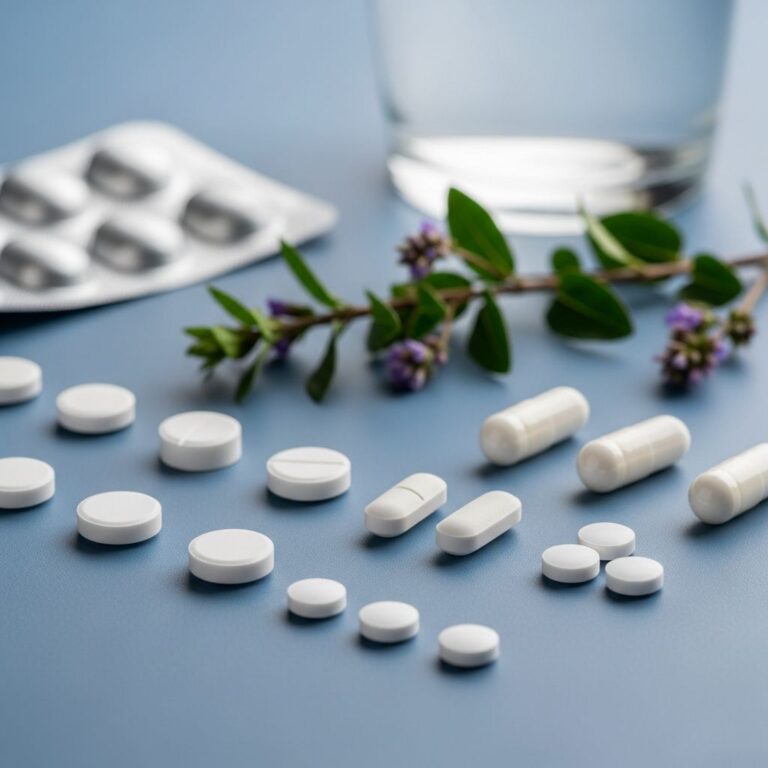
Doses and timings must change to prevent hypo/hyperglycaemia. Switch to safer agents where possible, e.g., gliclazide over glibenclamide.
Oral medications
- Metformin: Daily dose unchanged. Immediate release: Take at iftar (OD/BD) or suhoor/iftar (TDS). Prolonged release: At iftar.
- Sulphonylureas (SU): Use gliclazide. OD at iftar (reduce if good control). BD: Full iftar dose, reduce suhoor by 25-50%. Monitor 2-4x/day initially.
- SGLT2 inhibitors: No change, take at iftar. Emphasize hydration (2-3L fluids non-fasting hours).
- DPP-4 inhibitors/GLP-1 agonists: Continue usual dose/timing; low hypo risk.
Insulin adjustments
Switch to analogues if possible. Reduce doses to avoid hypoglycaemia.
- Basal insulin (long/intermediate): OD: Reduce 15-30%, take at iftar. BD: Usual morning dose at iftar, evening dose at suhoor reduced 50%.
- Prandial/bolus insulin: Normal iftar dose, omit lunch, suhoor dose 25-50% reduction. Titrate every 3 days based on BG.
- Premixed: OD at iftar. BD: Higher dose at iftar, lower/reduced at suhoor. TDS: Omit afternoon.
- Insulin pump: High-risk; specialist input. Basal reduce 20-40% last 3-4hrs fast, bolus normal carb counting.
For COVID-19 or illness, follow sick-day rules: Maintain insulin, monitor BG/ketones, hydrate.
Blood glucose monitoring during Ramadan
Monitor at least 4 times daily: suhoor, 2hrs into fast, pre-iftar, 2hrs post-iftar. More if symptomatic or unwell (every 4-6hrs).
Related Stories



- Break fast if BG <3.9 mmol/L or >16.6 mmol/L, even without symptoms.
- For insulin/SU users: Don’t start fast if suhoor BG <3.9 mmol/L.
- Check ketones if type 1 or hyperglycaemia.
Flash glucose monitoring aids safety without increased risks when combined with education.
Nutrition and hydration plan
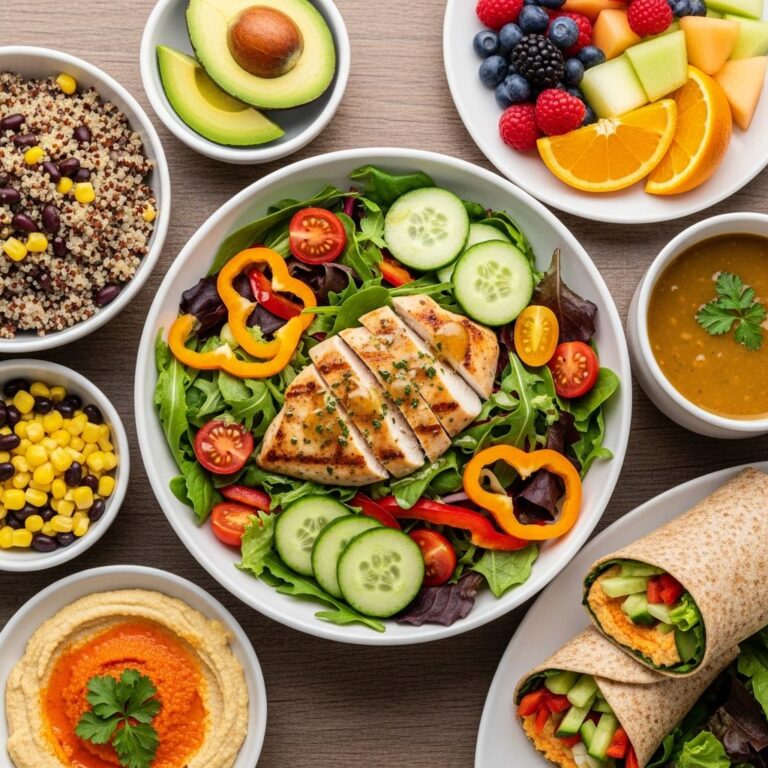
Avoid large, sugary iftar meals. Focus on low-GI, balanced intake: 45-50% carbs, 20-30% protein, <35% fat.
- Suhoor (pre-dawn): Late as possible. High fibre/protein (oats, eggs, nuts, yogurt) for satiety, slow-release carbs.
- Iftar (sunset): Start with dates/water, then balanced meal: veggies, lean protein, whole grains. Avoid fried/sugary foods.
- Hydration: 2-3L water/unsweetened drinks between iftar-suhoor. Dehydration risks AKI, worsens with infections.
During prolonged fasts, body shifts to fat breakdown later, increasing DKA risk if uncontrolled.
When to break the fast
Prioritize health: Break immediately for hypoglycaemia symptoms (shakiness, confusion), hyperglycaemia (>16.6 mmol/L), dehydration, illness, or BG thresholds.
- Symptoms of hypo/hyper, acute illness, COVID-19 signs (fever, cough).
- Persistent vomiting/diarrhoea, inability to eat/drink post-iftar.
- Ketones present with high BG.
Treat hypo with fast-acting carbs (juice, glucose tabs), recheck BG. Consult team if recurring.
Special considerations
- Type 1 diabetes: Higher risk; basal-bolus preferred, close monitoring. Studies show stable control possible with adjustments.
- Pregnancy/Gestational diabetes: High risk; generally avoid fasting.
- Children/Elderly: Assess individually; often not advised.
- Exercise: Avoid strenuous during fast; light post-iftar.
- Post-Ramadan: Gradually normalize routine; monitor for weight gain.
Pre-Ramadan preparation
Schedule review 4-6 weeks prior: HbA1c, risk score, education on adjustments, CGM trial. Resources from Diabetes UK, NHS.
Frequently Asked Questions (FAQs)
What if I get COVID-19 symptoms while fasting?
Break the fast immediately, monitor BG/ketones every 4-6hrs, hydrate, follow sick-day rules.
How often should I check blood sugar?
At least 4x/day: suhoor, mid-fast, pre-iftar, post-iftar. More if symptomatic.
Can I fast on insulin?
Possible for low/moderate risk with dose reductions (15-50%) and monitoring; consult specialist.
What foods for suhoor?
Protein/fibre-rich: porridge, eggs, cheese, nuts to prevent late-day hypo.
Is fasting safe for type 2 on metformin only?
Usually yes, with hydration; stop if dehydrated or eGFR drops.
References
- Summary fasting guidelines for Diabetes during Ramadan — NHS England Midlands. 2020-11. https://www.england.nhs.uk/midlands/wp-content/uploads/sites/46/2020/11/SWBCCG-Summary-Guidance-Diabetes-Ramadan-V1.pdf
- Managing People with Diabetes Fasting for Ramadan During the COVID-19 Pandemic — PMC (Wiley). 2020-05-22. https://pmc.ncbi.nlm.nih.gov/articles/PMC7267620/
- How to manage diabetes during Ramadan — ABCD (Association of British Clinical Diabetologists). 2020. https://abcd.care/sites/default/files/site_uploads/Resources/COVID-19/how-manage-diabetes-during-ramadan.pdf
- Ramadan and Diabetes — TREND-UK. 2024-01. https://trenddiabetes.online/wp-content/uploads/2024/01/A5_Ramadan_TREND.pdf
Similar Articles








Read full bio of Sneha Tete