Diabetes: What It Is, Causes, Symptoms, Treatment & Types
Complete guide to understanding diabetes, its causes, symptoms, and evidence-based treatment options.
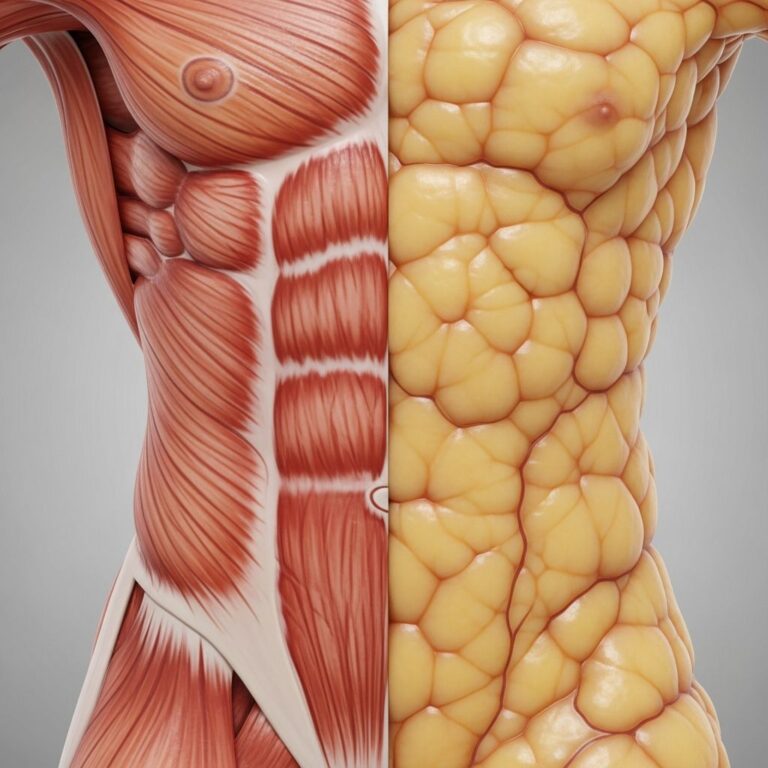
Understanding Diabetes
Diabetes is a chronic metabolic condition that develops when your blood sugar (glucose) levels become too high. This occurs when your pancreas either doesn’t produce enough insulin or doesn’t produce any insulin at all, or when your body cannot use the insulin it produces effectively.[10] Insulin is a critical hormone that regulates blood glucose levels by allowing cells to absorb glucose from the bloodstream for energy or storage. When this process malfunctions, glucose accumulates in the blood, leading to diabetes and its associated complications.
Understanding diabetes is essential for millions of people worldwide who are affected by this condition. According to diabetes management guides, being diagnosed with diabetes raises many questions, and it’s important to learn all you can about the disease and what you can do to manage it effectively. The condition affects how your body processes blood sugar, and without proper management, it can lead to serious health complications affecting multiple organ systems.
Types of Diabetes
Diabetes exists in several distinct forms, each with different causes and management approaches:
Type 1 Diabetes
Type 1 diabetes occurs when the pancreas fails to produce sufficient insulin or any insulin at all. This autoimmune condition typically develops in children and young adults, though it can occur at any age. In Type 1 diabetes, the body’s immune system attacks the insulin-producing beta cells in the pancreas, destroying them permanently. This means individuals with Type 1 diabetes require lifelong insulin therapy to survive.
Type 2 Diabetes
Type 2 diabetes develops when your body can’t use insulin properly and/or doesn’t make enough of it, leading to high blood sugar. This is the most common form of diabetes, accounting for the majority of diabetes cases worldwide. In Type 2 diabetes, the pancreas produces insulin, but the body develops insulin resistance, meaning cells don’t respond appropriately to insulin signals. Over time, the pancreas may produce less insulin, compounding the problem.
Gestational Diabetes
Gestational diabetes occurs during pregnancy when a woman’s blood sugar levels become elevated. This condition develops in women who previously had normal blood sugar levels and typically resolves after delivery. However, women who experience gestational diabetes have an increased risk of developing Type 2 diabetes later in life.
Other Types
Secondary forms of diabetes can result from specific medical conditions, medications, or other causes. These include neonatal diabetes, secondary diabetes from pancreatitis or cystic fibrosis, and diabetes caused by certain medications or hormonal disorders.
Causes and Risk Factors
The development of diabetes involves complex interactions between genetic predisposition and environmental factors. Understanding these risk factors is crucial for prevention and early intervention.
Genetic Factors
Family history significantly increases diabetes risk. If parents or siblings have diabetes, your likelihood of developing the condition is substantially higher. Certain genetic variations predispose individuals to both Type 1 and Type 2 diabetes.
Lifestyle Factors
Related Stories



Several modifiable lifestyle factors contribute to diabetes development:
- Obesity and excess weight
- Physical inactivity and sedentary behavior
- Poor dietary habits high in processed foods and added sugars
- Insufficient sleep and circadian rhythm disruption
- Chronic stress
- Tobacco and alcohol use
Health Conditions
Certain medical conditions increase diabetes risk, including hypertension, high cholesterol, polycystic ovary syndrome (PCOS), and previous gestational diabetes. These conditions often cluster together, creating a higher metabolic risk profile.
Age and Demographics
Type 2 diabetes risk increases with age, though it’s increasingly diagnosed in younger populations. Certain ethnic groups, including African Americans, Hispanic Americans, Native Americans, and Asian Americans, have higher diabetes prevalence rates.
Symptoms of Diabetes
Diabetes symptoms can develop gradually, and some people may not recognize them initially. Common signs include:
- Increased thirst (polydipsia)
- Frequent urination, especially at night (nocturia)
- Extreme fatigue and weakness
- Unexplained weight loss (particularly in Type 1 diabetes)
- Blurred vision
- Slow-healing cuts and sores
- Tingling or numbness in hands and feet
- Recurring infections, particularly yeast infections
- Irritability or mood changes
- Fruity-smelling breath (in severe Type 1 diabetes)
Type 2 diabetes often develops without noticeable symptoms, which is why regular screening is important for at-risk individuals.
Complications of Diabetes
Without proper management, diabetes can lead to serious short-term and long-term complications affecting multiple body systems.
Short-Term Complications
Acute complications can develop rapidly and require immediate medical attention:
- Diabetic ketoacidosis (DKA) – primarily in Type 1 diabetes
- Hyperosmolar hyperglycemic state (HHS) – primarily in Type 2 diabetes
- Severe hypoglycemia (low blood sugar)
- Hyperglycemic emergencies
Long-Term Complications
Chronic complications develop over time and affect various organs:
Cardiovascular Disease: Diabetes significantly increases the risk of heart disease and stroke. High blood sugar damages blood vessel walls and accelerates atherosclerosis development.
Nephropathy (Kidney Disease): Diabetes is a leading cause of kidney failure, requiring dialysis or transplantation. High blood sugar damages the kidney’s filtering units.
Retinopathy (Eye Disease): Diabetic retinopathy can lead to vision loss and blindness if untreated. Elevated glucose damages blood vessels in the retina.
Neuropathy (Nerve Damage): Peripheral neuropathy causes pain, numbness, and weakness in extremities. Autonomic neuropathy affects internal organ function.
Foot Complications: Poor circulation and nerve damage increase risk of foot ulcers, infections, and potential amputation. Dental disease is also more common in individuals with diabetes.
Diagnosis and Testing
Several diagnostic tests can identify diabetes and assess glucose control:
Fasting Blood Glucose Test
Measures blood sugar after 8+ hours without food. A level of 126 mg/dL or higher on two separate occasions indicates diabetes.
Hemoglobin A1C Test
Reflects average blood sugar over the previous 2-3 months. An A1C of 6.5% or higher indicates diabetes. This test doesn’t require fasting.
Random Blood Sugar Test
Measures blood glucose at any time of day. A level of 200 mg/dL or higher with symptoms suggests diabetes.
Oral Glucose Tolerance Test
Used primarily for gestational diabetes screening. Involves drinking a glucose solution and measuring blood sugar response over time.
Continuous Glucose Monitoring (CGM)
Wearable devices that track glucose levels throughout the day, providing real-time data and patterns. Cleveland Clinic’s Diabetes Center offers diagnostic CGM evaluation for patients requiring detailed glucose monitoring.
Treatment and Management
Effective diabetes management requires a comprehensive, individualized approach combining lifestyle modifications, monitoring, medications, and education.
Lifestyle Modifications
Nutrition: The best meal plan for diabetes includes foods and flavors you enjoy, fits into your lifestyle, and helps you manage blood sugar levels. Focus on balanced meals with appropriate carbohydrate portions, lean proteins, healthy fats, and abundant vegetables. Working with a registered dietitian can optimize nutritional strategies.
Physical Activity: Regular exercise improves insulin sensitivity and helps maintain healthy weight. Aim for 150 minutes of moderate-intensity aerobic activity weekly, plus resistance training 2-3 times per week.
Weight Management: Even modest weight loss (5-10% of body weight) significantly improves blood sugar control and reduces diabetes complications risk.
Stress Management: Chronic stress elevates cortisol and blood glucose. Incorporate stress-reduction techniques like meditation, yoga, or mindfulness practices.
Blood Sugar Monitoring
Regular monitoring helps identify patterns and guide treatment adjustments. Methods include:
- Self-monitoring blood glucose (SMBG) using fingerstick testing
- Continuous glucose monitors (CGM) for real-time data
- Regular A1C testing every 3-6 months
Medications
Type 1 diabetes requires insulin therapy. Cleveland Clinic offers comprehensive insulin instruction and blood glucose monitoring education. Multiple insulin types and delivery methods (injections, pumps) are available.
Type 2 diabetes medications include:
- Metformin (first-line agent)
- Sulfonylureas
- DPP-4 inhibitors
- GLP-1 receptor agonists
- SGLT2 inhibitors
- Thiazolidinediones
- Combination medications
Insulin Pump Therapy
Insulin pumps deliver insulin continuously and allow for flexible dosing. Cleveland Clinic’s Diabetes Center provides insulin pump classes and initiation, covering benefits, limitations, and types of pumps and infusion sets.
Comprehensive Diabetes Care at Cleveland Clinic
Cleveland Clinic’s Diabetes Center provides multidisciplinary care combining expertise from endocrinologists, diabetes educators, pharmacists, and nurse practitioners. The comprehensive approach includes:
Diabetes Education Programs
Comprehensive diabetes education classes cover eating healthfully, being physically active, monitoring blood sugars and interpreting results, taking medications safely, reducing risk of complications, and setting personal goals for managing diabetes.
Specialized Clinics
- Comprehensive Diabetes Clinic: Individualized 2-2.5 hour sessions with endocrinologists, pharmacists, and diabetes care specialists
- Type 1 Transition Clinic: For young adults transitioning from pediatric to adult care
- Gestational Diabetes Clinic: Individual visits helping pregnant women control blood sugars safely
- Intensive Diabetes Care: For patients with Type 2 diabetes requiring frequent medication adjustments
- Weight Management Program: Group classes teaching healthy eating with focus on practical strategies
Advanced Technology Support
Cleveland Clinic offers CGM shared medical appointments (SMAs) combining classroom education with hands-on device training and pharmacist-led follow-up. Optional exercise training and e-coaching with endocrinology exercise physiologists support comprehensive management.
Prevention Strategies
For individuals at risk of Type 2 diabetes, prevention is highly effective:
- Maintain healthy weight through balanced nutrition and regular physical activity
- Reduce refined carbohydrate and added sugar consumption
- Increase fiber intake from whole grains, vegetables, and legumes
- Limit processed foods, saturated fats, and sodium
- Exercise regularly and reduce sedentary time
- Manage stress effectively
- Get adequate sleep (7-9 hours nightly)
- Monitor blood sugar regularly if at high risk
- Attend preventive health screenings
Living Well With Diabetes
Successful diabetes management requires ongoing education, self-monitoring, and lifestyle commitment. Dental care becomes especially important, requiring visits every six months with immediate reporting of any bleeding gums, loose teeth, or mouth sores. Regular eye exams, foot inspections, and cardiovascular monitoring help prevent complications.
Working with a dedicated healthcare team, including your primary care physician and endocrinology specialists, ensures you receive personalized, evidence-based care. Cleveland Clinic’s electronic medical record system allows your primary care doctor to receive online reports of your treatment progress, maintaining coordinated care.
Frequently Asked Questions
Q: What is the difference between Type 1 and Type 2 diabetes?
A: Type 1 diabetes is an autoimmune condition where the pancreas produces little to no insulin, requiring lifelong insulin therapy. Type 2 diabetes involves insulin resistance and insufficient insulin production, often manageable through lifestyle changes and medications.
Q: Can diabetes be cured?
A: Currently, diabetes cannot be cured, but it can be effectively managed through proper treatment, lifestyle modifications, and monitoring to prevent complications and maintain quality of life.
Q: How often should I check my blood sugar?
A: Frequency depends on your diabetes type and treatment plan. Type 1 diabetes typically requires 4+ daily checks or continuous glucose monitoring. Type 2 diabetes monitoring frequency varies based on medication regimen and control goals.
Q: What should my target blood sugar levels be?
A: Target levels vary individually based on age, health status, and diabetes duration. Generally, fasting glucose targets range from 80-130 mg/dL, with A1C goals typically 7% or less. Your healthcare provider will establish personalized targets.
Q: Can I prevent Type 2 diabetes?
A: Yes, lifestyle modifications including weight management, regular physical activity, healthy eating, and stress management can prevent or significantly delay Type 2 diabetes onset in high-risk individuals.
Q: How do I get started with diabetes management?
A: Begin by consulting your primary care physician for screening and referral to an endocrinologist or diabetes center. Cleveland Clinic’s Diabetes Center provides early specialty care and comprehensive education for newly diagnosed patients. To schedule an appointment, call 216.444.6568.
References
- Diabetes Testing and Treatment — Cleveland Clinic Endocrinology & Metabolism Institute. 2024. https://my.clevelandclinic.org/departments/endocrinology-metabolism/depts/diabetes
- Managing Diabetes – Treatment Guide — Cleveland Clinic Foundation. 2019. https://my.clevelandclinic.org/-/scassets/files/org/endocrinology-metabolism/managing-diabetes-treatment-guide.ashx
- Diabetes Guide Information Download — Cleveland Clinic. 2024. https://pages.clevelandclinic.org/diabetes-index.html
- Healthy You: A Guide to Diabetes Self-Care — Cleveland Clinic Foundation. 2019. https://my.clevelandclinic.org/-/scassets/files/org/endocrinology-metabolism/diabetes-self-care-guide.pdf
- Healthy You: Planning Healthy Meals Guide — Cleveland Clinic Foundation. 2019. https://my.clevelandclinic.org/-/scassets/files/org/endocrinology-metabolism/diabetes-nutrition-guide.pdf
- Type 2 Diabetes: What It Is, Causes, Symptoms & Treatment — Cleveland Clinic. 2024. https://my.clevelandclinic.org/health/diseases/21501-type-2-diabetes
- Diabetes: What It Is, Causes, Symptoms, Treatment & Types — Cleveland Clinic. 2024. https://my.clevelandclinic.org/health/diseases/7104-diabetes
Similar Articles








Read full bio of Sneha Tete