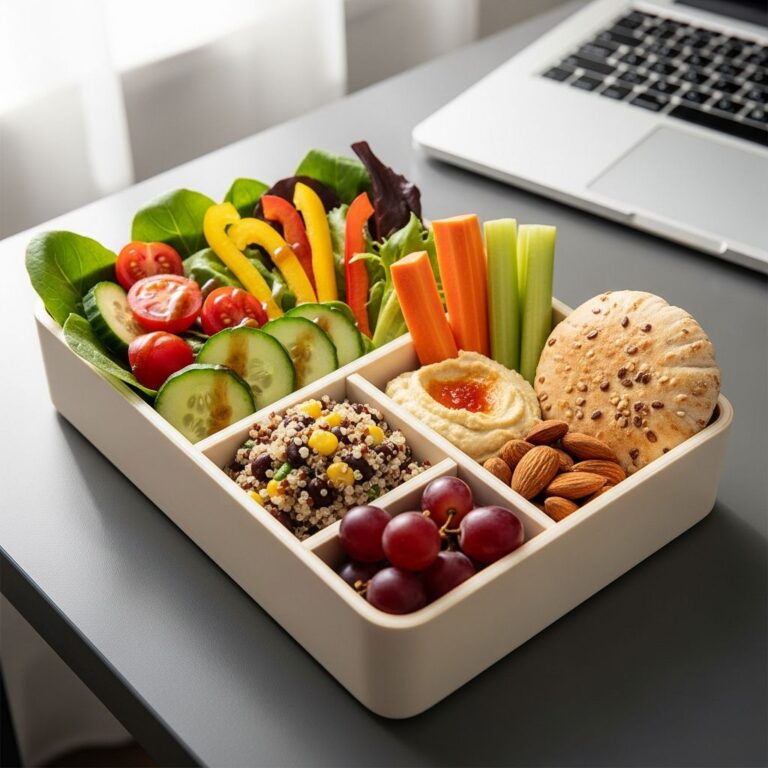
Diabetes Diet Center: Essential Tools, Tips, And Recipes
Expert guidance on diabetes meal planning, healthy eating tips, and delicious recipes to manage blood sugar effectively.
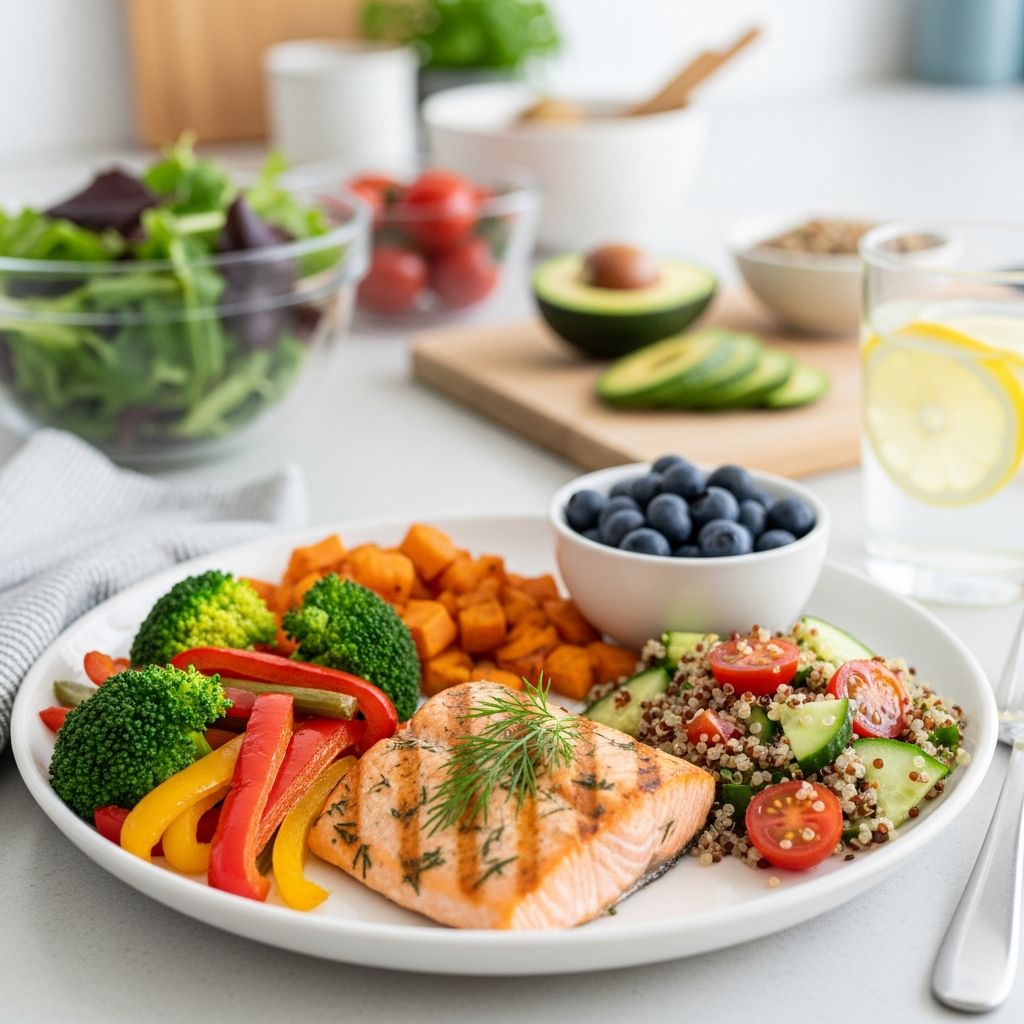
Manage diabetes through smart eating with proven strategies like the Diabetes Plate Method, carb counting, and nutrient-rich foods. This center provides essential tools, tips, and recipes for blood sugar control and overall wellness.
What Is a Diabetes Diet?
A
diabetes diet
is a healthy-eating plan designed to help control blood sugar levels while providing essential nutrients. It emphasizes moderate portions of nutrient-dense foods, regular mealtimes, and balanced macronutrients to support insulin use and prevent complications. Unlike restrictive diets, it focuses on fruits, vegetables, whole grains, lean proteins, and healthy fats, making it suitable for most people, including those with prediabetes.Healthy eating benefits extend beyond glucose management: it aids weight control, reduces heart disease risk factors like high blood pressure and cholesterol, and lowers chances of cancer and osteoporosis. For type 2 diabetes, even modest weight loss improves blood sugar regulation. Collaborate with a registered dietitian to tailor a plan to your goals, tastes, lifestyle, and medications.
Why Develop a Healthy-Eating Plan for Diabetes?
A structured plan keeps blood glucose in a safe range, promotes steady energy, and minimizes highs or lows. Regular meals enhance insulin effectiveness, whether naturally produced or medicated. Key advantages include:
- Better blood sugar stability through consistent carb intake.
- Weight management for easier diabetes control.
- Reduced cardiovascular risks via fiber-rich, low-fat choices.
- Improved overall nutrition and food relationship.
Plans like the Diabetes Plate Method simplify this without complex calculations, customizable to preferences such as Mediterranean or vegetarian styles.
The Diabetes Plate Method: Simple Meal Planning
The
Diabetes Plate Method
is an easy, visual tool for portion control and balanced meals using a standard 9-inch plate. It prioritizes non-starchy vegetables, limits carbs, and ensures protein inclusion to slow glucose spikes.Steps:
- Half the plate (50%): Non-starchy vegetables like broccoli, spinach, salad greens, green beans, or cauliflower. These are low-carb, high-fiber foundations.
- One-quarter (25%): Lean proteins such as chicken, fish, tofu, eggs, or beans. Plant-based options add variety.
- One-quarter (25%): Quality carbs including whole grains (brown rice, quinoa), starchy vegetables (sweet potatoes), fruits, or low-fat dairy.
- Beverages: Water, zero-calorie drinks, or unsweetened tea. Avoid sugary beverages.
This method aligns with ADA recommendations and adapts to other patterns by adjusting carb sources. Use hand portions for accuracy: a palm for 3 oz protein, fist for 1 cup veggies/fruit, cupped hand for 1-2 oz nuts.
| Plate Section | Fill With | Examples | Portion Guide |
|---|---|---|---|
| 1/2 Plate | Non-starchy veggies | Broccoli, spinach, peppers | Two fists |
| 1/4 Plate | Lean protein | Chicken, fish, tofu | Palm (no fingers) |
| 1/4 Plate | Carbs | Whole grains, fruit, dairy | Fist or 1/2 cup |
Recommended Foods for a Diabetes Diet
Focus on nutrient-dense choices to maximize calories’ impact. Prioritize fiber-rich carbs, heart-healthy fats, and lean proteins.
Healthy Carbohydrates
Choose complex carbs that digest slowly: fruits, vegetables, whole grains, legumes, low-fat dairy. Avoid added sugars, fats, or sodium. Examples:
Related Stories



- Fruits: Berries, apples, oranges (whole, not juice).
- Vegetables: Leafy greens, tomatoes, squash.
- Grains: Oats, barley, whole-wheat bread.
- Legumes: Lentils, chickpeas, black beans.
- Dairy: Skim milk, low-fat yogurt, cheese.
Fiber-Rich Foods
Fiber slows carb absorption: aim for beans, peas, whole grains.
Fish and Good Fats
Omega-3-rich fish (salmon, mackerel) twice weekly; healthy fats from avocados, nuts, olive oil. Limit saturated fats.
Foods to Limit
- Added sugars, refined grains (white bread, sugary cereals).
- Processed foods, trans fats, high-sodium items.
Carb Counting for Blood Sugar Control
**Carb counting** tracks grams per meal to predict glucose response. Carbs raise blood sugar fastest; pair with protein/fat/fiber to moderate. Work with a provider to set daily targets (e.g., 45-60g/meal). Common servings:
| Food | Serving Size | Carb Grams |
|---|---|---|
| Apple (medium) | 1 | 15g |
| Whole-wheat bread | 1 slice | 15g |
| Skim milk | 1 cup | 12g |
| Brown rice (cooked) | 1/3 cup | 15g |
| Black beans | 1/2 cup | 20g |
Consistent carb intake at meals stabilizes levels.
Sample Diabetes-Friendly Menus
Adapt based on 1,200-1,600 calorie needs; consult a dietitian.
1,200-1,600 Calorie Daily Menu
- Breakfast: 1 slice whole-wheat toast with 2 tsp jelly, 1/2 cup shredded wheat, 1 cup 1% milk, 1 fruit, coffee (45g carbs).
- Lunch: Roast beef sandwich on wheat (lettuce, tomato, mayo), medium apple, water (~45g carbs).
- Dinner: Grilled salmon (3 oz), 1/2 plate steamed broccoli, 1/4 plate quinoa, side salad with olive oil (~45g carbs).
- Snacks: Yogurt with berries or handful almonds.
Plate method ensures balance.
Diabetes Superfoods and Tips
Incorporate
superfoods
: berries, nuts, fatty fish, leafy greens, whole grains for antioxidants and omega-3s. Tips:- Eat regularly to optimize insulin.
- Choose water over sodas.
- Read labels for hidden sugars.
- Focus on whole foods over processed.
Benefits and Risks of a Diabetes Diet
Results: Stable glucose, weight loss, lower heart/cancer risks. Risks if ignored: Fluctuating sugars, complications—partner with experts.
Frequently Asked Questions (FAQs)
What is the Diabetes Plate Method?
A simple plating technique: 1/2 non-starchy veggies, 1/4 protein, 1/4 carbs for balanced meals.
Do I need to count carbs?
Yes, for precise control; aim for consistent grams per meal with professional guidance.
Can I eat fruit with diabetes?
Yes, whole fruits in moderation; prefer over juice for fiber.
How does the diet help weight loss?
Portion control and nutrient focus promote safe, sustainable loss.
What drinks are best?
Water, unsweetened tea; avoid sugary drinks.
Getting Support for Meal Planning
Seek DSMES via doctor referral for personalized plans. Use apps for tracking.
References
- Tips for Eating Well — American Diabetes Association. 2023. https://diabetes.org/food-nutrition/eating-healthy
- Diabetes diet: Create your healthy-eating plan — Mayo Clinic Staff. 2023-10-12. https://www.mayoclinic.org/diseases-conditions/diabetes/in-depth/diabetes-diet/art-20044295
- Diabetes Meal Planning — Centers for Disease Control and Prevention (CDC). 2024-05-15. https://www.cdc.gov/diabetes/healthy-eating/diabetes-meal-planning.html
Similar Articles








Read full bio of medha deb