Diabetes Foot Care: Essential Guide to Prevention
Master diabetic foot care to prevent ulcers, infections, and complications effectively.
Diabetes Foot Care: A Comprehensive Guide to Protecting Your Feet
People with diabetes face an increased risk of foot complications due to two primary conditions: peripheral neuropathy (nerve damage) and peripheral vascular disease (poor blood circulation). These conditions can make it difficult to notice injuries, and reduced blood flow impairs the body’s ability to heal wounds effectively. The good news is that most serious foot problems can be prevented through proper daily care, regular monitoring, and professional medical supervision. This guide provides essential information on protecting your feet and maintaining optimal foot health when living with diabetes.
Why Foot Care Matters in Diabetes
Diabetes significantly increases the risk of foot complications, which can range from minor cuts and blisters to serious infections requiring amputation. The combination of reduced sensation from nerve damage and compromised blood flow creates a perfect environment for problems to develop unnoticed. When diabetes affects the nerves in your feet, you may not feel pain, pressure, or temperature changes, meaning injuries can go undetected until they become severe. Additionally, high blood sugar levels impair the immune system’s ability to fight infections and slow the healing process. Early detection and prevention through diligent foot care can dramatically reduce your risk of serious complications.
Daily Foot Inspection and Monitoring
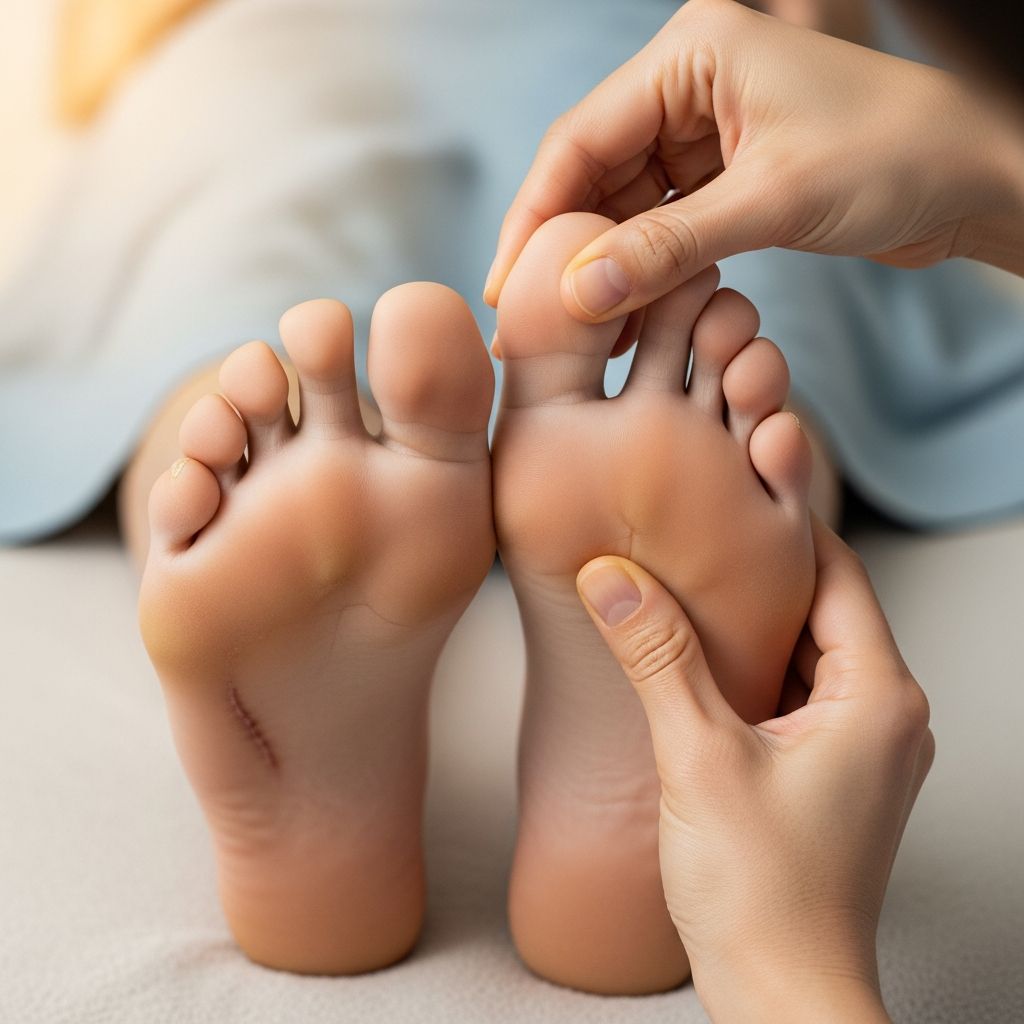
The foundation of diabetic foot care begins with daily inspection. Examining your feet each day allows you to identify problems early, before they develop into serious issues. Because reduced sensation means you may not feel injuries, visual inspection becomes your primary defense.
What to look for during daily inspection:
- Cuts, puncture wounds, or blisters on the soles, heels, and between toes
- Redness, warmth, or swelling in any area of the foot
- Changes in skin color or temperature
- Cracks or peeling skin, particularly on heels
- Calluses, corns, or unusual thickening of skin
- Nail problems, including ingrown toenails or discoloration
- Areas of increased pressure, particularly at sites of deformity such as bunions or hammertoes
How to perform a thorough inspection: Wash and dry your feet first, then examine them in good lighting. Use a magnifying mirror to inspect the soles of your feet and between your toes, as these areas are difficult to see. If you have difficulty bending or seeing your feet clearly, ask a family member or caregiver to help. Document any changes and report them to your healthcare provider immediately, even if they seem minor.
Proper Foot Washing and Hygiene
Maintaining clean, healthy feet is essential for preventing infections. However, proper washing technique is important to avoid damaging delicate skin.
Daily foot washing guidelines:
- Wash your feet every day in warm (not hot) water
- Test water temperature with your hand or elbow first to ensure it is not too hot
- Use mild soap and a soft washcloth or sponge
- Gently clean between toes
- Avoid soaking your feet, as prolonged moisture can dry out skin and increase infection risk
- Pat your feet dry thoroughly, paying special attention to the spaces between toes
- Rub vigorously when drying, as this can damage sensitive skin
After washing, apply a moisturizing lotion to keep skin soft and prevent cracks, but avoid applying lotion between the toes where excess moisture can promote fungal infections. Choose unscented, fragrance-free moisturizers designed for sensitive skin. If your feet tend to sweat excessively, consider using an antiperspirant on the soles to keep them dry.
Related Stories



Sock and Shoe Selection
The footwear you choose plays a critical role in preventing pressure points and injuries. Proper shoes reduce stress on vulnerable areas and help maintain healthy feet.
Recommended sock features:
- Made from moisture-wicking materials that keep feet dry
- Clean and soft with no holes or rough seams
- Changed daily or more frequently if feet sweat heavily
- Specifically designed diabetic socks with extra cushioning
- Without elastic tops that restrict circulation
- Longer length, extending above the ankle
Proper shoe selection guidelines:
- Never walk barefoot, even at home, as minor injuries can quickly become serious infections
- Buy shoes late in the day when feet are larger and more swollen
- Choose shoes that are comfortable without requiring a “breaking in” period
- Ensure proper fit in width, length, heel, and sole areas
- Have your feet measured every time you purchase new shoes, as foot shape can change
- Select shoes with leather uppers and deep toe boxes
- Avoid pointed-toe styles and high heels
- Inspect the inside of shoes before putting them on for objects, rough spots, or seams that could cause injury
- Avoid lacing shoes too tightly or loosely
- Wear new shoes for only 2 hours or less at a time initially
- Do not wear the same pair of shoes every day
Many people with diabetes benefit from custom diabetic shoes that accommodate orthotic devices and reduce pressure on vulnerable areas. If you have foot deformities, a history of ulcers, or significant peripheral neuropathy, ask your healthcare provider about specialized diabetic footwear.
Orthotics and Pressure Relief
Orthotic devices are specially designed inserts that help prevent ulcers by controlling pressure distribution across the foot. They serve multiple important functions for people with diabetes:
Goals of orthotic therapy:
- Prevent development of new ulcers
- Protect the anatomic structure of the foot
- Regulate and control pressure distribution
- Treat existing foot ulcers and complications from Charcot foot (a serious complication involving bone damage)
Accommodative orthotics made from soft materials like plastizote are commonly prescribed for people with diabetes. These soft orthotics should never be hard, as rigid materials increase ulcer risk. Quality orthotics can be transferred between shoes and should be worn whenever you are standing or walking. Many insurance companies cover orthotic devices for patients with diabetes-related complications such as peripheral neuropathy or peripheral artery disease. Orthotics typically require replacement every 4 months and insurance usually covers up to three pairs annually. Discuss coverage and options with your primary healthcare provider or foot specialist.
Toenail Care
Proper toenail care prevents injuries and infections that can develop from ingrown toenails or sharp edges.
Safe toenail care practices:
- Trim toenails straight across, not curved
- Smooth out sharp edges with a nail file
- Trim nails to a length that does not extend beyond the end of your toe
- Use clean, sharp nail clippers or scissors
- Never attempt to cut thick or difficult toenails yourself
- Avoid “bathroom surgery” or attempting to remove ingrown toenails independently
- See a foot specialist if you have thick nails, fungal infections, or difficulty trimming
If you have difficulty seeing or reaching your feet, ask a family member to help with toenail trimming. Professional podiatrists can safely trim difficult nails and address ingrown toenails before they cause serious problems.
Calluses, Corns, and Skin Problems
Do not attempt to remove corns or calluses yourself using medicated pads, razors, or other home remedies. These self-treatment attempts frequently cause injury and infection. Instead, consult a podiatrist or foot specialist who can safely address these problems.
Calluses and corns that develop under pressure points require professional evaluation and removal. Your foot specialist can assess whether they indicate structural problems that require orthotic support or shoe modifications. Early professional treatment prevents calluses from breaking down and developing into serious ulcers.
Environmental Protection
Protecting your feet from environmental hazards is essential since reduced sensation means you may not notice exposure to heat, cold, or moisture.
Key environmental protection measures:
- Never walk barefoot outdoors or indoors, even briefly
- Keep feet warm and dry in winter by wearing warm socks and waterproof shoes
- Avoid getting feet wet in snow or rain
- Do not expose feet to extreme heat from sources like heating pads, hot water bottles, or direct sunlight
- Test bath water temperature with your hand or elbow before immersing your feet
- Avoid sitting too close to heaters or fires
Reduced sensation from peripheral neuropathy means you cannot rely on pain to warn you of temperature extremes. A burn that would normally cause immediate pain and withdrawal may go unnoticed until significant tissue damage occurs.
Activity and Exercise Considerations
While physical activity is beneficial for diabetes management, foot care modifications are necessary to prevent injury. Avoid long walks without breaks to check your feet for signs of pressure or damage. Remove your shoes and socks periodically to inspect for redness, blisters, or areas of increased pressure. If you notice any redness that does not fade within 30 minutes after removing pressure, reduce activity and evaluate your footwear or orthotic support.
Choose appropriate footwear for exercise, such as well-fitting athletic shoes with proper cushioning and support. Consider low-impact activities like swimming, cycling, or elliptical exercises if you have significant foot complications or pain with walking.
Professional Foot Care and Screening
Regular professional foot examinations are essential for early detection and prevention of complications. Healthcare providers should perform comprehensive foot assessments that include:
- Dermatological evaluation of skin integrity and appearance
- Vascular assessment to determine blood flow adequacy
- Neurological testing to assess sensation and nerve function
- Musculoskeletal examination to identify structural abnormalities and deformities
The American Diabetes Association recommends that all patients with diabetes receive a comprehensive foot examination at least annually by a qualified healthcare professional. Patients with foot problems, a history of ulcers, or significant risk factors should be examined more frequently, potentially at every healthcare visit. Those at high risk should be referred to podiatry services for specialized management and ongoing monitoring.
When to Seek Medical Attention
Contact your healthcare provider immediately if you notice:
- Cuts, sores, or blisters that do not heal within a few days
- Signs of infection including warmth, redness, swelling, or drainage
- Increasing pain or tenderness despite rest and home care
- Discoloration of the foot or changes in skin temperature
- Difficulty walking or changes in foot function
- Any changes in existing ulcers or previous problem areas
The Role of Blood Sugar Control and Lifestyle
Excellent blood sugar control is fundamental to foot health in diabetes. High blood sugar levels impair immune function, slow wound healing, and increase infection risk. Work closely with your healthcare team to achieve optimal blood sugar targets, as this dramatically reduces your risk of foot complications.
Additionally, smoking significantly increases amputation risk by damaging blood vessels and decreasing oxygen delivery to the feet. If you smoke, discuss smoking cessation strategies with your healthcare provider, as quitting is one of the most important steps you can take to protect your feet.
Frequently Asked Questions
Q: Can I soak my feet to relax them?
A: No, soaking is not recommended for people with diabetes. Prolonged moisture from soaking can dry out skin, increase infection risk, and soften skin in ways that increase injury susceptibility. Instead, wash your feet briefly in warm water and pat them dry immediately.
Q: How often should I see a foot specialist?
A: At minimum, have a comprehensive foot exam annually. If you have a history of ulcers, significant neuropathy, vascular disease, or foot deformities, you may need to be seen more frequently. Some patients benefit from specialized podiatry care every 3-6 months.
Q: What should I do if I find a small cut or blister?
A: Clean the area gently with mild soap and warm water, pat dry, and monitor closely for signs of infection. Keep the area covered with clean bandages and change them daily. Contact your healthcare provider if it does not begin healing within 24-48 hours or shows signs of infection.
Q: Are diabetic socks necessary, or can I wear regular socks?
A: Diabetic socks are specifically designed with features that benefit people with diabetes, including extra cushioning, moisture-wicking material, and seamless construction that reduces pressure points. While not absolutely mandatory, they provide significant protection and are worth the investment.
Q: Can I use a heating pad on my feet?
A: No, heating pads should be avoided because reduced sensation may prevent you from noticing excessive heat. Burns can occur without pain sensation, leading to serious tissue damage. Keep feet warm using socks and appropriate footwear instead.
Q: What if I cannot inspect my own feet?
A: Ask a family member, caregiver, or healthcare provider to inspect your feet daily. Many people with visual impairment or limited mobility benefit from involving family in their foot care routine. This is a valid and recommended approach.
References
- Diabetic Foot Care – StatPearls — National Center for Biotechnology Information (NCBI). https://www.ncbi.nlm.nih.gov/books/NBK553110/
- Care of the Diabetic Foot — American Academy of Orthopaedic Surgeons (AAOS). https://orthoinfo.aaos.org/en/treatment/care-of-the-diabetic-foot/
- Diabetes Foot Care Guidelines — Foot Health Facts. https://www.foothealthfacts.org/conditions/diabetic-foot-care-guidelines
- Tips for Healthy Feet Graphic — Centers for Disease Control and Prevention (CDC). https://www.cdc.gov/diabetes/communication-resources/tips-for-healthy-feet.html
- Foot Care for People With Diabetes — Novo Nordisk. https://www.novomedlink.com/content/dam/novonordisk/novomedlink/new/diabetes/patient/disease/library/documents/foot-care-for-people-with-diabetes.pdf
Similar Articles








Read full bio of medha deb