Diabetic Foot Ulcers: Practical Guide To Prevention & Care
Comprehensive insights into preventing, recognizing, and treating diabetic foot ulcers to safeguard mobility and health.
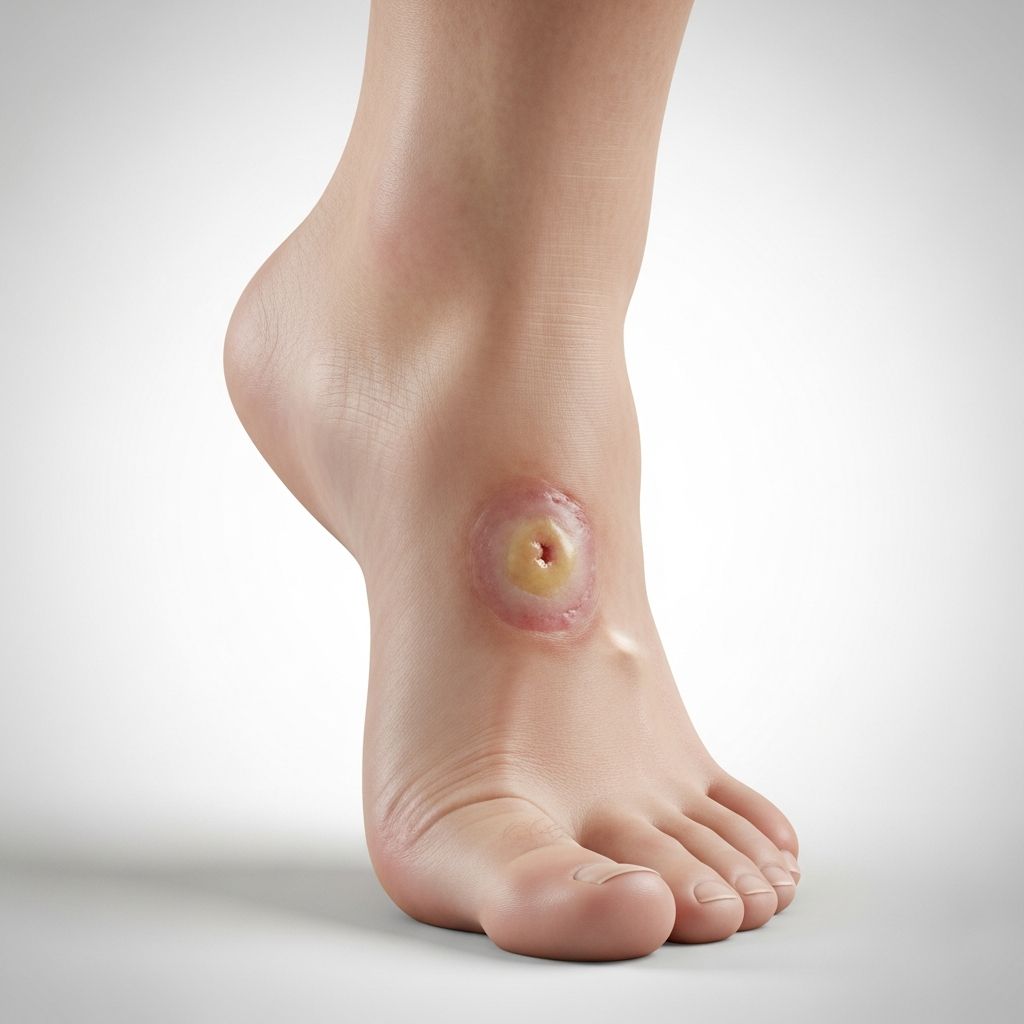
Diabetic foot ulcers represent a significant health challenge for individuals living with diabetes, often stemming from nerve damage and poor circulation. These open sores on the feet can lead to severe infections and, in some cases, amputation if not managed promptly.
Understanding the Roots of Diabetic Foot Ulcers
At the core of most diabetic foot ulcers lies
diabetic neuropathy
, a condition affecting nearly 90% of cases. This nerve damage impacts sensory, motor, and autonomic functions, leading to loss of protective sensation, muscle weakness, and skin vulnerabilities. High blood sugar levels over time erode nerve fibers, making it hard to feel pain, pressure, or temperature changes in the feet.Peripheral arterial disease compounds the issue by restricting blood flow, slowing healing and heightening infection risks. Minor traumas, like stepping on a sharp object or friction from ill-fitting shoes, go unnoticed and evolve into ulcers. Foot deformities such as hammertoes or bunions create pressure points, further predisposing the skin to breakdown.
Recognizing Early Warning Signs
Early detection is crucial since neuropathy masks pain. Common symptoms include:
- Numbness or tingling in the feet.
- Changes in skin color, such as redness or pallor.
- Swelling or warmth around the affected area.
- Open sores or breaks in the skin that do not heal.
- Discharge, foul odor, or increased pain if infection sets in.
Regular self-inspections, especially between toes and on the soles, can reveal these signs before they worsen.
Progression Stages of Foot Ulcers
Diabetic foot ulcers advance through distinct stages, influencing treatment urgency. The following table outlines key stages based on clinical observations:
| Stage | Description | Risk Level |
|---|---|---|
| Pre-ulcerative | Calluses, blisters, or minor skin breaks due to pressure. | Low – Addressable with care. |
| Superficial | Partial skin loss; no deeper tissue involvement. | Moderate – Infection risk rising. |
| Deep | Extends to tendon, bone, or joint; possible abscess. | High – Requires intervention. |
| Systemic | Infection spreads, potentially causing osteomyelitis or gangrene. | Critical – Amputation risk high. |
Progression often ties to uncontrolled glucose, with early stages offering the best recovery odds.
Core Treatment Strategies
The cornerstone of therapy involves a multifaceted approach: wound debridement, infection control, blood sugar optimization, and pressure relief. Debridement removes dead tissue to promote healing, while antibiotics target infections, particularly in deep ulcers.
**Off-loading** is paramount for plantar ulcers, redistributing weight via special footwear, casts, or crutches to allow tissue repair. Studies confirm elevated plantar pressures drive ulceration in neuropathic feet.
Advanced options like negative-pressure wound therapy or growth factors serve as adjuncts, though evidence on cost-effectiveness remains mixed. Surgical interventions, such as bone shaving or deformity correction, address underlying structural issues when conservative measures fail.
Daily Management and Wound Care Essentials
Beyond clinical treatments, home care plays a vital role:
- Maintain strict blood glucose control to bolster immunity and healing.
- Clean ulcers gently with saline; apply prescribed dressings to keep moist.
- Avoid walking barefoot; opt for custom orthotics.
- Monitor for infection signs like fever or pus, seeking immediate care.
Related Stories



A moist wound environment fosters granulation tissue formation, outperforming dry healing methods.
Preventing Ulcers: Proactive Foot Health
Prevention slashes ulcer incidence by up to 50% through vigilant practices. Key steps include:
- Daily foot checks using a mirror or assistance.
- Moisturize skin to prevent cracking, avoiding between toes.
- Wear well-fitted, protective shoes; break them in gradually.
- Trim nails straight across; seek podiatrist for deformities.
- Quit smoking to improve circulation.
Patient education empowers adherence, significantly curbing amputation needs in non-ischemic cases.
When to Seek Urgent Medical Help
Act swiftly if you notice spreading redness, fever, chills, or non-healing wounds larger than a fingertip. These signal potential osteomyelitis or sepsis, demanding hospital evaluation.
Long-Term Outlook and Complications
With prompt care, many ulcers heal within 12 weeks, but recurrence affects up to 40%. Amputation rates climb with ischemia or infection delays. Multidisciplinary teams—podiatrists, endocrinologists, vascular specialists—optimize outcomes.
Frequently Asked Questions (FAQs)
What is the main cause of diabetic foot ulcers?
Primarily diabetic neuropathy, causing loss of sensation and unnoticed injuries, combined with poor circulation.
How long does it take for a diabetic foot ulcer to heal?
Typically 4-12 weeks with proper treatment, depending on depth and comorbidities.
Can diabetic foot ulcers be prevented?
Yes, through daily inspections, proper footwear, glucose control, and prompt injury treatment.
Is amputation inevitable with a foot ulcer?
No, early intervention prevents this in most cases; only advanced infections may necessitate it.
What role does blood sugar play in healing?
High glucose impairs immunity and circulation, delaying repair; tight control is essential.
Empowering Your Foot Health Journey
Managing diabetic foot ulcers demands diligence, but armed with knowledge, individuals can protect their feet and maintain independence. Collaborate with healthcare providers for tailored plans, emphasizing prevention as the ultimate defense.
References
- Management of Diabetic Foot Ulcers — PMC – NIH. 2012-11-14. https://pmc.ncbi.nlm.nih.gov/articles/PMC3508111/
- Diabetic Foot Care: Ulcer Symptoms, Stages & Treatments — CLS Health. Accessed 2026. https://cls.health/conditions/diabetic-foot-ulcer
- Diabetic Foot Ulcers — UCSF Surgical Oncology. Accessed 2026. https://surgicaloncology.ucsf.edu/condition/diabetic-foot-ulcers
- Diabetic Foot Ulcer — University of Michigan Health. Accessed 2026. https://www.uofmhealth.org/our-care/specialties-services/diabetic-foot-ulcer
- Diabetic Foot Ulcer – Causes, Treatment, and Prevention — Vohra Wound Care. Accessed 2026. https://vohrawoundcare.com/diabetic-foot-ulcer/
- Diabetic Foot Ulcers: Pathogenesis and Management — AAFP. 2002-10-31. https://www.aafp.org/pubs/afp/issues/2002/1101/p1655.html
Similar Articles








Read full bio of Sneha Tete