Delicious Diabetes-Friendly Chicken Casserole Recipes
Discover nutritious, delicious casserole recipes designed specifically for diabetes management.
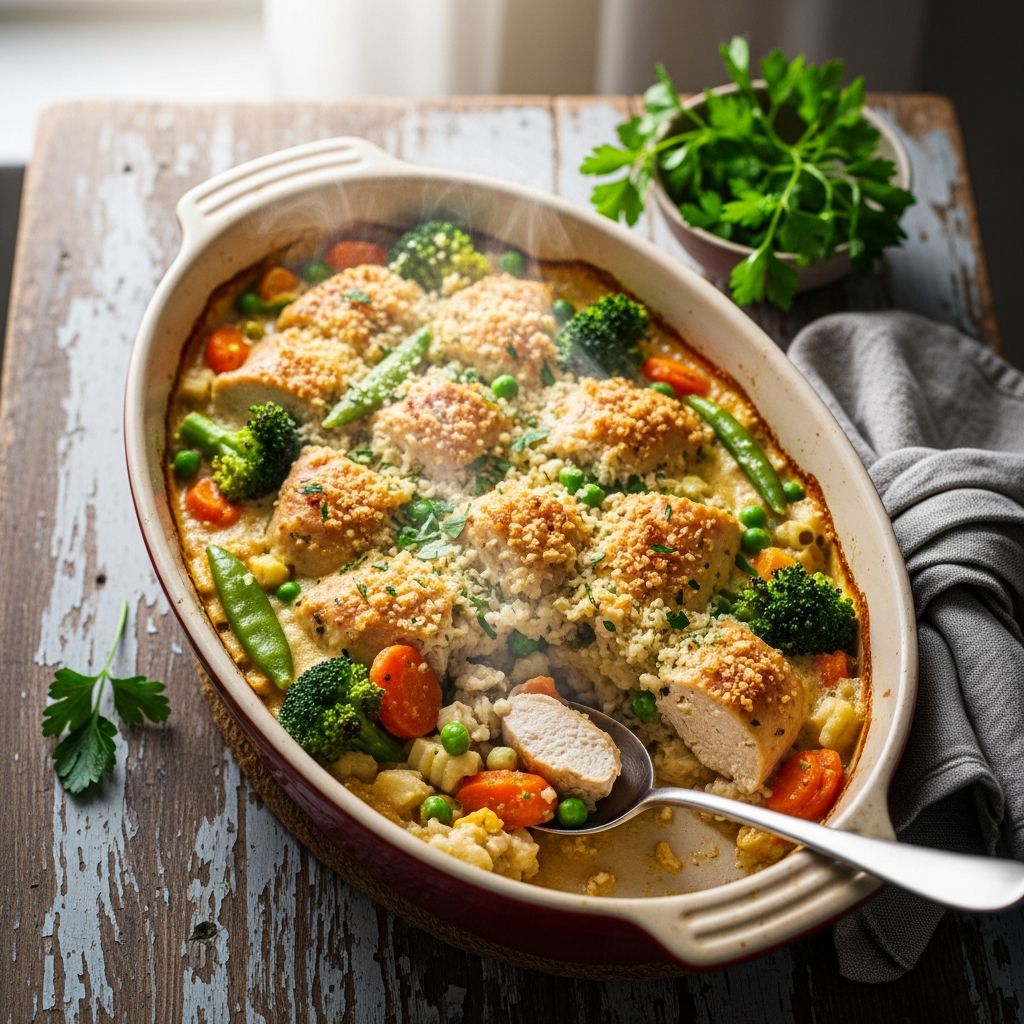
Managing diabetes requires careful attention to nutrition, particularly regarding carbohydrate intake, portion sizes, and overall dietary balance. One of the most practical approaches to diabetes management is incorporating satisfying, nutrient-dense meals that don’t compromise on flavor or convenience. Chicken casseroles offer an excellent solution, providing a complete meal in a single dish while allowing for easy customization to meet specific dietary needs.
Why Chicken Casseroles Are Ideal for Diabetes Management
Casseroles have been a staple of comfort food cooking for generations, but they’re often laden with heavy cream sauces, excess butter, and refined carbohydrates. However, when prepared thoughtfully, chicken casseroles can become a cornerstone of a diabetes-friendly diet. Here’s why:
- Lean Protein Source: Chicken is an excellent source of protein with minimal fat content, especially when using skinless breasts or thighs. Protein helps stabilize blood sugar levels and promotes satiety, reducing the likelihood of overeating.
- Portion Control: Casseroles naturally encourage reasonable portion sizes since you’re combining protein with vegetables and a modest amount of binding ingredients.
- Nutrient Density: By incorporating plenty of non-starchy vegetables, you increase fiber content and micronutrient density while keeping carbohydrates in check.
- Meal Prep Friendly: Casseroles can be prepared in advance and portioned into individual servings, making diabetes management more manageable throughout a busy week.
- Flavor Without Excess Sugar: Herbs, spices, and strategic ingredient choices allow you to create satisfying dishes without relying on added sugars or salt.
Key Ingredients for Diabetes-Friendly Casseroles
Protein Base
The foundation of any good casserole is quality protein. For diabetes-friendly casseroles, opt for:
- Skinless chicken breasts (approximately 165 calories and 31g protein per 100g cooked)
- Chicken thighs, which offer more flavor despite slightly higher fat content
- Ground chicken, which adds texture variation to casserole dishes
Vegetables
Non-starchy vegetables should comprise the majority of your casserole’s volume:
- Bell peppers (red, yellow, or green) for sweetness and vitamin C
- Broccoli florets for fiber and sulforaphane compounds
- Zucchini and yellow squash for volume with minimal carbohydrates
- Mushrooms for umami depth and immune-supporting compounds
- Spinach and other dark leafy greens for minerals and antioxidants
- Green beans for texture and nutritional variety
Binding Agents
Instead of traditional cream soups heavy in sodium and refined carbohydrates, consider:
- Greek yogurt for creaminess and added protein
- Low-sodium broth as a lighter base
- Cream cheese in moderation for richness
- Eggs as a binding agent in some recipes
Seasonings and Flavor Enhancers
Build complexity without adding sugar:
- Fresh or dried herbs (basil, oregano, thyme, rosemary)
- Garlic and onion for aromatic depth
- Low-sodium soy sauce or tamari
- Lemon juice and vinegar for brightness
- Spices like paprika, cumin, and black pepper
Top Diabetes-Friendly Chicken Casserole Recipes
1. Creamy Broccoli and Chicken Casserole
This classic combination provides excellent nutrition while remaining incredibly satisfying. Layer shredded chicken with fresh broccoli florets, top with a sauce made from Greek yogurt and low-sodium chicken broth, sprinkle with reduced-fat cheddar cheese, and bake until golden. This recipe delivers approximately 25g protein, 8g carbohydrates, and 180 calories per serving, making it an excellent choice for blood sugar management.
2. Italian Herb Chicken and Zucchini Casserole
Combine diced chicken breast with thinly sliced zucchini, diced bell peppers, and onions. Mix in a sauce of low-fat ricotta, tomato sauce (no added sugar), and Italian seasonings. This Mediterranean-inspired dish offers approximately 22g protein, 7g carbohydrates, and 165 calories per serving, with the added benefit of lycopene from tomatoes.
3. Spinach and Feta Stuffed Chicken Casserole
This elegant dish involves layering chicken pieces with sautéed spinach, crumbled feta cheese, and a light cream sauce. The combination provides calcium, iron, and folate alongside the complete protein. Nutritionally, expect around 28g protein, 5g carbohydrates, and 210 calories per serving.
Related Stories



4. Tex-Mex Cauliflower Rice Chicken Casserole
Replace traditional rice with cauliflower rice to dramatically reduce carbohydrate content. Layer cauliflower rice with shredded chicken, black beans (in moderation), diced tomatoes, and jalapeños. Top with a small amount of cheese and bake. This innovative recipe contains approximately 24g protein, 12g carbohydrates (including 3g fiber), and 175 calories per serving.
5. Mushroom and Chicken Stroganoff Casserole
Sautéed mushrooms combined with tender chicken pieces and a tangy Greek yogurt sauce create a sophisticated dish reminiscent of classic stroganoff. The earthy flavors satisfy without excessive calories. Each serving provides about 26g protein, 6g carbohydrates, and 185 calories.
Essential Preparation Techniques
Pre-Cooking Methods
How you prepare your chicken significantly impacts both flavor and texture:
- Poaching: Cook chicken in low-sodium broth to keep it moist and flavor it simultaneously. This method prevents drying out during the casserole baking process.
- Baking: Season and bake chicken breasts before shredding or dicing. This method allows better control over doneness.
- Sautéing: Quickly sear chicken pieces to develop flavor through the Maillard reaction before adding to the casserole.
Vegetable Preparation
Proper vegetable preparation enhances both nutrition and texture:
- Lightly sauté harder vegetables (carrots, bell peppers) before combining to ensure even cooking
- Cut vegetables to consistent sizes for uniform cooking
- Consider blanching broccoli briefly to maintain color and texture
Nutritional Considerations for Diabetic Diets
Carbohydrate Management
The American Diabetes Association recommends managing carbohydrate intake through portion control and choosing complex carbohydrates with higher fiber content. Chicken casseroles naturally keep carbohydrate counts low when filled with non-starchy vegetables. Each serving should ideally contain no more than 15-20g of carbohydrates, depending on individual meal planning targets.
Sodium Content
Many traditional casserole recipes rely on canned soups and processed ingredients high in sodium. Instead, prepare your sauce from scratch using low-sodium broth and fresh seasonings. Aim for no more than 600mg sodium per serving to support overall cardiovascular health.
Fiber Content
Dietary fiber slows carbohydrate absorption and helps maintain stable blood glucose levels. By building casseroles around non-starchy vegetables, you automatically increase fiber content. Aim for at least 3-5g fiber per serving.
Storage and Make-Ahead Tips
One of the greatest advantages of casserole recipes is their compatibility with meal preparation strategies:
- Refrigerator Storage: Most chicken casseroles keep well for 3-4 days when covered. This makes them perfect for planning several days of meals simultaneously.
- Freezer Storage: Many casseroles freeze successfully for up to 3 months. Cool completely before freezing, and use freezer containers or heavy-duty freezer bags.
- Reheating: Thaw overnight in the refrigerator before reheating. Reheat covered at 350°F until warmed through, approximately 20-30 minutes.
- Portion Preparation: Consider dividing the casserole into individual containers immediately after cooling for grab-and-go convenience.
Cooking Tips for Success
Preventing Dryness
Chicken can become dry during the casserole cooking process. To prevent this, ensure adequate moisture in your sauce, don’t overcook the chicken before adding to the casserole, and cover the dish during baking with aluminum foil for the first portion of cooking time.
Achieving Proper Texture
The ideal casserole should hold together without being mushy. This balance comes from cooking vegetables to tender-crisp rather than soft, and using enough binding ingredients without excessive amounts.
Flavor Development
Build layers of flavor through proper seasoning at multiple stages. Season the chicken before adding it, season vegetables as they’re prepared, and adjust seasonings in the sauce before baking.
Customization for Individual Preferences
One of the strengths of casserole recipes is their adaptability. Whether you prefer certain vegetables, have food allergies, or follow specific dietary patterns, chicken casseroles can accommodate modifications:
- Replace dairy-based sauces with coconut cream for paleo-friendly versions
- Use gluten-free options for all binding ingredients
- Substitute vegetables based on seasonal availability and personal preference
- Adjust cheese quantities based on preferred richness and fat intake
- Experiment with international flavor profiles (Asian, Mediterranean, Indian-inspired)
Nutritional Comparison Table
| Recipe | Protein (g) | Carbs (g) | Fiber (g) | Calories |
|---|---|---|---|---|
| Broccoli & Chicken | 25 | 8 | 2 | 180 |
| Italian Herb & Zucchini | 22 | 7 | 1.5 | 165 |
| Spinach & Feta | 28 | 5 | 2 | 210 |
| Tex-Mex Cauliflower Rice | 24 | 12 | 3 | 175 |
| Mushroom Stroganoff | 26 | 6 | 1.5 | 185 |
Frequently Asked Questions
Q: Can I make these casseroles dairy-free?
A: Yes, absolutely. Replace Greek yogurt with cashew cream, use nutritional yeast instead of cheese, and substitute regular broth for cream-based sauces. The casseroles will still be delicious and maintain appropriate blood sugar profiles.
Q: How can I reduce the sodium content further?
A: Use no-salt-added broth, avoid pre-made seasonings blends which often contain salt, and season primarily with fresh herbs and citrus instead. You can reduce sodium by up to 70% while maintaining excellent flavor.
Q: Are these recipes suitable for type 1 and type 2 diabetes?
A: Yes, these recipes work for both types. The focus on lean protein, non-starchy vegetables, and controlled carbohydrates benefits anyone managing blood sugar levels. Always consult your healthcare provider regarding individual carbohydrate targets.
Q: Can I use rotisserie chicken to save time?
A: Absolutely. Store-bought rotisserie chicken speeds up preparation significantly. Choose unseasoned varieties when possible, or account for the sodium content in pre-seasoned options in your daily intake calculations.
Q: What’s the best way to reheat a frozen casserole?
A: Thaw in the refrigerator overnight, then reheat covered at 350°F for 20-30 minutes until heated through. For faster reheating from frozen, use 375°F for 40-50 minutes, covered. Adding a small amount of broth can prevent drying.
Q: Can I add pasta to these recipes?
A: Yes, but use whole grain or legume-based pasta in small quantities and reduce other carbohydrates accordingly. A small portion of pasta can be acceptable in a diabetes meal plan when properly accounted for in carbohydrate counting.
References
- Standards of Care in Diabetes—2024 — American Diabetes Association. January 2024. https://doi.org/10.2337/dc24-S001
- Carbohydrate Counting: Getting Started — National Institutes of Health, National Institute of Diabetes and Digestive and Kidney Diseases. Updated 2023. https://www.niddk.nih.gov/health-information/nutrition-physical-activity/healthy-eating-physical-activity/carbohydrate-counting
- Dietary Fiber: Essential for a Healthy Diet — Academy of Nutrition and Dietetics Evidence Analysis Library. 2023. https://www.eatrightpro.org/
- Protein and Postprandial Glucose Control — PubMed Central, U.S. National Library of Medicine. 2022. https://pubmed.ncbi.nlm.nih.gov
- Food Safety: Safe Food Storage Times — U.S. Department of Agriculture Food Safety and Inspection Service. Updated 2024. https://www.fsis.usda.gov/food-safety/safe-food-handling-and-preparation/food-safety-basics/safe-food-storage
Similar Articles








Read full bio of medha deb