Diabetes-Friendly Meal Plan for High Cholesterol
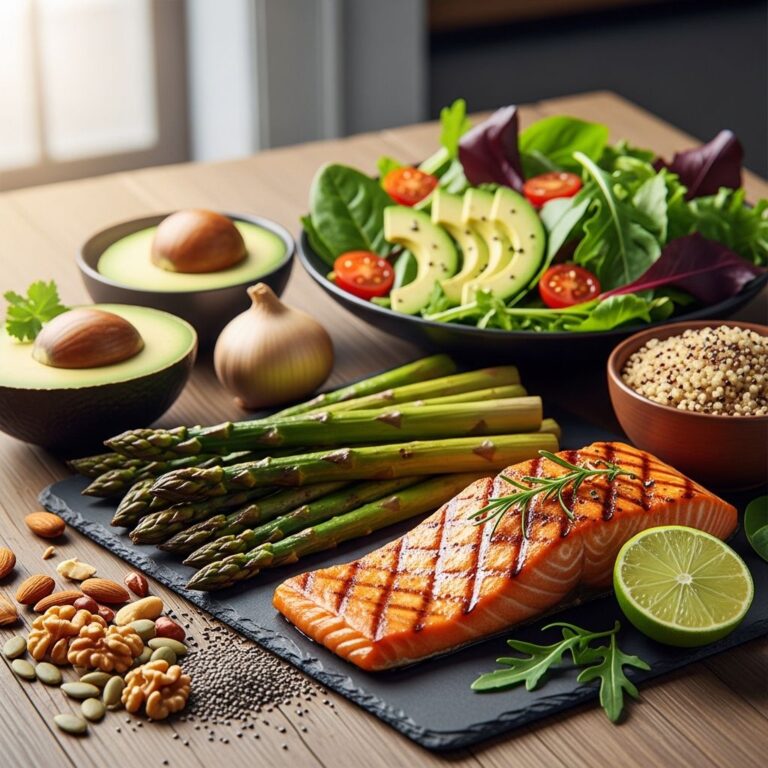
A 7-day meal plan designed to manage diabetes while lowering high cholesterol with heart-healthy, blood sugar-stabilizing foods.
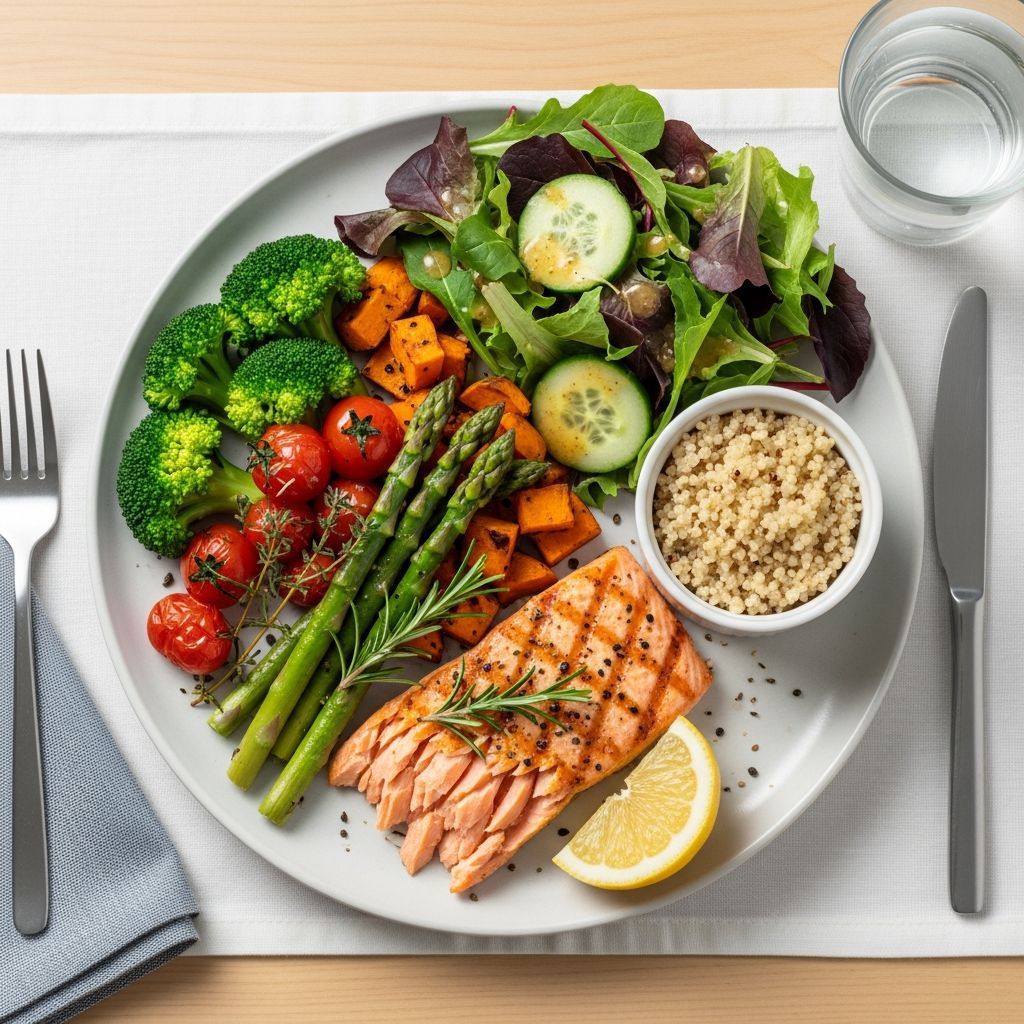
This 7-day meal plan is crafted specifically for individuals managing both diabetes and high cholesterol. It emphasizes foods that help control blood sugar levels while reducing LDL (bad) cholesterol and supporting heart health. Drawing from established guidelines like the plate method, the plan prioritizes non-starchy vegetables, lean proteins, whole grains, and healthy fats.
How to Use This Meal Plan
Follow this plan to create balanced meals that fit your diabetes and cholesterol needs. Each day provides approximately 1,500 calories, with adjustments possible for activity level or preferences. Key principles include:
- Fill half your plate with non-starchy vegetables like broccoli, spinach, and green beans to boost fiber and control blood sugar.
- Include lean proteins such as fish, chicken, tofu, or beans in one-quarter of your plate to maintain satiety without spiking glucose.
- Limit carbs to one-quarter of your plate, choosing whole grains, fruits, or low-fat dairy for steady energy.
- Incorporate ‘good’ fats from avocados, nuts, and olive oil sparingly to lower cholesterol.
- Aim for less than 200mg cholesterol daily and minimize saturated/trans fats.
Consult your healthcare team before starting, especially if on medications. Drink water or unsweetened tea with meals.
Diabetes-Friendly Meal Plan for High Cholesterol: 7 Days of Meals
Below is a detailed 7-day plan with breakfast, lunch, dinner, and snacks. Recipes are simple, nutrient-dense, and aligned with Mayo Clinic and CDC recommendations for diabetes diets.
Day 1
- Breakfast: Oatmeal made with ½ cup rolled oats, 1 cup unsweetened almond milk, topped with ½ cup blueberries and 1 tbsp chia seeds (350 cal).
- A.M. Snack: 1 small apple with 10 almonds (150 cal).
- Lunch: Grilled chicken salad: 3 oz chicken breast, mixed greens, cherry tomatoes, cucumber, 1 tbsp olive oil vinaigrette (400 cal).
- P.M. Snack: 6 oz low-fat Greek yogurt (100 cal).
- Dinner: Baked salmon (4 oz), quinoa (½ cup), steamed broccoli (1 cup), lemon wedge (500 cal).
Day 2
- Breakfast: Veggie omelet: 2 eggs + egg whites, spinach, tomatoes, 1 slice whole-grain toast (350 cal).
- A.M. Snack: Carrot sticks (1 cup) with 2 tbsp hummus (150 cal).
- Lunch: Turkey wrap: whole-wheat tortilla, 3 oz turkey breast, lettuce, avocado slice, mustard (400 cal).
- P.M. Snack: Handful of walnuts (10 halves, 100 cal).
- Dinner: Stir-fried tofu (4 oz) with bell peppers, zucchini, brown rice (½ cup) (500 cal).
Day 3
- Breakfast: Smoothie: 1 cup spinach, ½ banana, 1 cup low-fat milk, 1 tbsp peanut butter (350 cal).
- A.M. Snack: 1 pear (100 cal).
- Lunch: Lentil soup (1 cup) with side salad and 1 tbsp vinaigrette (400 cal).
- P.M. Snack: Celery with 1 tbsp almond butter (150 cal).
- Dinner: Grilled lean pork (3 oz), sweet potato (½ medium), asparagus (1 cup) (500 cal).
Day 4
- Breakfast: Whole-grain English muffin with 1 poached egg, sliced tomato (350 cal).
- A.M. Snack: ½ cup cottage cheese, low-fat (100 cal).
- Lunch: Tuna salad: 3 oz water-packed tuna, greens, olives, lemon dressing (400 cal).
- P.M. Snack: 1 orange and 5 cashews (150 cal).
- Dinner: Baked chicken (4 oz skinless), barley (½ cup), green beans (1 cup) (500 cal).
Day 5
- Breakfast: Chia pudding: 2 tbsp chia seeds, 1 cup almond milk, strawberries (½ cup) (350 cal).
- A.M. Snack: Cucumber slices with tzatziki (low-fat, 2 tbsp) (100 cal).
- Lunch: Quinoa bowl: ½ cup quinoa, chickpeas (½ cup), feta (1 oz low-fat), veggies (400 cal).
- P.M. Snack: Apple slices with cinnamon (150 cal).
- Dinner: Grilled fish (4 oz cod), couscous (½ cup whole-wheat), Brussels sprouts (500 cal).
Related Stories



Day 6
- Breakfast: Yogurt parfait: 6 oz Greek yogurt, ½ cup raspberries, 1 tbsp flaxseeds (350 cal).
- A.M. Snack: Bell pepper strips with guacamole (2 tbsp) (150 cal).
- Lunch: Veggie burger on whole-grain bun, side salad (400 cal).
- P.M. Snack: Handful pistachios (12 nuts, 100 cal).
- Dinner: Turkey stir-fry (3 oz), mixed veggies, farro (½ cup) (500 cal).
Day 7
- Breakfast: Avocado toast: 1 slice whole-grain bread, ¼ avocado, poached egg (350 cal).
- A.M. Snack: 1 kiwi and 6 oz yogurt (150 cal).
- Lunch: Bean salad: black beans (½ cup), corn, tomatoes, cilantro lime dressing (400 cal).
- P.M. Snack: Baby carrots (1 cup) with salsa (100 cal).
- Dinner: Baked tilapia (4 oz), wild rice (½ cup), cauliflower mash (500 cal).
Meal Prep Tips for Success
Streamline your week with these strategies:
- Prep veggies and proteins on Sunday: chop non-starchy veggies and portion lean meats.
- Batch-cook grains like quinoa or brown rice for multiple meals.
- Portion snacks into bags to avoid overeating.
- Freeze soups or stir-fries for quick reheats.
- Use herbs, spices, and lemon for flavor without sodium or sugar.
Foods to Focus On and Limit
To optimize for diabetes and cholesterol:
| Focus On | Limit/Avoid |
|---|---|
| Non-starchy veggies (broccoli, spinach) | Saturated fats (butter, fatty meats) |
| Lean proteins (fish twice weekly, poultry) | Trans fats (processed snacks) |
| Whole grains (oats, barley) | Added sugars (soda, candy) |
| Healthy fats (avocados, nuts) | High-cholesterol foods (>200mg/day) |
| Low-fat dairy | Refined grains (white bread) |
Nutrition Breakdown
Daily averages: 1,500 cal, 45-65g fat (mostly unsaturated), <200mg cholesterol, 150-180g carbs (low-glycemic), 80-100g protein, high fiber (30g+).
Frequently Asked Questions (FAQs)
Can I adjust calories in this plan?
Yes, add 200-300 calories via extra veggies or protein if active; reduce snacks if sedentary. Track blood sugar.
Is fish safe for cholesterol management?
Absolutely; fatty fish like salmon provide omega-3s to lower triglycerides and LDL.
How does the plate method work here?
Half non-starchy veggies, quarter lean protein, quarter carbs—simple for blood sugar control.
Are nuts okay with high cholesterol?
In moderation (1 oz/day), yes—monounsaturated fats improve lipid profiles.
What if I have food allergies?
Swap proteins (e.g., tofu for chicken) and consult a dietitian for personalization.
Additional Tips for Long-Term Success
Beyond meals:
- Eat regularly; don’t skip to avoid glucose swings.
- Read labels: choose <5g sugar/serving, low sodium.
- Pair carbs with fiber/protein for slower absorption.
- Stay hydrated with zero-calorie drinks.
- Combine with 150 min/week exercise for better cholesterol control.
This plan promotes sustainable habits for managing diabetes and high cholesterol effectively.
References
- Planning Healthy Meals — NovoCare Diabetes Education. 2023. https://diabeteseducation.novocare.com/content/dam/diabetes-patient/novocare-diabeteseducation/pdfs/booklet-planning-healthy-meals.pdf
- Diabetes Diet: Create Your Healthy-Eating Plan — Mayo Clinic Staff. 2025-01-15. https://www.mayoclinic.org/diseases-conditions/diabetes/in-depth/diabetes-diet/art-20044295
- Diabetes Meal Planning — Centers for Disease Control and Prevention (CDC). 2024-06-20. https://www.cdc.gov/diabetes/healthy-eating/diabetes-meal-planning.html
- Tips for Eating Well — American Diabetes Association. 2025-03-10. https://diabetes.org/food-nutrition/eating-healthy
Similar Articles








Read full bio of Sneha Tete