Diabetes and High Blood Pressure: Understanding the Connection
Learn how diabetes and hypertension are connected and affect cardiovascular health.
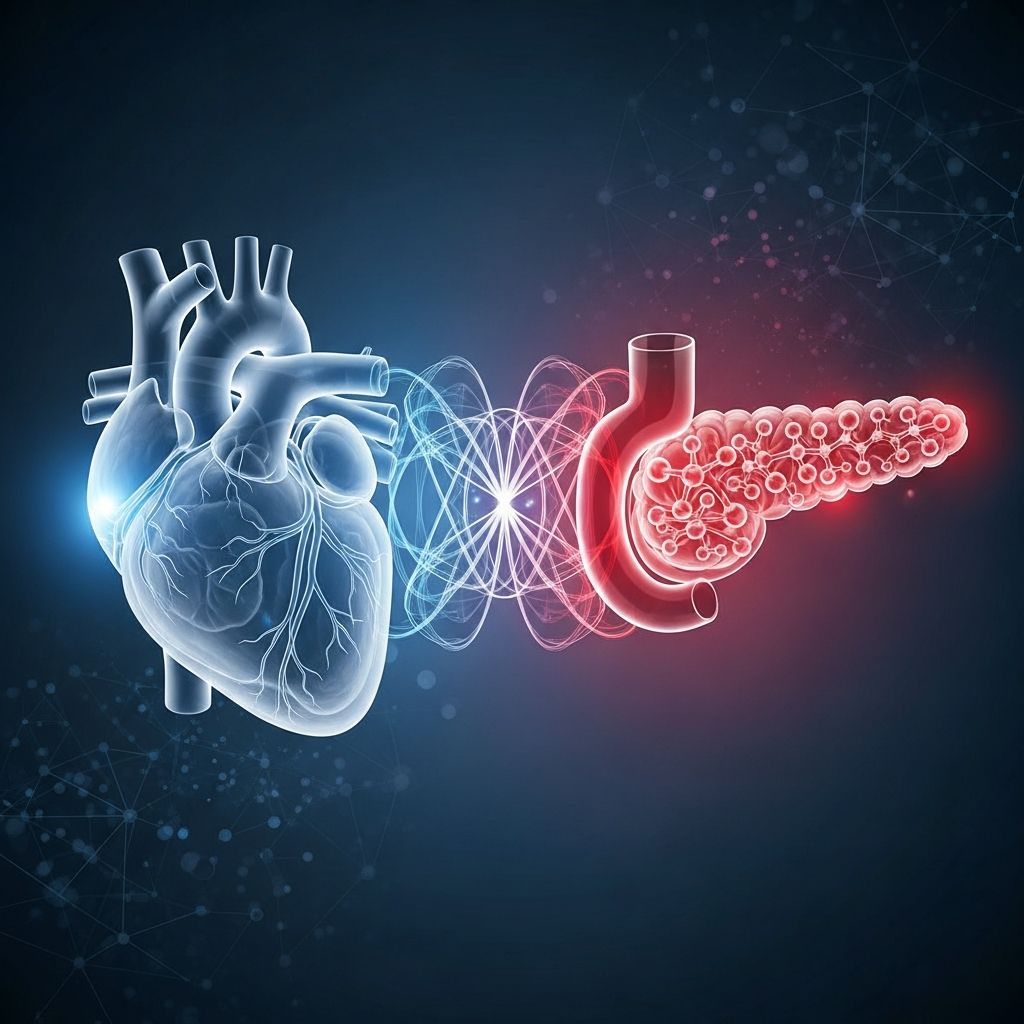
High blood pressure, medically known as hypertension, is a condition that frequently occurs alongside diabetes. The relationship between these two conditions is significant and well-documented in medical research. People with type 2 diabetes have a considerably higher risk of developing high blood pressure compared to the general population. In fact, hypertension is approximately twice as frequent in patients with diabetes compared with those who do not have diabetes. This co-occurrence is not coincidental; rather, it reflects shared underlying biological mechanisms and risk factors that predispose individuals to both conditions simultaneously.
The Link Between Diabetes and High Blood Pressure
The connection between diabetes and high blood pressure stems from multiple overlapping factors. While the exact mechanism is not completely understood, researchers have identified several key pathways that explain why these conditions frequently occur together. Both conditions are components of metabolic syndrome, a cluster of conditions that increase the risk of cardiovascular disease, stroke, and type 2 diabetes.
Shared Risk Factors and Causes
Diabetes and hypertension share numerous common causes and risk factors. A person who has one condition is at significantly increased risk for developing the other. The primary shared risk factors include:
– Obesity and being overweight- A diet high in fat and sodium- Physical inactivity and sedentary lifestyle- Chronic stress and poor mental health- Smoking and tobacco use- Poor sleep habits- Exposure to air pollution- Chronic inflammation- Family history of either condition
Biological Mechanisms
When a person has diabetes, particularly type 2 diabetes, insulin resistance develops. This means the body cannot effectively use insulin to move glucose into cells for energy. As a result, glucose accumulates in the bloodstream, causing high blood glucose levels. These elevated glucose levels cause widespread damage to tissues and organs throughout the body, including those critical for maintaining healthy blood pressure. Specifically, damage to blood vessels and the kidneys can directly cause blood pressure to rise.
Research has identified several molecular mechanisms promoting hypertension in diabetes. These include inappropriate activation of the renin-angiotensin-aldosterone system and sympathetic nervous system, mitochondrial dysfunction, excessive oxidative stress, and systemic inflammation. Additionally, enhanced activation of epithelial sodium channels, alterations in extracellular vesicles and their microRNAs, abnormal gut microbiota, and increased renal sodium-glucose cotransporter activity collectively predispose to hypertension in association with diabetes.
Cardiovascular Complications
The combination of diabetes and high blood pressure significantly increases cardiovascular risk. According to the Framingham Heart Study, type 2 diabetes was associated with a 2- to 4-fold increased risk of hypertension, peripheral arterial disease, and myocardial infarction. Furthermore, populations with hypertension at the time of diabetes diagnosis had higher rates of mortality for all causes and cardiovascular disease events compared with normotensive persons with diabetes.
Vascular Damage and Arterial Stiffness
Insulin resistance and diabetes promote arterial stiffening through multiple mechanisms. While hypertension induces vascular remodeling and can lead to arterial stiffness, insulin resistance and diabetes can also promote arterial stiffening and subsequent hypertension and cardiovascular disease. An increase in the augmentation index, a measure of arterial stiffness, was independently associated with all-cause mortality and cardiovascular disease-related death in patients with type 1 diabetes, suggesting that arterial stiffness predicts both mortality outcomes in diabetic populations.
Related Stories



Insulin resistance and diabetes are associated with increased activation of vascular NADPH oxidases, thereby inducing excessive reactive oxygen species production. This causes an imbalance between endothelium-derived relaxing factors and endothelium-derived contractile factors, leading to increased vascular tone. Excessive reactive oxygen species reduce nitric oxide production and increase its destruction, leading to diminished available nitric oxide, which contributes to arterial stiffness and hypertension.
The Kidney Connection
The relationship between diabetes, kidney disease, and high blood pressure creates a particularly concerning cycle. Diabetes causes kidneys to become less efficient at filtering blood and removes excess fluid and waste. It also causes blood vessels to stiffen, which leads to high blood pressure. High blood pressure, in turn, accelerates kidney disease dramatically. According to the Centers for Disease Control and Prevention, an estimated 37% of U.S. adults with diagnosed diabetes also have chronic kidney disease. The National Kidney Foundation estimates that up to 40% of people with Type 2 diabetes eventually will develop kidney failure.
Risk Factors and Prevalence
Who Is at Risk?
The combination of high blood pressure and type 2 diabetes can significantly raise your risk of having a heart attack or stroke. Additionally, chronic high blood pressure can speed up conditions associated with aging, such as Alzheimer’s disease and dementia. Blood vessels in the brain are particularly susceptible to damage due to high blood pressure, making it a major risk factor for dementia.
Statistics demonstrate the prevalence of this comorbidity. The Centers for Disease Control and Prevention reports that 2 in 3 people with diabetes either have hypertension or are taking prescription medication to lower their blood pressure. These statistics suggest that people with diabetes have significantly higher rates of hypertension compared to the general population.
Complications of Untreated Conditions
Without proper treatment and management, diabetes and high blood pressure may lead to serious and potentially life-threatening complications, including:
– Eye problems and vision loss (diabetic retinopathy)- Chronic kidney disease and kidney failure- Heart attack and acute coronary syndrome- Stroke and transient ischemic attacks- Peripheral arterial disease- Nerve damage (diabetic neuropathy)- Diabetic foot complications- Cognitive decline and dementia- Sexual dysfunction
Management and Treatment Strategies
Lifestyle Modifications
Managing blood sugar levels and blood pressure through lifestyle changes is crucial for preventing serious complications. The following lifestyle factors are essential for managing both blood glucose levels and blood pressure:
– Regular physical exercise and daily movement- Maintaining a healthy weight through balanced nutrition- Following a heart-healthy diet low in sodium and saturated fats- Limiting alcohol consumption- Quitting smoking and avoiding tobacco products- Managing stress through relaxation techniques- Ensuring adequate sleep quality and duration- Regular health screenings and monitoring
Medical Treatment Options
In addition to lifestyle modifications, many people require medications to manage both conditions effectively. A new generation of diabetes drugs has shown promise in improving outcomes. SGLT2 inhibitors work by preventing blood sugar, or glucose, from being absorbed by the kidneys. GLP-1 receptor agonists mimic a hormone that helps the pancreas produce insulin. Both types promote and support healthy blood glucose levels while also providing cardiovascular and renal protection.
For blood pressure management, various classes of medications are available, including ACE inhibitors, angiotensin II receptor blockers, diuretics, calcium channel blockers, and beta-blockers. Your healthcare provider will recommend the most appropriate treatment based on your individual health profile, blood pressure readings, and other medical conditions.
Prevention and Early Detection
Detecting and treating hypertension and diabetes promptly helps prevent serious complications. Early intervention is key to managing both conditions effectively. Regular checkups ensure that blood pressure and blood glucose are maintained within safe levels. People with a family history of hypertension or diabetes should be especially vigilant about monitoring these conditions and discussing preventive strategies with healthcare professionals.
Blood Pressure Targets in Diabetic Patients
Currently recommended blood pressure targets for patients with diabetes are typically lower than for the general population due to the increased cardiovascular risk. Your healthcare provider will establish individualized blood pressure targets based on your specific health status, age, and other medical conditions.
Key Takeaways
The relationship between diabetes and high blood pressure is complex and multifaceted. Both conditions share similar causes and risk factors, and having one condition significantly increases the likelihood of developing the other. When both conditions occur together, each can worsen the other, creating a vicious cycle that accelerates cardiovascular complications.
However, through comprehensive management strategies combining lifestyle modifications and appropriate medical treatment, individuals with diabetes and hypertension can reduce their risk of serious complications. Regular monitoring, consistent medication adherence, and engagement with healthcare providers are essential components of effective management.
Frequently Asked Questions
Q: Can diabetes cause high blood pressure?
A: Yes, diabetes can increase the risk of developing high blood pressure. High blood glucose levels cause damage to blood vessels and kidneys, which play key roles in maintaining healthy blood pressure. People with diabetes are approximately twice as likely to develop hypertension as those without diabetes.
Q: Can high blood pressure cause diabetes?
A: While hypertension might not cause diabetes directly, it could increase the risk of someone developing diabetes if they have high blood pressure. Both conditions share similar risk factors and can worsen each other when they occur together.
Q: What is the connection between these conditions and kidney disease?
A: Diabetes causes kidneys to become less efficient at filtering blood, while also causing blood vessels to stiffen, leading to high blood pressure. High blood pressure, in turn, accelerates kidney disease. This creates a vicious cycle where about 37% of U.S. adults with diabetes also have chronic kidney disease.
Q: What lifestyle changes can help manage both conditions?
A: Key lifestyle modifications include regular physical exercise, maintaining a healthy weight, following a heart-healthy diet low in sodium, managing stress, ensuring adequate sleep, quitting smoking, and limiting alcohol consumption. These changes can significantly help manage blood glucose and blood pressure levels.
Q: How often should I monitor my blood pressure if I have diabetes?
A: People with diabetes should have their blood pressure checked regularly during healthcare visits. Your healthcare provider will recommend appropriate monitoring frequency based on your individual health status and whether you have existing hypertension.
Q: What medications are used to treat both conditions?
A: Newer diabetes medications like SGLT2 inhibitors and GLP-1 receptor agonists provide benefits for both blood sugar control and cardiovascular health. For blood pressure management, common medications include ACE inhibitors, angiotensin II receptor blockers, diuretics, and calcium channel blockers. Your doctor will determine the best approach for your situation.
References
- Hypertension in Diabetes: An Update of Basic Mechanisms and Clinical Management — American Heart Association Journal. 2021. https://www.ahajournals.org/doi/10.1161/HYPERTENSIONAHA.121.17981
- The Connection Between Diabetes, Kidney Disease and High Blood Pressure — American Heart Association. 2020. https://www.heart.org/en/news/2020/11/03/the-connection-between-diabetes-kidney-disease-and-high-blood-pressure
- Diabetes, Hypertension, and Cardiovascular Disease: Clinical Implications — National Center for Biotechnology Information (NIH). 2018. https://pmc.ncbi.nlm.nih.gov/articles/PMC5953551/
- Chronic Kidney Disease Statistics — Centers for Disease Control and Prevention (CDC). 2024. https://www.cdc.gov/kidney-disease/
- Standards of Diabetes Care — American Diabetes Association. 2024. https://diabetes.org/standards-of-care
- High Blood Pressure and Hypertension Management Guidelines — American Heart Association. 2024. https://www.heart.org/en/professional/quality-improvement/quality-programs/manage-your-high-blood-pressure
Similar Articles








Read full bio of Sneha Tete