Diabetes Meal Plans: Simple Strategies for Blood Sugar Control
Master diabetes nutrition with practical meal planning strategies and the proven diabetes plate method.
Managing diabetes effectively requires a comprehensive approach to nutrition. A well-structured meal plan is not simply a restriction—it is a practical guide that helps ensure you receive the nutrients your body needs while maintaining target blood sugar levels. Whether you are newly diagnosed or have been managing diabetes for years, understanding the fundamentals of meal planning can empower you to make informed food choices that support your health goals.
Why Meal Planning Matters for Diabetes Management
A personalized meal plan serves as your guide for when, what, and how much to eat. According to the CDC, a good meal plan considers your individual goals, tastes, lifestyle, and any medications you take. The primary purpose of structured meal planning is to help maintain consistent blood sugar levels while ensuring you receive adequate nutrition.
Effective diabetes meal plans share common characteristics: They emphasize non-starchy vegetables as a foundation, include lean proteins and plant-based protein sources, feature quality carbohydrates like whole grains and starchy vegetables, limit added sugars, incorporate healthy fats, minimize processed foods, and encourage water or zero-calorie beverages.
The Diabetes Plate Method: A Simple Visual Approach
One of the most practical and evidence-based approaches to diabetes meal planning is the Diabetes Plate method. This visual framework simplifies portion control and nutrient balance without requiring complex calculations or special tools.
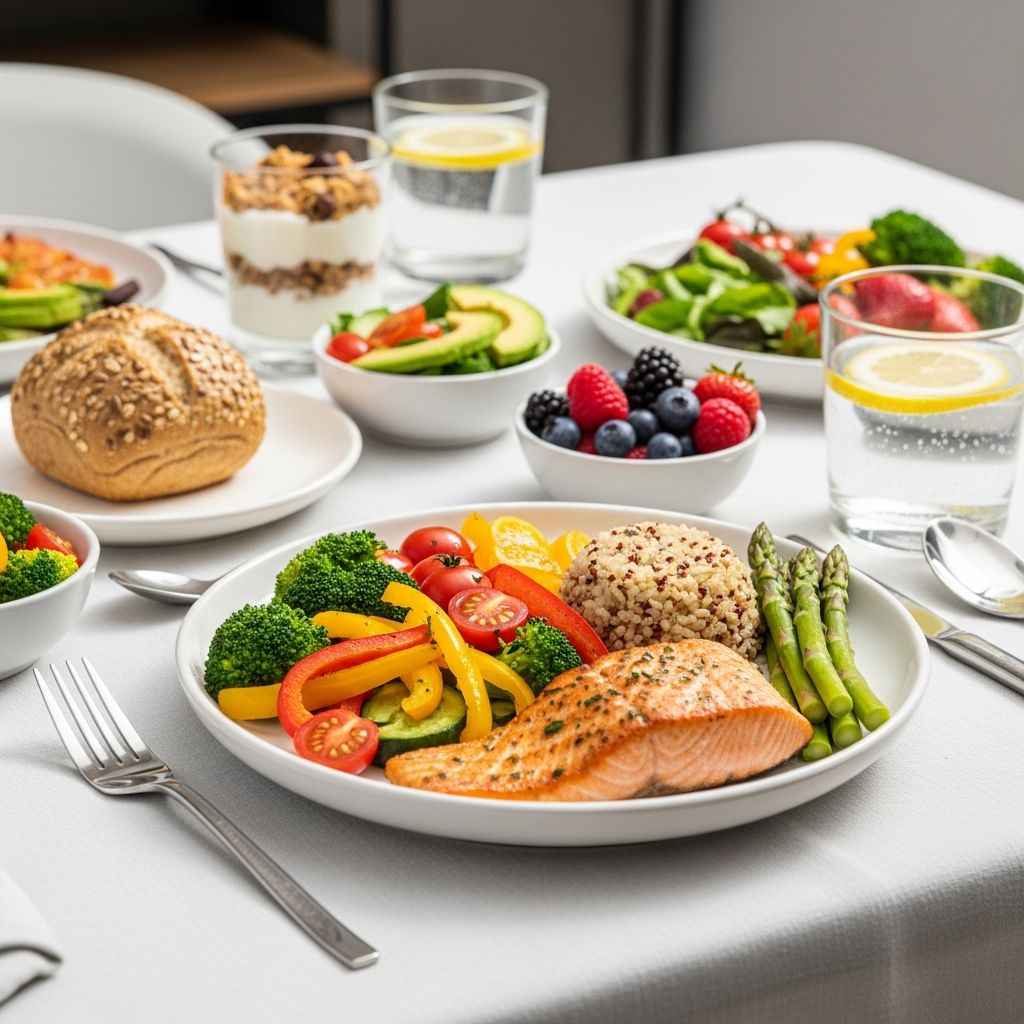
To use the Diabetes Plate method, start with a 9-inch dinner plate (approximately the size of a business envelope) and divide it as follows:
- Half your plate: Fill with non-starchy vegetables such as broccoli, carrots, spinach, salad, green beans, and tomatoes
- One-quarter of your plate: Fill with lean protein sources including chicken, turkey, fish, beans, tofu, or eggs
- One-quarter of your plate: Fill with quality carbohydrate foods such as whole grains, starchy vegetables like potatoes or peas, brown rice, or low-fat dairy products
Additionally, include a piece of fruit, a serving of dairy if not already included, and a beverage such as water or unsweetened tea or coffee. The Diabetes Plate method can be easily customized to match your food preferences while maintaining the recommended proportions for blood sugar control.
Recommended Foods for Diabetes Management
Healthy Carbohydrates
During digestion, sugars and starches break down into blood glucose. Focusing on healthy carbohydrate sources is essential for managing blood sugar levels. Choose carbohydrates that are nutrient-dense and fiber-rich, including:
- Fruits—fresh, frozen, or unsweetened
- Vegetables—especially non-starchy and leafy greens
- Whole grains—such as brown rice, oats, and whole-wheat bread
- Legumes—including beans, lentils, and peas
- Low-fat dairy products—such as milk and yogurt
Avoid less healthy carbohydrates that contain added fats, sugars, and sodium, such as sugary drinks, white bread, refined pasta, and processed snacks.
Lean Protein Sources
Protein is a crucial component of diabetes nutrition as it provides sustained energy and helps maintain stable blood sugar levels. Quality protein sources include:
Related Stories



- Poultry—chicken and turkey without skin
- Fish—especially fatty fish like salmon that provide beneficial omega-3 fatty acids
- Lean cuts of beef and pork
- Eggs and egg whites
- Plant-based proteins—tofu, tempeh, and legumes
- Low-fat dairy—Greek yogurt and cottage cheese
Non-Starchy Vegetables
Non-starchy vegetables should form the foundation of your plate, filling approximately half of your meal. These vegetables are low in calories and carbohydrates while being rich in fiber, vitamins, and minerals. Examples include spinach, carrots, tomatoes, broccoli, green beans, bell peppers, cucumbers, and lettuce.
Healthy Fats
Incorporating healthy fats in appropriate portions supports heart health and satiety. Include fats from sources such as nuts, avocados, olive oil, and fatty fish.
Sample Meal Ideas Using the Diabetes Plate
Main Meals
Lemon Chicken with Rosemary and Garlic
This weeknight-friendly meal demonstrates proper plate proportions. Fill half your plate with a double serving of collard greens with yellow squash (non-starchy vegetables). Complete your plate with half a roasted sweet potato topped with olive oil and chopped herbs (carbohydrate), and the featured lemon chicken with rosemary and garlic (lean protein).
Easy Beef Chili
This versatile meal works well for both lunch and dinner and is ideal for meal preparation. Serve the chili topped with a dollop of Greek yogurt, paired with a kale and apple slaw and a fresh salsa. The beef chili provides lean protein and carbohydrates from beans, while the accompanying vegetables and fruit round out the plate proportions.
Southwest-Style Turkey Meatloaf
A healthier twist on a classic comfort food, this meatloaf pairs perfectly with mashed red potatoes and a green salad with orange, avocado, and onion. The ground turkey serves as your lean protein, the salad and onion provide non-starchy vegetables, and the potatoes and oranges contribute quality carbohydrates.
Slow-Cooker Ratatouille with White Beans
This light, vegetarian option is suitable for dinner or lunch. The vegetable-packed ratatouille gains protein from white beans, creating a satisfying, nutrient-dense meal. Complete the plate with a simple Greek salad dressed with red wine vinaigrette.
Breakfast Ideas
Breakfast is often a smaller meal and may not require all three plate components. However, it should include at least two food groups with emphasis on fiber and protein to keep you satisfied until lunch.
Easy Egg Muffins
These quick, low-carbohydrate breakfast options can be prepared in advance and stored in your refrigerator or freezer for busy mornings. Eggs provide lean protein, while spinach contributes non-starchy vegetables. If you prefer additional carbohydrates, pair the egg muffin with whole-grain toast and add sliced tomato, cucumber, or roasted broccoli to your plate.
Snack Options
If your meal plan includes snacks, choose options that are high in fiber, protein, and healthy fats to maintain satiety between meals.
Turkey and Mozzarella Skewers
These portable, low-carb snacks combine turkey and mozzarella cheese for protein and dairy, with cucumber and tomato for non-starchy vegetables. Prepare several skewers in advance and store them in containers for convenient grab-and-go snacking.
Carbohydrate Choices and Counting
Understanding carbohydrate choices helps you maintain consistent portions and blood sugar control. Your healthcare provider or registered dietitian may recommend selecting specific foods from exchange lists that categorize foods by carbohydrate, protein, fat, and calorie content.
One carbohydrate choice (also called one serving) contains approximately 12 to 15 grams of carbohydrates and has a similar effect on blood sugar regardless of the specific food. This approach allows for flexibility while maintaining portion consistency.
Sample Daily Menu for Diabetes
For individuals requiring 1,200 to 1,600 calories daily, the following menu demonstrates balanced meal planning:
- Breakfast: One medium slice of whole-wheat bread with 2 teaspoons jelly, one-half cup shredded wheat cereal with one cup of 1% low-fat milk, one piece of fruit, and coffee
- Lunch: Roast beef sandwich on wheat bread with lettuce, tomato, and mayonnaise, medium apple, and water
- Dinner: Salmon, 1.5 teaspoons vegetable oil, small baked potato, one teaspoon margarine, one-half cup carrots, one-half cup green beans, medium dinner roll, and unsweetened iced tea
- Snack: 2.5 cups popcorn with 1.5 teaspoons margarine
Portion Control Using Hand-Based Measurements
Understanding proper portion sizes is essential for diabetes management. The CDC provides practical hand-based measurements that require no special tools:
- 3 ounces of meat, fish, or poultry: Approximately the size of your palm (excluding fingers)
- 1 ounce of cheese or meat: Approximately your thumb from tip to base
- 1 cup or 1 medium fruit: Approximately your fist
- 1 to 2 ounces of nuts or pretzels: Approximately your cupped hand
- 1 tablespoon: Approximately your thumb tip from tip to first joint
- 1 teaspoon: Approximately your fingertip from tip to first joint
Key Principles for Long-Term Success
Effective diabetes meal planning goes beyond simply following a diet. Success requires adopting sustainable eating habits that align with your lifestyle, preferences, and health goals. Consider the following principles:
- Personalization: Work with your healthcare team to develop a meal plan customized to your individual needs, medications, and activity level
- Consistency: Eating at regular times helps maintain stable blood sugar levels
- Mindful choices: Select whole, minimally processed foods over refined options whenever possible
- Hydration: Prioritize water and zero-calorie beverages; limit sugary drinks
- Flexibility: Allow room for your favorite foods in appropriate portions rather than complete elimination
- Support: Consider working with a registered dietitian who specializes in diabetes nutrition for personalized guidance
Frequently Asked Questions
Q: Can I eat fruit if I have diabetes?
A: Yes, fruits are an important source of fiber, vitamins, and minerals. The key is choosing whole fruits (not juices) and including them as part of your carbohydrate portion on the Diabetes Plate. Fresh or frozen unsweetened fruits are preferred over canned varieties with added sugars.
Q: How often should I eat snacks?
A: Snacking frequency depends on your individual meal plan and medication regimen. If your plan includes snacks, choose options high in fiber, protein, and healthy fats to maintain satiety. Discuss snacking timing and portions with your healthcare provider.
Q: Is the Diabetes Plate method suitable for all diabetes types?
A: The Diabetes Plate method is a flexible framework that can be adapted to different diabetes management patterns and individual needs. However, your specific requirements may vary based on your type of diabetes, medications, and health status, so consult with your healthcare team.
Q: How do I know if my meal plan is working?
A: Regular blood sugar monitoring, tracking how you feel, maintaining a healthy weight, and observing improvements in energy levels are all indicators of an effective meal plan. Work with your healthcare provider to review your blood glucose records periodically.
Q: Can I meal prep with the Diabetes Plate method?
A: Yes, many recipes designed for the Diabetes Plate method, such as egg muffins, chili, and roasted vegetables, can be prepared in advance and stored for convenient weekday meals. This approach helps maintain consistency and reduces preparation time.
References
- Create-Your-Plate: Simplify Meal Planning with the Diabetes Plate — Diabetes Food Hub. Accessed January 2026. https://diabetesfoodhub.org/blog/create-your-plate-simplify-meal-planning-diabetes-plate
- Diabetes Diet: Create Your Healthy-Eating Plan — Mayo Clinic. Accessed January 2026. https://www.mayoclinic.org/diseases-conditions/diabetes/in-depth/diabetes-diet/art-20044295
- Tips for Eating Well — American Diabetes Association. Accessed January 2026. https://diabetes.org/food-nutrition/eating-healthy
- Diabetes Meal Planning — Centers for Disease Control and Prevention (CDC). Accessed January 2026. https://www.cdc.gov/diabetes/healthy-eating/diabetes-meal-planning.html
Similar Articles








Read full bio of medha deb