Diabetes Mellitus: Symptoms, Treatment & Prevention Guide
Comprehensive guide to diabetes mellitus: symptoms, diagnosis, treatment, complications, and prevention strategies for better management.

Diabetes mellitus is a chronic condition where the body cannot properly regulate blood glucose (sugar) levels, leading to persistently high blood sugar known as hyperglycaemia. This occurs due to insufficient insulin production or the body’s cells not responding effectively to insulin, the hormone responsible for transporting glucose into cells for energy. Affecting millions worldwide, diabetes requires ongoing management to prevent serious complications. This leaflet covers all key aspects, from types and symptoms to treatment and prevention, empowering patients with evidence-based knowledge.
Types of Diabetes
There are two primary types of diabetes mellitus: type 1 and type 2, each with distinct causes and characteristics.
Type 1 Diabetes
Type 1 diabetes, often diagnosed in children and young adults, results from the immune system attacking and destroying insulin-producing beta cells in the pancreas. This leads to little or no insulin production, causing blood glucose levels to rise significantly. Patients require lifelong insulin therapy via injections or pumps. Symptoms develop quickly, often over days or weeks.
Type 2 Diabetes
Type 2 diabetes, the most common form (90-95% of cases), typically develops in adults over 40 but is increasingly seen in younger people due to rising obesity rates. It occurs when the body becomes resistant to insulin, and over time, the pancreas fails to produce enough insulin. Risk factors include obesity, family history, and sedentary lifestyle. Many cases (up to 60%) are asymptomatic at diagnosis.
Other Types of Diabetes
Beyond type 1 and type 2, other forms include:
- Gestational diabetes: Develops during pregnancy, usually resolving post-delivery but increasing future type 2 risk.
- Monogenic diabetes: Rare genetic forms like Maturity-Onset Diabetes of the Young (MODY).
- Secondary diabetes: Caused by conditions such as pancreatitis, cystic fibrosis, or steroid use.
What Causes Diabetes?
The root cause is disrupted glucose homeostasis. Glucose, derived from food, is the body’s main energy source. Insulin facilitates its entry into cells. In type 1, autoimmune destruction halts insulin production. In type 2, insulin resistance (often linked to excess fat) combined with beta-cell dysfunction prevails. Genetic predisposition, environmental factors like viral infections (type 1), and lifestyle (type 2) contribute. High-risk groups for type 2 include those with BMI over 27 kg/m² (White ethnicities) or 25 kg/m² (Black, Asian, other groups).
What Are the Symptoms of Diabetes?
Symptoms arise from hyperglycaemia and vary by type. Common signs include:
- Frequent urination (polyuria) due to glucose spilling into urine, drawing water osmotically.
- Excessive thirst (polydipsia) from dehydration.
- Unexplained weight loss (especially type 1).
- Fatigue and blurred vision.
- Slow-healing wounds and recurrent infections.
- In severe cases, diabetic ketoacidosis (type 1): nausea, vomiting, abdominal pain, fruity breath.
Not everyone experiences symptoms; 6 in 10 type 2 cases are diagnosed incidentally. Hypoglycaemia (low blood sugar, below 70 mg/dL) can occur with treatment, causing sweating, tremor, hunger, confusion.
How is Diabetes Diagnosed?
Diagnosis uses blood tests:
| Test | Diagnostic Threshold |
|---|---|
| Fasting Plasma Glucose | ≥7.0 mmol/L (after 8-hour fast) |
| HbA1c | ≥48 mmol/mol (6.5%) |
| Oral Glucose Tolerance Test (OGTT) | ≥11.1 mmol/L at 2 hours post-75g glucose |
| Random Plasma Glucose | ≥11.1 mmol/L with symptoms |
Repeat testing confirms diagnosis. Annual reviews monitor HbA1c (target <53 mmol/mol for most), kidney function (urine protein), blood pressure, cholesterol, and retinopathy screening.
How is Diabetes Treated?
Treatment aims for optimal glucose control while minimising risks. Strategies include:
Related Stories



- Lifestyle: Healthy diet (high-fibre, low-GI: fruits, vegetables, whole grains, pulses), weight loss if overweight, ≥150 minutes weekly physical activity.
- Medications (Type 2): Metformin first-line; others like SGLT2 inhibitors, GLP-1 agonists, sulfonylureas. NHS Low Calorie Diet Programme offers 800-900 kcal/day meal replacements for eligible patients (diagnosed <6 years, BMI criteria), achieving remission in up to 46%.
- Insulin: Essential for type 1; added in advanced type 2.
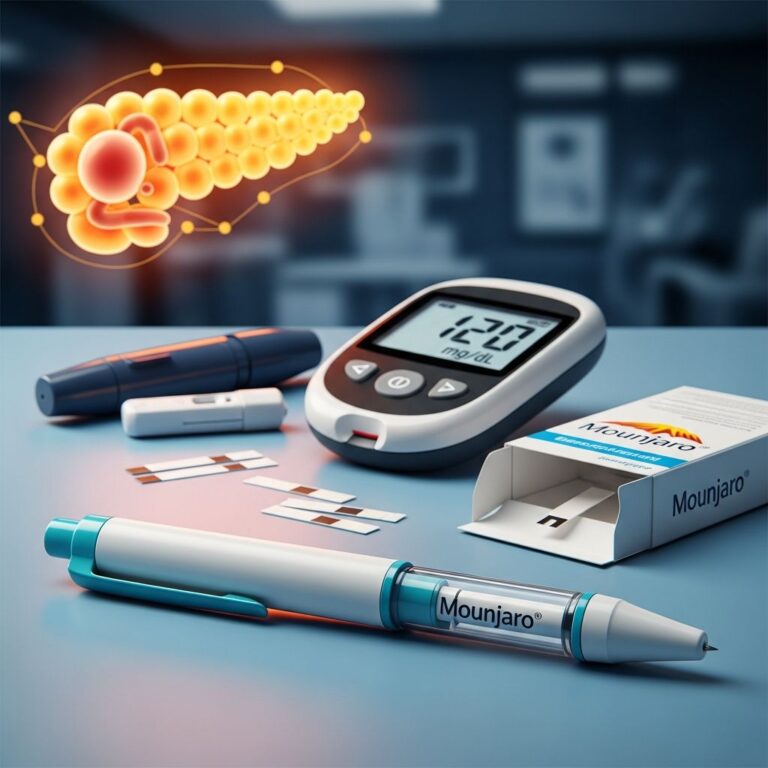
- Monitoring: Self-blood glucose monitoring (SBGM), continuous glucose monitors (CGM), HbA1c tests.
- Education: DESMOND programme covers causes, monitoring, food choices, activity, complications. MyDESMOND app tracks HbA1c, weight, steps.
Post-diagnosis, practice nurses provide telephone support on lifestyle, medication, targets. Patient leaflets improve knowledge, compliance, glycaemic control, reducing hypoglycaemia.
Aims of Diabetes Treatment
Primary goal: Maintain HbA1c <48-53 mmol/mol (individualised), fasting glucose 4-7 mmol/L, post-meal <8.5 mmol/L. Secondary: Normal blood pressure (<140/80 mmHg), cholesterol, weight; prevent complications via smoking cessation, foot care, vaccinations.
Complications of Diabetes
Poor control leads to macrovascular (heart attack, stroke, peripheral vascular disease) and microvascular issues:
- Retinopathy: Vision loss from retinal damage.
- Nephropathy: Kidney failure (proteinuria screening key).
- Neuropathy: Nerve damage causing pain, ulcers.
- Foot problems: Ulcers, amputations from poor circulation/neuropathy.
- Cardiovascular disease: 2-4x higher risk.
Early detection via annual checks mitigates risks.
Diabetes in Pregnancy
Gestational diabetes affects 2-5% of pregnancies, screened at 24-28 weeks. Management: diet, exercise, insulin if needed. Tight control prevents macrosomia, pre-eclampsia. Pre-existing diabetes requires preconception counselling, folate, optimal HbA1c (<48 mmol/mol).
Can Diabetes Be Prevented?
Type 1: Not preventable. Type 2: Up to 58% preventable via lifestyle. Key strategies:
- Maintain healthy weight (5-10% loss reduces risk).
- Balanced diet, limit sugars/processed foods.
- Regular exercise.
- Avoid smoking.
- Screen high-risk individuals.
Programmes like NHS Low Calorie Diet promote remission.
What is the Outlook for People with Diabetes?
With good management, life expectancy nears non-diabetic levels. Type 2 remission possible early post-diagnosis via weight loss (e.g., DiRECT trial: 46% remission at 1 year). Ongoing care reduces complication rates. Multidisciplinary support (DESMOND, apps) enhances self-management. When unwell, monitor glucose closely, adjust insulin/orals, seek help if hyperglycaemic.
Understanding Glucose and Insulin
Glucose powers cells; pancreas releases insulin post-meals to lower blood glucose by promoting uptake/storage. In diabetes, this fails: type 1 (no insulin), type 2 (resistance + deficiency). Hyperglycaemia damages vessels/nerves long-term. Hypoglycaemia treatment: 15g fast carbs (glucose tabs, juice), recheck 15 mins.
Frequently Asked Questions (FAQs)
Q: What is the most common type of diabetes?
A: Type 2 diabetes accounts for 90-95% of cases, often linked to lifestyle factors.
Q: Can type 2 diabetes be reversed?
A: Yes, remission is possible with significant weight loss, as shown in trials like DiRECT.
Q: How often should I monitor my blood sugar?
A: Depends on treatment; typically 4-7 times daily for insulin users, guided by healthcare team.
Q: What diet is best for diabetes?
A: High-fibre, low-GI foods: fruits, veggies, whole grains, lean proteins; limit sugars.
Q: Are there symptoms of low blood sugar?
A: Yes: sweating, shaking, hunger, confusion. Treat promptly with sugar.
References
- Type 2 Diabetes Patient Information Leaflet — Torkard Hill Medical Centre. 2023. https://www.torkardhill.co.uk/_common/getdocument?id=235716
- The impact of patient information leaflets to prevent hypoglycemia in outpatients with type 2 diabetes — Ars Pharm. 2019-01-01. https://scielo.isciii.es/pdf/ars/v60n1/2340-9894-ars-60-01-5.pdf
- Diabetes Mellitus Leaflet — Patient.info. 2025. https://patient.info/diabetes/diabetes-mellitus-leaflet
- Type 2 Diabetes — Patient.info (NHS). 2025. https://patient.info/diabetes/type-2-diabetes
- Diabetes Mellitus: Causes, Symptoms, and Treatment — Patient.info (Professional). 2025. https://patient.info/doctor/endocrine-disorders/diabetes-mellitus-pro
- Diabetes and Illness — Patient.info (NHS). 2025. https://patient.info/diabetes/diabetes-and-illness
- Type 1 Diabetes — Patient.info (NHS). 2025. https://patient.info/diabetes/type-1-diabetes
Similar Articles








Read full bio of Sneha Tete