Diabetes-Related Foot Conditions: Symptoms & Treatment
Comprehensive guide to understanding, preventing, and treating diabetes-related foot complications.
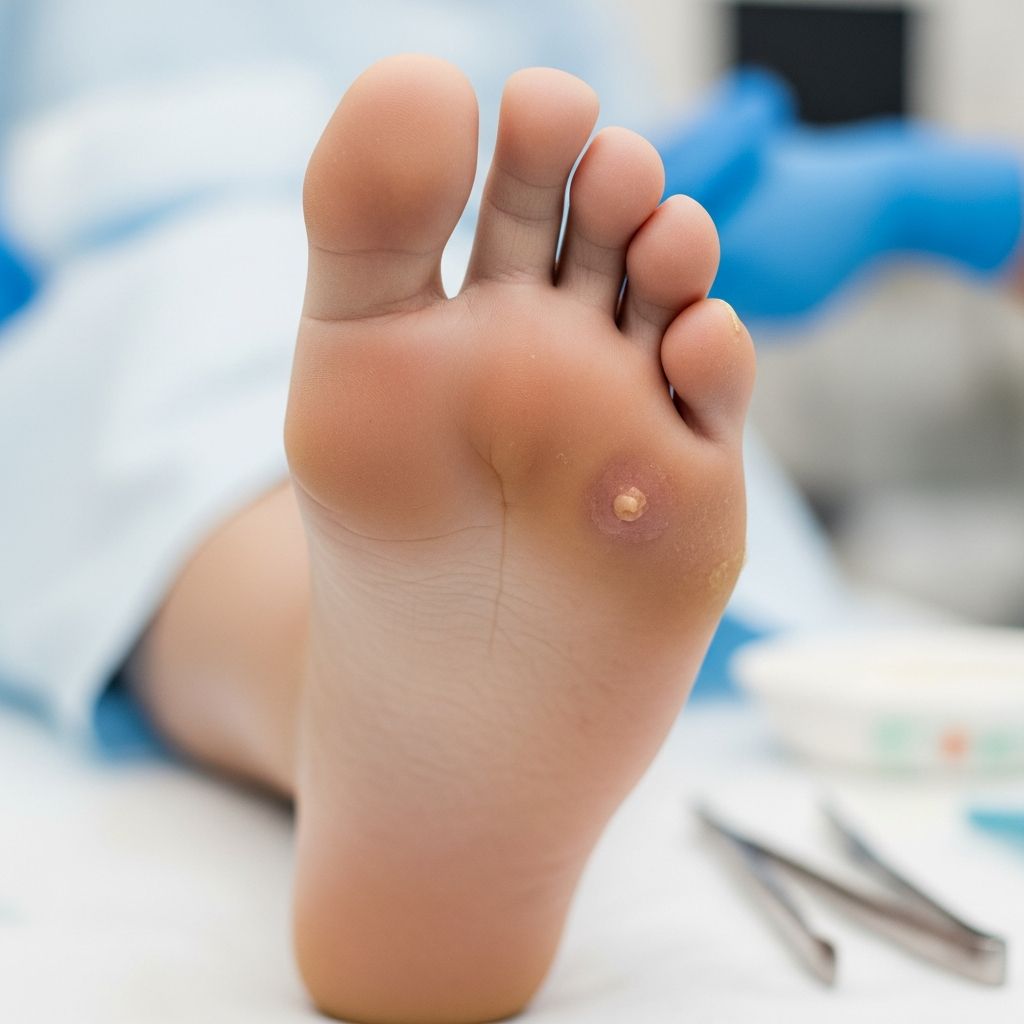
Understanding Diabetes-Related Foot Conditions
People with diabetes face a significantly elevated risk of developing foot complications, particularly when they experience diabetes-related neuropathy or poor circulation. Diabetes-related neuropathy occurs when persistently high blood sugar levels cause nerve damage, most commonly affecting the feet and lower extremities. This condition can make it difficult or impossible to feel pain, temperature changes, or pressure on your feet, creating a dangerous situation where minor injuries can escalate into serious complications.
Any skin, nerve, or circulation-related issue affecting your foot carries an increased risk of developing into an infection or serious complication when diabetes is present. Understanding these conditions and taking proactive steps to prevent them is essential for maintaining mobility and quality of life.
Common Diabetes-Related Foot Conditions
Several foot and toe conditions can develop in people with diabetes and may lead to serious complications if left untreated:
Foot and Toe Ulcers
Foot and toe ulcers represent some of the most common foot problems affecting people with diabetes. Approximately 15% of individuals with diabetes will develop a foot or toe ulcer at some point. These ulcers typically develop in areas where your foot repeatedly rubs or presses against shoes or other surfaces. The combination of reduced sensation and poor circulation makes these ulcers particularly dangerous, as they may worsen before you even notice them.
Charcot Foot
Charcot foot is a serious condition that develops when repetitive trauma occurs to a foot that lacks normal sensation. The ongoing stress and minor injuries cause the bones and joints in the foot to deteriorate progressively. Early symptoms of Charcot foot include swelling, redness, warmth, and pain in the foot. Recognizing these early signs is critical because seeking immediate medical attention can help prevent permanent damage and deformity.
Corns and Calluses
Corns and calluses develop due to repeated pressure and friction on the skin. In people with diabetes, these seemingly minor issues require careful management because reduced sensation may prevent you from noticing when they become infected or develop into open sores.
Ingrown Toenails and Nail Infections
Ingrown toenails, fungal infections, and other nail problems are more serious in diabetic patients. Attempting to treat ingrown nails yourself can lead to serious infections. Professional care is essential to prevent complications.
Root Causes of Diabetes-Related Foot Problems
High Blood Sugar and Nerve Damage
Persistently elevated blood sugar levels can damage the delicate nerves and small blood vessels throughout your body. Research on individuals with Type 2 diabetes indicates that maintaining an A1C level over 7% for at least three years significantly increases your risk of developing diabetes-related neuropathy. Since each person responds differently to high blood sugar, it’s impossible to predict exactly how high your levels need to be or for how long to cause neuropathy or peripheral arterial disease (PAD).
Related Stories



Poor Circulation
High blood sugar can damage small blood vessels, reducing blood flow to your feet. This compromised circulation makes it harder for your body to fight infections and heal wounds naturally. Combined with reduced sensation from neuropathy, poor circulation creates a particularly dangerous scenario.
Inadequate Foot Care Practices
Poor foot care habits significantly increase your risk of developing foot conditions. Wearing ill-fitting shoes, walking barefoot, and neglecting to treat minor cuts and sores with basic first-aid methods can all lead to serious complications. Many people underestimate how quickly a small problem can become major when diabetes is involved.
Symptoms and Warning Signs
Being aware of warning signs allows for early intervention and prevention of serious complications. Check your feet regularly for:
- Dry or cracked skin
- Cuts, open sores, or blisters
- Redness, swelling, or unusual warmth
- Corns or calluses
- Toenail problems, including discoloration or thickening
- Pain, numbness, or tingling sensations
- Signs of infection such as drainage or pus
If you have difficulty examining your own feet, ask a family member or friend to help you, or use a mirror to see the bottom of your feet more clearly.
Diagnosis of Diabetes-Related Foot Conditions
When you visit your healthcare provider with foot concerns, they will conduct a comprehensive evaluation to diagnose diabetes-related foot conditions. The diagnostic process typically includes:
- Physical examination of both feet, including inspection of the top, bottom, between the toes, and toenails
- Assessment of circulation through pulses and possibly vascular testing
- Neurological testing to evaluate nerve function and sensation
- Evaluation of any existing ulcers, sores, or skin changes
- Discussion of your diabetes management and blood sugar control
For ulcers or blisters, your healthcare provider will likely document wound characteristics, perform wound cultures if infection is suspected, and may order imaging studies to assess bone involvement or deeper tissue damage.
Treatment Options
Treatment for diabetes-related foot conditions varies depending on the specific diagnosis and severity. It is essential to seek professional medical help rather than attempting self-treatment, as improper care can lead to serious complications including infection and amputation.
Professional Care Specialists
Treatment often involves collaboration between multiple specialists. A podiatrist specializes in foot care and can address conditions such as foot ulcers, corns, calluses, and ingrown toenails, while also performing various surgical procedures. Orthopedic and foot and ankle surgeons address more complex problems involving bones, fractures, soft tissues, and joints. Your healthcare team may also include certified pedorthists who specialize in therapeutic shoe fitting and custom orthotic devices.
Wound Care and Debridement
For ulcers and infected wounds, sharp debridement—the removal of dead, damaged, or infected tissue—is often appropriate. Because neuropathic patients experience reduced pain sensation, this procedure can typically be performed with minimal discomfort. Proper wound care prevents infection and promotes healing.
Footwear and Orthotic Devices
Wearing appropriate footwear is one of the most critical aspects of managing diabetes-related foot conditions. Shoes should be comfortable, provide adequate support, and accommodate any foot deformities. For patients with ulcerations or other significant problems, extra-depth shoes with custom-molded inserts or fully custom-molded shoes are preferable to standard footwear. Orthotic devices such as ankle-foot orthotics can provide additional support and accommodation for deformities, helping to prevent further damage and distribute pressure more evenly across the foot.
Charcot Foot Management
For Charcot foot in its quiescent (inactive) stage, an ankle-foot orthotic combined with custom-molded shoes can accommodate deformities that have already developed while helping to prevent additional deformities from forming.
Prevention Strategies
Preventing diabetes-related foot conditions is far more effective than treating them after they develop. Several key steps can significantly reduce your risk:
Blood Sugar Management
The most important preventive measure is managing your blood sugar effectively to avoid or delay the development of neuropathy and circulation problems. Work regularly with your diabetes healthcare provider, such as an endocrinologist, to optimize your management plan. Ask about advances in diabetes management technology, including continuous glucose monitoring (CGM) systems, which can help you maintain better control.
Daily Foot Care Routine
Establish a comprehensive daily foot care routine:
- Wash your feet with warm water and mild soap daily
- Dry your feet thoroughly, especially between the toes
- Moisturize your feet with lotion to prevent cracked skin
- Examine your feet completely each day, using a mirror if necessary
- Trim toenails straight across and file them smooth
- Never walk barefoot, indoors or outdoors
Proper Footwear Selection
Wear supportive, comfortable shoes that fit properly. Shoes should accommodate any foot deformities and pressure points. Avoid tight shoes and high heels, which can create excessive pressure and friction. If you have established foot problems or ulcerations, custom shoes may be necessary.
Regular Professional Monitoring
Schedule regular appointments with your healthcare provider for professional foot examinations. Early detection of problems allows for prompt intervention before complications develop.
Living with Diabetes-Related Foot Conditions
Your outlook for managing diabetes-related foot conditions depends on several factors, including your ability to control your blood sugar, the severity of your neuropathy or circulation problems, whether you follow recommended foot care practices, and how quickly you seek treatment for new problems. Your healthcare provider will give you a better understanding of what to expect based on your unique situation.
Most serious foot complications can be prevented through diligent management and proper care. Even if you’ve already experienced foot problems related to your diabetes, continuing to follow preventive strategies and seek prompt medical attention for new issues can help you avoid amputation and maintain your quality of life.
Nine Easy Steps to Basic Skin Care for Diabetes
In addition to foot-specific care, maintaining overall skin health is important for preventing complications:
- Keep your skin clean and dry
- Moisturize regularly to prevent cracking and drying
- Avoid extreme temperature changes to skin
- Use gentle, fragrance-free skin products
- Protect your skin from injuries and trauma
- Inspect your entire body regularly for skin changes
- Treat minor cuts and scrapes promptly with basic first aid
- Avoid smoking, which impairs circulation and healing
- Report any skin infections or unusual changes to your healthcare provider immediately
When to Seek Medical Attention
Contact your healthcare provider immediately if you notice:
- Any open sores or ulcers on your feet
- Signs of infection including pus, increased warmth, or foul odor
- Sudden swelling, redness, or warmth in your foot
- Changes in skin color or temperature
- Worsening pain or numbness
- Ingrown toenails that don’t improve with self-care
- Fungal infections that spread or don’t respond to treatment
Frequently Asked Questions
Q: What percentage of people with diabetes develop foot ulcers?
A: Approximately 15% of people with diabetes will develop a foot or toe ulcer at some point in their lives.
Q: What is the most important step in preventing diabetes-related foot problems?
A: Managing your blood sugar effectively is the most critical preventive measure. Maintaining good glycemic control helps prevent or delay the development of neuropathy and poor circulation.
Q: Can I treat diabetes-related foot problems myself?
A: No. It is essential to get professional medical help for diabetes-related foot conditions rather than attempting self-treatment, as improper care can lead to serious complications including infection and amputation.
Q: How often should I check my feet?
A: You should examine your feet completely every single day, checking the tops, bottoms, between the toes, and toenails for any changes or problems.
Q: What type of shoes should I wear if I have diabetes?
A: Wear supportive, comfortable shoes that fit properly and accommodate any foot deformities. For people with ulcers or established problems, extra-depth shoes with custom-molded inserts or fully custom-molded shoes are preferable.
Q: Can diabetes-related foot complications be prevented?
A: Yes. Through good blood sugar management, daily foot care, wearing appropriate footwear, and regular medical check-ups, most serious foot complications can be prevented.
References
- A practical guide for examining and treating the diabetic foot — Cleveland Clinic Journal of Medicine, Department of Orthopaedic Surgery. 2002-04. https://www.ccjm.org/content/ccjom/69/4/342.full.pdf
- Diabetes-Related Foot Conditions: Symptoms & Treatment — Cleveland Clinic. 2025-12. https://my.clevelandclinic.org/health/diseases/21510-diabetic-feet
- Skin, Foot and Dental Care for People with Diabetes — Cleveland Clinic Abu Dhabi. 2025-12. https://www.clevelandclinicabudhabi.ae/en/health-hub/health-resource/diseases-and-conditions/skin-foot-and-dental-care-for-people-with-diabetes
- Managing Diabetes – Treatment Guide — Cleveland Clinic Endocrinology & Metabolism. 2025-12. https://my.clevelandclinic.org/-/scassets/files/org/endocrinology-metabolism/managing-diabetes-treatment-guide.ashx
- Foot & Ankle Center Services — Cleveland Clinic Department of Orthopaedics & Rheumatology. 2025-12. https://my.clevelandclinic.org/departments/orthopaedics-rheumatology/depts/foot-ankle-center
Similar Articles








Read full bio of medha deb