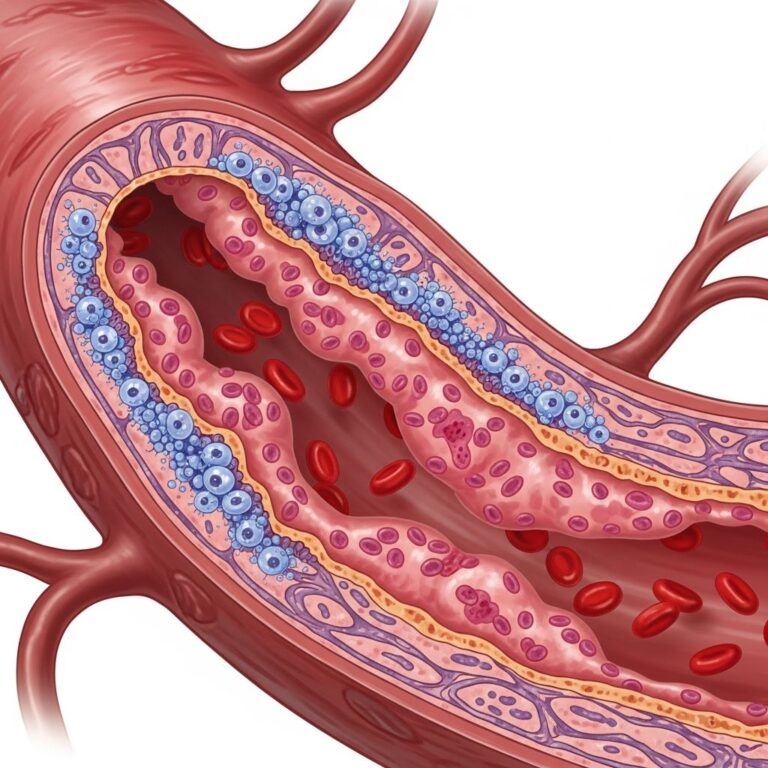
Diabetes And Safe Driving: 4 Practical Tips For The Road
Essential guidelines for managing diabetes while driving to ensure road safety and compliance with regulations.
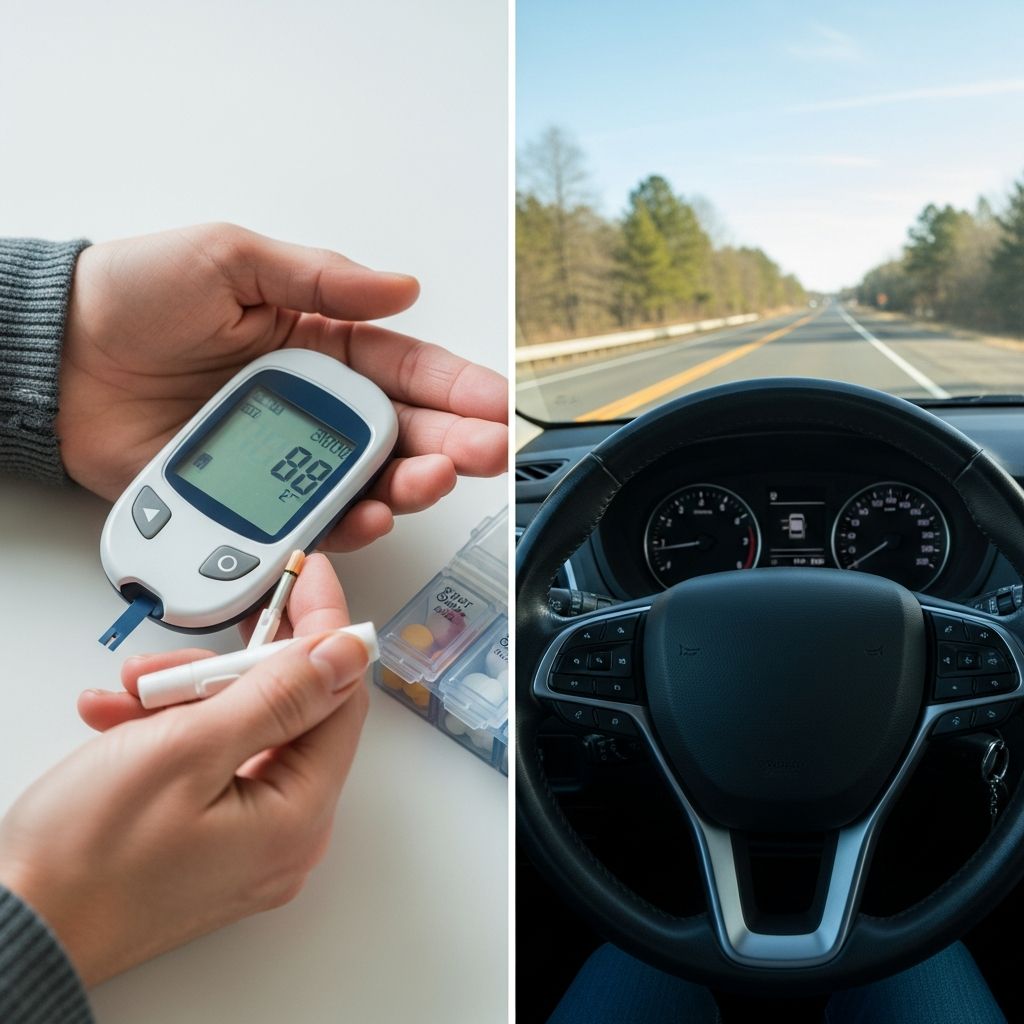
Individuals living with diabetes can drive safely when they maintain proper blood glucose control and adhere to established guidelines. Research indicates that overall crash rates for people with diabetes are comparable to or even lower than those in the general population, with specific risks tied primarily to severe hypoglycemia rather than the condition itself.
Understanding Driving Risks Associated with Diabetes
Diabetes affects driving primarily through fluctuations in blood glucose levels, particularly low blood sugar events known as hypoglycemia. Severe hypoglycemia impairs cognitive functions essential for safe driving, such as reaction time, attention, and decision-making. Studies show that drivers with diabetes experience at-risk glucose levels during about 12.75% of their driving time, including hypoglycemia in 3.38% of cases and severe hyperglycemia in 9.37%.
While type 1 diabetes patients may face a slightly elevated risk, insulin therapy alone does not inherently increase accident rates. A population-based study found annual accident rates of 856 per 100,000 for diabetics versus 1,469 per 100,000 for non-diabetics, suggesting no heightened group-level risk. The key concern is a history of severe hypoglycemic episodes, which correlates strongly with future collisions regardless of diabetes type.
Hypoglycemia: The Primary Concern on the Road
Hypoglycemia occurs when blood glucose drops below 70 mg/dL, but severe cases (below 54 mg/dL) pose the greatest threat. During these episodes, drivers may exhibit aggressive acceleration, reduced speed control, and cognitive lapses. Real-time data from instrumented vehicles reveal that acceleration events rise as glucose levels fall, peaking during hypoglycemia.
- Hypoglycemia impairs judgment, leading to failure to recognize symptoms while driving.
- Severe events while driving account for a small but significant portion of diabetes-related incidents.
- Hyperglycemia, though less impairing acutely, contributes to fatigue and dehydration over time.
A meta-analysis confirms that drivers with a recent history of severe hypoglycemia have exponentially higher collision risks: one episode in the past year doubles the odds, while multiple events amplify it further.
Types of Diabetes and Their Driving Implications
| Diabetes Type | Key Driving Risk Factors | Crash Risk Relative to General Population |
|---|---|---|
| Type 1 | Higher hypoglycemia frequency due to insulin dependence | Slightly elevated (relative risk ~1.1-1.2) |
| Type 2 (non-insulin) | Lower hypoglycemia risk; more hyperglycemia concerns | Comparable or lower |
| Type 2 (insulin-treated) | Similar to type 1 if severe hypo history present | No significant increase without hypo events |
Diagnosis alone does not predict risk; physiological states during driving are more critical. Drivers with diabetes show elevated crash and citation rates in state records, but these link to unmanaged glucose rather than the condition per se.
Essential Monitoring Practices for Drivers
Regular blood glucose checks are crucial before and during drives. Recommendations include:
- Testing within 60 minutes prior to driving and every 2 hours on long trips.
- Maintaining levels above 90-100 mg/dL before starting.
- Carrying fast-acting carbohydrates like glucose tabs or juice for emergencies.
Approximately 70% of drivers report pulling over during hypoglycemic episodes, but only 40% consistently follow pre-drive testing protocols. Continuous glucose monitors (CGMs) with alerts can prevent unaware episodes, enhancing safety.
Related Stories



Legal Requirements and Licensing for Diabetic Drivers
Regulations vary by region but often impose stricter rules on insulin users. In many jurisdictions, insulin-treated drivers must self-certify stable control and report severe hypoglycemia episodes. Mandatory clinician reporting is debated, as evidence shows it does not reduce accidents and may deter honest patient-clinician communication.
Key factors prompting evaluation include impaired hypoglycemia awareness, recurrent severe events, or prior hypo-related crashes. Vision loss or neuropathy also warrant assessment. Licensing authorities emphasize individualized risk assessment over blanket restrictions.
Strategies to Mitigate Risks and Enhance Safety
Proactive management minimizes diabetes-related driving hazards:
- Educate on symptoms: Train to recognize shakiness, sweating, confusion early.
- Plan routes: Identify rest stops for checks on extended drives.
- Use technology: CGMs, apps for logging levels, and vehicle safety features.
- Consult professionals: Discuss driving with endocrinologists for personalized advice.
Studies advocate education and screening for at-risk individuals rather than universal bans. Advanced driver assistance systems detecting real-time impairments show promise for future interventions.
Healthcare Provider Role in Promoting Safe Driving
Clinicians should assess driving fitness during routine visits, focusing on:
- Frequency of severe hypoglycemia.
- Ability to self-treat lows promptly.
- Adherence to monitoring routines.
Only 62% of professionals routinely advise pre-drive testing for insulin users, highlighting a need for better training. Providers must balance reporting duties with encouraging open dialogue to optimize treatment and safety.
Common Myths and Facts About Diabetes and Driving
| Myth | Fact | Evidence |
|---|---|---|
| Insulin users always pose higher risks | Risk ties to hypo history, not insulin per se | |
| Diabetes doubles crash odds | Overall risk similar or lower; meta-analysis shows 1.2% non-significant increase | |
| Mandatory reporting improves safety | No evidence; discourages treatment-seeking |
Frequently Asked Questions (FAQs)
What should my blood glucose be before driving?
Aim for at least 90-100 mg/dL to buffer against drops. Test 60 minutes prior and periodically.
Do I need to notify authorities of my diabetes?
Insulin users often must self-report and certify control. Check local laws for specifics.
Can severe hypoglycemia cause accidents?
Yes, prior episodes exponentially raise future risk. Avoid driving if recent events occurred.
Is type 2 diabetes riskier for commercial driving?
Risks are individualized; stable control allows qualification in most cases.
What if I feel symptoms while driving?
Pull over safely, treat with carbs, and wait 15-20 minutes before resuming.
Long-Term Management for Confident Driving
Sustained glycemic control through diet, exercise, and medication adherence forms the foundation. Annual eye exams detect retinopathy early, preserving vision. Neuropathy screening prevents foot sensation loss affecting pedals.
Community resources, support groups, and diabetes education programs empower drivers. Research continues into biomarkers and tech for real-time risk prediction, promising even safer roads ahead.
References
- Road traffic accidents and diabetes: insulin use does not … — PubMed. 2008-05-01. https://pubmed.ncbi.nlm.nih.gov/18445171/
- Diabetes and Driving: A Statement of the American Diabetes … — Diabetes Care. 2024-11-01. https://diabetesjournals.org/care/article/47/11/1889/157262/Diabetes-and-Driving-A-Statement-of-the-American
- At-Risk Driving Behavior in Drivers with Diabetes — University of Nebraska Medical Center. 2023-01-01. https://www.unmc.edu/mbhl/_documents/research/merickel-riskdiabetes.pdf
- Diabetes and Driving — American Diabetes Association. 2023-09-01. https://diabetes.org/sites/default/files/2023-09/ada-position-statement-diabetes-driving.pdf
- Diabetes and Driving: A Statement of the American Diabetes … — Endocrinology Advisor. 2024-01-01. https://www.endocrinologyadvisor.com/pri/diabetes-and-driving-a-statement-of-the-american-diabetes-association/
- Higher Prevalence of Hypoglycemia and Unsafe Driving Practices … — Diabetes Care. 2023-04-01. https://diabetesjournals.org/care/article/46/4/e92/148376/Higher-Prevalence-of-Hypoglycemia-and-Unsafe
Similar Articles








Read full bio of medha deb