Diabetes Screening: 5 Essential Tests, Who Should Be Tested
Comprehensive insights into detecting prediabetes and diabetes early through proven tests and screening strategies for better health outcomes.
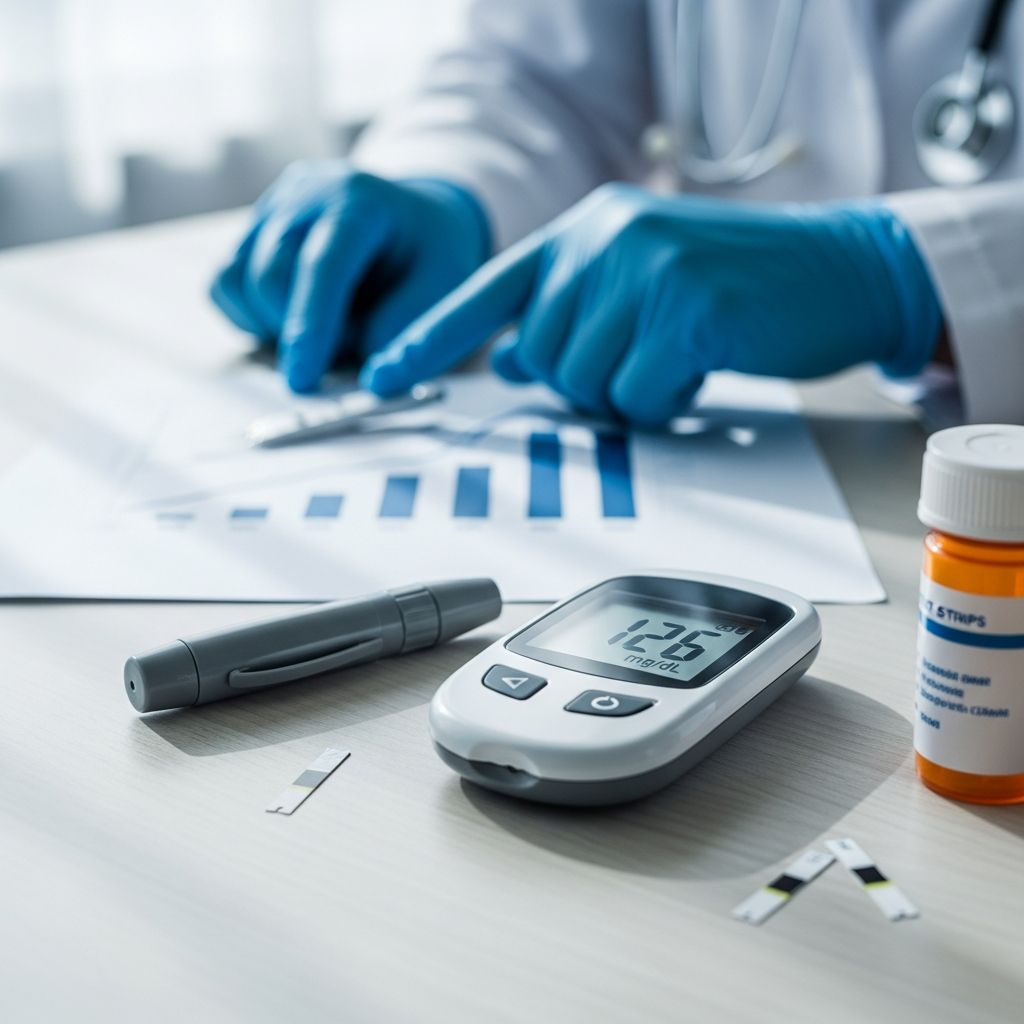
Early detection of diabetes through systematic screening plays a crucial role in preventing complications and enabling timely intervention. This guide details the primary diagnostic tests, who should get screened, interpretation of results, and practical steps for assessment.
Understanding Prediabetes and Diabetes
Prediabetes represents a condition where blood glucose levels are elevated but not yet high enough for a diabetes diagnosis, serving as a warning sign for potential progression to type 2 diabetes. Type 2 diabetes occurs when the body becomes resistant to insulin or does not produce enough, leading to sustained high blood sugar. Type 1 diabetes, an autoimmune condition, involves the immune system attacking insulin-producing cells in the pancreas.
Recognizing these stages early allows for lifestyle changes or treatments that can delay or prevent full onset. For type 1, screening focuses on autoantibodies, while type 2 emphasizes glucose-based metrics.
Primary Screening and Diagnostic Tests
Several blood tests form the backbone of diabetes screening, each offering unique advantages in accuracy and convenience. These include fasting plasma glucose, HbA1c, oral glucose tolerance test, and random plasma glucose.
Fasting Plasma Glucose Test
This test measures blood sugar after an overnight fast of at least 8 hours. It provides a reliable snapshot of baseline glucose levels. Results categorize as normal (<100 mg/dL), prediabetes (100-125 mg/dL), or diabetes (≥126 mg/dL on two occasions).
HbA1c (A1C) Test
The A1C test reflects average blood glucose over 2-3 months by measuring glycated hemoglobin. No fasting is required, making it ideal for routine checks. Diagnostic thresholds are: normal (<5.7%), prediabetes (5.7-6.4%), diabetes (≥6.5%).
| Result Category | A1C Level |
|---|---|
| Normal | <5.7% |
| Prediabetes | 5.7% to 6.4% |
| Diabetes | ≥6.5% |
Oral Glucose Tolerance Test (OGTT)
In this test, after fasting, a patient drinks a 75g glucose solution, and blood is sampled after 2 hours. Levels ≥200 mg/dL indicate diabetes, 140-199 mg/dL prediabetes. It’s more sensitive for gestational diabetes but less convenient due to time.
Random Plasma Glucose Test
Used when symptoms like excessive thirst or frequent urination are present, this measures glucose at any time. ≥200 mg/dL with symptoms confirms diabetes.
Type 1 Diabetes Autoantibody Screening
For type 1 risk, tests detect autoantibodies like GAD, IA-2A, IAA, and ZnT8. Two or more persistent autoantibodies signal high risk of progression.
- Reduces diabetic ketoacidosis risk at onset.
- Enables trial participation for delay therapies.
Who Needs Screening and When
Guidelines recommend universal screening for adults over 35-45, regardless of risk, with repeats every 3 years if normal. Higher-risk groups warrant earlier or more frequent testing.
- Overweight or obese (BMI ≥25, or ≥23 for Asian Americans) with additional risks.
- Family history of diabetes.
- History of gestational diabetes or PCOS.
- Sedentary lifestyle, high blood pressure, or dyslipidemia.
- Age 35+ per Mayo Clinic; 45+ per ADA.
Those with prediabetes should test annually. HIV patients and postpartum women with gestational diabetes history need regular checks.
Risk Factors Influencing Screening Decisions
Related Stories



Key modifiable risks include poor diet, inactivity, and smoking; non-modifiable ones are age, genetics, and ethnicity. Metabolic syndrome markers like high triglycerides or low HDL also elevate risk.
| Modifiable Risks | Non-Modifiable Risks |
|---|---|
| Obesity | Age >35 |
| Inactivity | Family history |
| Poor diet | Certain ethnicities |
| Hypertension | Gestational diabetes history |
Interpreting Test Results
Diagnosis requires confirmation on a subsequent test unless unequivocal hyperglycemia with symptoms exists. Prediabetes prompts lifestyle counseling; diabetes initiates management.
- Normal: Monitor per schedule.
- Prediabetes: Weight loss, exercise to prevent progression.
- Diabetes: Medication, diet, monitoring.
Additional tests like lipoprotein panels assess cardiovascular risk, while kidney function tests (e.g., microalbumin, creatinine) check for complications.
Steps After Positive Screening
Upon abnormal results, consult a healthcare provider for confirmation and personalized plan. For prediabetes, aim for 5-7% weight loss and 150 minutes weekly exercise. Type 1 positives may involve specialist referral.
Preventive Strategies Post-Screening
Even with normal results, maintaining healthy habits reduces future risk. Focus on balanced nutrition, regular activity, and weight management.
Frequently Asked Questions (FAQs)
How often should I get screened for diabetes?
Every 3 years if normal and over 35-45; annually if prediabetic. Risk factors may necessitate more frequent testing.
Can I be diagnosed with diabetes from one test?
Typically, two tests are needed for confirmation, except in symptomatic hyperglycemia.
What’s the difference between type 1 and type 2 screening?
Type 2 uses glucose/A1C; type 1 uses autoantibody tests for early detection.
Is fasting required for A1C?
No, it’s the most convenient as it reflects long-term control.
Does prediabetes always lead to diabetes?
Not if addressed with lifestyle changes; up to 58% risk reduction possible.
Advancements in Diabetes Detection
Recent developments include home-based fingerstick options and expanded autoantibody screening programs, improving accessibility. Research trials offer free type 1 screening.
References
- Prediabetes and Type 2 Diabetes: Screening — U.S. Preventive Services Task Force. 2021-04-27. https://www.uspreventiveservicestaskforce.org/uspstf/recommendation/screening-for-prediabetes-and-type-2-diabetes
- Type 1 Diabetes Screening & Early Detection — Breakthrough T1D. 2024. https://www.breakthrought1d.org/early-detection/
- Diagnosing Type 2 Diabetes — NYU Langone Health. 2023. https://nyulangone.org/conditions/type-2-diabetes/diagnosis
- Symptoms, Diagnosis and Monitoring of Diabetes — American Heart Association. 2023-11-01. https://www.heart.org/en/health-topics/diabetes/symptoms-diagnosis–monitoring-of-diabetes
- Diabetes Diagnosis & Tests — American Diabetes Association. 2024. https://diabetes.org/about-diabetes/diagnosis
- Diabetes – Diagnosis and treatment — Mayo Clinic. 2023-12-30. https://www.mayoclinic.org/diseases-conditions/diabetes/diagnosis-treatment/drc-20371451
Similar Articles








Read full bio of medha deb