Diabetes Treatments: 10 Effective Options To Manage Blood Sugar
Comprehensive guide to managing diabetes through insulin, medications, lifestyle changes, and innovative therapies for better health outcomes.
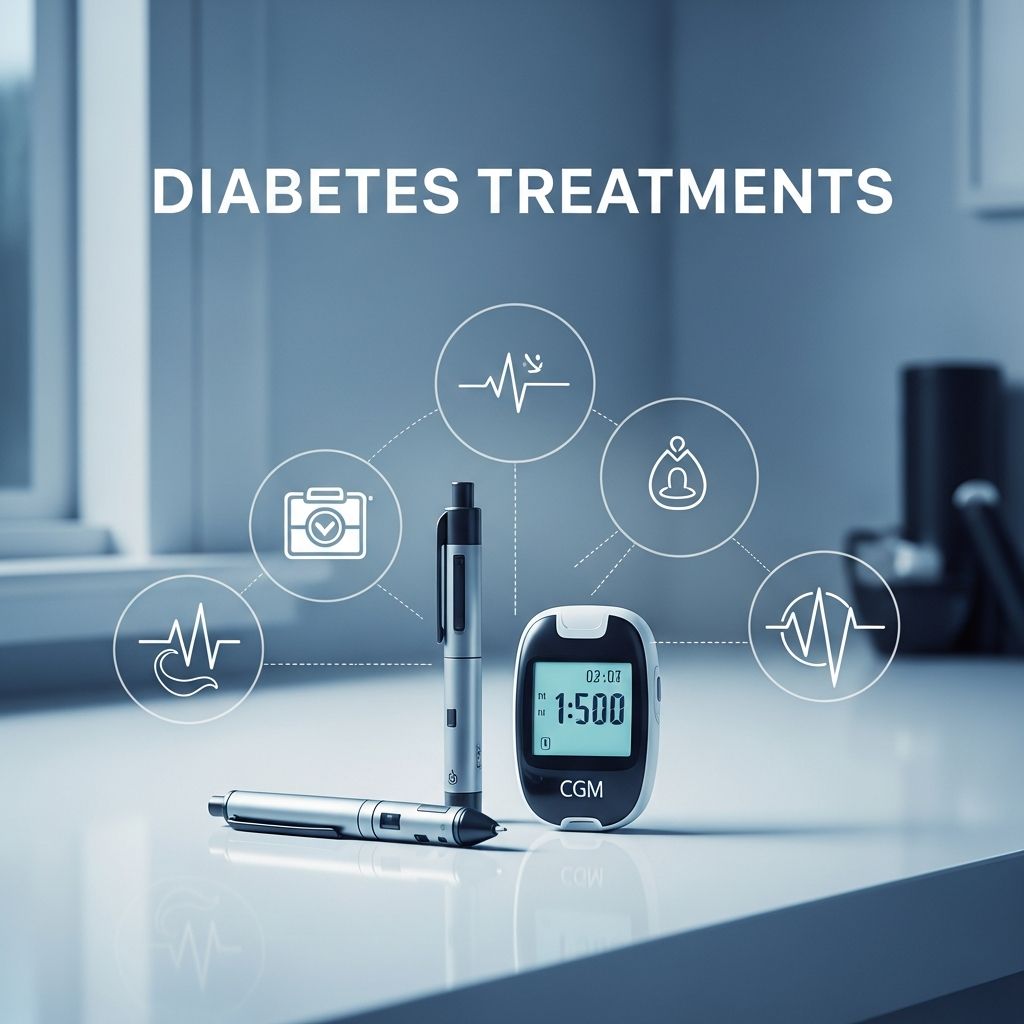
Effective diabetes management requires a personalized approach tailored to the type of diabetes and individual needs. Treatments range from lifestyle modifications like healthy eating and exercise to medications such as insulin and metformin, advanced technologies, and surgical options. This guide covers all key treatments to help maintain optimal blood sugar levels and prevent complications.
Insulin
Insulin is a vital hormone that regulates blood sugar by allowing glucose to enter cells for energy. For people with type 1 diabetes, where the body produces no insulin, it is the primary treatment delivered via daily injections or an insulin pump—a small device that continuously releases insulin.
In type 2 diabetes, insulin may be used when oral medications are insufficient, helping to lower dangerously high blood sugar levels quickly. During emergencies like diabetic ketoacidosis (DKA) or hyperosmolar hyperglycaemic state (HHS), hospital treatment includes intravenous insulin, fluids, and nutrients.
Types of insulin include rapid-acting for mealtimes, long-acting for basal needs, and mixed formulations. Carb counting is essential to match insulin doses with food intake, alongside regular monitoring to avoid hypos (low blood sugar).
Metformin
Metformin, a biguanide, is the most common first-line treatment for type 2 diabetes and gestational diabetes. It reduces glucose release from the liver and improves the body’s insulin sensitivity, lowering blood sugar without causing weight gain or hypos.
Typically taken as tablets once or twice daily with meals, it can be used alone or combined with other drugs like insulin. Side effects may include stomach upset, which often improves over time. It’s unsuitable for those with severe kidney issues.
Diabetes Tablets and Medication
Beyond metformin, various oral and injectable medications target different aspects of blood sugar control. Not all are suitable for everyone; healthcare teams prescribe based on individual factors like kidney function and heart health.
- Sulphonylureas: Stimulate insulin release from the pancreas, effective but risk hypos.
- Alpha glucosidase inhibitors (e.g., acarbose): Slow starch absorption in the gut, reducing post-meal spikes.
- Prandial glucose regulators: Boost quick insulin response to meals.
- Thiazolidinediones: Enhance insulin sensitivity in fat and muscle cells.
- GLP-1 agonists (e.g., semaglutide, liraglutide, tirzepatide): Mimic gut hormones to increase insulin, slow digestion, reduce appetite, and promote weight loss. Available as injections or tablets.
- DPP-4 inhibitors (gliptins): Prolong incretin hormones to boost insulin and curb liver glucose production.
- SGLT2 inhibitors: Block kidney glucose reabsorption, excreting it in urine; also protect heart and kidneys.
- Weight loss medications: Support obesity-related type 2 diabetes management.
- Statins and blood pressure meds: Reduce complication risks; common types include ACE inhibitors, beta-blockers, and diuretics.
Combination therapies are common when single agents fail to meet targets.
Healthy Eating
A balanced diet is foundational for all diabetes types, helping control blood sugar, maintain weight, and reduce complication risks. Focus on whole foods: vegetables, fruits, lean proteins, whole grains, and healthy fats while limiting sugars and refined carbs.
Key principles include portion control, consistent meal timing, and carb counting for insulin users. Tools like the eatwell plate guide balanced plates: half veggies/fruits, a quarter carbs, a quarter protein. Hydration and limiting alcohol are crucial.
For type 2, low-calorie diets (under 800-1200 kcal/day) under supervision can lead to rapid weight loss and remission in overweight individuals.
Related Stories



Exercise
Regular physical activity improves insulin sensitivity, lowers blood sugar, supports weight management, and boosts cardiovascular health. Aim for 150 minutes of moderate aerobic exercise weekly (e.g., brisk walking, cycling) plus strength training twice weekly.
Start slowly, monitor glucose before/after, and adjust meds/insulin to prevent hypos. Exercise also aids mental well-being, reducing stress-related blood sugar fluctuations.
Technology
Diabetes tech simplifies management: continuous glucose monitors (CGMs) track levels in real-time; insulin pumps automate delivery; hybrid closed-loop systems (artificial pancreas) integrate both for automated adjustments.
Flash glucose monitors like Freestyle Libre scan for readings without finger pricks. Apps for logging food, activity, and meds enhance self-management. Access varies; discuss with your team.
Weight Loss Surgery
Bariatric surgery (e.g., gastric bypass, sleeve gastrectomy) is effective for type 2 diabetes in people with obesity (BMI ≥35-40). It promotes significant weight loss and often leads to long-term remission by altering gut hormones and insulin sensitivity.
Strong evidence supports its use as a treatment, not just for weight. Risks include nutritional deficiencies, requiring lifelong supplements and follow-up.
Type 2 Diabetes Remission
Remission occurs when blood sugars stay below diabetes thresholds (HbA1c <48mmol/mol) for at least 3 months without glucose-lowering drugs. Achievable via substantial weight loss: very low-calorie diets, low-carb eating, or surgery.
NHS Type 2 Diabetes Path to Remission Programme offers supervised low-calorie meal replacements for recent diagnoses with overweight/obesity, showing high success rates. Maintenance is key to sustain benefits.
Immunotherapy
Emerging for type 1 diabetes, immunotherapies reprogram the immune system to halt attacks on pancreatic beta cells. Clinical trials show promise in slowing progression or preventing onset in high-risk individuals.
Not yet standard but represents hope for disease-modifying treatment beyond symptom management.
Emotional Support
Diabetes impacts mental health; anxiety, depression, and ‘diabetes distress’ are common. Support includes counseling, peer groups, mindfulness, and addressing disordered eating like T1DE (type 1 diabetes with eating issues).
Healthcare teams offer emotional wellbeing resources; self-care like hobbies and social connections is vital.
Frequently Asked Questions
What is the main treatment for type 2 diabetes?
Eating well, exercising, weight loss, metformin, other meds, or insulin. Surgery for eligible cases.
Is insulin only for type 1 diabetes?
No, it’s essential for type 1 and used in type 2 when needed.
Can type 2 diabetes be reversed?
Yes, remission is possible through weight loss, without curing the underlying condition.
What are GLP-1 agonists?
Injectables/tablets that boost insulin, slow digestion, aid weight loss for type 2.
How does healthy eating help diabetes?
Stabilizes blood sugar, supports weight control, reduces complication risks.
References
- Type 2 diabetes treatments — Diabetes UK. 2023. https://www.diabetes.org.uk/about-diabetes/type-2-diabetes/treatments
- Diabetes treatments — Diabetes UK. 2023. https://www.diabetes.org.uk/about-diabetes/looking-after-diabetes/treatments
- Diabetes tablets and medication — Diabetes UK. 2023. https://www.diabetes.org.uk/about-diabetes/looking-after-diabetes/treatments/tablets-and-medication
- Type 2 diabetes medicine — Diabetes UK. 2023. https://www.diabetes.org.uk/about-diabetes/type-2-diabetes/medicine
- Treatment for type 2 diabetes – NHS — NHS. 2023. https://www.nhs.uk/conditions/type-2-diabetes/treatment/
- Type 1 diabetes treatments — Diabetes UK. 2023. https://www.diabetes.org.uk/about-diabetes/type-1-diabetes/treatments
- Diabetes treatment and care programme – NHS England — NHS England. 2023. https://www.england.nhs.uk/diabetes/treatment-care/
Similar Articles








Read full bio of medha deb