Diabetes And Vision: 4 Major Eye Risks To Watch
Discover how diabetes silently threatens your eyesight and learn proven strategies to safeguard your vision for a clearer future.
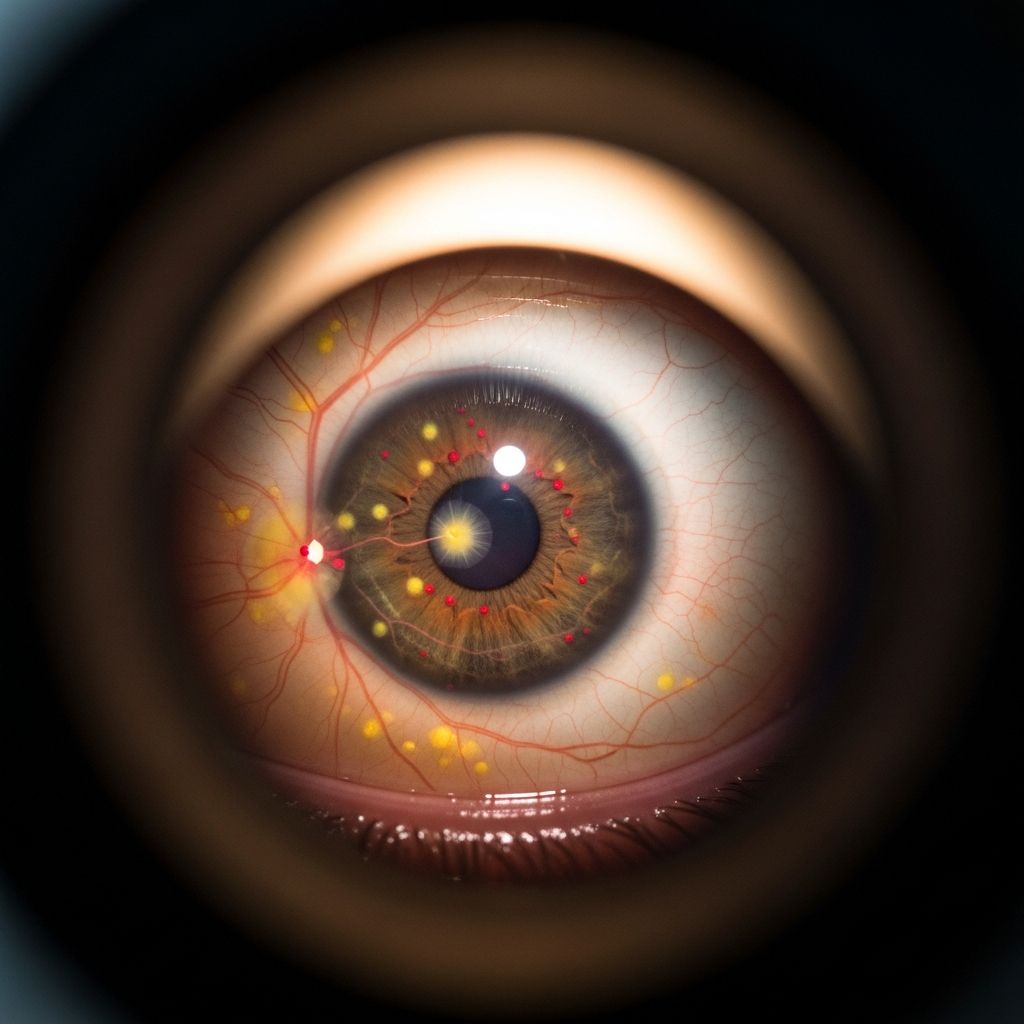
Diabetes profoundly influences eye health by damaging delicate blood vessels and tissues over time, potentially leading to irreversible vision impairment if not addressed promptly. High blood sugar levels gradually harm the retina, lens, and optic nerve, making regular monitoring essential for those with the condition.
The Hidden Threat of High Blood Sugar to Your Eyes
Chronically elevated glucose levels in diabetes trigger a cascade of vascular changes within the eye. The retina, a thin layer at the back of the eye responsible for converting light into neural signals, relies on a network of tiny blood vessels for nourishment. When these vessels weaken due to prolonged hyperglycemia, they begin to leak fluid and proteins, distorting central vision and setting the stage for more severe complications.
This process often starts silently, without noticeable symptoms in the initial phases. Over years, however, the damage accumulates, affecting both eyes symmetrically in most cases. Factors like duration of diabetes, poor glycemic control, hypertension, and elevated cholesterol amplify the risk, emphasizing the need for comprehensive metabolic management.
Understanding Diabetic Retinopathy: The Primary Culprit
Diabetic retinopathy stands as the foremost cause of blindness among working-age adults with diabetes. It unfolds in stages, beginning with non-proliferative changes where retinal capillaries dilate, form microaneurysms, and seep fluid into surrounding tissues. As it advances to the proliferative stage, the retina responds to oxygen deprivation by sprouting fragile new vessels that bleed easily, contract, and pull on the retinal tissue.
- Early non-proliferative stage: Microscopic vessel abnormalities cause minor leaks without vision changes.
- Moderate to severe non-proliferative: Increased leakage leads to macular thickening and initial blurriness.
- Proliferative stage: Neovascularization triggers hemorrhages, scarring, and potential retinal detachment.
Early detection through dilated eye exams reveals these changes before symptoms emerge, allowing interventions that preserve sight. Symptoms, when they appear, include floaters from vitreous bleeding, shadowy areas in peripheral vision, and sudden vision drops from tractional issues.
Macular Edema: When Central Vision Fades
A frequent companion to retinopathy, diabetic macular edema (DME) occurs when fluid accumulates in the macula, the retina’s high-resolution center for detailed tasks like reading or recognizing faces. Affecting up to half of retinopathy patients, DME swells this critical area, causing wavy distortion or central blind spots.
This complication can arise at any retinopathy stage but peaks in later phases. Fluid leakage from compromised vessels disrupts the macula’s delicate architecture, impairing photoreceptor function. Treatment often involves anti-VEGF injections to stabilize vessels, corticosteroids, or laser therapy to seal leaks, with many patients regaining substantial clarity.
| Stage of DME | Common Symptoms | Treatment Options |
|---|---|---|
| Mild | Subtle blurring | Observation, blood sugar control |
| Moderate | Central distortion | Injections, focal laser |
| Severe | Significant vision loss | Combination therapy, vitrectomy if needed |
Cataracts Accelerated by Diabetes
People with diabetes face a heightened likelihood of cataracts, where the eye’s lens opacifies, scattering light and dimming sight. High glucose promotes sorbitol buildup in lens fibers, hastening clouding that typically afflicts the elderly. Diabetics develop them two to five times more often and at younger ages, often bilaterally.
Related Stories



Fluctuating sugars exacerbate temporary refractive shifts, mimicking presbyopia, but true cataracts demand surgical lens replacement—a routine, highly successful procedure restoring transparency. Preoperative glycemic stability reduces complication risks like infection or inflammation.
Glaucoma: Pressure and Nerve Damage Risks
Diabetes nearly doubles glaucoma odds, particularly neovascular forms where retinal ischemia prompts iris vessel growth, obstructing aqueous outflow and spiking intraocular pressure. This compresses the optic nerve, eroding peripheral vision irreversibly.
Standard open-angle glaucoma also surges in diabetics due to shared vascular vulnerabilities. Regular tonometry and optic nerve imaging detect elevations early, with treatments spanning drops, lasers, or surgery to preserve nerve integrity.
Early Warning Signs You Shouldn’t Ignore
Vision threats from diabetes often creep in unnoticed, but vigilance pays off. Watch for persistent blurriness, floaters multiplying suddenly, color desaturation, night vision struggles, or blank spots. These signal urgent evaluation, as timely action halts progression in most instances.
- Fluctuating near vision from sugar swings
- Sudden shower of spots from vitreous bleed
- Curtain-like shadows from detachment
- Halos around lights hinting at cataracts or pressure
Annual comprehensive exams, including fundus photography and optical coherence tomography, spot subclinical changes, enabling proactive care.
Prevention Strategies: Empowering Your Eye Health
Maintaining hemoglobin A1c below 7%, alongside blood pressure and lipid targets, slashes retinopathy risk by over 75%. Lifestyle pillars include balanced nutrition rich in antioxidants, consistent exercise, smoking cessation, and medication adherence.
Dilated exams yearly—or more frequently with existing disease—form the cornerstone. Pregnancy heightens risks, warranting trimester checks. Technology like home glucose monitors and AI-driven retinal scans enhances self-management.
Treatment Breakthroughs and Management
Modern therapies transform outcomes. Intravitreal injections curb vessel permeability, lasers target leaks precisely, and vitrectomy clears hemorrhage or relieves traction. Emerging gene therapies and sustained-release implants promise less frequent interventions.
Multidisciplinary teams—endocrinologists, ophthalmologists, dietitians—coordinate care, with patient education fostering adherence. Post-treatment, 90% stabilize or improve, underscoring intervention’s value.
FAQs: Diabetes and Eye Health Essentials
How often should diabetics get eye exams?
Adults with diabetes need yearly dilated exams; those with retinopathy may require checks every 3-6 months based on severity.
Can lifestyle changes reverse diabetic eye damage?
Tight control halts progression and sometimes resolves early edema, but advanced scarring demands medical intervention.
Is diabetic retinopathy painful?
No, it typically causes painless vision decline, making routine screening vital.
Does type 1 or type 2 diabetes pose greater eye risk?
Both elevate risks proportionally to duration and control; type 2 often presents with undetected prior damage.
What role does blood pressure play in eye complications?
Hypertension synergizes with hyperglycemia, accelerating vessel damage—target under 130/80 mmHg.
Long-Term Outlook: Hope Through Vigilance
With disciplined management, most diabetics retain functional vision lifelong. Early intervention reduces blindness risk by 95%, transforming a once-dreaded fate into a manageable aspect of chronic care. Empower yourself with knowledge and routine checks for enduring clarity.
References
- Diabetic Eye Disease | Fact Sheets — Yale Medicine. 2023-10-15. https://www.yalemedicine.org/conditions/diabetic-eye-disease
- Diabetes-Related Retinopathy: Symptoms, Stages & Treatment — Cleveland Clinic. 2024-05-20. https://my.clevelandclinic.org/health/diseases/8591-diabetic-retinopathy
- Vision Loss and Diabetes — Centers for Disease Control and Prevention (CDC). 2025-01-10. https://www.cdc.gov/diabetes/diabetes-complications/diabetes-and-vision-loss.html
- Diabetic Retinopathy – Symptoms & Causes — Mayo Clinic. 2024-08-12. https://www.mayoclinic.org/diseases-conditions/diabetic-retinopathy/symptoms-causes/syc-20371611
- Diabetic Eye Problems — MedlinePlus (National Library of Medicine). 2024-11-05. https://medlineplus.gov/diabeticeyeproblems.html
Similar Articles








Read full bio of Sneha Tete