Diabetic Amyotrophy: Causes, Symptoms, And Recovery Guide
Understanding diabetic amyotrophy: symptoms, causes, treatment, and recovery for this painful diabetes complication affecting thighs, hips, and legs.
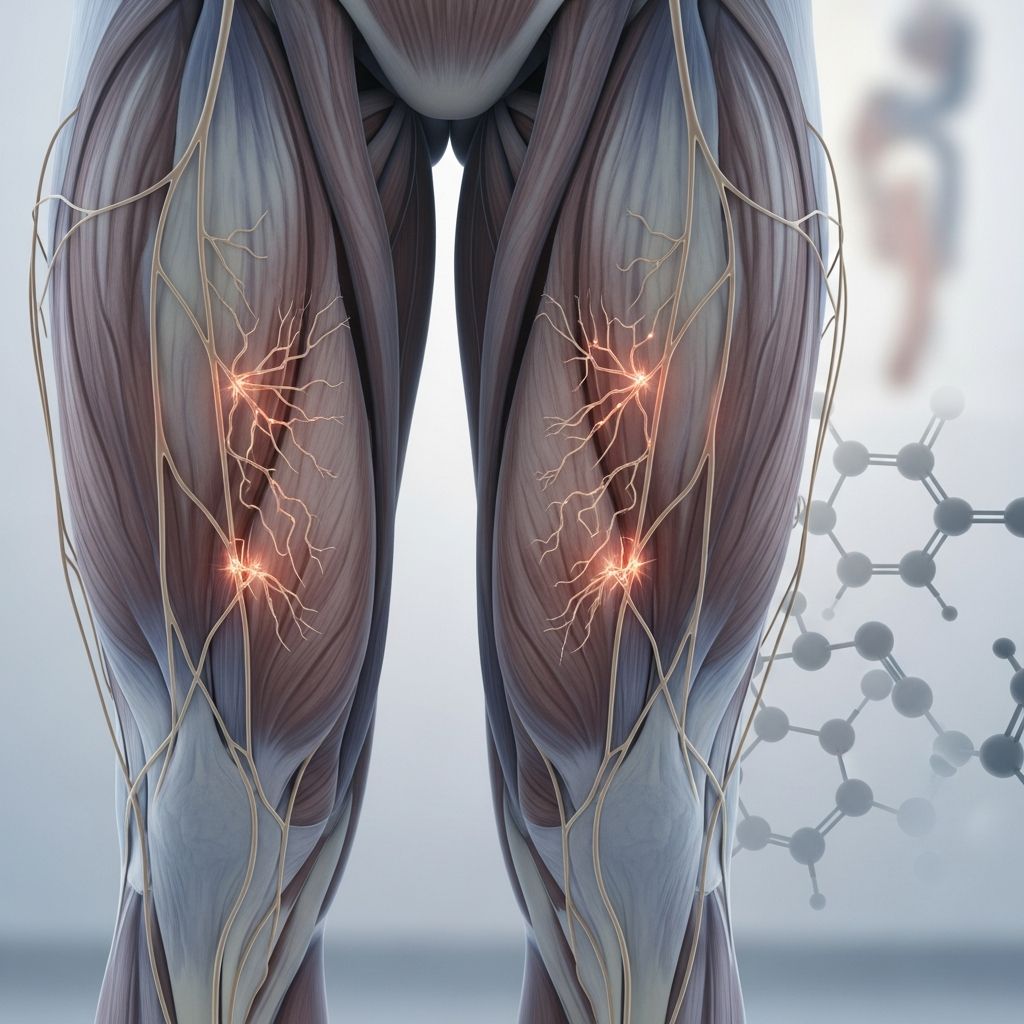
Diabetic amyotrophy, also known as diabetic lumbosacral radiculoplexus neuropathy (DLRN), is a rare but serious complication of diabetes mellitus characterized by sudden-onset severe pain, muscle weakness, and wasting primarily in the thighs, hips, buttocks, and legs. This condition arises from nerve damage, leading to significant disability, but offers hope through gradual recovery in most cases.
What is diabetic amyotrophy?
Diabetic amyotrophy involves damage to the motor nerves that control muscles in the proximal lower limbs, resulting in muscle bulk loss (amyotrophy) and weakness. It predominantly affects individuals with type 2 diabetes, often those over 50, and is more common in men. Unlike typical diabetic peripheral neuropathy, which is distal and symmetric, amyotrophy is asymmetric, proximal, and acute in onset. The term DLRN reflects its involvement of lumbosacral nerve roots, plexus, and peripheral nerves.
This neuropathy is monophasic, meaning it typically progresses for a limited time before stabilizing and improving, distinguishing it from chronic progressive neuropathies. Weight loss and autonomic symptoms like abdominal pain may accompany it. Early recognition is crucial as symptoms can mimic other conditions like stroke or spinal issues.
Symptoms of diabetic amyotrophy
The hallmark symptoms emerge abruptly, often starting unilaterally before possibly affecting the other side. Key features include:
- Severe pain: Typically the first symptom, sharp or burning in the anterior thigh, hip, buttock, or lower back; worsens at night.
- Muscle weakness: Proximal lower limb weakness, especially quadriceps, leading to difficulty rising from chairs or climbing stairs.
- Muscle wasting (atrophy): Visible thigh muscle loss within weeks of onset.
- Numbness or sensory loss: Mild compared to pain; may include tingling or hypersensitivity.
- Other associated symptoms: Unintentional weight loss (up to 20% body weight), knee reflex loss, and occasionally abdominal pain or genital sensory changes.
Pain peaks within weeks, followed by weakness and atrophy; the condition may spread to calves or arms in 10-20% of cases. Symptoms cause substantial functional impairment, but most patients regain much function over 18-24 months.
Who is at risk / causes?
While linked to diabetes, the exact cause extends beyond hyperglycemia alone. Risk factors include:
- Established diabetes (type 2 > type 1), duration 5-10 years.
- Age over 50 years.
- Male gender.
- Poor glycemic control, though cases occur in well-managed diabetes.
Pathophysiology involves immune-mediated microvasculitis: inflammation of small epineurial blood vessels causes ischemic nerve damage. Nerve biopsies show multifocal fiber loss, perineurial thickening, and inflammatory infiltrates. Hyperglycemia may trigger cytokine release and advanced glycation end-products, promoting vasculopathy, but patients often have better control than those with polyneuropathy. Elevated CSF protein supports radicular involvement. Non-diabetic cases (radiculoplexus neuropathy) share pathology, suggesting immune dysregulation.
How is it diagnosed?
Diagnosis is clinical, supported by investigations to exclude mimics. Steps include:
- Detailed history and neurological exam confirming proximal asymmetric weakness/atrophy in diabetics.
- Electromyography (EMG)/nerve conduction studies: Show axonal loss, denervation in affected nerves; normal sensory conduction early.
- MRI lumbosacral spine/plexus: Rules out compression; may show enhancement.
- Blood tests: HbA1c, ESR (often elevated), inflammatory markers.
- CSF analysis: Elevated protein without cells.
Differential includes CIDP, vasculitis, malignancy, or disc herniation; biopsy rarely needed.
How is diabetic amyotrophy treated?
Treatment is symptomatic and supportive, focusing on glycemic control, pain relief, and rehabilitation; no cure reverses nerve damage instantly. Core strategies:
Related Stories



- Glycemic optimization: Tight blood sugar control via insulin/oral agents, diet, exercise to halt progression.
- Pain management: Start with paracetamol/NSAIDs; escalate to gabapentin/pregabalin, amitriptyline, duloxetine, or opioids if severe.
- Physiotherapy: Essential to maintain muscle function, prevent contractures; includes strengthening, mobility aids.
- Adjuncts: TENS units, heat/ice, occupational therapy for ADLs.
Immunomodulators like IVIG, steroids, plasma exchange show promise in small studies but lack robust RCT evidence; not standard. Mexiletine or acupuncture may help refractory pain. Multidisciplinary care improves outcomes.
Prognosis and recovery
Diabetic amyotrophy is self-limiting: pain resolves in 6-12 months, strength recovers over 18-24 months, though full recovery is incomplete in 30-50%. Persistent mild weakness or sensory loss may remain. Early intervention enhances recovery; reassurance reduces anxiety. Monitor for progression or recurrence (10-20%).
| Recovery Timeline | Expected Improvements |
|---|---|
| 0-6 months | Pain peaks then subsides; nadir of weakness |
| 6-18 months | Gradual strength/muscle bulk regain |
| 18-24+ months | Plateau; 70-80% recover near-normal function |
Frequently Asked Questions (FAQs)
Can diabetic amyotrophy be cured?
No cure exists, but it resolves spontaneously with supportive care; most regain significant function.
Is diabetic amyotrophy fatal?
No, it’s not life-threatening but causes temporary disability; complications from falls/inactivity are risks.
Does blood sugar control prevent it?
Optimal control reduces risk but doesn’t eliminate it, as immune factors play a role.
How long does pain last?
Severe pain typically lasts 3-6 months, improving thereafter.
Can it affect both legs?
Yes, often starts one side, spreads to contralateral in weeks-months.
Prevention tips
Maintain tight diabetes control, regular exercise, balanced diet, annual neuropathy screening, and prompt symptom reporting.
References
- Diabetic Amyotrophy: Symptoms, Causes, and Treatment — Patient.info. 2023-05-15. https://patient.info/diabetes/diabetes-mellitus-leaflet/diabetic-amyotrophy
- Diabetic Amyotrophy – MD Searchlight — MD Searchlight. 2024-02-10. https://mdsearchlight.com/diabetes/diabetic-amyotrophy/
- Diabetic Amyotrophy: How To Treat This Diabetes Nerve Damage — Healthline. 2023-11-20. https://www.healthline.com/health/diabetes/diabetic-amyotrophy
- Diabetic Amyotrophy – StatPearls — NCBI Bookshelf / NIH. 2023-07-17. https://www.ncbi.nlm.nih.gov/books/NBK560491/
- Diabetic amyotrophy — MedLink Neurology. 2024-01-05. https://www.medlink.com/articles/diabetic-amyotrophy
Similar Articles








Read full bio of medha deb