Diabetic Foot Ulcers: Causes, Prevention, and Treatment
Understanding diabetic foot ulcers: prevention strategies and comprehensive treatment options for diabetes patients.
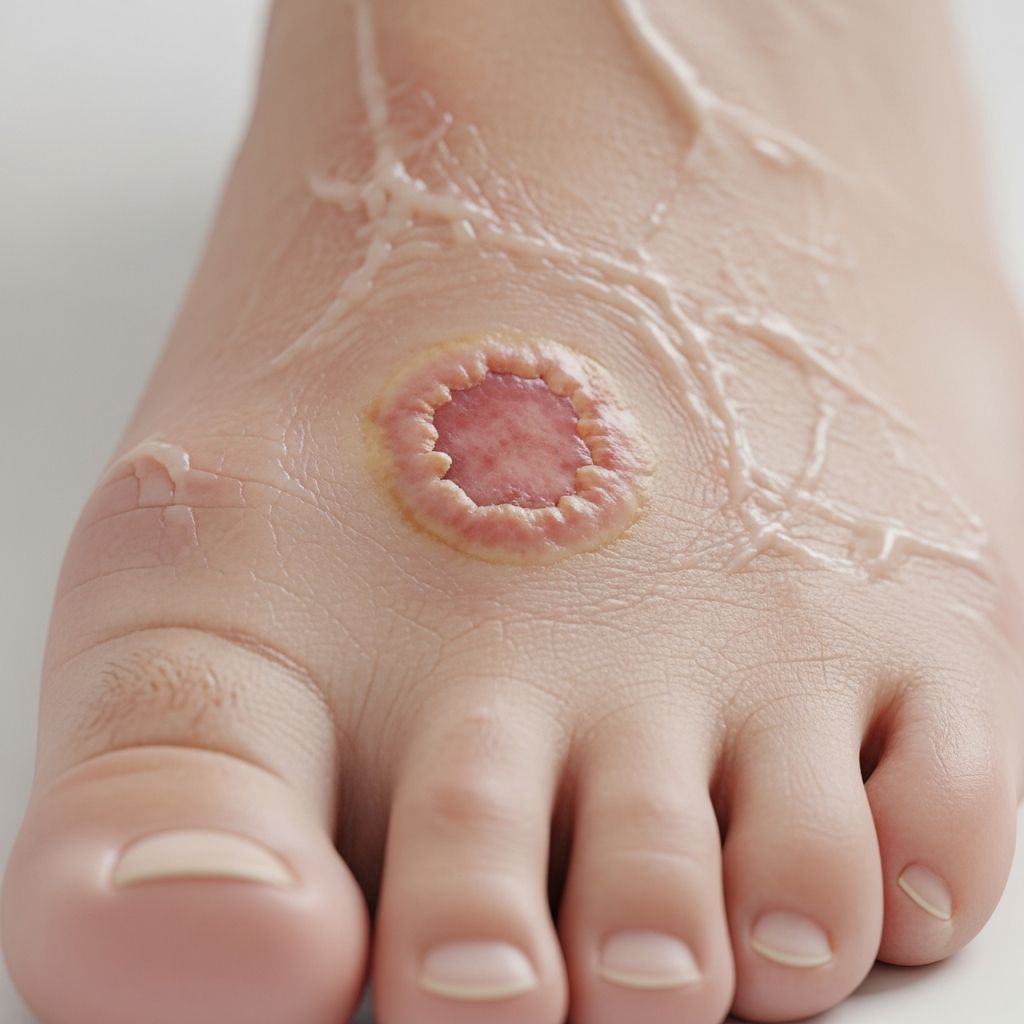
Understanding Diabetic Foot Ulcers
Diabetic foot ulcers are open sores or wounds that develop on the feet of people with diabetes, most commonly appearing on the bottom (plantar surface) of the foot. These ulcers represent one of the most common and serious complications of diabetes, affecting millions of individuals worldwide. When diabetes is not properly managed through diet, exercise, and insulin or other medications, the risk of developing foot ulcers significantly increases. Understanding the causes, risk factors, and treatment options is essential for anyone living with diabetes to prevent severe complications, including infection and amputation.
Foot ulcers form as a result of skin tissue breaking down and exposing the underlying layers. This occurs due to a combination of factors specific to diabetes, including reduced sensation, poor blood circulation, and the duration of the disease. Early detection and proper management are crucial for successful healing and preventing the progression to more serious conditions.
What Causes Diabetic Foot Ulcers?
Diabetic foot ulcers develop through multiple interconnected mechanisms related to diabetes and its complications. The primary causes include:
Poor Circulation
High blood sugar levels damage blood vessels over time, a condition known as atherosclerosis or peripheral artery disease. This damage reduces blood flow to the feet and toes, preventing adequate oxygen and nutrient delivery to the tissues. Poor circulation not only increases the risk of ulcer formation but also significantly impairs the body’s ability to heal existing wounds. When blood doesn’t flow efficiently to the feet, infections become more difficult to fight off, and the healing process slows dramatically.
High Blood Sugar (Hyperglycemia)
Elevated glucose levels in the bloodstream slow the healing process of foot ulcers and increase the severity of infections. High blood sugar impairs the immune system’s ability to fight off bacteria and other pathogens, making people with poorly controlled diabetes more susceptible to serious infections. Additionally, hyperglycemia can increase the virulence of infectious microorganisms, making existing infections more dangerous and harder to treat.
Nerve Damage (Neuropathy)
Diabetic neuropathy is a long-term complication that damages peripheral nerve cells, leading to decreased or complete loss of feeling in the feet. This reduced sensation means that minor cuts, scrapes, or blisters may go unnoticed for extended periods. Without the warning signal of pain, small injuries can worsen into ulcers without the patient’s knowledge. Additionally, weakened nerve function affects skin integrity, making the tissue more prone to injury and breakdown.
Foot Trauma or Injury
Even minor injuries to the feet—such as cuts, scrapes, bruises, or pressure wounds—can develop into serious ulcers in people with diabetes. Trauma typically occurs on the toes and around the heels, areas that bear significant weight and pressure during daily activities. When combined with poor circulation and reduced sensation, these injuries pose a higher risk of ulcer formation and are more likely to become infected.
Risk Factors for Diabetic Foot Ulcers
While all people with diabetes face some risk of developing foot ulcers, certain factors significantly increase vulnerability to this complication:
Diabetes-Related Factors
The duration of diabetes plays an important role in ulcer development. People who have had diabetes for many years are at higher risk due to cumulative damage to blood vessels and nerves. Uncontrolled blood sugar levels dramatically increase risk, as do existing complications such as eye disease (retinopathy), kidney disease (nephropathy), and heart disease. These conditions often occur together in people with poorly managed diabetes and compound the risk of foot complications.
Related Stories



Lifestyle and Environmental Factors
Tobacco use inhibits blood circulation and significantly increases ulcer risk. Alcohol consumption increases inflammation in the body and impairs the wound healing process. Obesity places additional pressure on the feet and contributes to poor circulation and nerve damage. Poor foot hygiene—including infrequent washing or inadequate drying—creates an environment conducive to infection. Improper toenail trimming can cause wounds that lead to ulcers, and poorly fitted or low-quality shoes cause friction and pressure that damage skin tissue.
Demographic Considerations
Diabetic foot ulcers are most common in older men, with age being a significant risk factor. Individuals over 50 years old face elevated risk, particularly if they have multiple other risk factors present simultaneously.
Symptoms and Signs to Watch For
Recognizing the early signs of diabetic foot ulcers is essential for prompt treatment. Common symptoms include:
Drainage from the affected area may be clear, cloudy, or discolored, and often indicates infection.
Visible swelling around the foot or ankle can result from fluid buildup due to poor circulation. Swelling makes the surrounding tissue more susceptible to developing ulcers and increases infection risk.
Pain or tenderness in weight-bearing areas of the foot may occur, though this symptom is often absent due to neuropathy. When pain is present in individuals with diabetes, immediate medical attention is warranted.
Discoloration or darkening of the skin around the affected area may indicate tissue damage or infection.
A noticeable lump or raised area on the foot, which isn’t always painful due to reduced sensation.
Warm areas on the feet detected by feeling the foot or using temperature monitoring can indicate inflammation or early ulcer formation.
Prevention Strategies
Preventing diabetic foot ulcers is significantly more effective than treating them after they develop. A comprehensive prevention approach includes:
Blood Sugar Management
Maintaining optimal glucose control is the foundation of ulcer prevention. This involves taking medications exactly as prescribed, monitoring blood sugar levels regularly, and working closely with healthcare providers to adjust treatment as needed. Tight blood sugar control reduces the risk of complications and enhances the body’s ability to heal any minor injuries that do occur.
Daily Foot Care Routine
Washing feet daily with warm water and mild soap is essential for maintaining skin health and detecting early problems. Feet should be thoroughly dried, especially between the toes, as moisture creates an environment for infection. Apply moisturizer to dry areas of the feet but avoid between the toes, where excess moisture can promote fungal growth.
Proper Footwear Selection
Wearing properly fitting shoes is critical for preventing pressure and friction injuries. Shoes should be comfortable from the moment they are purchased—no break-in period should be necessary. Specialized diabetic shoes designed with extra cushioning and wider toe boxes reduce pressure on sensitive areas. Changing socks frequently and choosing moisture-wicking materials helps keep feet dry and reduces friction.
Toenail and Skin Care
Keep toenails adequately trimmed in a straight line, but not too short, to prevent ingrown toenails and cuts. Consider visiting a podiatrist for professional toenail care. A podiatrist can also safely remove corns and calluses, which can otherwise lead to ulcers if they become irritated or break down.
Professional Monitoring
Regular foot examinations by a podiatric physician can identify problems early. Simple tests, such as monofilament testing, can detect neuropathy before serious complications develop. Healthcare providers can also identify foot deformities and recommend appropriate interventions to prevent ulcer formation.
Lifestyle Modifications
Avoiding tobacco and alcohol use is important for maintaining circulation and supporting the immune system. Maintaining a healthy weight through balanced nutrition and regular physical activity reduces pressure on the feet and improves overall diabetes management.
Treatment Options for Diabetic Foot Ulcers
Treatment effectiveness depends on early intervention and comprehensive management. The sooner treatment begins, the better the chances for successful healing and prevention of serious complications.
Conservative Treatment Approaches
Most noninfected foot ulcers can be treated without surgery through a combination of proven methods:
Optimal Glucose Control: Tightly controlling blood glucose during ulcer treatment is of paramount importance. This enhances healing and reduces the risk of infection and other complications. Working closely with a medical doctor or endocrinologist helps achieve and maintain target glucose levels.
Wound Debridement: This involves the careful removal of all dead (necrotic) tissue, infected material, thickened skin, and debris from dressings. Debridement promotes healing by eliminating barriers to tissue regeneration and reducing the bacterial load within the wound.
Off-loading: Relieving pressure from the ulcerated area is essential for healing. This can be achieved through special foot gear, braces, specialized castings, or in some cases, using a wheelchair or crutches to eliminate weight-bearing stress on the affected foot.
Moist Wound Environment: Keeping the wound clean and properly bandaged promotes healing. Daily cleansing with appropriate wound dressings or bandages removes debris and maintains the optimal environment for tissue regeneration.
Infection Control: Systemic antibiotics should be initiated as soon as possible for deep infections, drainage, or cellulitis. These infections are particularly dangerous for people with diabetes due to impaired immune function.
Advanced Treatment Options
When conservative treatment fails to promote healing, additional interventions may be necessary:
Growth Factors and Cellular Therapy: If wounds are not responding to standard treatment, growth factors and cellular therapy can stimulate tissue regeneration and accelerate healing.
Preventive Footwear: Specially designed shoes for people with diabetes can prevent ulcer recurrence after successful treatment. Scar tissue remains vulnerable to re-injury, making protective footwear an important long-term strategy.
Surgical Management
When conservative management fails, surgical options may be appropriate. These include shaving or excision of bone and correction of foot deformities such as hammertoes, bunions, or bony bumps that contribute to pressure and ulcer formation. Surgical management focuses on removing pressure from the affected area and correcting underlying structural problems.
Complications and When to Seek Help
Diabetic foot ulcers can serve as a portal for serious systemic infections such as cellulitis and osteomyelitis (bone infection). These infections are especially dangerous for people with diabetes, whose impaired immunity increases susceptibility to severe infection. In severe cases, untreated ulcers can lead to amputation of the foot or toes.
Seek immediate medical attention if you notice any signs of diabetic foot ulcers, including drainage, swelling, discoloration, or wounds that don’t heal within a reasonable timeframe. Early intervention significantly improves outcomes and reduces the risk of serious complications.
Living Well With Diabetic Foot Complications
Successfully managing diabetic foot health requires ongoing commitment to blood sugar control, daily foot care, and regular professional monitoring. By implementing comprehensive prevention strategies and seeking prompt treatment when problems develop, people with diabetes can significantly reduce their risk of ulcers and maintain healthy, functional feet throughout their lives.
Frequently Asked Questions
Q: Are diabetic foot ulcers always painful?
A: No. Many people with diabetes develop neuropathy, which reduces or eliminates the ability to feel pain. This means ulcers can develop without causing noticeable symptoms, making regular foot inspections essential for early detection.
Q: Can diabetic foot ulcers be prevented?
A: Yes. With proper diabetes management, daily foot care, appropriate footwear, and regular professional monitoring, many diabetic foot ulcers are preventable.
Q: How long does it take for a diabetic foot ulcer to heal?
A: Healing time varies depending on ulcer severity, blood glucose control, circulation, and infection status. Some ulcers heal in weeks with proper treatment, while others may take several months.
Q: Can diabetic foot ulcers return after healing?
A: Yes. After healing, scar tissue remains vulnerable to re-injury and infection. Continued prevention strategies and specialized diabetic footwear can help prevent recurrence.
Q: Should I see a specialist for diabetic foot ulcers?
A: Yes. A podiatrist or other foot specialist experienced in diabetic foot care can provide comprehensive evaluation and treatment to optimize healing outcomes.
References
- Diabetic Foot Ulcers: Causes and Treatments — Healthline. Accessed 2025. https://www.healthline.com/health/diabetic-foot-pain-and-ulcers-causes-treatments
- Diabetic Foot Ulcers — UCSF Department of Surgery. Accessed 2025. https://surgicaloncology.ucsf.edu/condition/diabetic-foot-ulcers
- Diabetic Foot Ulcers: A Review — National Institutes of Health, PubMed. 2023. https://pubmed.ncbi.nlm.nih.gov/37395769/
- Diabetic Foot Ulcer — University of Michigan Health. Accessed 2025. https://www.uofmhealth.org/our-care/specialties-services/diabetic-foot-ulcer
- Foot and Toe Ulcers: Treatment, Prevention, Repair & Causes — Cleveland Clinic. Accessed 2025. https://my.clevelandclinic.org/health/symptoms/17169-foot-and-toe-ulcers
- Diabetes – Foot Ulcers — MedlinePlus Medical Encyclopedia, National Library of Medicine. https://medlineplus.gov/ency/patientinstructions/000077.htm
- Diabetic Foot Ulcers: Pathogenesis and Management — American Academy of Family Physicians. 2002. https://www.aafp.org/pubs/afp/issues/2002/1101/p1655.html
Similar Articles








Read full bio of Sneha Tete