Diabetic Foot Ulcers: Causes, Symptoms, and Treatment
Understanding diabetic foot ulcers: prevention strategies and comprehensive treatment approaches.
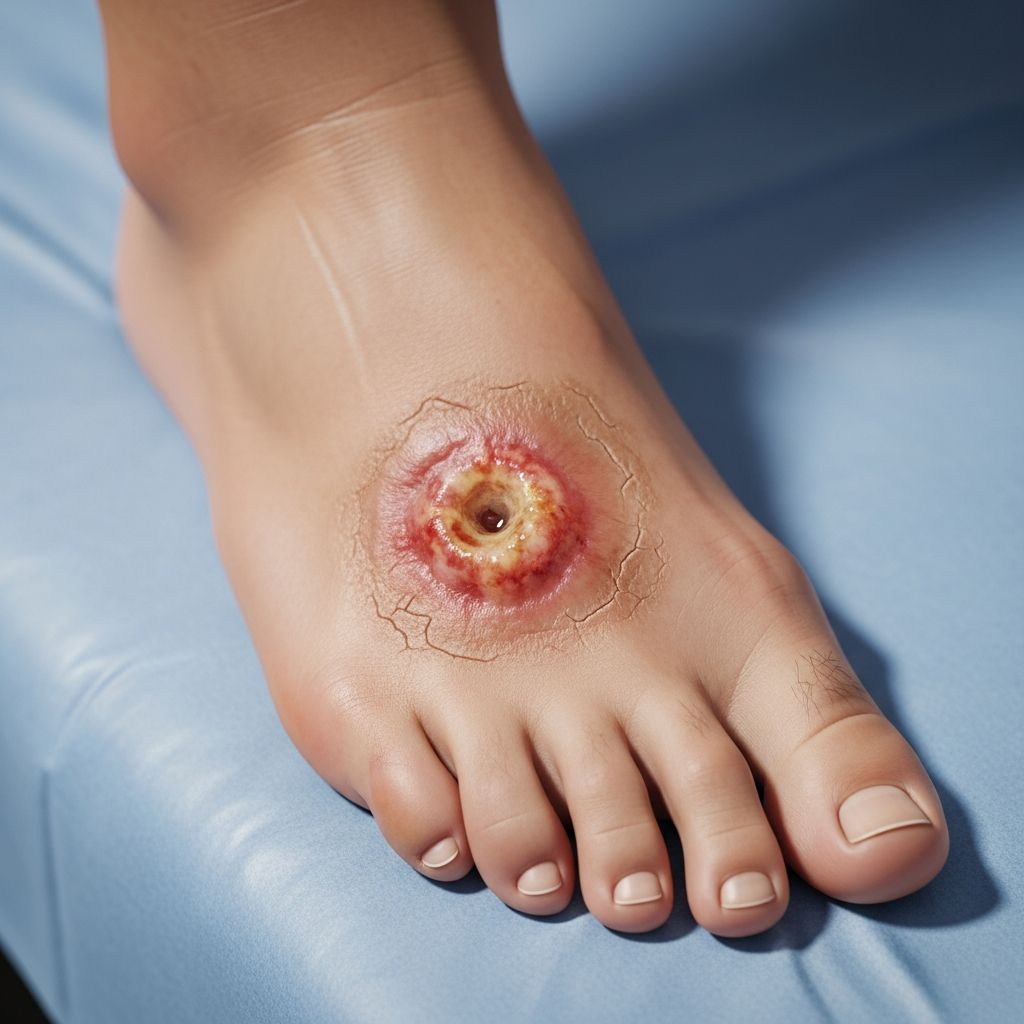
Diabetic Foot Ulcers: Comprehensive Overview
Diabetic foot ulcers represent one of the most serious and common complications of diabetes, affecting millions of people worldwide and requiring long-term management and specialized care. A diabetic foot ulcer is defined as an open sore or wound on the foot of a person with diabetes, most commonly located on the plantar surface, or bottom of the foot. These ulcers develop through a complex interaction of multiple factors including neuropathy, abnormal foot biomechanics, peripheral arterial disease, impaired wound healing, and infection. If left untreated, diabetic foot ulcers can become infected and lead to serious complications, including amputation, making early detection and proper management essential for preserving foot function and quality of life.
What Causes Diabetic Foot Ulcers?
Diabetic foot ulcers develop due to a combination of interconnected factors that compromise foot health and healing capacity. The primary causes include:
- Peripheral Neuropathy (Nerve Damage): Neuropathy is when peripheral nerve cells are damaged, leading to decreased or complete absence of feeling in the feet. This condition eliminates protective sensation, preventing awareness of pain, pressure, and temperature changes, which allows repetitive micro-trauma to result in skin breakdown and significantly increases the risk of developing foot ulcers. Motor neuropathy distorts normal foot anatomy, producing claw and hammer toes, high medial arches, and prominent metatarsal heads, which lead to callus formation and plantar ulceration.
- Poor Circulation (Peripheral Arterial Disease): Diabetes can cause significant damage to blood vessels, reducing blood flow to the feet and impairing wound healing. Peripheral arterial disease occurs when plaque builds up in arteries, narrowing them and preventing adequate blood supply to the legs and feet. When circulation is impaired, it affects the body’s ability to transport oxygen and nutrients from the bloodstream to surrounding tissues, causing fluid buildup and swelling.
- Trauma or Injury: Diabetic ulcers can result from trauma or injury to the feet, such as cuts, scrapes, or bruises that go untreated. Because of poor circulation and nerve damage caused by diabetes, these wounds pose a higher risk of developing into chronic ulcers that are difficult to heal.
- Foot Deformities: Structural abnormalities of the foot, including high arches, prominent metatarsal heads, and claw toes, create areas of increased pressure that are susceptible to ulceration.
- Impaired Wound Healing: Hyperglycemia-driven metabolic and vascular injury compromises the body’s natural healing processes. Chronic low-grade inflammation, defective angiogenesis, fibroblast dysfunction, excessive activity of matrix metalloproteinases, and accumulation of advanced glycation end products all hinder tissue repair and prolong ulcer persistence.
Risk Factors for Diabetic Foot Ulcers
Several risk factors significantly increase the likelihood of developing diabetic foot ulcers. A recent multicenter study attributed 63 percent of diabetic foot ulcers to the critical triad of peripheral sensory neuropathy, trauma, and deformity. Additional risk factors include:
- Duration of diabetes: Patients who have had diabetes for many years are at higher risk due to cumulative nerve and vascular damage
- Poor glycemic control: Elevated blood glucose levels accelerate neuropathy and vascular complications
- Tobacco use: Cigarette smoking reduces circulation and impairs wound healing
- Alcohol consumption: Increases inflammation in the body, inhibiting the healing process of wounds
- Obesity: Being overweight can lead to poor circulation, nerve damage, and increased plantar pressure
- Previous foot ulcers or amputations
- Callus formation: Creates a mechanical environment highly susceptible to ulceration when combined with elevated plantar pressure
Recognizing the Symptoms
Early recognition of diabetic foot ulcer symptoms is crucial for preventing serious complications. Common signs and symptoms include:
- Pain: Diabetic foot ulcers can be incredibly painful, especially in weight-bearing areas of the foot where pressure from walking and standing makes healing difficult. However, many people with diabetes experience neuropathy and may not feel pain at all; when pain is present, immediate medical attention is warranted.
- Swelling: Swelling in the feet or ankles can indicate diabetic foot ulcers caused by fluid buildup due to poor circulation, making the area more susceptible to developing an ulcer and subsequent infection.
- Discharge or drainage: The presence of fluid or pus oozing from the foot may indicate infection
- Redness or discoloration: Areas of redness, darkening, or unusual coloration around a wound suggest inflammation or infection
- Warm skin: A warm sensation around the wound area may indicate infection
- Unpleasant odor: A foul smell emanating from the wound may suggest bacterial infection
Because many diabetic patients lack protective sensation due to neuropathy, visual inspection of the feet becomes critically important for early detection of ulcers.
Diagnostic Evaluation
Proper diagnosis of diabetic foot ulcers involves comprehensive assessment by healthcare professionals. A podiatric physician can test feet for neuropathy using a simple and painless tool called a monofilament. Additional diagnostic approaches include:
- Physical examination of foot structure and sensation
- Assessment of blood circulation using doppler ultrasound or other vascular studies
- Evaluation of ulcer depth, size, and location
- Testing for signs of infection, including cultures if infection is suspected
- Imaging studies to rule out bone involvement (osteomyelitis)
- Assessment of glycemic control through blood glucose and HbA1c levels
Comprehensive Treatment Approach
Effective management of diabetic foot ulcers and their complications demands a comprehensive, evidence-based strategy employing coordinated, interprofessional care. Treatment should be tailored to the individual patient’s specific circumstances and may include:
Pressure Offloading
Pressure relief is the mainstay of initial treatment for diabetic foot ulcers. This involves relieving pressure from the ulcerated areas through various methods including:
- Total contact casts
- Removable cast walkers
- Special “half shoes” or offloading devices
- Specialized footwear designed to distribute pressure evenly
- Use of wheelchairs or crutches for severe cases
Infection Control
Because diabetic foot ulcers act as a portal for systemic infections such as cellulitis and osteomyelitis, infection control is paramount. Treatment protocols include:
- Debridement: Removal of all hyperkeratotic (thickened) skin, infected tissue, necrotic (dead) tissue, slough, foreign debris, and residual material from dressings.
- Systemic antibiotics: For deep infections, drainage, and cellulitis, oral therapy typically requires 1 to 2 weeks for mild soft-tissue infections, whereas moderate-to-severe infections often require 2 to 3 weeks of treatment.
- Wound monitoring: Close observation for signs of deterioration, as unusual signs and symptoms of infection may not be obvious in infected diabetic foot ulcers due to decreased immune response.
Glycemic Control
Optimal glucose control is essential for promoting ulcer healing and preventing complications. Hyperglycemia may increase the virulence of infectious microorganisms and impairs the body’s natural healing processes. Blood sugar should be monitored closely and managed through:
- Medications as prescribed, including insulin therapy and oral hypoglycemic agents
- Regular blood glucose monitoring
- Healthy lifestyle modifications including balanced diet and regular physical activity
Additional Treatment Modalities
- Moist wound environment: Creating appropriate moisture balance to promote healing
- Growth factors and cellular therapy: Treatment with specialized therapies if the wound is not healing with standard interventions
- Surgical intervention: For cases with deep infection, abscess, cellulitis, gangrene, or osteomyelitis, hospitalization and prompt surgical drainage are indicated. Foot-sparing reconstructive procedures may be necessary to achieve final healing in areas subject to exceedingly high plantar pressures.
Prevention Strategies
Preventing diabetic foot ulcers is far more effective than treating them once they develop. Key prevention strategies include:
- Daily foot inspection: Examine feet daily for cuts, blisters, redness, swelling, or other abnormalities
- Proper foot hygiene: Wash feet daily with mild soap and warm water, then dry thoroughly
- Appropriate footwear: Wear properly fitted shoes that protect the feet and offload pressure from vulnerable areas
- Diabetes management: Follow doctor’s instructions for managing diabetes, including taking medications as prescribed and monitoring blood sugar levels regularly
- Avoid smoking and excessive alcohol: These behaviors can lead to poor circulation, nerve damage, and impaired wound healing
- Maintain healthy weight: Being overweight increases risk of developing diabetic foot ulcers
- Regular professional foot care: See a podiatrist or foot specialist regularly for assessment and professional care
- Patient education: Understanding proper foot care techniques and recognizing warning signs is very important to help patients manage their feet
Prognosis and Healing Timeline
The prognosis for diabetic foot ulcers varies depending on multiple factors including ulcer severity, blood circulation, infection status, and overall diabetes management. It may take weeks or even several months for foot ulcers to heal. The sooner diabetic foot care treatment begins, the better the chances are for successful healing. Complications can be serious, with foot ulcers representing a common reason for hospital stays among people with diabetes.
Frequently Asked Questions
Q: How can I tell if I have a diabetic foot ulcer?
A: Common signs include open sores or wounds on the foot, pain (though this may be absent due to neuropathy), swelling, redness, discharge, warmth around the wound, or an unpleasant odor. Daily foot inspection is essential, especially if you have reduced sensation.
Q: Why are diabetic foot ulcers difficult to treat?
A: Multiple complications make treatment challenging, including poor circulation that impairs healing, nerve damage that prevents early detection, high infection risk due to impaired immunity, and the multifactorial nature requiring comprehensive care involving multiple specialists.
Q: Can diabetic foot ulcers be prevented?
A: Yes, with proper management of diabetes, regular foot inspection, appropriate footwear, good hygiene, lifestyle modifications, and professional foot care, the risk of developing diabetic foot ulcers can be significantly reduced.
Q: What should I do if I notice a wound on my foot?
A: Contact your doctor immediately. Early intervention significantly improves healing outcomes and reduces the risk of serious complications including infection and amputation.
Q: How long does it take for a diabetic foot ulcer to heal?
A: Healing time varies widely depending on ulcer severity, circulation, infection status, and overall diabetes management, but may take weeks to several months. Consistent treatment and proper care are essential for successful healing.
References
- Diabetic Foot Ulcer: Causes, Prevention, and Treatment — Northern Ankle Foot. 2025. https://www.northernanklefoot.com/diabetic-foot-ulcer-causes-prevention-and-treatment/
- Diabetic Foot Ulceration and Complications – StatPearls — National Center for Biotechnology Information (NCBI), National Institutes of Health. 2025. https://www.ncbi.nlm.nih.gov/books/NBK499887/
- Diabetic Foot Ulcer – Causes, Treatment, and Prevention — Vohra Wound Care. 2025. https://vohrawoundcare.com/diabetic-foot-ulcer/
- Diabetic Foot Ulcers — UCSF Surgical Oncology. 2025. https://surgicaloncology.ucsf.edu/condition/diabetic-foot-ulcers
- Diabetic Foot Ulcer — University of Michigan Health. 2025. https://www.uofmhealth.org/our-care/specialties-services/diabetic-foot-ulcer
- Diabetic Foot Ulcers: Pathogenesis and Management — American Academy of Family Physicians (AAFP). 2002-11-01. https://www.aafp.org/pubs/afp/issues/2002/1101/p1655.html
- Diabetic Wound Care — American Podiatric Medical Association (APMA). 2025. https://www.apma.org/diabeticwoundcare/
Similar Articles






Read full bio of medha deb