Diabetic Ketoacidosis: Overview, Symptoms & Treatment
Understand DKA: A life-threatening diabetes complication, its causes, symptoms, and critical treatment options.
What Is Diabetic Ketoacidosis?
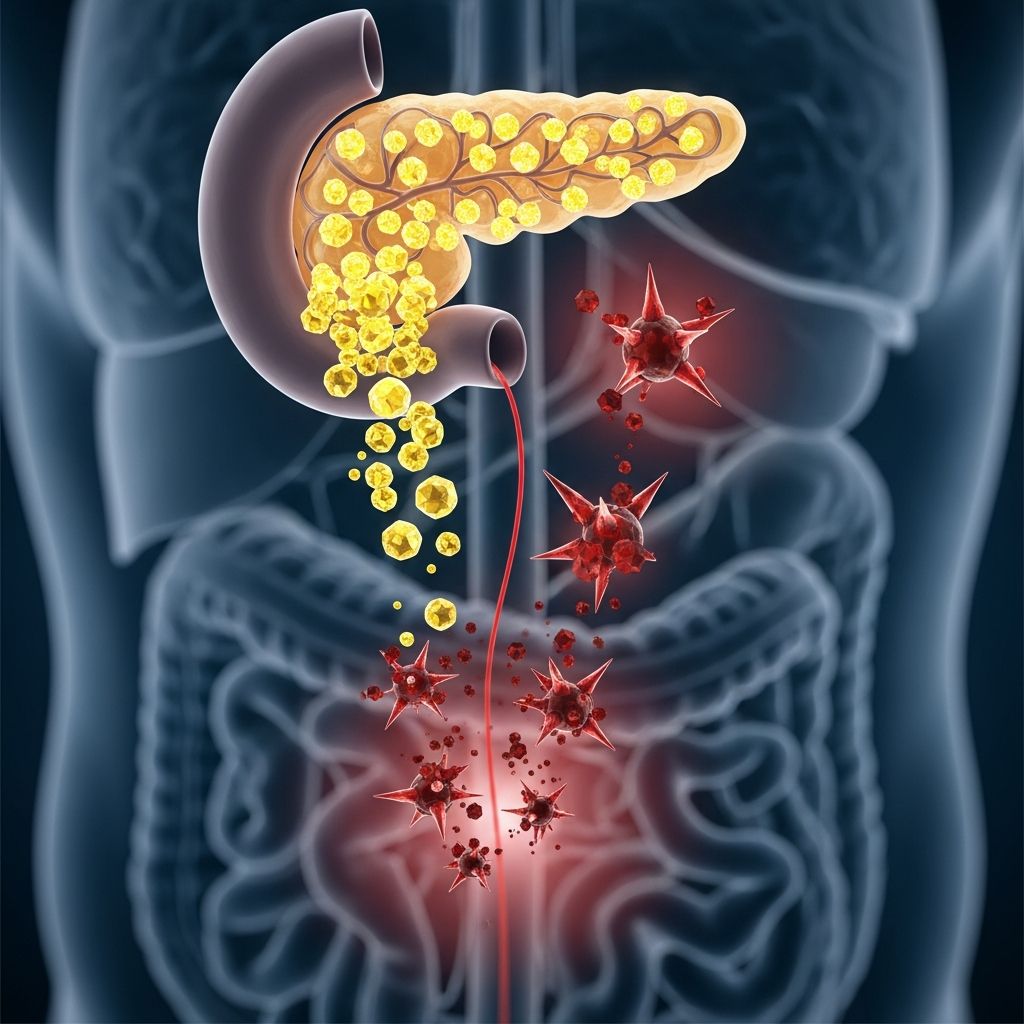
Diabetic ketoacidosis (DKA) is a serious and potentially life-threatening metabolic emergency that occurs primarily in people with diabetes. DKA is characterized by three main features: uncontrolled hyperglycemia (abnormally high blood sugar), metabolic acidosis (increased acidity in the blood), and ketonemia (elevated ketone bodies in the bloodstream). This dangerous condition develops when the body doesn’t have enough insulin to allow blood sugar into cells for energy, forcing the liver to break down fat for fuel—a process that produces harmful acids called ketones.
While DKA is most common among people with type 1 diabetes, it can also occur in people with type 2 diabetes. The condition represents a medical emergency requiring immediate hospitalization and treatment. Without prompt intervention, DKA can lead to diabetic coma, organ damage, or death.
How Does DKA Develop?
Understanding the pathophysiology of DKA is crucial for recognizing how this dangerous condition develops. Normally, when blood glucose levels rise, the pancreas releases insulin, which allows cells to absorb glucose for energy and signals the liver to reduce glucose production. In DKA, however, insulin deficiency and elevated counter-regulatory hormones (glucagon, epinephrine, norepinephrine, cortisol, and growth hormone) fundamentally disrupt this process.
When insulin levels are insufficient, several harmful metabolic changes occur simultaneously:
- The liver increases glucose production through two mechanisms: glycogenolysis (breaking down stored glycogen) and gluconeogenesis (creating new glucose from non-carbohydrate sources)
- Cells cannot effectively utilize the glucose in circulation due to inadequate insulin signaling
- Blood glucose levels rise dramatically, often exceeding 250 mg/dL
Simultaneously, insulin deficiency triggers lipolysis—the rapid breakdown of fat stores in adipose tissue. The liver then oxidizes these free fatty acids, producing excess ketone bodies (beta-hydroxybutyrate and acetoacetate). In acute DKA, the ketone body ratio rises dramatically from a normal 1:1 ratio to as high as 10:1. When ketones accumulate faster than the body can utilize or eliminate them, they make the blood increasingly acidic, creating the dangerous metabolic acidosis characteristic of DKA.
Common Causes and Triggers
DKA typically develops due to very high blood sugar combined with low insulin levels. The two most common causes are illness and missing insulin doses. Understanding these triggers is essential for prevention.
Primary Causes
- Illness and Infection: Infections, including urinary tract infections, pneumonia, or other bacterial infections, are among the most frequent DKA triggers. When sick, people may struggle to manage blood sugar effectively, and the stress response increases counter-regulatory hormones.
- Insulin Interruption: Missing insulin injections, using a malfunctioning insulin pump, or receiving an incorrect insulin dose are direct causes of DKA.
Other Risk Factors
Several additional conditions can precipitate DKA:
- Serious cardiovascular events (heart attack or stroke)
- Physical trauma (car accidents or significant injuries)
- Alcohol or drug use
- Certain medications, including some diuretics and corticosteroids
- Surgical procedures and associated stress
- New-onset diabetes diagnosis
Additionally, certain diabetes medications called SGLT2 inhibitors can increase the risk of euglycemic DKA—a form where blood glucose remains relatively normal (below 250 mg/dL) while dangerous ketone accumulation occurs.
Warning Signs and Symptoms
Early recognition of DKA symptoms is critical because this condition can deteriorate rapidly. Symptoms typically develop over hours and include:
- Extreme thirst and frequent urination
- Nausea and vomiting
- Abdominal pain or cramping
- Rapid, labored breathing (often called Kussmaul respirations)
- Fruity-smelling breath
- Fatigue and weakness
- Confusion or difficulty concentrating
- Headaches
- In severe cases, loss of consciousness
Related Stories



The fruity breath odor occurs because the body exhales acetone, a ketone body produced during fat breakdown. Any person with diabetes experiencing these symptoms should seek emergency medical care immediately, as DKA can progress to life-threatening complications within hours.
Diagnosis of Diabetic Ketoacidosis
Diagnosis of DKA requires laboratory confirmation of three key metabolic abnormalities: hyperglycemia, metabolic acidosis, and ketonemia. Healthcare providers typically order several tests:
Blood Tests
- Blood Glucose: Typically elevated above 250 mg/dL, though euglycemic DKA may present with lower levels
- Arterial or Venous pH: Reveals metabolic acidosis with pH typically below 7.35
- Serum Bicarbonate: Reduced levels indicate acidosis
- Anion Gap: Elevated, typically greater than 12 mEq/L
- Ketone Measurement: Direct blood measurement of beta-hydroxybutyrate is more accurate than traditional urine ketone testing, which may underestimate severity early in DKA or overestimate it later
Additional Testing
- Electrolyte panels to assess potassium, sodium, and chloride levels
- Kidney function tests (creatinine and blood urea nitrogen)
- Blood gas analysis
- Lipid panels, as lipid derangement is common in DKA
In one research study, mean plasma triglyceride levels before insulin treatment were 574 mg/dL, with some patients exceeding 2,000 mg/dL.
Treatment and Management
DKA treatment requires comprehensive medical intervention addressing multiple metabolic derangements simultaneously. The mainstays of management include fluid resuscitation, insulin therapy, electrolyte replacement, and supportive care.
Fluid Resuscitation and Hydration
Patients with DKA typically have fluid deficits representing 10-15% of their body weight. Immediate intravenous fluid resuscitation is vital to:
- Correct hypovolemia (low blood volume)
- Restore tissue perfusion
- Clear ketones from circulation
- Improve glycemic control independent of insulin
Insulin Therapy
Patients with DKA require continuous insulin therapy until resolution of the condition. The resolution criteria include:
- Blood glucose less than 200 mg/dL
- Serum bicarbonate level of 15 mEq/L or greater
- Venous pH greater than 7.3
- Calculated anion gap equal to or less than 12 mEq/L
Notably, insulin levels commonly decrease beta-hydroxybutyrate levels long before acetoacetate levels normalize. Once DKA resolves and patients can eat, they transition to subcutaneous insulin therapy, typically returning to their pre-DKA home doses if previously well-controlled.
Electrolyte Management
DKA causes significant electrolyte disturbances requiring careful replacement. Potassium management is particularly critical, as hyperkalemia (elevated potassium) may occur initially despite total body potassium depletion, and levels must be monitored continuously during treatment.
Monitoring and Supportive Care
Intensive care monitoring throughout treatment ensures early detection of complications. Supportive measures address underlying triggers such as infections requiring antibiotics or cardiovascular events requiring specific interventions.
Prevention Strategies
Preventing DKA requires consistent diabetes management and awareness of risk factors. Key prevention strategies include:
- Consistent Insulin Use: Never miss insulin doses; if using an insulin pump, ensure it functions properly and is refilled regularly
- Regular Blood Sugar Monitoring: Check blood glucose levels as recommended by healthcare providers
- Sick Day Management: Continue taking insulin during illness, even if unable to eat normally, and seek medical attention for significant infections
- Medication Awareness: Know which medications increase DKA risk and discuss alternatives with healthcare providers
- Lifestyle Management: Maintain healthy eating habits, avoid alcohol and drugs, and manage stress effectively
- Medical Follow-up: Attend regular diabetes education and healthcare appointments
- Emergency Preparedness: Have emergency contact information readily available and inform family members of DKA warning signs
Who Is at Risk?
While DKA is most common among people with type 1 diabetes, several groups face elevated risk. Individuals newly diagnosed with type 1 diabetes may present with DKA as their first diabetes manifestation. People with established type 1 diabetes who experience infections, injuries, surgical stress, or insulin interruptions are at significantly higher risk. Additionally, people with type 2 diabetes can develop DKA, particularly euglycemic DKA, often triggered by prolonged uncontrolled blood sugar, medication non-adherence, certain medications, or severe illness.
Long-Term Outlook and Recovery
With appropriate and timely treatment, most people recover fully from DKA. However, recovery requires ongoing commitment to diabetes management to prevent recurrence. After hospitalization, patients benefit from intensive diabetes education, regular medical follow-up, and psychological support to address factors contributing to the DKA episode. Understanding personal triggers and developing strategies to prevent future episodes are essential components of long-term management.
Frequently Asked Questions
Q: Can Type 2 Diabetes Cause DKA?
A: While less common than in type 1 diabetes, type 2 diabetes can cause DKA, particularly euglycemic DKA. This may be triggered by prolonged uncontrolled blood sugar, medication non-adherence, certain medications (especially SGLT2 inhibitors), or severe illness.
Q: How Quickly Does DKA Develop?
A: DKA symptoms typically develop over several hours to a day. This rapid progression underscores the importance of immediate medical attention when symptoms appear.
Q: Is DKA Always Accompanied by High Blood Sugar?
A: Most commonly yes, but euglycemic DKA presents with blood glucose levels below 250 mg/dL despite dangerous ketone accumulation. This atypical presentation can delay diagnosis if not specifically considered.
Q: What Happens if DKA Is Left Untreated?
A: Untreated DKA leads to increasingly severe acidosis, organ dysfunction, cerebral edema, diabetic coma, and death. Immediate medical intervention is lifesaving.
Q: How Can I Prevent DKA?
A: Consistent insulin use, regular blood sugar monitoring, proper sick-day management, maintaining contact with healthcare providers, and avoiding medication interruptions are key prevention strategies.
Q: Are There Warning Signs Before Severe DKA Develops?
A: Yes. Early symptoms include extreme thirst, frequent urination, nausea, vomiting, and fatigue. Recognizing these early signs and seeking medical care can prevent progression to severe DKA.
References
- Adult Diabetic Ketoacidosis – StatPearls — National Center for Biotechnology Information (NCBI). 2024. https://www.ncbi.nlm.nih.gov/books/NBK560723/
- Diabetic Ketoacidosis – CDC — Centers for Disease Control and Prevention. 2025. https://www.cdc.gov/diabetes/about/diabetic-ketoacidosis.html
- Hyperglycemic Crises in Adults With Diabetes: A Consensus Report — Diabetes Care, American Diabetes Association. 2024. https://diabetesjournals.org/care/article/47/8/1257/156808/
- Diabetic Ketoacidosis (DKA) – Warning Signs, Causes & Prevention — American Diabetes Association. 2025. https://diabetes.org/about-diabetes/complications/ketoacidosis-dka/dka-ketoacidosis-ketones
- Diabetic Ketoacidosis — MedlinePlus Medical Encyclopedia, National Library of Medicine. 2024. https://medlineplus.gov/ency/article/000320.htm
Similar Articles








Read full bio of medha deb