Diabetic Ketoacidosis: Risks, Emergency Care, What To Know
Understand diabetic ketoacidosis, its warning signs, triggers, urgent treatments, and daily strategies to safeguard your health effectively.

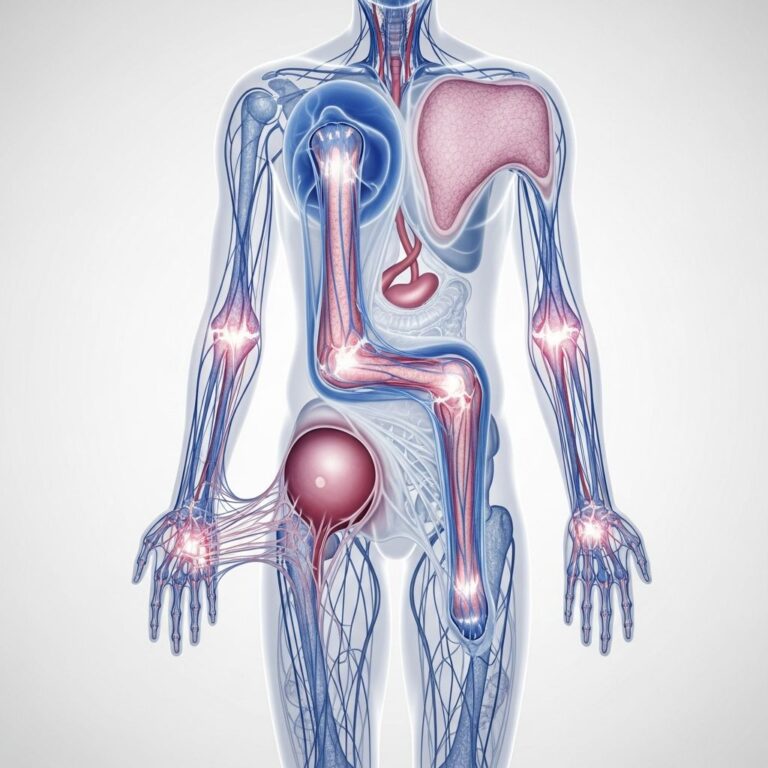
Diabetic ketoacidosis (DKA) arises as a critical emergency in diabetes management, stemming from insufficient insulin that prompts the body to produce excessive ketones, resulting in dangerous blood acidity. This condition demands swift recognition and intervention to avert severe outcomes.
The Metabolic Breakdown Behind DKA
At its core, DKA occurs when the body faces an absolute or relative lack of insulin, impairing glucose entry into cells for energy. Consequently, blood glucose levels soar while cells starve, triggering fat breakdown into ketones—acidic byproducts that accumulate and disrupt pH balance, leading to acidosis. Counter-regulatory hormones like glucagon, cortisol, and adrenaline exacerbate this by promoting further fat metabolism and gluconeogenesis.
This cascade typically unfolds in type 1 diabetes but can strike type 2 cases under stress. Fluid loss from high urination worsens dehydration, concentrating blood sugar even more. Understanding this process empowers individuals to spot early disruptions in metabolic harmony.
Common Triggers Sparking DKA Episodes
Several factors precipitate DKA, often intertwining with diabetes control lapses. Illnesses such as urinary tract infections or pneumonia top the list, as they elevate stress hormones opposing insulin action. Missed insulin doses, pump malfunctions, or incorrect dosing directly deplete insulin availability.
- Infections: Bacterial or viral invasions prompt hormone surges that hinder insulin effectiveness.
- Insulin therapy issues: Forgotten injections or device failures create insulin deficits.
- Medications: Corticosteroids, SGLT2 inhibitors, or diuretics can provoke ketone buildup.
- Other stressors: Trauma, surgery, pregnancy, or substance use like cocaine heighten risks.
Newly diagnosed diabetes frequently presents with DKA, underscoring the need for vigilant monitoring during onset.
Recognizing the Alarming Signs of DKA
Early detection hinges on heeding subtle then intensifying signals. Initial clues mirror hyperglycemia: excessive thirst (polydipsia), frequent urination (polyuria), and profound fatigue. As ketones rise, fruity breath odor emerges from acetone exhalation, alongside nausea, vomiting, and abdominal discomfort.
| Early Stage Signs | Advanced Stage Signs |
|---|---|
| Intense thirst | Fruity breath |
| Frequent peeing | Confusion or drowsiness |
| Blurred vision | Rapid, deep breathing (Kussmaul) |
| Weakness | Dehydration (dry mouth, sunken eyes) |
Severe progression brings rapid breathing to expel acids, muscle cramps from electrolyte shifts, and altered mental status—hallmarks requiring immediate action. Blood tests confirm with glucose over 250 mg/dL, ketones above 3 mmol/L, and pH below 7.3.
Immediate Response: When to Seek Urgent Help
Do not delay if blood sugar exceeds 240-300 mg/dL alongside ketones or any symptom cluster. Vomiting, inability to retain fluids, or neurological changes signal emergency room visits. Home ketone checks via urine strips or blood meters guide decisions—levels over 1.5 mmol/L warrant caution, above 3 mmol/L demand professional care.
While awaiting help, hydrate with water or electrolyte drinks if tolerable, but skip exercise as it may elevate sugars further. Hospitals prioritize rapid stabilization over home remedies.
Core Elements of Hospital-Based Treatment
Treatment protocol focuses on reversing dehydration, hyperglycemia, acidosis, and electrolytes systematically. Intravenous fluids—often normal saline—restore volume deficits up to 10-15% of body weight, flushing ketones and diluting glucose. Insulin infusion follows, typically at 0.1 units/kg/hour, lowering sugar gradually to avoid rebounds.
- Fluids: Initial 1-1.5L in first hour, then adjusted per response.
- Insulin: Continuous IV until ketones clear and anion gap normalizes.
- Electrolytes: Potassium supplementation critical, as insulin drives it intracellularly, risking hypokalemia.
- Underlying causes: Antibiotics for infections or other targeted therapies.
Related Stories



Resolution criteria include glucose <200 mg/dL, bicarbonate >15 mEq/L, pH >7.3, and stable anion gap. Transition to subcutaneous insulin prevents relapse.
Potential Dangers and Treatment Complications
Untreated DKA risks coma, organ failure, or death, but therapy carries pitfalls too. Hypoglycemia from over-insulinization, hypokalemia affecting cardiac rhythm, and cerebral edema—rare yet fatal in aggressive rehydration—demand vigilant monitoring. Euvolemic DKA, linked to SGLT2 drugs, presents with normal sugars but high ketones, complicating diagnosis.
Long-term, recurrent episodes heighten cardiovascular and neurological vulnerabilities, emphasizing prevention.
Everyday Strategies to Prevent DKA Onset
Proactive diabetes stewardship slashes DKA incidence. Maintain consistent insulin regimens, checking pumps daily and rotating sites. During illness, adopt “sick day rules”: test sugars/ketones 4x daily, increase fluids, adjust insulin upward if needed, and contact providers early.
- Monitor blood glucose frequently, especially >250 mg/dL.
- Use ketone tests during highs, illness, or stress.
- Hydrate proactively; avoid sugary drinks.
- Educate on triggers and have action plans.
CGM devices with alerts enhance real-time oversight. Education programs foster adherence, reducing hospitalization risks by up to 50% in adherent groups.
Special Scenarios: DKA in Varied Populations
Children face heightened cerebral edema risks, necessitating gentler fluid rates. Pregnant individuals require tight control to protect fetal health. Type 2 diabetes DKA, though less common, surges with SGLT2 inhibitors—prompting ketone vigilance regardless of sugar levels.
Elderly patients may show atypical signs like confusion, delaying diagnosis. Tailored protocols address these nuances.
Navigating Life Post-DKA Recovery
Discharge involves root cause analysis, refined regimens, and follow-up. Psychological support aids coping with scares. Annual reviews adjust plans amid life changes.
Frequently Asked Questions
What exactly are ketones in DKA?
Ketones are acids from fat breakdown when glucose is unavailable due to insulin lack, accumulating to acidify blood.
Can DKA occur with normal blood sugar?
Yes, euglycemic DKA features high ketones despite glucose <250 mg/dL, often from SGLT2 inhibitors or fasting.
How quickly does DKA develop?
Onset can span hours to days, accelerating with triggers like infection.
Is DKA only for type 1 diabetes?
Primarily, but type 2 patients under stress or specific drugs can develop it.
What home tests detect DKA risk?
Blood glucose meters and ketone strips/meters; act on highs plus moderate/large ketones.
References
- Diabetic ketoacidosis: Symptoms, Causes and Treatment — Medpark Hospital. 2023. https://www.medparkhospital.com/zh-CN/disease-and-treatment/diabetic-ketoacidosis-dka
- Diabetic Ketoacidosis — Centers for Disease Control and Prevention (CDC). 2024. https://www.cdc.gov/diabetes/about/diabetic-ketoacidosis.html
- Adult Diabetic Ketoacidosis — StatPearls, NCBI Bookshelf, NIH. 2025. https://www.ncbi.nlm.nih.gov/books/NBK560723/
- Diabetic ketoacidosis – Symptoms, diagnosis and treatment — BMJ Best Practice. 2024. https://bestpractice.bmj.com/topics/en-gb/162
- Diabetic ketoacidosis – Symptoms & causes — Mayo Clinic. 2024. https://www.mayoclinic.org/diseases-conditions/diabetic-ketoacidosis/symptoms-causes/syc-20371551
- Diabetic ketoacidosis — NHS. 2024. https://www.nhs.uk/conditions/diabetic-ketoacidosis/
Similar Articles








Read full bio of medha deb