Diabetic Kidney Disease: Causes, Symptoms, and Treatment
Understanding diabetic kidney disease: symptoms, prevention strategies, and treatment options for diabetes patients.
What is Diabetic Kidney Disease?
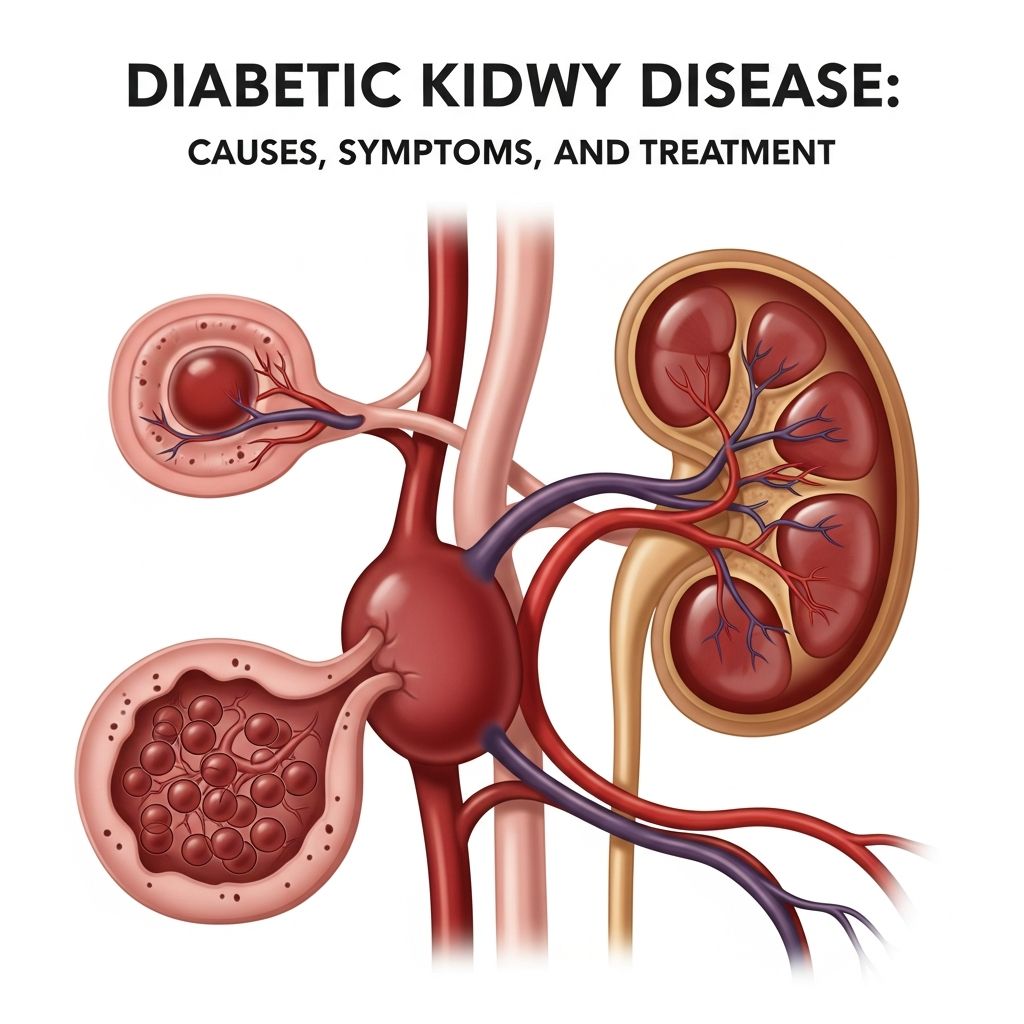
Diabetic kidney disease, also known as diabetic nephropathy, is a serious complication of diabetes that damages the kidneys’ ability to filter waste from the blood. The kidneys contain millions of tiny blood vessel clusters called glomeruli, which are responsible for filtering waste and excess water from the bloodstream to form urine. High blood sugar levels associated with poorly controlled diabetes can damage these delicate blood vessels over time, preventing the kidneys from functioning properly.
This condition develops gradually over years and can eventually lead to kidney failure, a life-threatening condition requiring dialysis or kidney transplant. Early detection and treatment can slow or even prevent the progression of diabetic kidney disease, making regular monitoring essential for all people with diabetes.
How Does Diabetes Damage the Kidneys?
Diabetes causes kidney damage through several interconnected mechanisms. High blood glucose levels are the primary culprit, as they can damage the blood vessels in the kidneys that are responsible for filtering waste. When these blood vessels become narrow and clogged due to sustained high blood sugar, they cannot filter blood effectively.
Additionally, many people with diabetes develop high blood pressure, which compounds the problem. High blood pressure increases the pressure within the kidney’s filtering system, causing additional damage to the delicate blood vessels. This creates a vicious cycle where damaged kidneys struggle to regulate blood pressure, which further damages the kidneys.
Over time, proteins and other substances that should remain in the bloodstream begin to leak into the urine. The most common early sign of kidney damage is the presence of albumin in the urine, a condition known as albuminuria. As kidney damage progresses, the kidneys become increasingly unable to filter waste effectively, leading to a buildup of harmful substances in the blood.
Risk Factors for Diabetic Kidney Disease
While diabetic kidney disease can affect anyone with diabetes, certain factors increase the risk of developing this complication:
- Type 1 or Type 2 diabetes diagnosis
- Poor blood sugar control over many years
- High blood pressure that is difficult to manage
- Family history of kidney disease or diabetes
- Smoking and tobacco use
- Obesity or being overweight
- Advanced age at diabetes diagnosis
- Use of certain pain medications without proper monitoring
The incidence of diabetic kidney disease is approximately 2% of patients with diabetes per year, making it one of the leading causes of kidney failure in developed countries.
Symptoms of Diabetic Kidney Disease
One of the most challenging aspects of diabetic kidney disease is that it often progresses without noticeable symptoms in its early stages. Many people have no awareness that their kidneys are being damaged until significant harm has occurred. However, as the disease progresses, various symptoms may develop:
- Swelling of the feet, ankles, hands, or eyes caused by fluid retention
- Foamy or bubbly urine indicating protein loss
- High blood pressure that becomes increasingly difficult to control with medication
- Fatigue and general weakness due to anemia and metabolic imbalance
- Nausea and vomiting as waste products accumulate in the bloodstream
- Loss of appetite
- Difficulty concentrating or confusion
- Itching of the skin
- Shortness of breath due to fluid accumulation in the lungs
Related Stories



Because early-stage diabetic kidney disease typically produces no symptoms, regular screening is essential for early detection and intervention.
Diagnosis and Screening
Early detection of diabetic kidney disease is crucial for slowing its progression. Healthcare providers use several methods to identify kidney damage:
Urine Albumin Testing
Regular urine tests check for albumin, a protein that should not normally appear in urine. Even small amounts of albumin indicate early kidney damage. This test is the most sensitive way to detect diabetic kidney disease in its earliest stages.
Blood Creatinine Test
Creatinine is a waste product created by muscles that the kidneys normally filter out. Elevated creatinine levels suggest that the kidneys are not filtering waste effectively.
Glomerular Filtration Rate (GFR)
This measurement indicates how well the kidneys are filtering waste. A declining GFR indicates progressive kidney damage and helps healthcare providers determine the stage of kidney disease.
Most people with early diabetic kidney disease have no symptoms, making routine testing the only way to know if kidney problems are developing. Healthcare providers typically recommend that all people with diabetes have their kidney function checked regularly through blood and urine tests.
Stages of Diabetic Kidney Disease
Diabetic kidney disease progresses through several stages, each characterized by different levels of kidney function and protein loss:
- Stage 1: Normal kidney function with normal or high GFR but early signs of kidney damage
- Stage 2: Mild reduction in kidney function (GFR 60-89) with possible protein in urine
- Stage 3a: Moderate reduction in kidney function (GFR 45-59)
- Stage 3b: Moderate reduction in kidney function (GFR 30-44)
- Stage 4: Severe reduction in kidney function (GFR 15-29) with significant protein loss
- Stage 5: Kidney failure or end-stage kidney disease (GFR less than 15) requiring dialysis or transplant
Complications of Untreated Diabetic Kidney Disease
If diabetic kidney disease is not properly managed, it can lead to serious complications affecting multiple organ systems:
- End-stage kidney disease: Irreversible kidney failure requiring dialysis or kidney transplant for survival
- Cardiovascular disease: Increased risk of heart attack and stroke due to damage to blood vessels
- High blood pressure: Kidney damage impairs the ability to regulate blood pressure, creating a dangerous cycle
- Anemia: Damaged kidneys produce less erythropoietin, resulting in fewer red blood cells and reduced oxygen delivery
- Bone disease: Kidney damage affects calcium and phosphorus balance, weakening bones
- Electrolyte imbalances: Particularly dangerous rises in potassium levels that can affect heart function
- Fluid buildup: Can cause swelling in the lungs, arms, and legs
- Pregnancy complications: Increased risks for pregnant women with advanced kidney disease
Treatment of Diabetic Kidney Disease
Treatment of diabetic kidney disease focuses on slowing progression and managing symptoms. The specific approach depends on symptoms, age, overall health, and disease severity.
Blood Sugar Control
Strict management of blood glucose levels is fundamental to preventing kidney damage progression. This involves:
- Dietary modifications to maintain stable blood sugar levels
- Regular physical activity and exercise programs
- Insulin injections or oral diabetes medications as prescribed
- Regular monitoring of blood glucose levels
- Working with healthcare providers to adjust medications as needed
Achieving and maintaining target blood sugar levels protects not only the kidneys but also the heart, blood vessels, eyes, feet, and nerves from diabetes-related damage.
Blood Pressure Management
Controlling high blood pressure is critical for slowing kidney damage. Initial treatment should focus on lifestyle modifications including dietary sodium restriction to less than 2,300 mg per day, weight loss if overweight or obese, increased physical activity, and moderation of alcohol intake.
When medications are needed, healthcare providers typically prescribe specific classes of blood pressure medications that provide extra protection for the kidneys:
- ACE inhibitors: Work by dilating blood vessels and reducing pressure in the kidney’s filtering system. These are highly effective at slowing progression from early to advanced kidney disease.
- ARBs (Angiotensin Receptor Blockers): Function similarly to ACE inhibitors and are equally effective at protecting kidney function.
- Aldosterone antagonists: Help reduce proteinuria and blood pressure in patients with mild to moderate chronic kidney disease already on ACE inhibitors or ARBs.
ACE inhibitors and ARBs have been proven in multiple large clinical trials to slow kidney disease progression in people with diabetes who have high blood pressure. However, these medications are not safe for women who are pregnant and require careful monitoring for side effects such as elevated potassium levels.
Newer Diabetes Medications
Recent advances in diabetes treatment offer additional kidney protection. SGLT2 inhibitors and GLP-1 receptor agonists have been shown to prevent diabetic kidney disease progression or slow its worsening. These medications should be considered as additional therapy for patients with diabetic kidney disease who are already on ACE inhibitors or ARBs.
Dietary Modifications
Dietary changes play an important role in managing diabetic kidney disease. Healthcare providers often recommend:
- Protein restriction to approximately 0.8 grams per kilogram of body weight per day to reduce kidney workload
- Sodium restriction to help manage blood pressure
- Potassium and phosphorus limitation in advanced stages of kidney disease
- Adequate hydration while avoiding excessive fluid intake
- Consultation with a registered dietitian for personalized meal planning
Medication Precautions
Certain medications can worsen kidney damage in people with diabetic kidney disease and should be avoided or used carefully:
- Nonsteroidal anti-inflammatory drugs (NSAIDs) such as ibuprofen, naproxen, and aspirin can cause kidney damage
- Some diabetes medications may require dose adjustment or discontinuation in advanced kidney disease
- Other medications may require dose reduction or more careful monitoring
Always inform healthcare providers about kidney disease before taking any over-the-counter medications.
Specialist Referral
As diabetic kidney disease becomes more severe, referral to a nephrologist (kidney specialist) is typically recommended. Nephrologists can provide specialized care, adjust medications appropriately, and prepare patients for advanced treatment options like dialysis or kidney transplant if needed.
Prevention of Diabetic Kidney Disease
Preventing diabetic kidney disease is far preferable to treating it. Key prevention strategies include:
- Maintaining strict blood sugar control through diet, exercise, and medication adherence
- Managing blood pressure to target levels through lifestyle changes and medications
- Achieving and maintaining a healthy weight
- Avoiding smoking and tobacco products
- Limiting alcohol consumption
- Reducing dietary sodium intake
- Engaging in regular physical activity
- Taking prescribed medications as directed
- Having regular kidney function screening tests
- Avoiding NSAIDs and other kidney-damaging medications
Living with Diabetic Kidney Disease
Managing diabetic kidney disease requires ongoing commitment to lifestyle changes and medical treatment. Regular follow-up appointments with healthcare providers are essential to monitor kidney function and adjust treatment plans as needed. Patients should maintain a healthy diet, exercise regularly, take all medications as prescribed, and monitor blood sugar and blood pressure levels at home.
Education about the condition helps patients understand the importance of treatment adherence and lifestyle modifications. Many people with diabetic kidney disease live full, active lives when they work closely with their healthcare team and follow recommended treatment protocols.
Frequently Asked Questions
Q: Can diabetic kidney disease be cured?
A: Currently, diabetic kidney disease cannot be cured, but early treatment can slow or prevent its progression. With proper management of blood sugar and blood pressure, many people can prevent or significantly delay kidney failure.
Q: How often should I have my kidneys tested?
A: People with diabetes should have their kidney function checked at least annually through blood and urine tests. Those with existing kidney disease may need more frequent testing.
Q: Are ACE inhibitors and ARBs safe to take long-term?
A: Yes, ACE inhibitors and ARBs are safe for long-term use in most people, but they require monitoring for side effects like elevated potassium levels and are not recommended during pregnancy.
Q: What does it mean if protein appears in my urine?
A: Protein in the urine (albuminuria) is an early sign of kidney damage. Even small amounts warrant prompt medical attention and closer monitoring, as early intervention can slow disease progression.
Q: Will I eventually need dialysis if I have diabetic kidney disease?
A: Not necessarily. With early detection and aggressive management of blood sugar and blood pressure, many people can prevent progression to kidney failure. However, some individuals may eventually require dialysis or kidney transplant.
Q: Can lifestyle changes alone treat diabetic kidney disease?
A: While lifestyle changes are essential, most people with diabetic kidney disease also require medication, particularly blood pressure-lowering drugs and diabetes medications, to effectively slow disease progression.
References
- Diabetic Nephropathy (Kidney Disease) – Symptoms and Causes — Mayo Clinic. 2024. https://www.mayoclinic.org/diseases-conditions/diabetic-nephropathy/symptoms-causes/syc-20354556
- Diabetic Kidney Disease (DKD): Diagnosis, Treatment, and Prevention — American Academy of Family Physicians. 2019-06-15. https://www.aafp.org/pubs/afp/issues/2019/0615/p751.html
- Diabetic Kidney Disease — National Institute of Diabetes and Digestive and Kidney Diseases (NIDDK). 2024. https://www.niddk.nih.gov/health-information/diabetes/overview/preventing-problems/diabetic-kidney-disease
- Diabetic Nephropathy (Kidney Disease) – UR Medicine — University of Rochester Medical Center. 2024. https://www.urmc.rochester.edu/encyclopedia/content?contenttypeid=85&contentid=P00345
- Diabetes and Kidney Disease – Stage 5 — National Kidney Foundation. 2024. https://www.kidney.org/kidney-topics/diabetes-and-kidney-disease-stage-5
Similar Articles








Read full bio of Sneha Tete