Diabetic Nephropathy: Understanding Kidney Disease from Diabetes
Learn about diabetic nephropathy, its causes, symptoms, diagnosis, and effective treatment options.
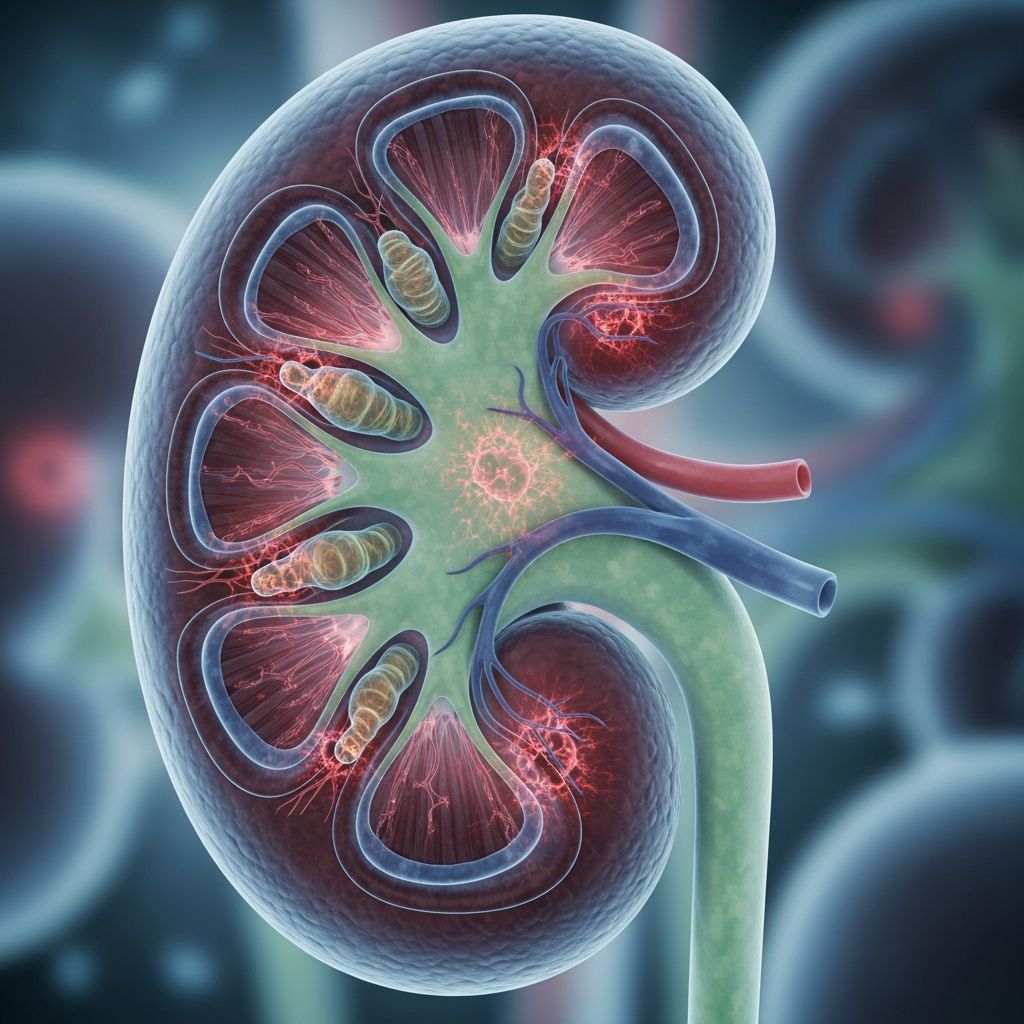
Diabetic nephropathy, commonly referred to as diabetic kidney disease, is a serious and progressive complication of diabetes that affects the kidneys’ ability to filter waste from the blood. This condition develops when prolonged high blood sugar levels cause damage to the delicate blood vessels and filtering units within the kidneys. Diabetic nephropathy is one of the most common microvascular complications of diabetes, occurring in approximately 20 to 40 percent of patients with diabetes, making it a significant health concern for both type 1 and type 2 diabetes patients. Without proper management and early intervention, diabetic nephropathy can progress to end-stage renal disease, requiring dialysis or kidney transplantation. Understanding the risk factors, symptoms, and treatment options is essential for individuals with diabetes to prevent kidney damage and maintain quality of life.
What is Diabetic Nephropathy?
Diabetic nephropathy is characterized by progressive kidney damage resulting from chronic hyperglycemia, or sustained high blood sugar levels. The condition affects the glomeruli, which are the tiny blood vessels responsible for filtering waste products and excess water from the blood to form urine. When exposed to high glucose levels over extended periods, these delicate structures become damaged and scarred, a process called glomerulosclerosis. This damage compromises the kidney’s filtering capacity, allowing protein and other important substances to leak into the urine while waste products accumulate in the bloodstream. The disease typically progresses silently in its early stages, meaning individuals may not notice symptoms until significant kidney damage has already occurred. Early detection through regular screening and monitoring is therefore critical for individuals with diabetes to identify and manage the condition before it reaches advanced stages.
Risk Factors and Causes
Several factors contribute to the development of diabetic nephropathy. While high blood sugar is the primary driver, other significant risk factors include:
- Duration of Diabetes: The longer a person has diabetes, the higher the risk of developing nephropathy. Approximately 12 percent of patients with type 1 diabetes show evidence of kidney disease by 7 years, while 25 percent of type 2 diabetes patients develop kidney disease by 10 years.
- Hypertension: High blood pressure significantly accelerates kidney damage in individuals with diabetes. Patients with both elevated glucose levels and hypertension experience faster progression of kidney disease.
- Genetic Predisposition: Family history plays an important role in susceptibility to diabetic nephropathy. A family history of parental hypertension is a recognized risk factor for developing this condition.
- Smoking: Tobacco use has been linked to an increased risk of kidney disease and can worsen existing nephropathy.
- Poor Glycemic Control: Inadequate management of blood sugar levels significantly increases the risk of developing kidney complications.
- Race and Ethnicity: Certain racial and ethnic groups, including African Americans and Native Americans, have higher rates of diabetic nephropathy.
Symptoms of Diabetic Nephropathy
Diabetic nephropathy often develops gradually, with many individuals experiencing no symptoms in the early stages. This silent progression makes regular screening essential. However, as kidney damage progresses, various symptoms may become apparent:
Early Warning Signs
Proteinuria is often the first detectable sign of diabetic nephropathy. This condition occurs when damaged glomeruli allow protein molecules to pass through into the urine. While small amounts of protein in urine may not produce noticeable symptoms, the presence of proteinuria indicates kidney damage and requires medical attention.
Advanced Stage Symptoms
As kidney function declines, the following symptoms may develop:
- Swelling (Edema): Accumulation of fluid in the body, particularly visible in the legs, ankles, feet, and around the eyes, occurs when damaged kidneys cannot properly regulate fluid balance.
- Fatigue and Weakness: Declining kidney function leads to anemia due to decreased production of erythropoietin, a hormone that stimulates red blood cell production. This results in reduced oxygen delivery to tissues, causing persistent fatigue.
- High Blood Pressure: Kidney damage can lead to increased blood pressure, which paradoxically worsens kidney damage, creating a harmful cycle.
- Poor Appetite and Nausea: Accumulation of waste products in the blood triggers nausea, vomiting, and loss of appetite.
- Difficulty Concentrating: Uremia, the buildup of toxins in the blood, can affect cognitive function and mental clarity.
- Itching: Persistent itching may occur due to the accumulation of uremic toxins.
Diagnosis of Diabetic Nephropathy
Early detection of diabetic nephropathy is crucial for slowing disease progression. Healthcare providers use several diagnostic tools to assess kidney function and identify the presence of kidney disease:
Laboratory Tests
Urine Tests: Urinalysis and urine albumin-to-creatinine ratio (UACR) tests detect the presence of albumin or protein in the urine. This is often the first sign of kidney damage. The UACR measurement helps quantify protein loss, with values above 30 mg/g indicating abnormal protein excretion.
Blood Tests: Serum creatinine levels are measured to calculate glomerular filtration rate (GFR), which indicates how efficiently the kidneys filter waste. Blood urea nitrogen (BUN) levels are also assessed. A declining GFR suggests progressive kidney damage.
Related Stories



Imaging Studies
Ultrasound and other imaging techniques may be used to assess kidney size, structure, and echogenicity. These imaging studies help rule out other kidney conditions and evaluate the extent of kidney damage.
Kidney Biopsy
In some cases, a kidney biopsy may be performed to confirm the diagnosis and assess the stage of kidney disease, though this is typically reserved for atypical presentations.
Stages of Chronic Kidney Disease
Diabetic nephropathy progresses through several stages based on GFR and proteinuria levels:
| Stage | GFR Range (mL/min/1.73m²) | Description |
|---|---|---|
| 1 | ≥90 | Normal or high GFR with kidney damage (proteinuria present) |
| 2 | 60-89 | Mildly decreased GFR with kidney damage |
| 3a | 45-59 | Mildly to moderately decreased GFR |
| 3b | 30-44 | Moderately to severely decreased GFR |
| 4 | 15-29 | Severely decreased GFR |
| 5 | <15 | Kidney failure requiring dialysis or transplant |
Treatment and Management Strategies
Effective management of diabetic nephropathy aims to slow disease progression, prevent complications, and maintain kidney function for as long as possible. Treatment approaches are multifaceted and should be personalized based on individual patient needs:
Blood Sugar Control
Tight glycemic control is fundamental to preventing kidney damage and slowing progression of existing nephropathy. This involves maintaining blood glucose levels within target ranges through medication, diet, and exercise. Research demonstrates that each 1 percent reduction in HbA1c can significantly reduce the risk of kidney disease progression.
Blood Pressure Management
Controlling blood pressure is as important as blood sugar control in protecting kidneys. Angiotensin-converting enzyme (ACE) inhibitors and angiotensin II receptor blockers (ARBs) are first-line medications for hypertension in diabetic patients with nephropathy. These medications not only lower blood pressure but also provide direct renal protective effects by reducing glomerular pressure and proteinuria.
Lifestyle Modifications
Adopting healthy lifestyle changes can significantly impact disease progression:
- Dietary Changes: A diet low in salt, saturated fats, and processed foods helps control blood pressure and blood sugar. Limiting sodium intake to less than 2,300 mg daily is recommended. Patients with advanced kidney disease may need to restrict protein, phosphorus, and potassium intake based on individual kidney function.
- Regular Exercise: Moderate physical activity for at least 150 minutes weekly helps improve blood sugar control, reduce blood pressure, and maintain healthy weight.
- Smoking Cessation: Smoking accelerates kidney disease progression and increases cardiovascular risk. Quitting smoking is crucial for kidney protection.
- Weight Management: Maintaining a healthy weight reduces insulin resistance and helps control blood pressure.
Medication Management
Beyond ACE inhibitors and ARBs, several other medications may be prescribed:
- Diuretics: These medications help manage fluid retention and swelling.
- Erythropoietin-Stimulating Agents: These medications stimulate red blood cell production to treat anemia associated with kidney disease.
- Phosphate Binders: In advanced stages, these medications help control phosphorus levels to prevent bone disease.
- Statins: These cholesterol-lowering medications reduce cardiovascular risk in patients with kidney disease.
Advanced Treatment Options
When kidney function declines to stage 5 chronic kidney disease, patients may require:
- Hemodialysis: A procedure that uses a machine to filter waste and excess fluid from the blood.
- Peritoneal Dialysis: An alternative dialysis method using the peritoneal membrane in the abdomen to filter blood.
- Kidney Transplantation: A surgical procedure to place a donor kidney, which may come from a deceased or living donor.
Screening and Prevention
Screening for diabetic nephropathy should begin at diabetes diagnosis for type 2 diabetes and within 5 years of diagnosis for type 1 diabetes. Annual screening with urine albumin-to-creatinine ratio and serum creatinine is recommended for all patients with diabetes. Early identification of kidney disease allows for timely intervention and referral to specialists when necessary. Primary care providers and endocrinologists typically perform initial screening, with appropriate and timely referral to nephrologists ensuring high-level specialized care.
Complications of Untreated Diabetic Nephropathy
Progression to end-stage renal disease carries significant health consequences. Patients may develop cardiovascular disease, bone disease, anemia, malnutrition, and infections. Quality of life is substantially affected, and life expectancy may be reduced. However, with proper management and adherence to treatment, many complications can be prevented or minimized.
Frequently Asked Questions
Q: Can diabetic nephropathy be reversed?
A: While kidney damage from diabetic nephropathy cannot be fully reversed, early detection and aggressive management of blood sugar and blood pressure can slow disease progression and preserve remaining kidney function.
Q: How often should I be screened for kidney disease if I have diabetes?
A: Annual screening with urine albumin-to-creatinine ratio and serum creatinine is recommended for all individuals with diabetes, or more frequently if abnormalities are detected.
Q: What is the difference between diabetic nephropathy and chronic kidney disease?
A: Diabetic nephropathy specifically refers to kidney disease caused by diabetes, while chronic kidney disease is a broader term for any progressive loss of kidney function from any cause.
Q: Can I live a normal life with diabetic nephropathy?
A: Many people with early to moderate diabetic nephropathy can maintain good quality of life with proper management. However, lifestyle modifications and medication adherence are essential.
Q: What should I eat if I have diabetic nephropathy?
A: Work with a renal dietitian to develop a personalized meal plan. Generally, this includes controlling sodium, potentially limiting protein and certain minerals like potassium and phosphorus, and managing carbohydrates and fats.
References
- Diabetic Kidney Disease — Johns Hopkins Medicine. 2024. https://www.hopkinsmedicine.org/health/conditions-and-diseases/diabetes/diabetic-nephropathy-kidney-disease
- Algorithms for Screening and Management of Diabetic Kidney Disease — Johns Hopkins Diabetes Guide, Johns Hopkins University. 2024-07-13. https://www.hopkinsguides.com/hopkins/view/Johns_Hopkins_Diabetes_Guide/547190/all/Algorithms_for_Screening_and_Management_of_Diabetic_Kidney_Disease
- Symptoms and Causes — Mayo Clinic Staff, Mayo Foundation for Medical Education and Research. 2022. https://www.mayoclinic.org/diseases-conditions/diabetic-nephropathy/symptoms-causes/syc-20354556
- Diagnosis and Treatment — Mayo Clinic Staff, Mayo Foundation for Medical Education and Research. 2022. https://www.mayoclinic.org/diseases-conditions/diabetic-nephropathy/diagnosis-treatment/drc-20354562
- Diabetic Nephropathy — Johns Hopkins University. 2024. https://pure.johnshopkins.edu/en/publications/diabetic-nephropathy-3
Similar Articles








Read full bio of Sneha Tete