Diabetic Retinopathy: Signs, Risks, Prevention & Treatment
Understand the causes, stages, symptoms, and treatments for diabetic retinopathy to protect your vision from diabetes-related damage.
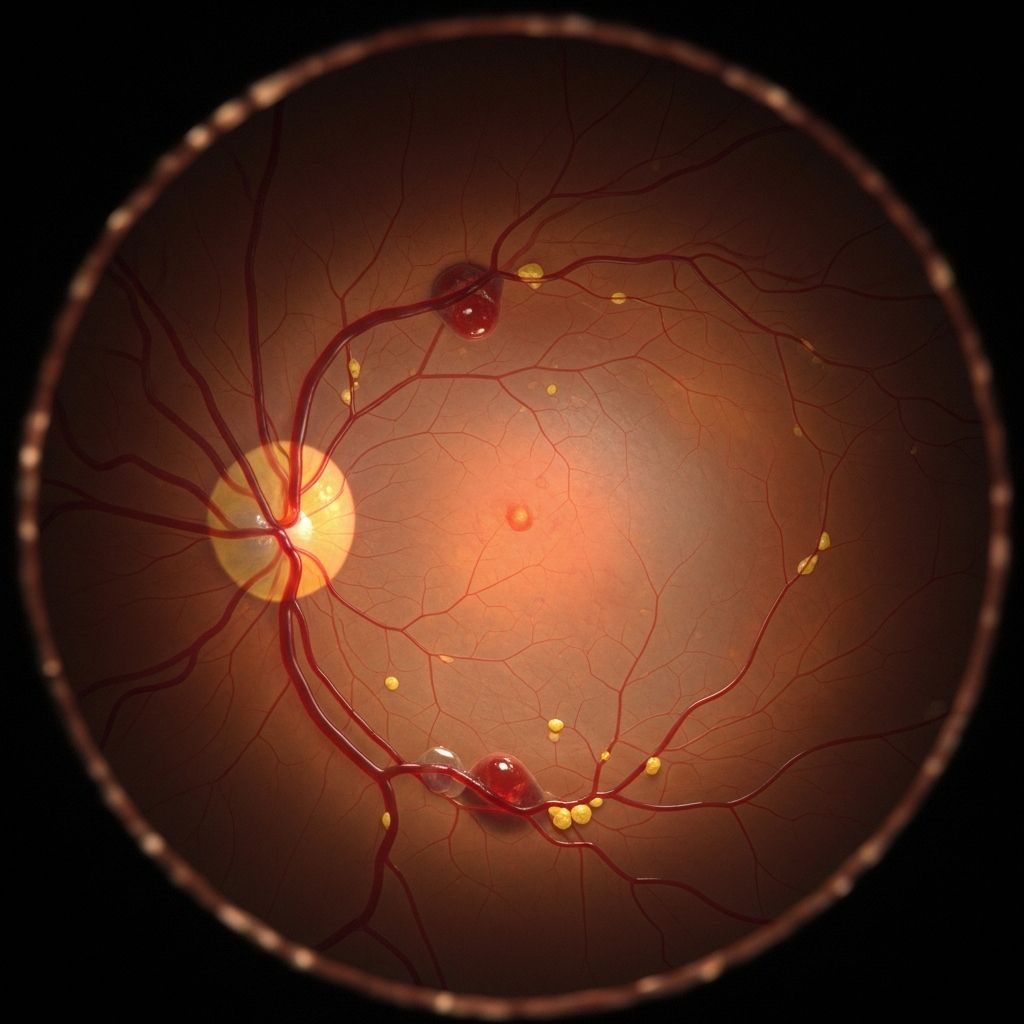
Diabetic retinopathy stands as one of the most prevalent complications of diabetes, directly threatening the delicate blood vessels in the retina—the light-sensitive tissue at the back of the eye. Prolonged exposure to elevated blood sugar levels gradually weakens these vessels, leading to leakage, swelling, and abnormal growth that can impair or even destroy vision. This condition progresses silently in its early phases, often without noticeable symptoms, making regular eye examinations essential for those with diabetes.
The Link Between Diabetes and Retinal Damage
At its core, diabetic retinopathy arises from chronic high blood glucose, which harms the tiny blood vessels supplying the retina with oxygen and nutrients. Over time, these vessels become fragile, developing microaneurysms—small bulges that may leak fluid or blood into the surrounding tissue. The retina responds by attempting to compensate through new vessel formation, but these are often abnormal and prone to rupture, exacerbating the damage.
Both type 1 and type 2 diabetes increase susceptibility, with duration of the disease being a primary influencer. Individuals with diabetes for over 10-15 years face significantly higher risks, particularly if blood sugar control is poor. Additional metabolic factors like hypertension and hypercholesterolemia compound the vascular stress, accelerating retinopathy onset.
Progression Stages of Diabetic Retinopathy
Diabetic retinopathy unfolds in distinct stages, each marked by escalating retinal changes detectable via comprehensive dilated eye exams.
- Non-Proliferative Diabetic Retinopathy (NPDR): The initial phase where vessels weaken but no new growth occurs. Mild NPDR features minor vessel dilation; moderate stages show more leakage and cotton-wool spots from nerve fiber damage; severe NPDR involves widespread vascular closure.
- Proliferative Diabetic Retinopathy (PDR): Advanced stage characterized by neovascularization—fragile new vessels that bleed or cause scarring, potentially leading to retinal detachment.
Throughout these stages,
diabetic macular edema (DME)
can emerge independently, where fluid accumulates in the macula, the central retina responsible for sharp vision, causing distortion or blurriness. About 1 in 15 people with diabetes develop DME over time.Recognizing the Warning Signs
Early diabetic retinopathy is asymptomatic, underscoring the need for proactive screening. As it advances, individuals may experience:
- Floaters or dark spots from vitreous hemorrhage.
- Blurred or fluctuating vision due to macular swelling.
- Dark patches or blind spots from ischemia.
- Sudden vision loss if severe bleeding or detachment occurs.
Any abrupt visual changes warrant immediate ophthalmologist consultation to avert irreversible harm.
Risk Factors Beyond Blood Sugar Control
| Risk Factor | Impact on Retinopathy | Prevalence Note |
|---|---|---|
| Duration of Diabetes | Longer exposure heightens damage | >10 years significantly increases odds |
| Poor Glycemic Control | Elevated A1C correlates with progression | Primary driver |
| Hypertension | Amplifies vessel stress | Common comorbidity |
| High Cholesterol | Promotes plaque in vessels | Exacerbates leakage |
| Pregnancy | Rapid hormonal shifts worsen | Screening advised |
| Smoking | Reduces oxygen delivery | Avoidable risk |
Preventive Measures for Lasting Eye Health
Prevention hinges on rigorous diabetes management. Key strategies include:
- Maintaining HbA1c below 7% through diet, exercise, and medication.
- Controlling blood pressure under 130/80 mmHg.
- Managing lipids with statins if needed.
- Quitting smoking to improve vascular health.
- Annual dilated eye exams, or more frequently for high-risk cases.
Related Stories



These steps can substantially delay or halt progression, preserving vision long-term.
Diagnostic Approaches
Diagnosis begins with a comprehensive eye evaluation, including visual acuity tests, pupil dilation for retinal fundus photography, and optical coherence tomography (OCT) to measure macular thickness. Fluorescein angiography highlights leaking vessels, while ultrasound aids in assessing vitreous hemorrhages. Early detection via these tools allows timely intervention.
Current Treatment Landscape
While incurable, diabetic retinopathy is manageable. Strategies target both systemic control and localized eye therapies.
Systemic Management
Optimizing blood glucose, pressure, and cholesterol forms the foundation, slowing disease advancement.
Targeted Eye Interventions
- Anti-VEGF Injections: Drugs like ranibizumab or aflibercept inhibit vessel growth factors, reducing leakage and edema. Administered monthly initially, then as needed.
- Laser Photocoagulation: Seals leaks and shrinks abnormal vessels, preserving healthy retina.
- Corticosteroid Implants: Dexamethasone implants combat persistent macular edema.
- Vitrectomy: Surgical removal of blood or scar tissue in advanced PDR.
Treatment efficacy is highest when initiated early, often stabilizing or improving vision.
Potential Complications and Long-Term Outlook
Untreated, diabetic retinopathy risks include tractional retinal detachment, neovascular glaucoma from iris vessel proliferation, and permanent blindness—it’s the leading cause in working-age adults. With adherence to management protocols, most preserve functional vision, though some central acuity loss may persist.
Lifestyle Integration for Optimal Control
Beyond medical care, a nutrient-rich diet low in refined sugars, regular physical activity (150 minutes weekly), and stress reduction via mindfulness enhance outcomes. Patient education programs empower better self-management.
FAQs on Diabetic Retinopathy
How often should diabetics get eye checks?
Type 1: Annually post-puberty; Type 2: At diagnosis and yearly thereafter, or more if abnormalities present.
Can diabetic retinopathy be reversed?
Early changes may regress with control; advanced damage like scarring is permanent, but progression halts with treatment.
Is it only in type 2 diabetes?
No, affects both types, though type 2 patients often have longer undiagnosed periods.
What if I notice vision changes?
Seek urgent care to rule out hemorrhage or detachment.
Does pregnancy increase risks?
Yes, rapid changes necessitate first-trimester screening.
References
- Diabetes-Related Retinopathy: Symptoms, Stages & Treatment — Cleveland Clinic. 2023. https://my.clevelandclinic.org/health/diseases/8591-diabetic-retinopathy
- Diabetic retinopathy — NHS. 2023-10-24. https://www.nhs.uk/conditions/diabetic-retinopathy/
- Diabetic retinopathy – Symptoms & causes — Mayo Clinic. 2023-11-02. https://www.mayoclinic.org/diseases-conditions/diabetic-retinopathy/symptoms-causes/syc-20371611
- Diabetic Retinopathy — National Eye Institute (NIH). 2023. https://www.nei.nih.gov/eye-health-information/eye-conditions-and-diseases/diabetic-retinopathy
- Diabetic Retinopathy Treatment — University of Maryland Medical System. 2023. https://www.umms.org/ummc/health-services/ophthalmology/retina/diabetic-retinopathy
- Vision Loss and Diabetes — CDC. 2023-12-14. https://www.cdc.gov/diabetes/diabetes-complications/diabetes-and-vision-loss.html
- Diabetic retinopathy – Diagnosis & treatment — Mayo Clinic. 2023-11-02. https://www.mayoclinic.org/diseases-conditions/diabetic-retinopathy/diagnosis-treatment/drc-20371617
Similar Articles








Read full bio of Sneha Tete