Diabetic Retinopathy: Modern Screening and Treatment Evolution
Advances in early detection and intervention strategies for vision preservation in diabetes patients
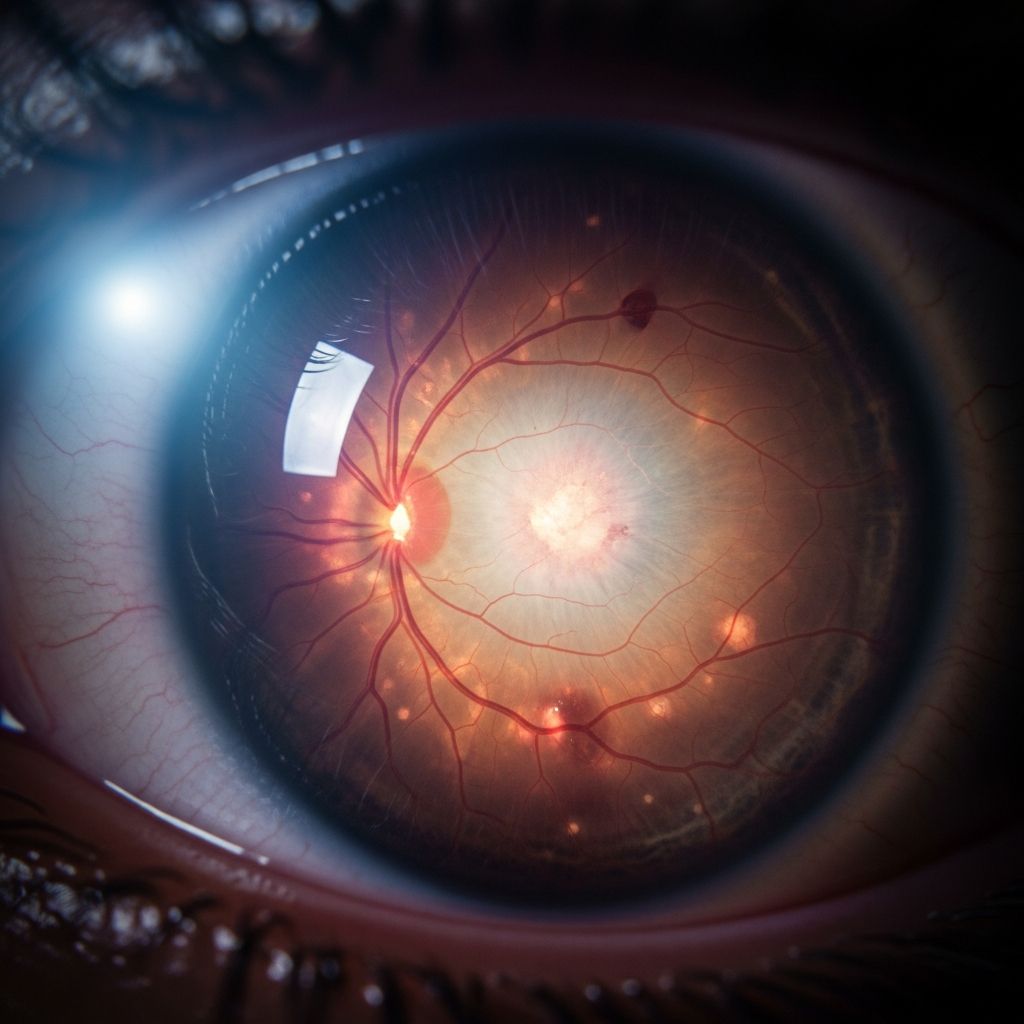
Diabetic retinopathy remains a critical public health concern, affecting millions of adults worldwide and standing as the primary cause of preventable blindness in working-age populations. As of recent epidemiological data, approximately 4.1 million adults in the United States alone live with this vision-threatening complication of diabetes. The landscape of how we identify, monitor, and treat this disease has undergone substantial transformation over the past several years, driven by advances in imaging technology, artificial intelligence applications, and refined clinical understanding of disease progression patterns. Understanding these shifts in clinical practice is essential for both healthcare providers and patients seeking to preserve vision and maintain quality of life.
The Burden and Prevalence of Retinal Damage in Diabetes
The development of retinal complications in diabetes represents a vascular consequence of prolonged hyperglycemia. Over time, elevated blood glucose levels damage the delicate capillaries that supply the retina, leading to microaneurysms, hemorrhages, and fluid accumulation. The disease progression is not uniform across all patient populations, and understanding individual risk profiles has become increasingly important in clinical decision-making.
Type 1 diabetes presents a relatively predictable timeline for retinal involvement. Because hyperglycemia typically begins at the time of diagnosis, retinal damage generally requires several years to manifest clinically. Conversely, type 2 diabetes often develops silently, with patients experiencing years of undiagnosed hyperglycemia before initial presentation. This fundamental difference means that individuals newly diagnosed with type 2 diabetes may already harbor significant retinal pathology at the moment of diagnosis, necessitating immediate comprehensive eye evaluation.
Beyond glucose control, multiple systemic factors influence retinopathy development and progression. Blood pressure elevation, dyslipidemia, renal dysfunction, and the presence of coronary artery disease all amplify retinal risk. Additionally, hormonal changes—particularly during puberty and pregnancy—can accelerate disease advancement. Women with pre-existing diabetes who become pregnant face particularly rapid retinopathy progression and warrant intensive monitoring throughout gestation.
Evolution of Screening Methodologies
Traditional Dilated Examination Standards
The dilated fundus examination, wherein an ophthalmologist or optometrist directly visualizes the retina through pharmacologically dilated pupils, has long served as the clinical gold standard for diabetic retinopathy detection. This comprehensive approach allows practitioners to assess not only retinal changes related to diabetes but also other ocular pathology that may contribute to vision loss, including cataracts, glaucoma, and age-related macular degeneration. The examination requires trained specialists and represents a significant component of eye care infrastructure in most healthcare systems.
Digital Imaging and Fundus Photography Advances
Over the past decade, validated digital imaging systems have emerged as legitimate alternatives for initial and serial retinopathy screening, particularly in regions where ophthalmology specialist access is limited. High-quality fundus photographs can reliably detect clinically significant diabetic retinopathy and have demonstrated excellent sensitivity and specificity in rigorous clinical trials. Remote reading protocols—wherein trained technicians or reading centers interpret images acquired by non-specialist personnel—have expanded access to screening services in underserved communities and primary care settings.
However, important limitations warrant recognition. Digital photography, while excellent for detecting advanced retinopathy, may miss subtle early changes. Furthermore, retinal images serve as screening tools rather than substitutes for comprehensive dilated examinations, which remain essential for complete ocular evaluation and baseline documentation.
Artificial Intelligence Integration in Screening
The most significant recent advancement in retinopathy screening involves the FDA approval and clinical deployment of artificial intelligence algorithms designed to interpret retinal images. Three AI platforms have received FDA authorization: AEYE diagnostic screening technology (AEYE Health), the EyeArt AI screening system (Eyenuk), and LumineticsCore, formerly IDx-DR (Digital Diagnostics). These systems have demonstrated diagnostic accuracy comparable to trained human readers in prospective multicenter trials and offer several practical advantages.
Related Stories



AI-enabled screening accelerates image interpretation, reduces dependency on specialist availability, and can be deployed in diverse healthcare settings including primary care clinics and diabetes management centers. Most insurance plans currently cover these AI screening services, reducing financial barriers to access. The systems work by analyzing digital fundus photographs to detect features associated with diabetic retinopathy and diabetic macular edema, automatically flagging cases requiring urgent referral for comprehensive evaluation.
Despite these advantages, optimal utilization strategies and long-term outcomes of AI-based screening remain areas of ongoing clinical investigation. Questions regarding which patient populations benefit most from AI screening, how frequently screening should occur in AI-managed patients, and whether AI systems might inadvertently reduce rates of comprehensive dilated examination—which serve broader ocular health functions—continue to shape implementation guidelines.
Contemporary Screening Protocols and Risk Stratification
Type 1 Diabetes Screening Framework
Current clinical guidelines recommend that individuals with type 1 diabetes undergo initial dilated comprehensive eye examination five years after diabetes diagnosis. This timeline reflects the estimated minimum duration required for retinopathy to develop following hyperglycemia onset. Following this baseline evaluation, annual examinations become standard practice, continuing throughout the patient’s lifetime. The frequency may be adjusted based on examination findings, with more rigorous monitoring mandated if any retinopathy is detected.
Type 2 Diabetes Screening Framework
The approach for type 2 diabetes fundamentally differs due to the disease’s insidious nature. Because many patients experience years of undiagnosed hyperglycemia before clinical diagnosis, comprehensive eye examination must occur at the time of diabetes diagnosis rather than at some future interval. This urgent approach recognizes that prevalent retinopathy may already be present. Subsequent annual examinations are standard, with intervals potentially extended to every 1-2 years only if multiple consecutive annual exams demonstrate absence of retinopathy and glycemic control remains excellent.
Risk-Based Stratification
Contemporary practice increasingly emphasizes individualized risk assessment to optimize screening intervals. Patients with evidence of any retinopathy require annual dilated examinations indefinitely. Those with progressing retinopathy, sight-threatening disease, or inadequate glycemic control warrant more frequent assessment, sometimes every 2-4 months, depending on clinical judgment. This stratified approach acknowledges that not all diabetic patients face identical risk and allows efficient allocation of specialist resources.
| Diabetes Type | Initial Screening Timeline | Baseline Examination Type | Follow-up Frequency (No Retinopathy) | Follow-up Frequency (Retinopathy Present) |
|---|---|---|---|---|
| Type 1 | 5 years after diagnosis | Dilated comprehensive exam | Annual | At least annual; more frequent if progressing |
| Type 2 | At diagnosis | Dilated comprehensive exam | Annual; may extend to 1-2 years if well-controlled | At least annual; more frequent if progressing |
Systemic Factors Influencing Retinopathy Progression
While glycemic control remains central to retinopathy prevention, emerging evidence increasingly emphasizes the role of broader metabolic management. Blood pressure regulation demonstrates particularly strong associations with retinopathy risk reduction. Patients counseled on the importance of maintaining target blood pressure and hemoglobin A1c levels show significantly lower rates of disease onset and progression compared to those with suboptimal control.
An important clinical consideration has emerged regarding rapid glucose-lowering interventions. Certain newer antidiabetic agents, including semaglutides and other GLP-1 receptor agonists, can paradoxically accelerate retinopathy onset or cause early disease exacerbation despite achieving excellent long-term glycemic control. This phenomenon, sometimes termed “metabolic switch retinopathy,” highlights the complexity of glucose management and emphasizes the need for ophthalmic monitoring during initiation of intensive glucose-lowering therapy, particularly in patients beginning treatment after years of suboptimal control.
Treatment Approaches and Intervention Strategies
Pharmacological and Laser Interventions
Management of established diabetic retinopathy encompasses multiple therapeutic modalities aimed at halting disease progression and preserving functional vision. Laser photocoagulation, though less frequently employed than in prior decades, remains appropriate for specific presentations. Intravitreal injections of anti-vascular endothelial growth factor (anti-VEGF) agents have become first-line therapy for diabetic macular edema and proliferative disease, offering superior anatomic and functional outcomes compared to laser-only approaches in clinical trials.
Steroid-based intravitreal treatments provide additional options for selected patients, particularly those with macular edema refractory to anti-VEGF therapy or with concurrent inflammatory components. Combination approaches, utilizing multiple drug classes or integrating pharmacological therapy with laser treatment, are increasingly employed for advanced disease.
Vision Preservation and Rehabilitation
Despite optimal treatment, some patients experience irreversible vision loss. Comprehensive care includes referral for low-vision rehabilitation services, which employ specialized optical devices, training techniques, and adaptive strategies enabling patients to maximize functional capacity within remaining vision. Coordination between ophthalmology, optometry, rehabilitation specialists, and primary care providers ensures holistic management addressing both disease modification and quality-of-life optimization.
Screening Accessibility and Implementation Challenges
A persistent concern in diabetic retinopathy care is the substantial gap between screening recommendations and actual practice implementation. Current data suggest that only approximately 60% of individuals with diabetes receive recommended annual eye examinations. Barriers to screening include limited specialist availability, geographic distance from eye care services, financial constraints despite insurance coverage, and patient awareness gaps regarding retinopathy risks.
Telemedicine and remote screening programs represent promising solutions to accessibility challenges. By enabling primary care providers, diabetes educators, and community health workers to acquire retinal images for specialist interpretation, these programs extend screening capacity beyond traditional ophthalmology offices. Integration of AI-interpreted screening into primary care workflows further streamlines access, potentially increasing screening rates particularly in underserved populations.
Key Takeaways for Clinical Practice
- Type-specific screening timing: Type 1 diabetes requires initial examination five years post-diagnosis; type 2 requires examination at diagnosis.
- Validated alternatives exist: Digital photography and FDA-approved AI systems offer effective screening options when comprehensive dilated examination is unavailable.
- Risk stratification matters: Screening frequency should be individualized based on retinopathy status and glycemic control.
- Systemic management is critical: Blood pressure, lipid levels, and glycemic control collectively influence retinopathy progression.
- Treatment options have expanded: Anti-VEGF agents represent superior first-line therapy for many presentations compared to traditional laser approaches.
- Accessibility remains a challenge: Implementation of telemedicine and AI screening can expand access but requires organized workflow integration.
Frequently Asked Questions
What is the primary cause of diabetic retinopathy?
Diabetic retinopathy develops when prolonged hyperglycemia damages the small blood vessels supplying the retina. This vascular damage leads to microaneurysms, bleeding, and fluid accumulation that progressively impair vision.
Can diabetic retinopathy be prevented?
While retinopathy cannot be completely prevented once diabetes develops, maintaining excellent glycemic control, managing blood pressure, and controlling lipid levels significantly reduce risk of onset and progression. Early detection and treatment of existing disease can prevent or delay vision loss.
How often should I have eye examinations if I have diabetes?
Examination frequency depends on your diabetes type, retinopathy status, and glycemic control. Generally, annual examinations are recommended. Those with retinopathy may require more frequent evaluation. Consult your eye care provider regarding your individualized screening schedule.
Are digital photos sufficient for diabetic retinopathy screening?
Digital fundus photography with AI interpretation or expert reading is an effective screening tool for detecting moderate to advanced retinopathy. However, comprehensive dilated eye examinations provide broader ocular assessment and should be performed initially and periodically thereafter.
What does FDA approval of AI screening systems mean for my care?
FDA-approved AI systems can accurately detect diabetic retinopathy from retinal photographs and facilitate screening in diverse settings. These tools improve access and reduce screening bottlenecks, though they are screening tools rather than replacements for comprehensive clinical evaluation.
References
- AAO Diabetic Retinopathy Guideline Summary — American Academy of Ophthalmology. 2024. https://www.guidelinecentral.com/guideline/10563
- 12. Retinopathy, Neuropathy, and Foot Care: Standards of Care in Diabetes—2026 — American Diabetes Association, published in Diabetes Care. 2026. https://diabetesjournals.org/care/article/49/Supplement_1/S261/163919/12-Retinopathy-Neuropathy-and-Foot-Care-Standards
- Eye Exam for Patients With Diabetes (EED) — National Committee for Quality Assurance (NCQA). 2024. https://www.ncqa.org/report-cards/health-plans/state-of-health-care-quality-report/eye-exam-for-patients-with-diabetes-eed/
Similar Articles








Read full bio of medha deb