Diagnosing Hypothyroidism: 4 Essential Diagnostic Steps
Learn how healthcare providers identify and confirm underactive thyroid conditions through symptoms, tests, and expert evaluation.
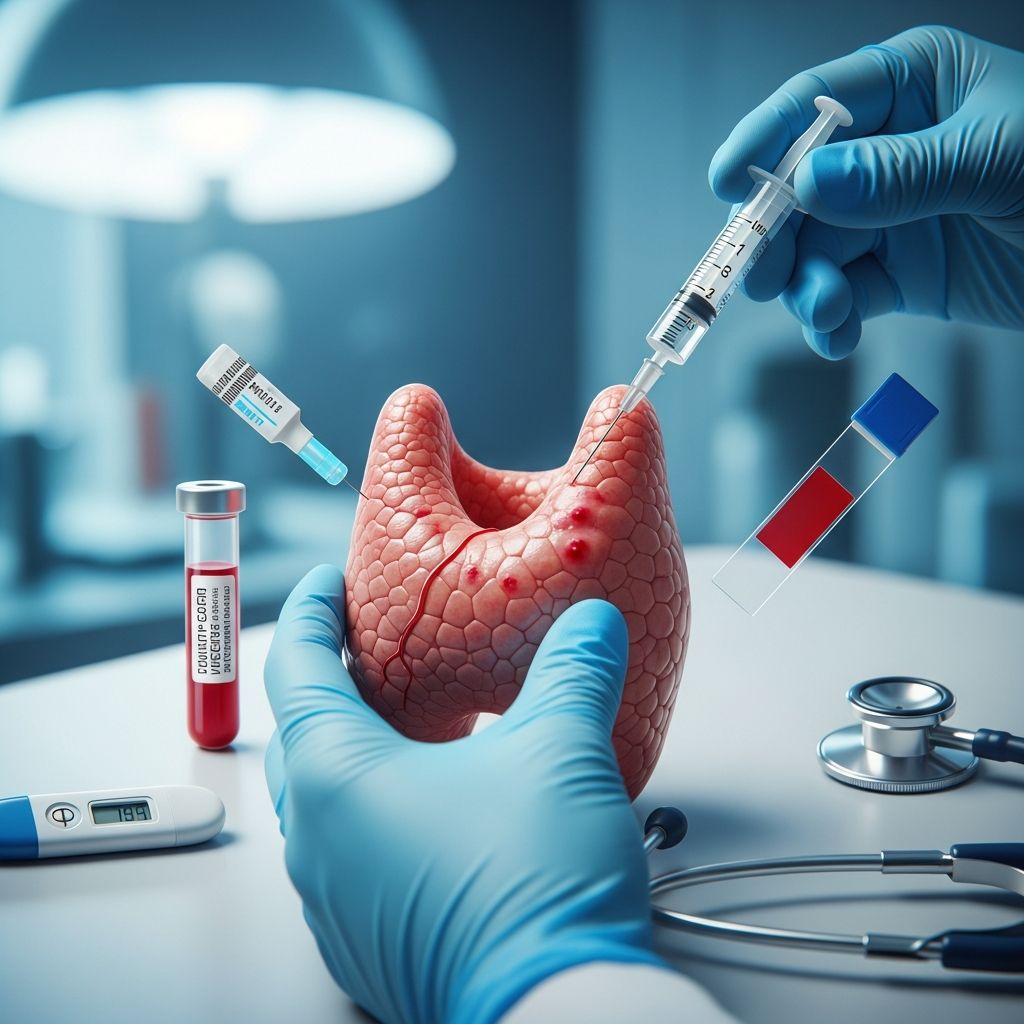
Hypothyroidism, or an underactive thyroid, occurs when the thyroid gland fails to produce sufficient hormones, impacting metabolism and various bodily functions. Healthcare professionals diagnose it primarily through blood tests measuring thyroid-stimulating hormone (TSH) and thyroxine (T4) levels, alongside evaluating symptoms and risk factors.
Recognizing the Early Warning Signs
The journey to diagnosis often starts with noticing subtle changes in daily well-being. Symptoms develop gradually, mimicking aging or stress, which can delay recognition. Common indicators include persistent fatigue, unexplained weight gain, and heightened sensitivity to cold temperatures.
Individuals may experience dry, coarse skin, thinning hair, and muscle aches or weakness. Digestive issues like constipation become frequent, while cognitive effects such as memory lapses or difficulty concentrating arise. Women might notice heavier or irregular menstrual cycles, and both genders could face slowed heart rates or mild depression.
- Fatigue: Persistent tiredness not relieved by rest.
- Cold intolerance: Feeling unusually cold even in warm environments.
- Weight changes: Gradual gain despite stable diet and activity.
- Skin and hair alterations: Dryness, brittleness, or loss.
- Mood shifts: Low mood or depressive feelings.
In newborns, signs differ and demand urgent attention: poor feeding, jaundice, constipation, and hypotonia (poor muscle tone). Untreated congenital hypothyroidism risks intellectual and physical developmental delays.
Risk Factors That Heighten Susceptibility
Certain groups face elevated risks. Women, particularly those over 60, are disproportionately affected. A family history of thyroid disorders signals genetic predisposition. Autoimmune conditions like type 1 diabetes or rheumatoid arthritis increase likelihood, as does previous thyroid surgery or radiation exposure.
Pregnancy can trigger or exacerbate the condition, potentially leading to complications like preeclampsia or miscarriage if unmanaged. Iodine deficiency, though rare in iodized salt regions, remains a factor globally.
Primary Causes Behind Thyroid Dysfunction
Hashimoto’s thyroiditis tops the list as the leading cause, where the immune system erroneously targets the thyroid, impairing hormone synthesis. This autoimmune attack gradually destroys thyroid tissue.
Other culprits include thyroiditis from viral infections, surgical removal of the gland, or radiation for head/neck cancers. Medications like lithium or amiodarone, pituitary gland tumors, and congenital defects also contribute. Infiltrative diseases or iodine imbalances play lesser roles.
- Autoimmune: Hashimoto’s disease dominates.
- Iatrogenic: Post-surgery or radiation.
- Inflammatory: Thyroiditis phases.
- Central: Pituitary failure (rare).
The Diagnostic Process Step by Step
Diagnosis hinges on clinical suspicion followed by lab confirmation. Providers start with a thorough history and physical exam, checking for goiter (enlarged thyroid), dry skin, delayed reflexes, or bradycardia.
The cornerstone test is serum TSH: elevated levels indicate primary hypothyroidism, as the pituitary ramps up stimulation for underperforming thyroid. Free T4 (FT4) follows; low FT4 with high TSH confirms overt disease. Subclinical cases show high TSH but normal FT4, warranting monitoring.
Additional tests include thyroid antibodies (anti-TPO, anti-thyroglobulin) to detect autoimmunity, especially in Hashimoto’s. Ultrasound visualizes gland structure for nodules or inflammation. Rarely, TRH stimulation tests probe central causes.
Related Stories



- Initial screening: TSH blood draw.
- Confirmation: FT4 and antibody panels.
- Imaging: Ultrasound if structural issues suspected.
- Specialized: Pituitary MRI for low TSH cases.
Differentiating Subclinical from Overt Hypothyroidism
Subclinical hypothyroidism affects many asymptomatically, with TSH 4.5-10 mIU/L and normal FT4. Progression to overt disease occurs in 2-6% yearly, higher with antibodies. Treatment thresholds vary: TSH >10 mIU/L often prompts therapy; 4.5-10 considers symptoms, risks.
Overt hypothyroidism presents classic symptoms with low FT4. Distinction guides management: subclinical may need lifestyle tweaks or low-dose levothyroxine; overt requires full replacement.
Potential Complications of Undiagnosed Cases
Prolonged undertreatment elevates cardiovascular risks via high cholesterol and hypertension. Peripheral neuropathy causes numbness; infertility stems from ovulatory disruptions. Myxedema coma, a medical emergency, features hypothermia, hypotension, and coma, often precipitated by infection or drugs.
Pregnancy complications include miscarriage and neurodevelopmental fetal harm. Infants risk cretinism with growth stunting.
Treatment Initiation Post-Diagnosis
Levothyroxine (synthetic T4) is standard, dosed by age, weight, and severity. Elderly or cardiac patients start low (25-50 mcg), titrating every 4-6 weeks via TSH checks. Goal: normalize TSH without suppression.
Lifestyle supports: iodine-rich foods, selenium for conversion, avoid goitrogens. Regular monitoring prevents over- or under-replacement.
When to Consult a Healthcare Professional
Seek evaluation for multiple persistent symptoms, family history, or pregnancy planning. Routine screening suits high-risk groups like postpartum women or those with autoimmune diseases.
Frequently Asked Questions (FAQs)
What is the first test for hypothyroidism?
The TSH blood test is the initial screening tool, with elevated levels prompting further T4 measurement.
Can hypothyroidism be cured?
It is typically managed lifelong with hormone replacement, not cured, except transient cases like postpartum thyroiditis.
Is fasting required for thyroid tests?
No, but inform providers of recent biotin supplements, as they interfere.
How long until symptoms improve after starting treatment?
Weeks to months; full effects may take 6 weeks with dose adjustments.
Does hypothyroidism affect pregnancy?
Yes, untreated raises miscarriage and preterm birth risks; monitoring is crucial.
References
- Hypothyroidism (underactive thyroid) – Symptoms and causes — Mayo Clinic Staff. 2022-12-10. https://www.mayoclinic.org/diseases-conditions/hypothyroidism/symptoms-causes/syc-20350284
- Underactive thyroid (hypothyroidism) – NHS — NHS. Accessed 2026. https://www.nhs.uk/conditions/underactive-thyroid-hypothyroidism/
- Hypothyroidism | Hashimoto’s Disease – MedlinePlus — MedlinePlus. Accessed 2026. https://medlineplus.gov/hypothyroidism.html
- Hypothyroidism: Diagnosis and Treatment – AAFP — American Academy of Family Physicians. 2021-05-15. https://www.aafp.org/pubs/afp/issues/2021/0515/p605.html
- Hypothyroidism | American Thyroid Association — American Thyroid Association. Accessed 2026. https://www.thyroid.org/hypothyroidism/
- Hypothyroidism (Underactive Thyroid): Symptoms & Treatment — Cleveland Clinic. Accessed 2026. https://my.clevelandclinic.org/health/diseases/12120-hypothyroidism
Similar Articles








Read full bio of Sneha Tete