Diagnosing Infectious Uveitis and Retinitis
Master the essential strategies for identifying and treating infectious uveitis and retinitis to prevent vision loss and complications.
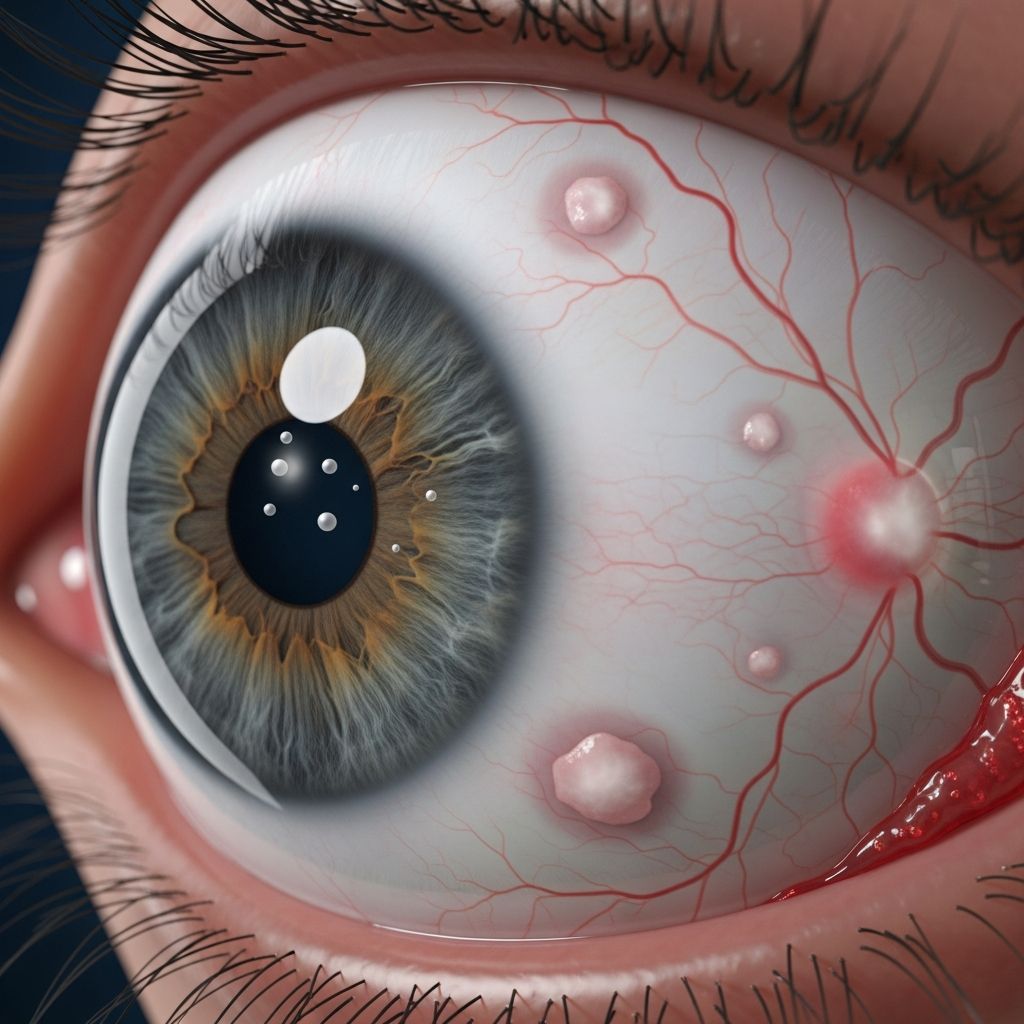
Infectious uveitis and retinitis represent serious threats to ocular health, often leading to significant vision impairment if not identified promptly. These conditions involve inflammation of the uveal tract or retina caused by pathogens such as viruses, bacteria, fungi, or parasites. Early recognition is critical because timely intervention with targeted antimicrobials can halt progression and preserve visual function, whereas delays may result in retinal detachment, necrosis, or blindness.
Understanding the Scope of Infectious Uveitis
Uveitis refers to inflammation within the eye’s uveal tract, which includes the iris, ciliary body, and choroid. When infectious agents are involved, the condition can extend to the retina, manifesting as retinitis. Posterior uveitis, particularly infectious forms, presents the widest differential diagnosis and is the leading cause in pediatric cases. Common pathogens include herpes viruses (HSV, VZV, CMV), Toxoplasma gondii, Treponema pallidum (syphilis), and others like Bartonella or endogenous fungi in septic patients.
Symptoms typically include blurred vision, floaters, photophobia, pain, and reduced visual acuity. In immunocompromised individuals, such as those with HIV/AIDS or post-transplant patients, opportunistic infections like CMV retinitis predominate, often signaling systemic compromise. Immunocompetent patients may encounter toxoplasmosis or herpetic necrotizing retinitis, which can mimic non-infectious uveitis.
Step-by-Step Diagnostic Framework
A structured approach enhances diagnostic accuracy. Begin by assuming an infectious etiology until proven otherwise, as these respond robustly to antimicrobials, allowing safe escalation to steroids if needed.
Initial History and Risk Assessment
Gather a detailed history focusing on immune status, travel, animal exposure, sexual history, and systemic symptoms. Immunosuppression raises suspicion for CMV or Pneumocystis. Recent travel to endemic areas suggests toxoplasmosis or vector-borne diseases like Lyme. Systemic clues—fever, rash, arthritis, or lymphadenopathy—point to syphilis, Lyme, or Bartonella.
Comprehensive Ocular Examination
Perform slit-lamp biomicroscopy to grade anterior chamber and vitreous cells. Posterior segment evaluation reveals key lesions: focal retinitis, necrotizing patches, or vascular changes. Dilated fundus exam is essential, using indirect ophthalmoscopy for peripheral retina.
- Focal lesions: ‘Headlight in the fog’—yellow-white retinitis with overlying haze—suggests toxoplasmosis adjacent to scars.
- Diffuse necrosis: Herpesviruses cause ‘cracked mud’ or pizza-pie hemorrhages.
- Granular periphery: Indolent CMV in immunocompromised.
Lesion Morphology Analysis
Classify lesions as focal, multifocal, or diffuse. Necrotizing retinitis shows occlusive vasculopathy and rapid circumferential spread, per American Uveitis Society criteria for acute retinal necrosis (ARN).
| Lesion Type | Characteristics | Likely Pathogens |
|---|---|---|
| Focal chorioretinitis | Adjacent to scar, vitritis | Toxoplasma |
| Necrotizing peripheral | Arteriolar involvement, rapid spread | HSV/VZV |
| Hemorrhagic granular | Minimal vitritis, peripheral | CMV |
| Placoid yellow | Multifocal deep retina | Syphilis |
Leveraging Multimodal Imaging
Imaging refines diagnosis, especially for subtle or peripheral pathology. Ultrawidefield fundus photography captures far-periphery lesions missed on standard exams, using green/red filters for retinal/choroidal detail. Optical coherence tomography (OCT) delineates retinal layer involvement: full-thickness disruption in toxoplasmosis, outer retinal granularity in CMV.
Related Stories



Fluorescein angiography highlights leakage, capillary non-perfusion, or disc hyperfluorescence. Indocyanine green angiography aids choroidal assessment. Fundus autofluorescence shows hyperauto fluorescent active borders.
- Ultrawidefield benefits: Monitors treatment response as lesions pigment.
- OCT utility: Quantifies vitreous haze, choroidal thickening.
Laboratory and Molecular Confirmation
Serology screens for pathogens: Toxoplasma IgG/IgM, syphilis RPR/FTA-ABS, CMV IgM, Lyme Western blot. PCR on aqueous/vitreous is gold standard for intraocular confirmation, detecting low viral loads in herpetic or CMV cases.
Intraocular sampling via anterior chamber tap or vitrectomy is indicated for atypical presentations or poor response. Paired serum-aqueous antibody indices detect local production. Blood cultures, chest imaging, and echocardiography rule out endogenous sources like endocarditis.
Common Pathogens and Their Hallmarks
Viral Retinitis
Herpes family (HSV, VZV, CMV) dominates. ARN features peripheral necrosis, vitritis, and vasculopathy; untreated, it progresses circumferentially. CMV shows patchy retinitis with hemorrhages in AIDS patients; indolent forms challenge diagnosis without PCR.
Parasitic: Toxoplasmosis
Most common posterior infectious uveitis worldwide. Reactivation at old borders causes focal retinitis with intense vitritis; outer retinal variant has less haze. PCR confirms atypical cases.
Bacterial: Syphilis and Endophthalmitis
Syphilis retinitis mimics placoid chorioretinitis; test both treponemal/non-treponemal assays due to rising prevalence. Endophthalmitis presents acutely with hypopyon, abscesses; urgent cultures essential.
Management Principles
Initiate empiric therapy post-sampling: intravitreal antivirals (foscarnet/ganciclovir) for suspected herpetic, systemic for toxoplasmosis (pyrimethamine/sulfadiazine). Avoid steroids until infection excluded to prevent exacerbation. Monitor with serial imaging; complications include detachment, neovascularization.
Systemic workup prevents mortality from disseminated disease.
Challenges in Special Populations
Pediatrics: Infections lead posterior uveitis; subtle signs demand vigilance. Immunocompromised: Broader differentials, higher recurrence. Pregnancy: Avoid teratogens; syphilis screening vital.
FAQs
What is the first step in suspecting infectious uveitis?
Assume infection pending workup, especially with posterior involvement or risk factors.
How does multimodal imaging aid diagnosis?
It reveals peripheral/subtle lesions, layers disruption, and treatment response.
When to perform PCR testing?
For suspected viral/parasitic retinitis or atypical clinical pictures.
Can infectious uveitis resolve spontaneously?
Toxoplasmosis may, but treatment prevents scarring and recurrence.
What are complications of untreated cases?
Retinal necrosis, detachment, optic neuropathy, vision loss.
References
- A 5-step approach to diagnosing uveitis — Ophthalmology Management. 2013-06. https://pv-om-staging.hbrsd.com/issues/2013/june/a-5-step-approach-to-diagnosing-uveitis/
- Infectious Uveitis — PMC – NIH. 2015. https://pmc.ncbi.nlm.nih.gov/articles/PMC4659396/
- UVEITIS CORNER: Multimodal Imaging in Infectious Retinitis — Retinal Physician. 2023-01. https://www.retinalphysician.com/issues/2023/januaryfebruary/uveitis-corner-multimodal-imaging-in-infectious-retinitis/
- Uveitis: The Collaborative Diagnostic Evaluation — AAFP. 2014-11-15. https://www.aafp.org/pubs/afp/issues/2014/1115/p711.html
Similar Articles








Read full bio of Sneha Tete