Diagnosis and Screening of Urologic Conditions
Comprehensive guide to urologic diagnostic methods and screening techniques for optimal patient care.
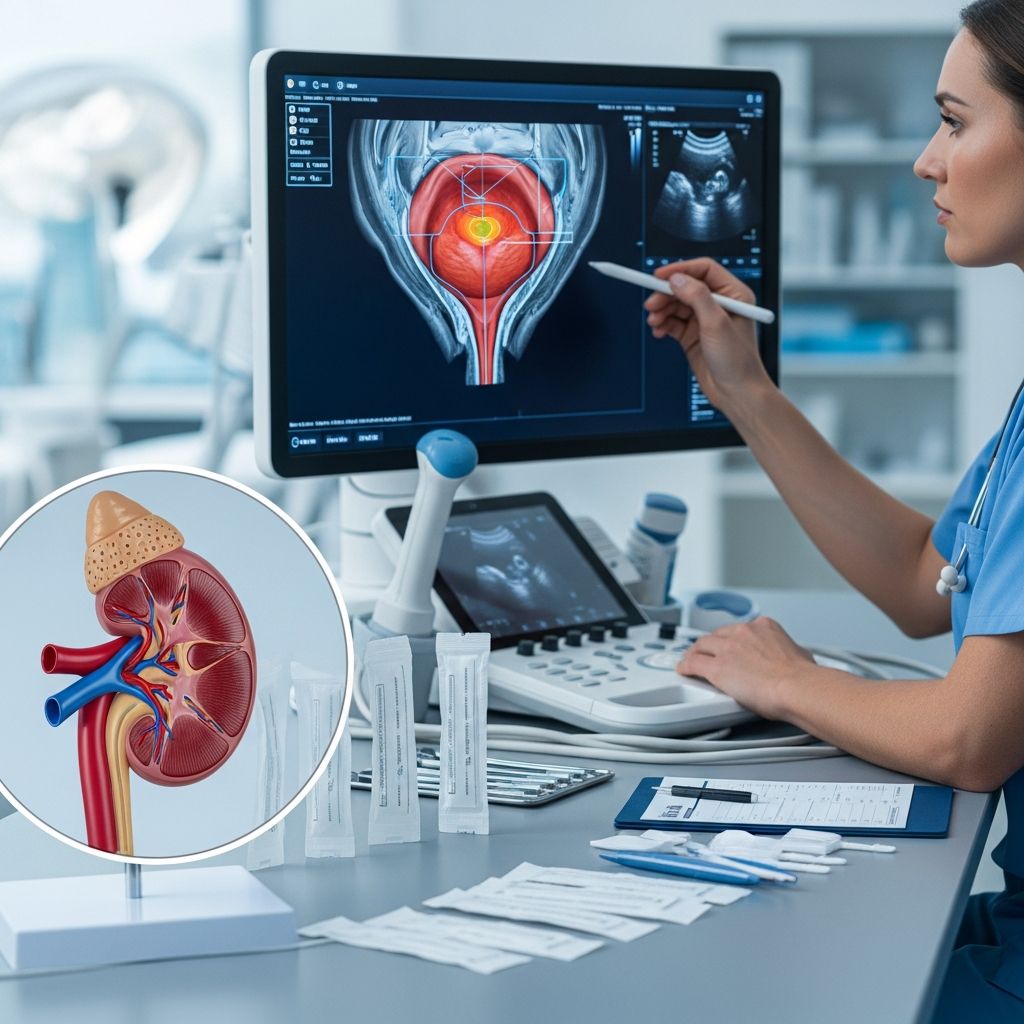
The field of urology encompasses the diagnosis and treatment of diseases affecting the kidneys, ureters, bladder, prostate, and male reproductive organs. Accurate diagnosis is fundamental to developing effective treatment plans and improving patient outcomes. Modern urologic diagnosis combines traditional clinical assessment with advanced laboratory tests, imaging technologies, and innovative biomarker detection methods. Understanding these diagnostic approaches helps patients and healthcare providers make informed decisions about screening and treatment options.
Understanding Urologic Screening
Urologic screening programs are designed to identify disease in asymptomatic individuals before symptoms develop. Early detection of urologic conditions can significantly improve treatment outcomes and quality of life. Screening approaches vary depending on age, risk factors, family history, and specific medical conditions. Regular screening is particularly important for conditions like prostate cancer, which remains one of the leading causes of cancer-related deaths in men across the United States.
Laboratory Testing for Urologic Conditions
Laboratory tests play a crucial role in diagnosing and monitoring urologic diseases. These tests analyze blood and urine samples to identify markers of disease, infection, or abnormal function.
Urinalysis
Urinalysis is one of the most common initial tests ordered by healthcare providers. This test examines the physical and chemical properties of urine, including color, clarity, pH, and the presence of specific substances such as protein, glucose, blood, and white blood cells. Abnormal findings in urinalysis can indicate infection, kidney disease, diabetes, or other urologic conditions requiring further investigation.
Urine Culture
When urinary tract infection is suspected, a urine culture identifies the specific bacteria causing the infection. This test helps determine which antibiotics are most effective for treatment, ensuring targeted therapy and reducing antibiotic resistance.
Blood Tests and Biomarkers
Blood tests measuring creatinine and blood urea nitrogen (BUN) assess kidney function. Prostate-specific antigen (PSA) testing has traditionally been used for prostate cancer screening, though its use remains somewhat controversial due to potential false positives. Recently, researchers at Johns Hopkins have developed innovative urine-based biomarker panels that can detect prostate cancer with greater accuracy than PSA alone. These novel biomarker panels identify specific genetic markers present in urine samples, allowing physicians to detect prostate cancer even when PSA levels remain in the normal range.
Imaging Studies in Urologic Diagnosis
Imaging technologies provide visual representation of urologic structures and help identify abnormalities, tumors, stones, and other pathology.
Ultrasound
Ultrasound is often the first imaging study ordered for urologic complaints. This non-invasive technique uses sound waves to create images of the kidneys, bladder, and prostate. Ultrasound is particularly useful for detecting kidney stones, assessing kidney size and shape, and evaluating prostate volume. It involves no radiation exposure and can be performed in an outpatient setting.
Computed Tomography (CT) Scan
CT imaging provides detailed cross-sectional views of urologic structures and is excellent for detecting kidney stones, renal masses, bladder tumors, and other pathology. Non-contrast CT protocols are particularly effective for stone disease, while contrast-enhanced studies help evaluate renal and bladder tumors. CT imaging helps stage cancers and guides treatment planning.
Related Stories



Magnetic Resonance Imaging (MRI)
MRI offers excellent soft tissue contrast without radiation exposure. Multiparametric MRI of the prostate has become increasingly important for detecting and characterizing prostate cancer, helping clinicians determine which patients require biopsy. MRI also evaluates renal and bladder pathology and can assess urinary tract obstruction.
Nuclear Medicine Studies
Renal nuclear medicine imaging assesses kidney function and blood flow. Cystography evaluates the bladder for reflux or trauma. These specialized studies provide functional information complementing structural imaging findings.
Endoscopic Procedures
Endoscopic evaluation allows direct visualization of urologic structures and enables tissue sampling and therapeutic intervention.
Cystoscopy
Cystoscopy involves insertion of a thin, illuminated instrument through the urethra into the bladder, allowing direct visualization of the bladder interior. This procedure identifies bladder tumors, polyps, strictures, and other abnormalities. Cystoscopy can be diagnostic or therapeutic, allowing biopsy or removal of lesions.
Ureteroscopy
Ureteroscopy visualizes the ureter and can identify stones, strictures, or tumors. The procedure allows stone removal and ureteral stent placement for obstruction management.
Tissue Biopsy and Pathologic Examination
When imaging or laboratory studies raise concern for cancer or other serious disease, tissue biopsy provides definitive diagnosis through microscopic examination.
Prostate Biopsy
Transrectal ultrasound-guided prostate biopsy has traditionally been the standard method for obtaining prostate tissue when cancer is suspected. However, innovative urine-based biomarker testing now offers a non-invasive alternative that can reduce unnecessary biopsies. Recent research demonstrates that three biomarkers—TTC3, H4C5, and EPCAM—can accurately identify prostate cancer in 91% of cases while correctly ruling out disease in 84% of individuals, with particular strength in detecting cancers when PSA levels are normal.
Kidney and Bladder Biopsies
Kidney biopsies evaluate glomerulonephritis and other renal parenchymal diseases. Bladder biopsies obtain tissue from suspicious lesions identified on cystoscopy. Pathologic examination classifies tumors, determines grade and stage, and guides treatment decisions.
Urologic Pathology Expertise
Specialized urologic pathologists provide expert interpretation of tissue specimens, utilizing advanced molecular testing including immunohistochemistry, fluorescence in-situ hybridization (FISH), and next-generation sequencing. Johns Hopkins Division of Urologic Pathology maintains the largest consultation service worldwide, offering expertise in diagnosing kidney tumors and diseases of the bladder, prostate, testis, penis, and scrotum. Their specialists employ over 300 immunohistochemistry markers and comprehensive gene fusion panels to accurately diagnose rare diseases and tumors.
Advanced Diagnostic Technologies
Emerging technologies are transforming urologic diagnosis by improving accuracy and reducing the need for invasive procedures.
Urine-Based Biomarker Panels
Recent innovations in urologic diagnostics have produced non-invasive urine-based biomarker tests that represent a paradigm shift in prostate cancer detection. The Johns Hopkins Kimmel Cancer Center developed a novel three-biomarker panel that accurately detects prostate cancer while distinguishing it from benign conditions like benign prostatic hyperplasia (BPH) and prostatitis. This urine test achieved an area under the curve (AUC) of 0.92, indicating excellent diagnostic performance. The panel maintained diagnostic accuracy in 78.6% to 85.7% of PSA-negative prostate cancer cases, addressing a critical clinical need for patients with normal PSA levels who may still harbor malignancy.
Molecular Testing
Molecular testing identifies genetic alterations in urologic tumors, including specific chromosomal abnormalities like isochromosome 12p in testicular cancers and TFE3/TFEB translocations in renal cell carcinomas. These molecular findings have prognostic significance and may predict response to targeted therapies.
Risk Stratification and Screening Recommendations
Screening recommendations for urologic conditions should be individualized based on patient age, risk factors, and medical history. Men with family history of prostate cancer, African-American men, and men with elevated PSA levels warrant more frequent screening and may benefit from advanced diagnostic approaches including multiparametric MRI and urine-based biomarker testing. Risk factors for bladder cancer include smoking history, occupational exposures, and chronic irritation. Patients with these risk factors should be counseled about warning signs and appropriate screening approaches.
Clinical Integration of Diagnostic Methods
Optimal urologic diagnosis typically combines multiple testing modalities. Initial assessment includes clinical history and physical examination, followed by targeted laboratory and imaging studies. If malignancy is suspected, advanced imaging such as multiparametric MRI may be performed before tissue diagnosis. Tissue biopsy, when needed, is guided by imaging findings and reviewed by experienced urologic pathologists who integrate morphologic and molecular findings. This comprehensive approach ensures accurate diagnosis while minimizing unnecessary procedures and patient harm.
Quality Assurance in Urologic Diagnosis
Specialized centers like Johns Hopkins implement rigorous quality assurance protocols for urologic diagnosis. Daily consensus conferences among expert pathologists ensure accurate interpretation of challenging cases. Biobanking initiatives allow correlation of molecular findings with clinical outcomes, advancing the field’s understanding of disease pathogenesis and treatment response. Consultation services provide expert second opinions for complex cases, benefiting patients and referring physicians worldwide.
Frequently Asked Questions (FAQs)
Q: What is the difference between PSA screening and urine biomarker testing?
A: PSA (prostate-specific antigen) is a protein produced by both cancerous and noncancerous prostate tissue, making it less specific for cancer detection. Urine biomarker panels identify genetic markers specific to prostate cancer cells, offering greater accuracy in distinguishing cancer from benign conditions, particularly when PSA levels are normal.
Q: Are urologic screening tests painful?
A: Most urologic screening tests are non-invasive or minimally invasive. Urinalysis and blood tests involve minor discomfort only. Ultrasound and MRI are completely painless. More invasive procedures like cystoscopy or biopsy may cause mild discomfort, typically managed with local anesthesia.
Q: How often should I be screened for prostate cancer?
A: Screening recommendations vary by age and risk factors. Men aged 50-70 should discuss screening options with their physician. Those with family history of prostate cancer or African-American men may benefit from earlier discussion starting at age 40-45. Your urologist can recommend appropriate screening intervals based on your individual risk profile.
Q: What should I expect during a cystoscopy?
A: Cystoscopy is an outpatient procedure where a thin illuminated instrument is inserted through the urethra into the bladder. The procedure allows visualization of bladder tissue and can identify tumors or other abnormalities. Local anesthesia is typically used, and the procedure usually takes 10-20 minutes.
Q: Can imaging studies definitively diagnose prostate cancer?
A: While imaging studies like multiparametric MRI help identify suspicious areas in the prostate, only tissue biopsy can definitively diagnose cancer. However, advanced biomarker testing offers accurate non-invasive detection without the need for traditional biopsy in many cases.
Q: What are the advantages of urine-based biomarker testing?
A: Urine-based biomarker testing is non-invasive, easily collected in clinical settings, can detect cancer even with normal PSA levels, and shows excellent accuracy in distinguishing prostate cancer from benign conditions like BPH and prostatitis.
References
- Johns Hopkins team develops urine-based test for prostate cancer detection — News Medical, September 9, 2025. https://www.news-medical.net/news/20250909/Johns-Hopkins-team-develops-urine-based-test-for-prostate-cancer-detection.aspx
- About – Urologic Pathology Division — Johns Hopkins University School of Medicine, Pathology Department. https://pathology.jhu.edu/urologic/about
- Urology Services — Johns Hopkins Aramco Healthcare. https://www.jhah.com/en/care-services/specialty-care/urology/
Similar Articles








Read full bio of Sneha Tete