Diaper Rash: Symptoms, Causes & Treatment
Complete guide to understanding, treating, and preventing diaper rash in infants and young children.
Understanding Diaper Rash: A Common Infant Skin Condition
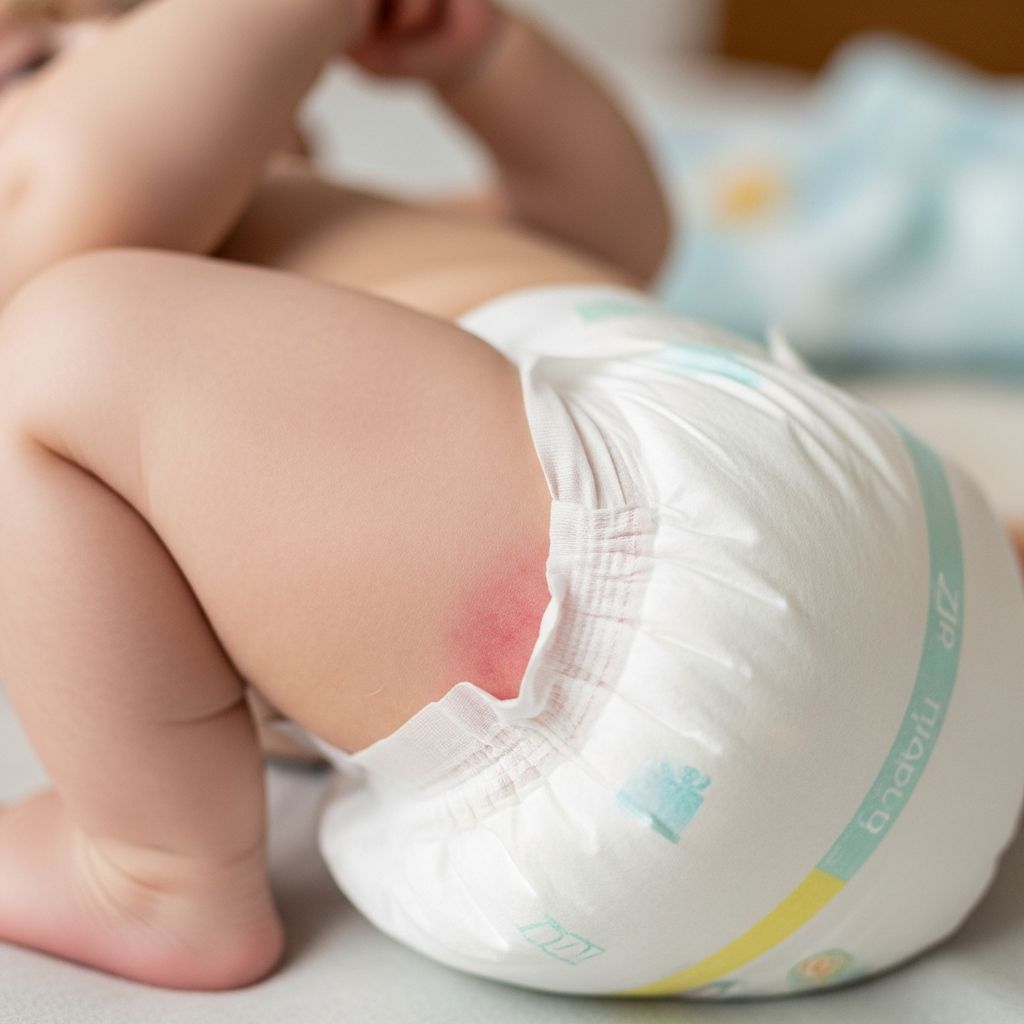
Diaper rash, medically known as diaper dermatitis, is the most common skin condition seen in young infants and represents a significant concern for parents and caregivers worldwide. This condition affects the delicate skin in areas covered by a diaper, including the buttocks, genitals, upper thighs, and groin area. Whether mild with just redness and tenderness or severe with painful open sores, diaper rash can cause considerable discomfort for your baby and worry for parents.
Research indicates that nearly one out of every three infants develops some form of diaper rash at any given time, and more than half of children between four months and 15 months experience diaper rash at least once within a two-month period. Despite its prevalence, understanding the underlying causes and implementing proper treatment strategies can significantly reduce the duration and severity of this condition.
What Exactly is Diaper Rash?
Diaper rash refers to any inflammatory skin irritation that forms in the areas of your baby’s body covered by a diaper. The condition can range from mild to severe in presentation. In mild cases, the affected skin may appear simply red and tender to the touch. However, more severe instances of diaper rash can develop into painful, open sores that may ooze clear fluid or bleed when the skin becomes damaged from friction caused by the diaper rubbing against the area.
The rash typically appears in the folds of your baby’s skin, particularly in the groin area, buttocks, and upper thighs. While some rashes present as a single concentrated spot in the diaper region, others may appear as several smaller spots distributed throughout the area. Recognizing these patterns can help you understand the severity and potential cause of the rash your baby is experiencing.
Identifying the Symptoms of Diaper Rash
Recognizing the early signs of diaper rash allows for prompt treatment and relief for your baby. The symptoms can vary depending on the underlying cause and severity of the condition:
- Red, inflamed skin in the diaper area
- Skin that appears bumpy with small pimple-like formations
- Tender or sensitive skin to touch
- In more severe cases, cracked or oozy skin with a deep red or purple tone
- Painful open sores that may bleed or leak fluid
- Visible discomfort from your baby, including increased crying, fussiness, or attempts to scratch the affected area
Your baby may display behavioral signs indicating discomfort, particularly during diaper changes. They might cry more frequently, become unusually fussy, or show signs of distress when the affected area is touched or cleaned. These reactions are important signals that prompt attention to treatment is needed to ease your baby’s discomfort.
Understanding the Root Causes of Diaper Rash
Diaper rash develops through multiple potential pathways, and understanding these causes is essential for both treatment and prevention. The condition typically results from one or a combination of three primary factors: irritation from the diaper causing friction against the skin, infection from bacteria or yeast, or allergic reactions to diaper materials or cleansing products.
Related Stories



Moisture and Friction
The most common cause of diaper rash stems from prolonged exposure to moisture combined with friction. When your baby’s delicate skin remains in contact with a wet or soiled diaper for extended periods, the skin begins to break down similarly to how fingertips wrinkle and soften after prolonged water exposure. This weakened, compromised skin then experiences irritation from the friction of the diaper rubbing against it, resulting in the characteristic rash. Babies whose diapers are not changed frequently enough are particularly susceptible to this type of rash.
Yeast and Bacterial Infections
Yeast infections, particularly those caused by Candida albicans, represent another significant cause of diaper rash. This yeast naturally exists on our bodies in small amounts, but when the balance between yeast and healthy bacteria (microbiome) becomes disrupted, overgrowth can occur. The warm, moist environment created by a diaper provides ideal conditions for yeast proliferation. Yeast-related diaper rashes often develop after your baby has taken systemic antibiotics, which can eliminate beneficial bacteria and allow yeast to flourish unchecked.
Material Sensitivities and Allergies
Certain babies may develop rashes in response to specific diaper materials, brands of baby wipes, or detergents used to wash cloth diapers or baby clothing. Some disposable diapers are manufactured from materials that may irritate sensitive skin, while certain baby wipes contain chemicals or fragrances that can trigger reactions. Additionally, changing diaper brands or types abruptly can sometimes precipitate rash development in susceptible infants.
Dietary Factors
In most cases, diaper rash related to diet results from food intolerance rather than true allergic reactions. Changes in your baby’s diet, introduction of new foods, or certain acidic foods can alter the composition of feces and contribute to rash development. For breastfed infants, dietary changes in the nursing mother may similarly influence the baby’s susceptibility to diaper rash.
When Diaper Rash Occurs More Frequently
Certain circumstances and conditions increase the likelihood of your baby developing diaper rash:
- Infrequent diaper changes, allowing prolonged moisture exposure
- Recent antibiotic use disrupting the natural microbiome balance
- Diarrhea or frequent loose stools increasing moisture and irritant exposure
- Introduction of new foods affecting stool composition
- Use of new diaper brands or products the baby’s skin hasn’t encountered before
- Sensitivity or allergic reactions to specific diaper materials or wipe ingredients
- Warm, humid weather conditions promoting yeast growth
- Inadequate air circulation in the diaper area
Diagnosing Diaper Rash
In most cases, healthcare providers can diagnose diaper rash through visual examination alone. Your baby’s healthcare provider will carefully examine the affected area and ask detailed questions about your baby’s symptoms, including how long the rash has been present, its severity, and any medications you or your baby might be taking that could affect yeast balance in the body.
For suspected yeast infections, your healthcare provider may occasionally swab the rash with sterile cotton and examine the sample under a microscope to confirm the specific type of yeast causing the infection. This diagnostic approach helps ensure that the prescribed treatment specifically targets the underlying cause, improving the likelihood of successful resolution.
Treatment Approaches for Diaper Rash
Treatment strategies vary depending on the severity and underlying cause of the rash, but the fundamental principle remains consistent: keep the area clean and dry while using appropriate therapeutic products.
Basic Home Treatment
The first step in treating diaper rash involves maintaining optimal cleanliness and dryness in the affected area:
- Change wet or soiled diapers immediately to minimize moisture exposure
- Clean the area gently during diaper changes, using water and soft cloths rather than regular baby wipes when possible
- Pat the area dry rather than rubbing, which can cause additional irritation
- Allow the area to air-dry completely before applying fresh diapers
- Apply a thick, protective layer of diaper rash cream or ointment designed to create a moisture barrier
Over-the-Counter Products
For mild diaper rash, simple protective products often prove most effective. Occlusive ointments containing petroleum jelly or ingredients like A&D® ointment create a protective barrier on the skin, preventing further irritation when the baby experiences subsequent wet or dirty diapers. If simple ointments don’t provide sufficient relief within a few days, products containing zinc oxide offer enhanced healing promotion and protection.
Over-the-counter antifungal creams such as clotrimazole can be used to treat yeast-related diaper rashes, though effectiveness varies without professional diagnosis to confirm the specific type of yeast involved.
Medical Treatment
Mild diaper rashes typically resolve within three to four days with consistent home treatment. However, more severe cases may require medical intervention with prescription medications. Severe infections may need treatment with antibiotics or prescription-strength antifungal medications, which typically require one to two weeks for complete resolution. It’s crucial to follow your healthcare provider’s instructions completely and continue treatment for the full prescribed duration to prevent recurrence.
Prevention Strategies for Future Diaper Rash
Once your baby’s diaper rash has healed, implementing preventive measures helps reduce the likelihood of recurrence. These strategies focus on minimizing moisture exposure, reducing irritants, and maintaining skin health:
- Change diapers frequently, particularly after bowel movements and whenever they become visibly wet
- Consider switching to water-based wipes that are gentler and less likely to cause irritation than standard baby wipes
- Experiment with different diaper brands or types to identify products that work best with your baby’s skin
- Use gentle, fragrance-free detergents when washing cloth diapers or baby clothing
- Allow adequate air circulation in the diaper area whenever safely possible
- Avoid using plastic pants or overly tight diapers that trap moisture
- Consider using disposable diapers that are specifically designed for sensitive skin if your baby experiences recurring rash
Comparing Diaper Rash Types
| Characteristic | Standard Diaper Rash | Yeast Infection Rash |
|---|---|---|
| Pattern | Single concentrated spot in diaper area | Several smaller spots distributed throughout region |
| Appearance | Red, tender skin | Bumpy, shiny, cracked, or oozy with deep red/purple tone |
| Location | May affect any diaper-covered area | Typically appears in skin folds |
| Treatment Duration | Clears in a couple of days with diaper creams | Takes several weeks with antifungal medication |
| Treatment Type | Barrier creams and ointments | Antifungal medication |
Frequently Asked Questions About Diaper Rash
Q: How long does it typically take for diaper rash to clear up?
A: Mild diaper rashes usually clear within three to four days with appropriate home treatment. More severe cases may require one to two weeks for complete resolution, especially if antibiotic or antifungal medications are necessary.
Q: Can I use over-the-counter antifungal creams without seeing a doctor?
A: While over-the-counter antifungal creams are available and may help, they’re most effective when you’ve confirmed with a healthcare provider that your baby has a yeast infection. Professional diagnosis helps ensure you’re treating the correct type of infection.
Q: Does diaper rash indicate poor hygiene or parenting?
A: No. Diaper rash is an extremely common condition affecting the majority of infants at some point. It results from normal factors like moisture exposure, yeast overgrowth, or product sensitivities rather than indicating inadequate care.
Q: Should I use regular baby wipes on a rash?
A: When your baby has diaper rash, it’s best to clean the area with water and soft cloths rather than regular baby wipes, which may cause additional irritation. Water-based wipes that are 99% water offer a gentler alternative if you prefer using wipes.
Q: Can changing diaper brands cause rash?
A: Yes. Some babies develop irritation when switching to diaper brands made from different materials or with varying absorbency levels. If you’ve recently changed brands and your baby developed rash, switching back or trying a different brand may help.
Q: When should I contact my baby’s healthcare provider about diaper rash?
A: Contact your healthcare provider if the rash doesn’t improve within a few days of home treatment, becomes increasingly severe, develops open sores, or if your baby shows signs of systemic infection like fever. Early professional attention can prevent complications and reduce your baby’s discomfort.
Key Takeaways
Diaper rash, while common and usually manageable, requires consistent attention and proper care for resolution. By understanding the various causes—from simple moisture exposure to yeast overgrowth—parents can implement targeted treatment strategies. The most successful approach combines frequent diaper changes, gentle cleansing, appropriate protective products, and when necessary, prescription medications. With proper treatment and preventive measures, most babies recover quickly from diaper rash and experience improved comfort. Don’t hesitate to contact your baby’s healthcare provider if you have concerns or if the rash doesn’t respond to home treatment within several days.
References
- Diaper Rash: Symptoms, Causes & Treatment — Cleveland Clinic. 2025. https://my.clevelandclinic.org/health/diseases/11037-diaper-rash-diaper-dermatitis
- Yeast Diaper Rash (Candida Diaper Dermatitis) — Cleveland Clinic. 2025. https://my.clevelandclinic.org/health/diseases/22307-yeast-diaper-rash
- How to Get Rid of Diaper Rash — Cleveland Clinic Health. 2025. https://health.clevelandclinic.org/diaper-rash-remedies
- What’s Behind Your Baby’s Diaper Rash? — Cleveland Clinic Health. 2025. https://health.clevelandclinic.org/causes-of-diaper-rash
- Are Food Allergies Causing Your Baby’s Diaper Rash? — Cleveland Clinic Health. 2025. https://health.clevelandclinic.org/are-food-allergies-causing-your-babys-diaper-rash
Similar Articles








Read full bio of medha deb