Diaphoresis: Causes, Symptoms & Treatment
Understanding diaphoresis: Learn what causes excessive sweating and discover effective treatment options.
Understanding Diaphoresis: A Comprehensive Guide to Excessive Sweating
Diaphoresis is a medical term that refers to excessive sweating that occurs due to an underlying medical condition, medication, or physiological stress. Unlike typical sweating that occurs during exercise or in response to heat, diaphoresis represents an abnormal level of perspiration that can significantly impact quality of life and may indicate a serious health concern. Understanding the causes, symptoms, and available treatment options is essential for managing this condition effectively.
Sweating is a natural and necessary bodily function that helps regulate body temperature and maintain homeostasis. However, when sweating becomes excessive and uncontrollable, it may signal an underlying medical issue that requires professional evaluation and treatment. Diaphoresis can occur in localized areas of the body or affect the entire body systemically, and the severity can range from mildly uncomfortable to severely disabling.
What Is Diaphoresis?
Diaphoresis is characterized by profuse sweating that exceeds what is necessary for thermoregulation or is inappropriate for environmental conditions. This condition differs from hyperhidrosis, which refers to excessive sweating in general, though the terms are sometimes used interchangeably in clinical settings. Diaphoresis specifically indicates that the excessive sweating is a symptom of an underlying condition rather than a primary disorder itself, making it a secondary manifestation of disease or medication use.
The condition can manifest suddenly or develop gradually over time. Patients experiencing diaphoresis may notice drenching sweats that soak through clothing, occur during sleep, or happen during specific activities. The unpredictability and severity of diaphoretic episodes can lead to anxiety, social withdrawal, and occupational difficulties.
Common Causes of Diaphoresis
Diaphoresis can result from a wide variety of medical conditions, medications, and physiological states. Identifying the underlying cause is crucial for determining appropriate treatment strategies.
Cardiovascular Conditions
Among the most serious causes of diaphoresis are cardiovascular conditions. Acute myocardial infarction (heart attack) frequently presents with sudden, profuse sweating as a warning sign. Patients experiencing a heart attack may notice diaphoresis accompanied by chest pain, shortness of breath, or other cardiac symptoms. Arrhythmias, heart failure, and hypertension can also trigger excessive sweating episodes.
Endocrine and Metabolic Disorders
Hormonal imbalances represent a significant category of causes for diaphoresis. Hyperthyroidism causes accelerated metabolism and excessive heat production, leading to profuse sweating. Menopause represents another common endocrine cause, with hot flashes and night sweats affecting many women during this transition. Hyperpituitarism, diabetes with hypoglycemic episodes, and other metabolic disorders can similarly trigger diaphoresis.
Infections
Infections are classic triggers for diaphoresis, particularly those associated with fever. Tuberculosis, endocarditis, osteomyelitis, and other chronic infections frequently produce night sweats. Acute infections such as influenza and other viral illnesses commonly present with diaphoresis as part of the fever response.
Neurological Conditions
Certain neurological disorders can impair the body’s temperature regulation mechanisms, leading to diaphoresis. Autonomic dysreflexia, Parkinson’s disease, and hypothalamic lesions may all result in excessive sweating. Riley-Day syndrome, a rare autonomic nervous system disorder, also presents with abnormal sweating patterns.
Medications
Numerous medications can induce diaphoresis as a side effect. Stimulant medications, certain antidepressants like venlafaxine, and other psychiatric medications may trigger excessive sweating. Beta-blockers such as propranolol, anticholinesterase agents, and other pharmaceutical agents can contribute to diaphoresis in susceptible individuals.
Related Stories



Malignancies and Systemic Diseases
Various cancers, particularly lymphomas, often present with night sweats as an early symptom. Systemic inflammatory conditions, immunodeficiency disorders, and other serious diseases can manifest with diaphoresis as part of their clinical presentation.
Other Contributing Factors
Emotional stress, anxiety disorders, pain, alcohol and drug withdrawal, shock, and syncope can all precipitate diaphoretic episodes. In some cases, the trigger may be situational or related to specific anxiety-provoking events.
Symptoms and Clinical Presentation
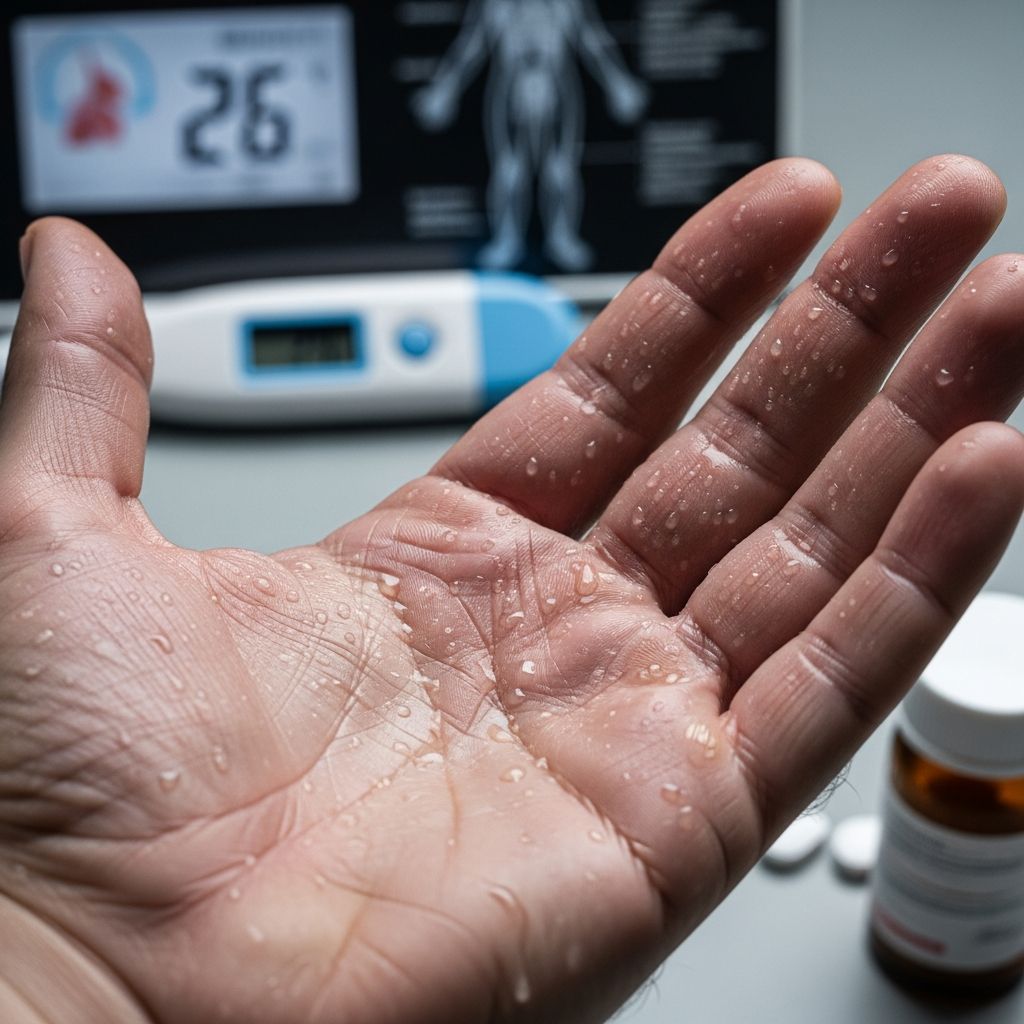
Diaphoresis typically presents with several characteristic symptoms beyond excessive sweating. Patients commonly experience damp or wet skin, particularly in areas such as the hands, feet, face, and underarms. The sweating may be accompanied by visible perspiration stains on clothing and unpleasant body odor as bacteria on the skin break down sweat components.
Associated symptoms often depend on the underlying cause. Patients with cardiac-related diaphoresis may experience chest pain, dyspnea, or palpitations. Those with infection-related diaphoresis typically have fever, chills, and malaise. Sleep disturbances, particularly night sweats that drench bedding and clothing, represent a common complaint.
The psychological and social impact of diaphoresis should not be underestimated. The condition can be socially and occupationally disabling, leading to embarrassment, anxiety, and reduced quality of life. Some patients become reluctant to engage in social activities, maintain employment in customer-facing roles, or participate in physical activities due to concerns about visible sweating.
Diagnostic Evaluation
Proper diagnosis of diaphoresis begins with a comprehensive medical history and physical examination. Healthcare providers should determine the pattern of sweating, including whether it is localized or generalized, whether it occurs during sleep or throughout the day, and any triggers that precipitate episodes.
Key diagnostic questions include whether the diaphoresis is primary (occurring without identifiable cause) or secondary to a known condition or medication. The temporal relationship between symptom onset and any recent medication changes or illness should be established. A careful assessment of accompanying symptoms helps narrow the differential diagnosis.
Laboratory and imaging studies are frequently necessary to identify underlying causes. Blood tests may include thyroid function tests, glucose levels, blood cultures if infection is suspected, and other metabolic markers. Imaging studies such as chest X-rays, echocardiography, or other modalities may be warranted based on clinical suspicion.
Treatment Options for Diaphoresis
Treatment of diaphoresis depends fundamentally on addressing the underlying cause. Once the etiology is identified, management focuses on treating the primary condition.
Medical Management
For medication-induced diaphoresis, adjusting or discontinuing the offending agent often resolves symptoms. Benzodiazepines such as diazepam may provide benefit for patients whose sweating is related to specific anxiety-producing events. Anticholinergic medications can help reduce excessive sweating in select cases, though these must be used cautiously given potential side effects.
Treatment of Underlying Conditions
Addressing the primary medical condition is paramount. Treating hyperthyroidism with antithyroid medications, radioactive iodine, or surgery reduces thyroid-induced diaphoresis. Managing infections with appropriate antibiotics or antivirals eliminates infection-related sweating. Optimizing diabetic control prevents hypoglycemia-associated diaphoresis.
Iontophoresis
For localized excessive sweating, iontophoresis has proven effective, particularly for palmar and plantar hyperhidrosis. This treatment involves applying electrical current to areas of excessive sweating to reduce sweat gland activity. After a series of five to ten treatments, approximately 85 percent of patients achieve cessation of sweating in treated areas. Maintenance treatments are typically needed every two to three weeks to sustain benefits.
Topical Antiperspirants
Over-the-counter and prescription-strength antiperspirants containing aluminum chloride can provide temporary relief for mild to moderate excessive sweating. These products work by blocking sweat ducts and are most effective for localized sweating. Results are typically modest and temporary, requiring frequent reapplication.
Lifestyle Modifications
Several practical strategies can help manage symptoms while underlying causes are being addressed. Wearing breathable, moisture-wicking fabrics reduces visible perspiration and associated discomfort. Avoiding triggers such as spicy foods, caffeine, and excessive heat may help minimize episodes. Maintaining appropriate hydration and managing stress through relaxation techniques can provide additional benefit.
Surgical Interventions
For severe cases of primary hyperhidrosis that have failed to respond to conservative measures, sympathetic denervation through thoracic sympathectomy represents an option, though this is typically reserved for cases causing significant disability. The procedure involves interrupting the sympathetic nerve supply to areas experiencing excessive sweating. While effective in reducing sweating in denervated areas, compensatory hyperhidrosis in non-denervated regions may occur as a complicating side effect.
When to Seek Medical Attention
Sudden onset of profuse sweating, particularly when accompanied by chest pain, shortness of breath, or other concerning symptoms, warrants immediate medical evaluation as these may indicate a cardiovascular emergency. Any unexplained diaphoresis, night sweats persisting for weeks, or sweating accompanied by fever, weight loss, or other systemic symptoms requires prompt professional assessment.
Diaphoresis that develops after initiating a new medication should be reported to the prescribing physician, as medication adjustment may be necessary. Progressive or worsening diaphoresis affecting quality of life or work performance deserves medical evaluation to identify any underlying conditions and determine appropriate treatment strategies.
Timeline and Expectations for Treatment
The timeline for improvement depends on the underlying cause and chosen treatment approach. Patients may experience immediate relief with certain interventions, while others may require several weeks to months before noticing significant symptom improvement. Treatment addressing an acute infection may show rapid response once appropriate antimicrobial therapy is initiated, whereas endocrine or metabolic conditions typically require longer adjustment periods.
Frequently Asked Questions About Diaphoresis
Q: What is the difference between normal sweating and diaphoresis?
A: Normal sweating is a physiologic response to heat, exercise, or emotional stress that helps regulate body temperature. Diaphoresis refers to excessive, abnormal sweating that occurs due to underlying medical conditions or medications and often represents a pathologic process requiring investigation and treatment.
Q: Can diaphoresis be a sign of a serious condition?
A: Yes, diaphoresis can indicate serious conditions including heart attack, infections such as tuberculosis, malignancies, severe metabolic disorders, or other significant medical problems. Any unexplained or sudden onset of excessive sweating should be evaluated by a healthcare provider.
Q: How long does it take for diaphoresis treatment to work?
A: The timeline varies depending on the underlying cause and treatment approach. Some patients experience immediate improvement, while others may require weeks or months to see significant changes. Your healthcare provider can explain what to expect with specific treatment options.
Q: Can medications cause diaphoresis?
A: Yes, numerous medications can induce excessive sweating as a side effect. If you suspect your medication is causing diaphoresis, discuss this with your healthcare provider before making any changes to your medication regimen.
Q: Is diaphoresis always a sign of disease?
A: While diaphoresis typically indicates an underlying medical condition or medication side effect, the specific cause varies widely. Professional evaluation is necessary to determine the etiology and appropriate treatment.
Q: What should I do if I experience sudden, severe diaphoresis?
A: Sudden onset of profuse sweating, particularly with accompanying symptoms such as chest pain, shortness of breath, or dizziness, may indicate a medical emergency and warrants immediate evaluation in an emergency department.
References
- Essential hyperhidrosis—pathogenesis and treatment — Cleveland Clinic Journal of Medicine. 1969-04. https://www.ccjm.org/content/ccjom/36/2/79.full.pdf
- Hyperhidrosis: Types, Causes, Symptoms & Treatment — Cleveland Clinic. 2023-07-01. https://my.clevelandclinic.org/health/diseases/17113-hyperhidrosis
- Why Do We Sweat? — Cleveland Clinic. 2024-08-15. https://my.clevelandclinic.org/health/body/sweat
- In hyperhidrosis (excess sweating), look for a pattern and cause — Cleveland Clinic Journal of Medicine. 2003-10. https://www.ccjm.org/content/ccjom/70/10/896.full.pdf
- Why You Sweat and What It Says About Your Health — Cleveland Clinic Health. 2024. https://health.clevelandclinic.org/why-we-sweat
- 8 Methods To Help You Stop Sweating — Cleveland Clinic Health. 2024. https://health.clevelandclinic.org/how-to-stop-sweating
Similar Articles








Read full bio of Sneha Tete