Diaphragm Birth Control Guide: Use, Effectiveness, Pros & Cons
Everything you need to know about using a diaphragm for effective, hormone-free contraception and pregnancy prevention.
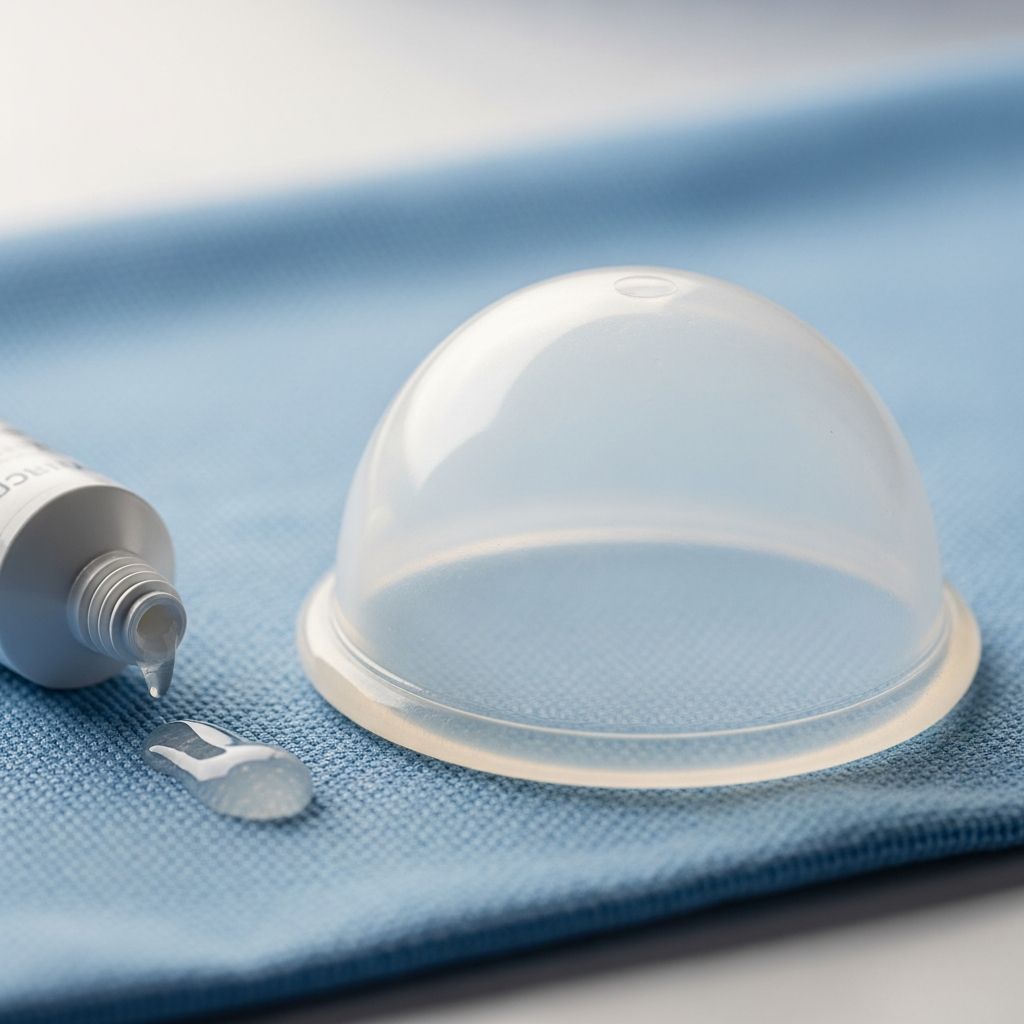
The diaphragm is a reusable, shallow dome-shaped cup made of latex or silicone that fits inside the vagina to cover the cervix, acting as a physical barrier to prevent sperm from reaching the egg when used with spermicide. This hormone-free method offers women control over contraception and is particularly suitable for those breastfeeding or preferring non-hormonal options.
What Is a Diaphragm?
A diaphragm is a barrier contraceptive device resembling a small, flexible dome with a firm rim. Inserted into the vagina, it covers the cervix—the entrance to the uterus—blocking sperm entry. It must be paired with spermicide, a chemical that immobilizes or kills sperm, enhancing its protective effect. Unlike hormonal methods, it doesn’t alter the body’s natural cycles and can be used spontaneously.
Diaphragms are custom-fitted by healthcare providers to ensure proper placement and effectiveness, though newer one-size-fits-most options like Caya exist for broader accessibility. They are easy to carry, cost-effective over time, and reversible upon removal.
How Does a Diaphragm Work?
The diaphragm physically blocks the cervix, preventing sperm from passing through to fertilize an egg. Spermicide applied inside the dome and around the rim adds a chemical layer, killing or immobilizing up to 99% of sperm on contact. Together, they provide dual protection without hormones.
It can be inserted up to 6 hours before intercourse and must stay in place for at least 6-8 hours afterward (up to 24 hours maximum to avoid risks like toxic shock syndrome). Additional spermicide is needed for repeated intercourse.
Types of Diaphragms
- Arching Spring Diaphragm: Most common, with a firm, flexible rim that ‘arches’ for easy insertion. Ideal for those with weaker vaginal tone.
- Coil Spring Diaphragm: Softer rim, more flexible for average vaginal muscle tone.
- Flat Spring Diaphragm: Thinnest profile, best for stronger muscle tone or post-childbirth.
- One-Size-Fits-Most (e.g., Caya): Newer silicone option, no fitting required, reusable for up to 2 years.
How to Use a Diaphragm: Step-by-Step Guide
Proper use is crucial for effectiveness. Always get fitted by a provider first.
- Prepare Spermicide: Apply about 1 teaspoon inside the dome and spread around the rim.
- Fold the Diaphragm: Pinch opposite sides together, dome facing down.
- Insert: Use one hand to separate labia, slide in aiming toward tailbone until the rim suctions over the cervix. Check placement by feeling the cervix through the dome.
- Timing: Insert 1 hour before sex; leave in 6+ hours after.
- Additional Sex: Add more spermicide without removing.
- Remove: Hook rim and gently pull out within 24 hours. Wash with mild soap, dry, and store.
Related Stories



Practice insertion at home. Demo models are often available during fittings.
How Effective Is the Diaphragm?
With perfect use (correct fitting, consistent spermicide, proper timing), diaphragms are 94% effective—6 pregnancies per 100 women yearly. Typical use drops to 88% (12-20 pregnancies per 100), due to errors like poor fit or forgetting spermicide.
Combining with condoms boosts protection. Spermicide’s role is debated; some studies question its added benefit but it’s standard. No protection against STIs—use condoms additionally.
| Use Type | Pregnancy Rate (per 100 women/year) |
|---|---|
| Perfect Use | 6 |
| Typical Use | 12-20 |
| No Method | 85 |
Pros and Cons of the Diaphragm
Pros
- Hormone-free, no effect on periods, mood, or breastfeeding.
- Female-controlled and spontaneous (insert hours ahead).
- Reusable (1-2 years), cost-effective (~$75 initial + spermicide).
- Discreet, often unfelt by partner.
- Some STI moderation (not full protection).
- Fewer doctor visits than pills/IUDs.
Cons
- User-dependent; requires practice and timing.
- Increased UTI risk from spermicide/bacterial trapping (20% higher).
- Allergic reactions to latex/spermicide possible.
- Not for recent childbirth, uterine prolapse, or allergies.
- TSS risk if left >24 hours (rare).
- No STI protection.
Diaphragm vs. Other Birth Control Methods
| Method | Effectiveness (Typical) | Hormones? | STI Protection? | Cost/Year |
|---|---|---|---|---|
| Diaphragm | 88% | No | No | $200-300 |
| Condom | 87% | No | Yes | $50-100 |
| Pill | 93% | Yes | No | $0-300 |
| IUD | 99% | Optional | No | $0-1300 |
| Implant | 99% | Yes | No | $0-2300 |
Diaphragms excel for hormone-avoiders but lag behind long-acting methods in ease/effectiveness.
Side Effects and Risks
Common: UTI increase (spermicide irritates urethra); use cotton underwear, urinate post-sex. Rare: Latex allergy (switch to silicone), TSS (fever, vomiting—remove immediately). Not for those with frequent UTIs or anatomy issues.
Who Should Not Use a Diaphragm?
- Recent childbirth (<6 weeks postpartum).
- UTIs/STI history without management.
- Latex/spermicide allergy.
- Uterine prolapse or poor vaginal tone (unless arcing type).
- Unable/unwilling to insert correctly.
Where to Get a Diaphragm
Clinics like Planned Parenthood or OB-GYNs fit and provide (~$75-150). Refit post-pregnancy/weight change (10% shift). Online one-size options available post-consult.
Frequently Asked Questions (FAQs)
Can you use a diaphragm while breastfeeding?
Yes, it’s safe and recommended—no hormones affect milk.
Does the diaphragm protect against STIs?
No, use condoms for STI prevention.
How long can you leave a diaphragm in?
At least 6 hours post-sex, max 24 hours.
Is spermicide necessary with a diaphragm?
Yes, standard for max effectiveness.
Can men feel the diaphragm during sex?
Usually not, if properly placed.
How often to replace a diaphragm?
Every 1-2 years or if damaged.
References
- Diaphragm birth control: Use, advantages, and risks — Medical News Today. 2023-10-12. https://www.medicalnewstoday.com/articles/295727
- Diaphragm — Sutter Health. 2024-09-27. https://www.sutterhealth.org/health/diaphragm
- Diaphragm Fitting — American Academy of Family Physicians (AAFP). 2004-01-01. https://www.aafp.org/pubs/afp/issues/2004/0101/p97.html
- Are Diaphragms Making a Comeback? — Cedars-Sinai. 2023. https://www.cedars-sinai.org/stories-and-insights/expert-advice/diaphragm-birth-control
- Diaphragm for Birth Control — Kaiser Permanente. 2024. https://healthy.kaiserpermanente.org/health-wellness/health-encyclopedia/he.diaphragm-for-birth-control.tw9508
- Contraception and Birth Control — Eunice Kennedy Shriver National Institute of Child Health and Human Development (NICHD), NIH. 2024. https://www.nichd.nih.gov/health/topics/factsheets/contraception
Similar Articles








Read full bio of Sneha Tete