Diaphragm, Cervical Cap, and Sponge: Barrier Birth Control
Complete guide to barrier contraceptive methods: diaphragms, cervical caps, and sponges explained.
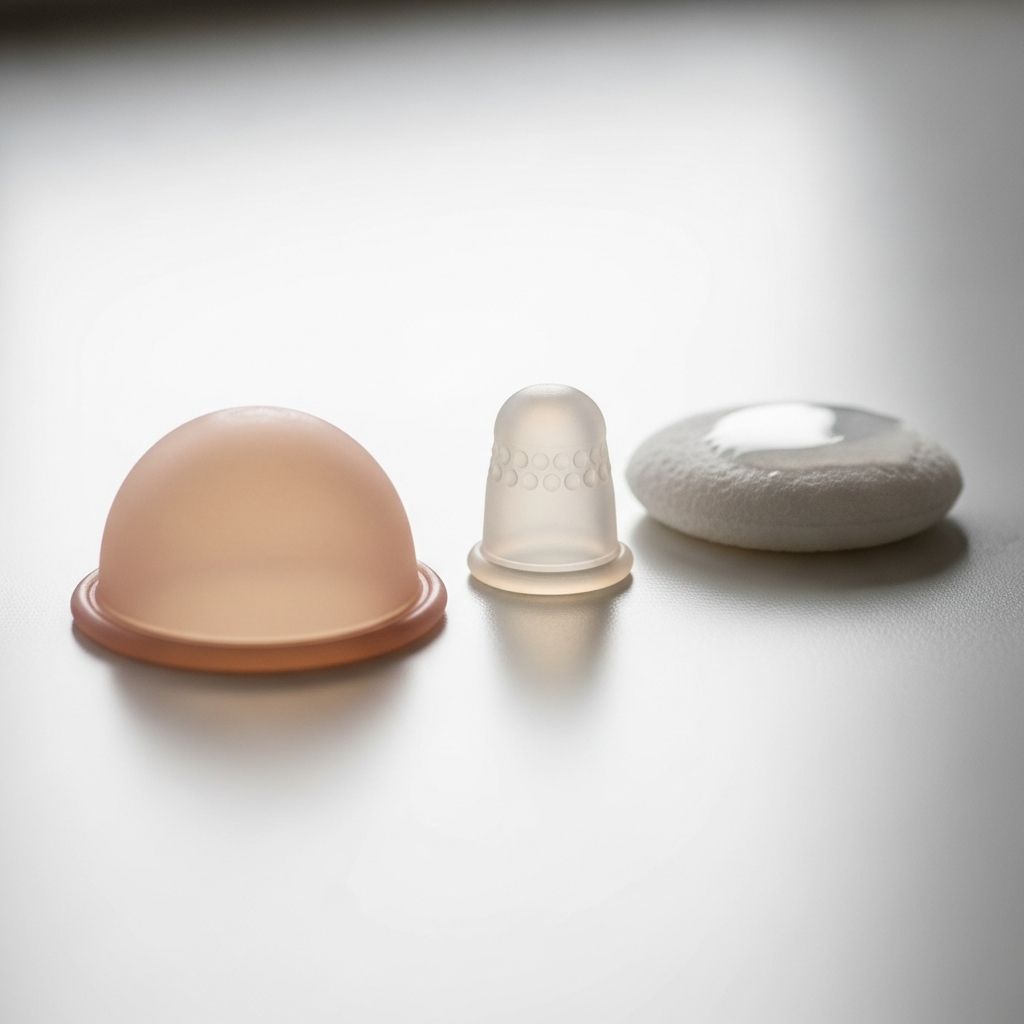
Barrier Methods of Birth Control: Diaphragm, Cervical Cap, and Sponge
Barrier methods of birth control are non-hormonal contraceptive options that physically block sperm from reaching the egg. Among these methods, the diaphragm, cervical cap, and contraceptive sponge represent popular choices for individuals seeking hormone-free contraception. Each of these barrier methods works by preventing sperm from entering the uterus and fallopian tubes, typically combined with spermicide for enhanced effectiveness. Understanding the differences between these methods, their effectiveness rates, proper usage, and potential side effects can help you make an informed decision about which barrier method best suits your reproductive health needs.
Understanding Barrier Contraceptive Methods
What Are Barrier Methods?
Barrier methods of birth control function by creating a physical obstruction that prevents sperm from entering the uterus. Unlike hormonal contraceptives that work systemically throughout the body, barrier methods provide local protection at the cervix. The three primary barrier methods discussed here—diaphragms, cervical caps, and contraceptive sponges—must be inserted into the vagina before sexual activity and require the use of spermicide to enhance their contraceptive effectiveness. These methods are reusable (except for the sponge, which is disposable), hormone-free, and do not affect natural hormonal cycles or breast milk production.
Common Characteristics
All three barrier methods share several important similarities. They are:
– Vaginal barrier birth control methods- Reusable (diaphragm and cervical cap) or single-use (sponge)- Hormone-free options- Require a doctor’s prescription (diaphragm and cervical cap)- Do not protect against sexually transmitted infections (STIs)- Must be used with spermicide for optimal effectiveness- Can be inserted prior to sexual activity- Non-invasive and reversible
Importantly, none of these methods provide protection against STIs, including HIV, chlamydia, gonorrhea, syphilis, HPV, or genital herpes. For protection against STIs, individuals using barrier methods should also use condoms.
The Diaphragm: Design and Function
What Is a Diaphragm?
A diaphragm is a small, dome-shaped device made of silicone or latex that fits inside the vagina and covers the cervix. The device is designed to lodge behind the pubic bone and prevent seminal fluid from entering the uterus and fallopian tubes. Diaphragms typically range in size and must be individually fitted by a healthcare provider to ensure proper placement and effectiveness. The device is inserted manually into the vagina before sexual activity and must be used with spermicide to inactivate sperm.
How to Use a Diaphragm
Proper insertion and use of a diaphragm is essential for contraceptive effectiveness. Before insertion, apply spermicide to the dome of the diaphragm and around its rim. Insert the device into the vagina as far back as possible, positioning it to cover the cervix completely. You can insert a diaphragm up to several hours before sexual activity. After intercourse, the diaphragm must remain in place for a minimum of 6 hours. For repeated intercourse within a 24-hour period, you must insert additional spermicide without removing the diaphragm. The diaphragm should be removed within 24 hours of insertion. After use, wash the device thoroughly with mild soap and water, dry it completely, and store it in a cool, dry location to extend its lifespan.
Diaphragm Advantages
Diaphragms offer several notable benefits for contraceptive users:
– Affordable compared to other contraceptive methods- Hormone-free, suitable for those experiencing side effects from hormonal contraceptives- No effect on natural hormones or menstrual cycle- Does not affect milk supply during breastfeeding- Can be inserted hours before sexual activity- Typically lasts longer than cervical caps with proper care- May be more effective in individuals who have given birth vaginally- Provides user control over contraception timing and placement- Can be used for multiple acts of intercourse within 24 hours
Diaphragm Disadvantages and Risks
Despite their benefits, diaphragms have some limitations. They are less effective than modern contraceptives such as intrauterine devices (IUDs) and oral birth control pills. The spermicide used with diaphragms can increase the risk of acquiring HIV from an infected partner, making diaphragms most appropriate for monogamous couples with low HIV risk. Some individuals experience discomfort or allergic reactions to latex, spermicide, or silicone. Diaphragms require proper fitting and a healthcare provider’s prescription. Additionally, diaphragms require insertion before each sexual encounter and must be removed and cleaned after use, which may be inconvenient for some users.
Related Stories



The Cervical Cap: Design and Function
What Is a Cervical Cap?
The cervical cap is a smaller, thimble-shaped barrier device that fits directly over the cervix. Similar in function to the diaphragm, the cervical cap is made of silicone or latex and must be individually fitted by a healthcare provider. The primary distinction between a cervical cap and a diaphragm is size and fit—cervical caps are significantly smaller and require more precise placement directly on the cervix rather than behind the pubic bone.
How to Use a Cervical Cap
Using a cervical cap requires careful insertion to ensure proper cervical coverage. Apply spermicide to the dome and around the rim before insertion. Insert the cervical cap into the vagina and position it directly over the cervix, ensuring a secure seal. The cervical cap can be inserted up to 40 hours before sexual activity. After intercourse, the cap must remain in place for a minimum of 6 hours. Unlike the diaphragm, the cervical cap can remain inserted for up to 48 hours total. For repeated intercourse during this timeframe, additional spermicide must be inserted, but the cap does not need to be removed or reinserted. After use, remove the cap carefully, wash it with mild soap and water, dry thoroughly, and store properly.
Cervical Cap Advantages
Cervical caps provide several distinct advantages for contraceptive users:
– Hormone-free alternative to systemic contraceptives- Affordable and cost-effective- Does not affect natural hormones or menstrual patterns- Non-hormonal option for breastfeeding individuals- Can be inserted hours or even days before sexual activity- Provides extended protection (up to 48 hours)- Smaller and more discreet than diaphragms- Provides user control over contraception- Reusable and durable with proper care
Cervical Cap Disadvantages and Risks
Cervical caps have several important limitations to consider. They are less effective than IUDs and birth control pills. Like diaphragms, the spermicide used with cervical caps can increase HIV transmission risk from infected partners, limiting their use to monogamous, low-risk couples. Cervical caps require individual fitting and healthcare provider prescription. Some individuals experience discomfort, allergic reactions, or difficulty with insertion due to the precise placement required. Cervical caps may be less effective in individuals who have given birth vaginally, as anatomical changes may affect the fit. Additionally, they do not provide STI protection and require insertion and cleaning before and after each use.
The Contraceptive Sponge: Design and Function
What Is the Contraceptive Sponge?
The contraceptive sponge is a round, soft foam device containing spermicide that is inserted into the vagina to cover the cervix. The sponge is made of polyurethane impregnated with nonoxynol-9 (1 gram), which releases approximately 125 mg of spermicide over 24 hours of use. Unlike the diaphragm and cervical cap, the sponge is a one-size-fits-all device that does not require individual fitting or a healthcare provider’s prescription. The sponge includes a polyester loop for easy removal.
How to Use a Contraceptive Sponge
The contraceptive sponge is designed for ease of use without professional fitting. Before insertion, moisten the sponge with water according to product instructions. Squeeze the sides of the sponge upward and away from the loop on the bottom. Insert the sponge as far back into your vagina as possible and let it unfold to cover your cervix. The sponge can be inserted up to 24 hours before sexual activity. It should remain in place for at least 6 hours after intercourse and should not be worn for longer than 30 hours total. One significant advantage of the sponge is that unlike the diaphragm, additional spermicide does not need to be inserted for repeat coitus within the 24-hour timeframe. After use, remove the sponge by grasping the polyester loop and dispose of it properly.
Sponge Advantages
The contraceptive sponge offers several appealing benefits:
– No prescription or professional fitting required- One-size-fits-all design for convenience- Hormone-free contraceptive option- Does not affect natural hormones or breast milk supply- Can be inserted up to 24 hours before sexual activity- No need for additional spermicide for repeat intercourse within 24 hours- User-controlled contraception- Affordable and accessible- Built-in spermicide eliminates need for separate application
Sponge Disadvantages and Risks
Research indicates that the sponge has significant limitations compared to other barrier methods. The sponge is significantly less effective than the diaphragm in preventing pregnancy. In a large U.S. trial, the 12-month pregnancy rate was 17.4 per 100 women using the sponge compared to 12.8 per 100 women using the diaphragm. A U.K. trial showed even more pronounced differences, with pregnancy rates of 24.5 per 100 sponge users versus 10.9 per 100 diaphragm users. Discontinuation rates were also higher with the sponge, with users more likely to stop using the method at 12 months. The sponge does not protect against STIs and may increase the risk of acquiring HIV from infected partners due to nonoxynol-9. Some individuals experience allergic reactions to the spermicide or foam material, and the method provides no protection against sexually transmitted infections.
Comparing Effectiveness and Efficacy
| Barrier Method | 12-Month Pregnancy Rate | Insertion Window | Maximum Duration | Additional Spermicide Needed |
|---|---|---|---|---|
| Diaphragm | 12.8-10.9 per 100 women | Several hours before sex | 24 hours | Yes, for repeat intercourse |
| Cervical Cap | Similar to diaphragm | Up to 40 hours before sex | 48 hours | Yes, for repeat intercourse |
| Sponge | 17.4-24.5 per 100 women | Up to 24 hours before sex | 30 hours | No additional spermicide needed |
Frequently Asked Questions (FAQs)
Q: Do diaphragms, cervical caps, and sponges protect against sexually transmitted infections?
A: No, none of these barrier methods provide protection against STIs, including HIV, chlamydia, gonorrhea, syphilis, HPV, or genital herpes. To protect against STIs, use condoms in addition to your chosen barrier method.
Q: Can I use a diaphragm or cervical cap immediately after childbirth?
A: No. If you want to use a diaphragm or cervical cap after having a baby, you should wait at least 6 weeks after giving birth until the uterus and cervix return to normal size. Your healthcare provider may recommend refitting at this time.
Q: How effective are these barrier methods compared to other contraceptives?
A: Diaphragms, cervical caps, and sponges are less effective than modern contraceptives such as IUDs and birth control pills. The diaphragm and cervical cap are more effective than the sponge, with effectiveness rates varying based on consistent and correct use.
Q: Do these barrier methods affect breastfeeding or milk supply?
A: No, none of these hormone-free barrier methods affect milk supply or are contraindicated during breastfeeding. They are safe options for postpartum individuals who are nursing.
Q: Can I use spermicide without a barrier method?
A: While spermicide can be used alone, it is significantly less effective than when used with a barrier method. Barrier methods combined with spermicide provide considerably better protection against pregnancy than spermicide alone.
Q: What should I do if I experience allergic reactions to these barrier methods?
A: If you experience irritation, itching, or allergic reactions, discontinue use and contact your healthcare provider. You may have an allergy to latex, silicone, or spermicide. Alternative barrier methods or contraceptive options may be recommended.
Q: How long do diaphragms and cervical caps last?
A: With proper care and cleaning, diaphragms typically last longer than cervical caps. Both devices should be stored in a cool, dry location and inspected regularly for cracks, deterioration, or damage. Always follow manufacturer recommendations for care and replacement.
Q: Is the cervical cap more effective for certain individuals?
A: Cervical caps may be less effective in individuals who have given birth vaginally due to anatomical changes in the cervix. Diaphragms may be better at preventing pregnancy in people who have already given birth vaginally. Discuss your specific circumstances with your healthcare provider.
Choosing the Right Barrier Method for You
Selecting among diaphragms, cervical caps, and sponges depends on your individual circumstances, preferences, and medical history. Consider the following factors when making your decision:
Choose a Diaphragm if: You prefer a reusable, durable device; need extended insertion time; want to minimize additional spermicide application for repeat intercourse; or prefer a method with higher effectiveness rates.
Choose a Cervical Cap if: You want extended protection (up to 48 hours); prefer a smaller, more discreet device; value the ability to insert the device well in advance of sexual activity; or prefer a method requiring less frequent insertion and removal.
Choose a Sponge if: You want a method that does not.require professional fitting or prescription; prefer a one-size-fits-all approach; value convenience; or want to avoid repeat spermicide applications for multiple intercourse acts within 24 hours.
Regardless of which barrier method you choose, remember that consistent and correct use significantly improves effectiveness. Discuss your contraceptive needs and medical history with your healthcare provider to determine which barrier method is most appropriate for your specific situation and reproductive health goals.
References
- Sponge versus diaphragm for contraception — PubMed Central/National Center for Biotechnology Information. 2021-09-15. https://pmc.ncbi.nlm.nih.gov/articles/PMC8406471/
- Cervical Cap vs. Diaphragm: Which Is Best for You? — Healthline. 2024. https://www.healthline.com/health/birth-control/cervical-cap-vs-diaphragm
- Spermicide, Condom, Sponge, Diaphragm, and Cervical Cap — American College of Obstetricians and Gynecologists (ACOG). 2024. https://www.acog.org/womens-health/faqs/barrier-methods-of-birth-control-spermicide-condom-sponge-diaphragm-and-cervical-cap
- Birth Control Choices — UMass Memorial Health. 2024. https://www.ummhealth.org/health-library/birth-control-choices
- Birth control options: Things to consider — Mayo Clinic. 2024. https://www.mayoclinic.org/tests-procedures/combination-birth-control-pills/in-depth/birth-control-options/art-20045571
- Understanding 4 Types of Barrier Birth Control — Miano OB/GYN Associates. 2024. https://mianobgynassociates.com/understanding-4-types-of-barrier-birth-control/
Similar Articles








Read full bio of Sneha Tete