Diaphragmatic Breathing: Techniques & Health Benefits
Master diaphragmatic breathing to reduce stress, lower blood pressure, and improve respiratory health.
Understanding Diaphragmatic Breathing
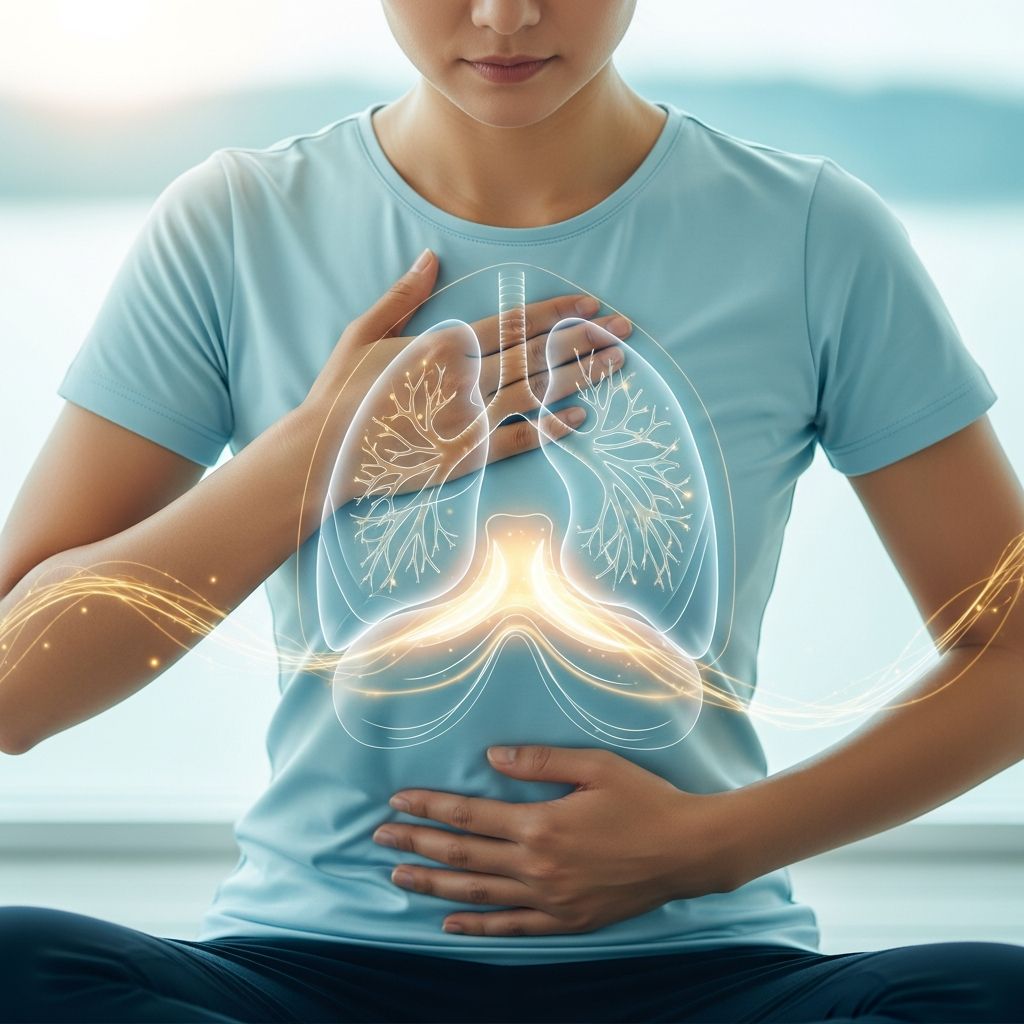
Diaphragmatic breathing, commonly known as belly breathing, is a deep breathing technique that optimizes how your lungs function. Unlike shallow chest breathing that many people unconsciously practice, diaphragmatic breathing engages the diaphragm—the primary muscle responsible for respiration. This technique allows you to breathe more efficiently by using your lungs at their full capacity, delivering significantly more oxygen to your bloodstream.
The diaphragm is a large, dome-shaped muscle situated at the base of your lungs, just above your abdomen. When you practice diaphragmatic breathing, you consciously engage this muscle to take deeper, more purposeful breaths. Most people don’t use their lungs to their full capacity during normal breathing, which means they’re missing out on the numerous health benefits that complete lung expansion provides. By mastering this technique, you can transform your breathing habits and improve your overall well-being.
What is Diaphragmatic Breathing?
Diaphragmatic breathing is a controlled breathing exercise designed to help you use your diaphragm correctly. When you breathe normally throughout the day, your body uses only a fraction of your lungs’ capacity. This means you’re not optimizing oxygen intake or the positive physiological effects that deep breathing provides.
During diaphragmatic breathing, you intentionally focus on expanding your abdomen rather than your chest as you inhale. This action allows your diaphragm to contract and flatten, creating more space in your chest cavity. As your chest expands, your lungs fill with air more completely. When you exhale, your abdominal muscles tighten, helping your diaphragm return to its dome shape and push air out of your lungs more effectively.
Alternative Names
Diaphragmatic breathing is known by several different names in medical and wellness communities, including belly breathing, abdominal breathing, and deep breathing. Regardless of the terminology used, the technique and benefits remain the same.
The Anatomy of the Diaphragm
Understanding how your diaphragm works is essential to appreciating why this breathing technique is so valuable. Your diaphragm is the most efficient muscle for breathing. It sits directly beneath your lungs and heart, acting as a barrier between your chest and abdominal cavities. Your abdominal muscles work in conjunction with the diaphragm, helping to move it and providing additional power to empty your lungs completely.
When you inhale, your diaphragm contracts and moves downward toward your abdomen, creating a vacuum effect in your chest. This pressure change causes your lungs to expand and fill with air. When you exhale, your diaphragm relaxes and curves back up, and your lungs push air out of your body. This natural process happens automatically, but practicing diaphragmatic breathing helps you optimize it.
Key Benefits of Diaphragmatic Breathing
Diaphragmatic breathing offers numerous scientifically-supported benefits for your physical and mental health. Regular practice can lead to measurable improvements in various health markers and quality of life indicators.
Cardiovascular and Blood Pressure Benefits
Related Stories



One of the most significant benefits of diaphragmatic breathing is its positive effect on heart health. Practicing slow, deep breathing at a rate of 6 to 10 breaths per minute can lead to arteriolar dilation by activating pulmonary-cardiac mechanoreceptors and inhibiting sympathetic nerve activities. Two-minute sessions of slow, deep breathing have demonstrated the ability to reduce systolic blood pressure (SBP) by 8.6 mmHg and diastolic blood pressure (DBP) by 4.9 mmHg in hypertensive adults. Extended practice over several weeks enhances baroreflex sensitivity and significantly increases heart rate variability, both markers of improved cardiovascular health.
Stress Reduction and Mental Health
Diaphragmatic breathing triggers a relaxation response in your body that decreases stress and promotes emotional well-being. The technique has been shown to reduce stress as measured by both physiologic biomarkers and psychological self-report tools. When you practice deep breathing, your nervous system shifts from a sympathetic (fight-or-flight) state to a parasympathetic (rest-and-digest) state, promoting relaxation and reducing anxiety.
Improved Lung Efficiency
By using your diaphragm correctly, you can use your lungs at 100% capacity, dramatically increasing lung efficiency. This means more oxygen is absorbed into your bloodstream with each breath, improving oxygen delivery to your tissues and organs. Enhanced lung efficiency can lead to increased energy levels and improved physical performance.
Reduced Work of Breathing
Diaphragmatic breathing decreases the work required for breathing by slowing your breathing rate and reducing oxygen demand. This benefit is particularly important for individuals with respiratory conditions. By using your diaphragm efficiently, you use less effort and energy to breathe, which can significantly improve your quality of life.
Additional Health Benefits
Research has also shown that diaphragmatic breathing can help reduce motion sickness and urinary incontinence. The technique strengthens the diaphragm, allowing it to function more effectively over time. These diverse benefits make diaphragmatic breathing a valuable tool for general health maintenance and specific condition management.
Conditions That Benefit from Diaphragmatic Breathing
While diaphragmatic breathing benefits everyone, it is particularly helpful for individuals with certain respiratory and stress-related conditions. The technique can help manage symptoms and improve quality of life in several situations:
- Chronic obstructive pulmonary disease (COPD)
- Asthma
- Anxiety disorders
- High blood pressure
- Sleep disorders
- Panic attacks
- Chronic stress
If you have COPD, diaphragmatic breathing can be particularly beneficial. COPD often prevents the diaphragm from working effectively because air becomes trapped in the lungs, pushing down on the diaphragm. This forces your neck and chest muscles to assume an increased share of the breathing workload. Over time, this can leave your diaphragm weakened and flattened, causing it to work less efficiently. Training your diaphragm through breathing exercises helps restore its function and can significantly ease breathing difficulties.
How to Practice Diaphragmatic Breathing: Step-by-Step Instructions
Learning to practice diaphragmatic breathing correctly ensures you receive the maximum benefits from the technique. There are two primary positions for practicing this breathing exercise: lying down and sitting up. Choose the position that feels most comfortable for you, though lying down is recommended when first learning the technique.
Lying Down Position
Step 1: Get into position
Lie on your back on a flat surface such as a bed or yoga mat with your knees bent. Support your head with a pillow to maintain comfort. Place a pillow under your knees to support your legs and reduce strain on your lower back.
Step 2: Hand placement
Place one hand on your upper chest and the other just below your rib cage, above your stomach. This hand placement allows you to feel your diaphragm move as you breathe and helps you focus on proper technique. The hand on your chest should remain as still as possible during the exercise, indicating that you’re using your diaphragm rather than your chest muscles.
Step 3: Inhale slowly
Breathe in slowly through your nose, allowing your stomach to move outward against your hand. Your hand on your chest should remain still during this process. The goal is to fill your abdomen with air first, then let the air travel up to fill your chest. Inhale for a count of four if this feels comfortable.
Step 4: Exhale with control
Tighten your stomach muscles, letting them fall inward as you exhale through pursed lips. The hand on your upper chest must remain as still as possible. Exhale slowly for a count of six, which helps ensure that you’re fully emptying your lungs and engaging your abdominal muscles.
Sitting Position
Step 1: Position yourself comfortably
Sit in a comfortable chair with your knees bent and your feet flat on the floor. Ensure your shoulders, head, and neck are relaxed and supported by the chair back. Good posture is important for proper diaphragmatic breathing.
Step 2: Hand placement
Place one hand on your upper chest and the other just below your rib cage. As with the lying position, this allows you to monitor your breathing and ensure you’re using your diaphragm correctly.
Step 3: Breathe in deeply
Breathe in slowly through your nose so that your stomach moves out against your hand. Keep the hand on your chest as still as possible, indicating that you’re not using your chest muscles for breathing.
Step 4: Exhale completely
Tighten your stomach muscles and let them fall inward as you exhale through pursed lips. Ensure the hand on your upper chest remains still throughout the process.
Getting Started: Practice Frequency and Duration
When beginning your diaphragmatic breathing practice, start gradually and increase your commitment over time. Initially, practice this exercise for 5 to 10 minutes about 3 to 4 times per day. This frequent practice helps your body develop the muscle memory needed to make diaphragmatic breathing automatic.
As you become more comfortable with the technique, gradually increase the amount of time you spend doing the exercise. You can also increase the difficulty by placing a book on your abdomen, which provides additional resistance and helps strengthen your diaphragm further. Some experts recommend practicing 10 breaths multiple times throughout the day for optimal benefits, particularly if you have COPD or other respiratory conditions.
It’s important to note that you may feel tired or notice increased effort is needed initially. This is completely normal as your diaphragm adjusts to being used more actively. With consistent practice over time, diaphragmatic breathing will become easier and eventually automatic, requiring no conscious thought.
Important Considerations
While diaphragmatic breathing is a powerful tool for improving health, it’s important to approach the practice with realistic expectations and proper guidance. Diaphragmatic breathing is more difficult to perform compared to other breathing techniques like pursed lip breathing, and learning proper technique from a qualified healthcare provider is recommended.
It’s also essential to understand that while diaphragmatic breathing can help treat certain conditions, it shouldn’t be the only treatment. You should use this technique along with other treatments recommended by your healthcare provider. If you have a serious respiratory condition or other health concerns, consult with your doctor before starting any new breathing exercise regimen.
If you feel dizzy or tired during diaphragmatic breathing, take a break and rest. These sensations usually diminish with practice as your body adapts to the technique.
Frequently Asked Questions
Q: How long does it take to see benefits from diaphragmatic breathing?
A: Some benefits, such as reduced stress and improved relaxation, can be felt immediately after a single session. However, more significant benefits like improved blood pressure control and enhanced baroreflex sensitivity typically develop over several weeks of consistent practice. The key is regular, ongoing practice to experience lasting improvements.
Q: Can diaphragmatic breathing replace medical treatment?
A: No. While diaphragmatic breathing is beneficial for many conditions, it should be used as a complementary technique alongside medical treatment, not as a replacement. Always follow your healthcare provider’s treatment recommendations and discuss any new breathing exercises with them first.
Q: Is diaphragmatic breathing safe for everyone?
A: Diaphragmatic breathing is generally safe for most people. However, if you have certain medical conditions, pregnancy complications, or recent abdominal surgery, consult your healthcare provider before beginning this practice. They can provide personalized guidance based on your specific situation.
Q: What if I feel dizzy during diaphragmatic breathing?
A: Dizziness can occur if you over-breathe or practice too vigorously when you’re new to the technique. Stop the exercise immediately and rest. As your body adapts to diaphragmatic breathing over time, this sensation should diminish. Start slowly with shorter practice sessions and gradually increase duration.
Q: Can I practice diaphragmatic breathing anywhere?
A: While you can practice diaphragmatic breathing in various settings, it’s best when you feel rested and relaxed. Choose a quiet environment where you can concentrate on the technique without distractions. Once you become proficient, you can use diaphragmatic breathing during stressful situations or whenever you need to promote relaxation.
Q: How is diaphragmatic breathing different from normal breathing?
A: Normal breathing typically uses only a portion of your lung capacity and often relies more on chest muscles than the diaphragm. Diaphragmatic breathing is intentional and conscious, using your diaphragm to create deeper breaths that fully expand your lungs, deliver more oxygen, and trigger a relaxation response in your body.
References
- Diaphragmatic breathing and cardiovascular effects — Yau & Loke, Cochrane Database of Systematic Reviews. 2021. https://www.cochranelibrary.com/
- Diaphragmatic Breathing Exercises & Benefits — Cleveland Clinic. 2025. https://my.clevelandclinic.org/health/articles/9445-diaphragmatic-breathing
- What is the Diaphragm — Cleveland Clinic. 2025. https://my.clevelandclinic.org/health/body/21578-diaphragm
- Diaphragmatic breathing for motion sickness reduction — Stromberg et al, Journal of Travel Medicine. 2015. https://academic.oup.com/jtm
- Breathing exercises for COPD management — Cleveland Clinic. 2025. https://www.clevelandclinicabudhabi.ae/en/health-hub/health-resource/treatments-and-procedures/pursed-lip-breathing-and-diaphragmatic-breathing
- Diaphragmatic breathing stress reduction effects — Hooper et al, Research study on stress biomarkers. 2019. https://pubmed.ncbi.nlm.nih.gov/
Similar Articles








Read full bio of medha deb