Diapression: Understanding Diabetes and Depression Link
Explore how diabetes and depression interconnect, affecting millions worldwide and their management strategies.
Unravelling the Link Between Diabetes and Depression
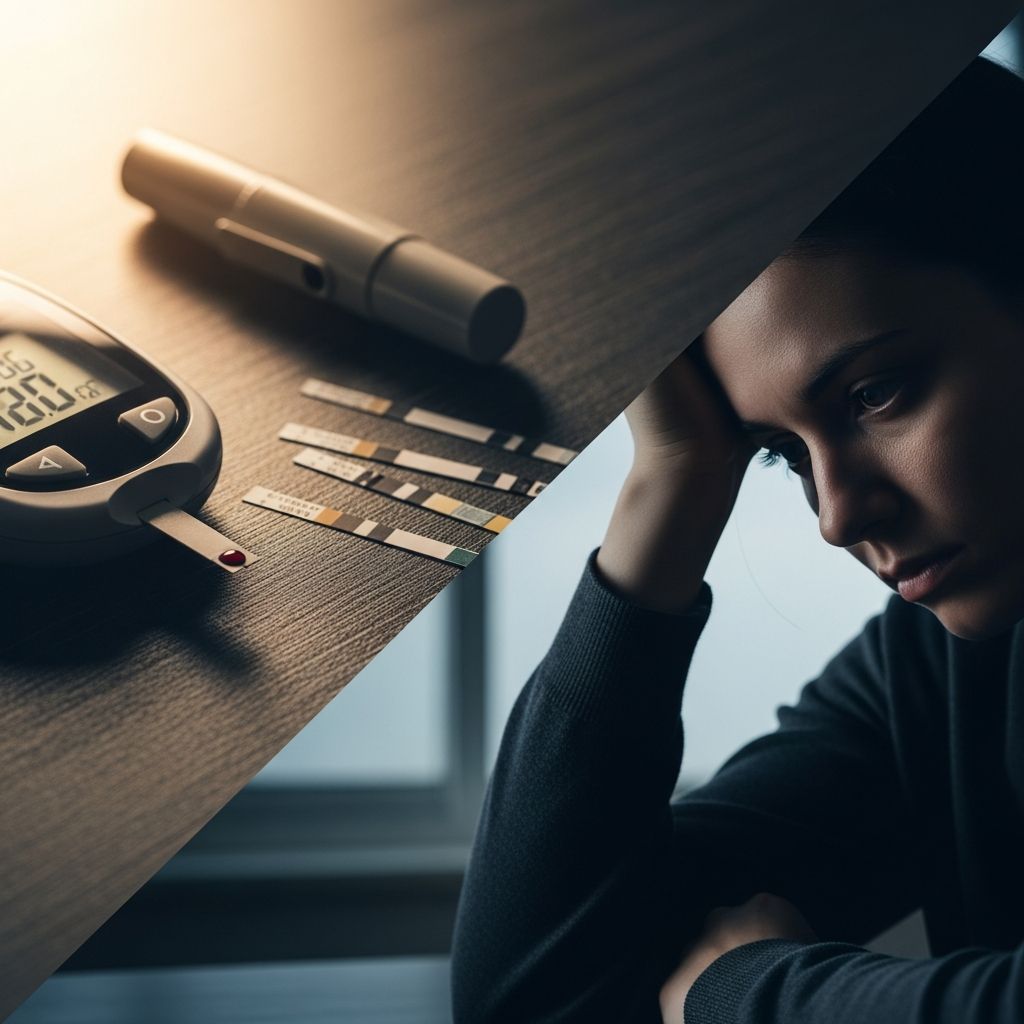
Diabetes can significantly impact both physical health and emotional wellbeing. Living with diabetes requires constant self-care and lifestyle adjustments that can be both physically and emotionally challenging. Research shows that people living with diabetes are up to three times more likely to experience depression than those without the condition. This complex relationship between the two conditions has led to the emergence of a term that encapsulates this overlap: diapression.
Managing diabetes demands continuous attention to blood sugar levels, medication schedules, dietary choices, and lifestyle modifications. For many individuals, this constant vigilance can become overwhelming and exhausting, potentially triggering or exacerbating symptoms of depression. Understanding this interconnection is crucial for anyone living with diabetes or supporting someone who does.
What is Diapression?
Diapression, sometimes referred to as diabetes distress, represents the complicated overlap between depression and diabetes. While it is not a formal clinical diagnosis, the term acknowledges the significant psychological challenges faced by those managing both conditions simultaneously. Depression itself is a widespread mental health concern, affecting approximately 1 in 4 adults in the UK and 1 in 5 adults in the US.
However, individuals living with diabetes face substantially higher risk of developing depression. Research has identified that people with diabetes are twice as likely to experience depression compared to the general population. This elevated risk exists across different types of diabetes, including type 1, type 2, and other diabetes variants. The term diapression captures this unique intersection where the demands of managing a chronic physical condition become intertwined with mental health challenges.
The prevalence of diapression is notable, with as many as 40% of people with diabetes reporting struggles with their psychological wellbeing since being diagnosed. This statistic underscores the importance of recognizing and addressing the mental health aspects of diabetes management.
What is the Link Between Diabetes and Depression?
The connection between diabetes and depression is multifaceted and complex. Diabetes affects approximately 4.3 million people in the UK and 38 million in the US, making it a significant public health concern. Understanding how these two conditions interact is essential for effective management and improved quality of life.
Understanding the Two Types of Diabetes
To fully comprehend the link between diabetes and depression, it is important to understand the different types of diabetes. Type 1 diabetes occurs when the pancreas produces very little insulin or no insulin at all, requiring individuals to rely on insulin injections for survival. Type 2 diabetes, the more common form, develops when the body becomes resistant to insulin or the pancreas cannot produce sufficient quantities. Both types present unique challenges that can contribute to psychological distress.
How Diabetes Contributes to Depression
Diabetes does not directly cause depression, but the nature of the condition can be a significant factor in its development. The exhausting and demanding nature of diabetes management plays a crucial role. Living with diabetes requires constant decision-making and self-management on top of everyday life, which can lead to feelings of being overwhelmed and exhausted. This exhaustion can manifest as prolonged periods of feeling low, which may develop into clinical depression.
Additionally, if someone has pre-existing symptoms of depression before being diagnosed with diabetes, the demands of diabetes management can worsen their existing depression. The continuous nature of diabetes—it is always present—creates an ongoing psychological burden that distinguishes it from many other health conditions.
Related Stories



How Depression Increases Diabetes Risk
The relationship works in both directions. Research demonstrates that people living with depression have a higher risk of developing type 2 diabetes. A Diabetes UK funded study has revealed that depression can play a direct role in increasing the risk of developing type 2 diabetes. These findings suggest that the relationship between depression and type 2 diabetes is complex and bidirectional.
One mechanism by which depression may increase diabetes risk involves changes in the body’s chemistry and functioning. Studies have found that long-term high blood sugar in type 1 diabetes can affect brain chemistry, potentially increasing the likelihood of developing depression. Similarly, depression can influence metabolic processes and behavioral patterns that increase vulnerability to type 2 diabetes development.
Overlapping Symptoms: The Challenge of Diagnosis
Depression and diabetes share several common symptoms, which can make it difficult to determine whether symptoms are caused by diabetes, depression, or both conditions together. Understanding these overlapping symptoms is critical for accurate diagnosis and appropriate treatment planning.
Common Symptoms of Both Conditions
- Persistent fatigue and exhaustion, even after adequate rest
- Sleep disturbances, including difficulty falling asleep, waking frequently during the night, or inability to get out of bed
- Difficulty concentrating and maintaining focus on tasks
- Loss of interest in activities that previously brought joy
- Changes in appetite and eating patterns
- Social withdrawal and isolation
- Feelings of hopelessness and helplessness
Being tired and sleeping excessively are symptoms that can occur with either condition, making it particularly challenging to distinguish between them without professional evaluation. This overlap underscores the importance of comprehensive assessment by healthcare professionals who understand both conditions.
How Depression Affects Diabetes Treatment
The impact of diapression is significant and can create a destructive cycle where each condition worsens the other, making diabetes management increasingly difficult. Depression affects various aspects of diabetes care, leading to a mix of symptoms and unwelcome side effects that complicate treatment adherence and overall health outcomes.
Depression’s Impact on Diabetes Self-Management
- Loss of motivation and social withdrawal: Not wanting to do anything or see anyone can result in neglected diabetes management, including skipping medications, failing to check blood sugars, missing medical appointments, and ignoring other health problems. These lapses can lead to serious complications.
- Medication and monitoring neglect: Major depressive mood cycles might mean individuals neglect taking medications or stop checking blood sugar levels regularly, compromising glycemic control.
- Reduced physical activity: Increased tiredness, a key symptom of depression, makes exercise feel more daunting. Since exercise is crucial for diabetes management, this reduction in activity can negatively impact blood sugar control.
- Disrupted eating patterns: Depression can lead to overeating, which might cause blood sugars to rise, or undereating, which might lead to hypoglycemic episodes in those taking insulin or other medications with hypo as a side effect.
- Impaired cognitive function: Being easily distracted and struggling to concentrate can make it harder to make appropriate diabetes management decisions and follow treatment plans.
- Emotional consequences: Feeling bad about oneself and worrying about letting friends and family down can further entrench depressive symptoms and reduce motivation for self-care.
Serious Consequences of Combined Conditions
When depression is severe, it can lead to self-destructive behaviors that directly threaten diabetes management and overall health. Individuals experiencing thoughts that things would be better if they were dead, or having suicidal thoughts, may stop taking care of themselves entirely, including abandoning diabetes management altogether. This represents a mental health emergency requiring immediate professional intervention.
Research confirms that depression in individuals with diabetes tends to follow a recurrent or chronic course and is associated with worse health outcomes, including less healthy lifestyles, greater lack of diabetic self-care, lower treatment compliance, and increased risk of chronic diabetes complications.
The Bidirectional Cycle: How Diabetes Worsens Depression
While depression clearly impacts diabetes management, the reverse is also true. Coping with diabetes can also make depression worse through several mechanisms:
- Feeling guilty for not managing diabetes properly, even when circumstances are beyond one’s control
- Not wanting to inject insulin or test blood sugar in public due to embarrassment or social anxiety
- Feeling ashamed or stigmatized because of the diabetes diagnosis
- Sleep disruption caused by nighttime hypoglycemic episodes, which can worsen both diabetes control and mood
- Constant worry about diabetes management and potential long-term complications
- The relentless nature of the condition, which offers no breaks or days off from management requirements
This bidirectional relationship creates a reinforcing negative cycle where diabetes complications worsen depression, and depression worsens diabetes management, leading to more complications. Breaking this cycle requires comprehensive treatment addressing both conditions simultaneously.
Treatment and Management Strategies
The good news is that both diabetes and depression can be effectively treated, and managing one condition well can significantly help with managing the other. Several therapeutic approaches have proven effective for individuals dealing with diapression.
Professional Treatment Options
There are different ways that people can address depression, and treatment should be tailored to individual needs and circumstances. Healthcare providers may recommend various approaches:
- Professional counseling: Speaking with a mental health professional such as a counselor or therapist can provide valuable support and coping strategies
- Cognitive Behavioral Therapy (CBT): This evidence-based psychological treatment helps individuals understand connections between thoughts, feelings, and behaviors, enabling them to develop healthier coping mechanisms
- Medication: Antidepressant medications prescribed by healthcare providers may be recommended to help manage depression symptoms
- Integrated care approaches: Working with both diabetes care teams and mental health professionals ensures comprehensive, coordinated treatment
Accessing Mental Health Support
Individuals should speak to their healthcare professional about available services in their area. This conversation can occur during annual diabetes reviews or at regular doctor visits, or a separate appointment can be scheduled specifically to discuss mental health concerns. Many people can be referred to a counselor through their local health authority or council, with options for both publicly-funded and private counseling services available depending on location and preference.
Warning Signs and When to Seek Help
Recognizing early warning signs of depression is crucial for timely intervention. If you experience one or more depression symptoms for longer than two weeks, you should talk to your healthcare professional. Warning signs include:
- Loss of interest in typical activities and hobbies
- Persistent feelings of sadness, hopelessness, or emptiness
- Unexplained physical problems such as back pain or headaches
- Difficulty concentrating or making decisions
- Feelings of worthlessness or excessive guilt
- Changes in sleep patterns or appetite
- Social withdrawal and isolation
- Thoughts of death or suicide
If you suspect you might be depressed, seek help right away. Your healthcare provider or diabetes educator can help you find an appropriate mental health provider.
Frequently Asked Questions
Q: Are people with diabetes definitely more likely to develop depression?
A: Yes, research consistently shows that people with diabetes are two to three times more likely to experience depression than those without diabetes. However, having diabetes does not guarantee you will develop depression. Many people successfully manage both conditions with appropriate support and treatment.
Q: Can depression actually cause type 2 diabetes?
A: Research suggests that depression can increase your risk of developing type 2 diabetes through various mechanisms, including changes in lifestyle behaviors, metabolism, and body chemistry. However, depression does not directly cause diabetes in all cases; rather, it increases vulnerability to developing the condition.
Q: How can I tell if my symptoms are from diabetes or depression?
A: Since diabetes and depression share many symptoms like fatigue, difficulty concentrating, and sleep disturbances, it can be challenging to distinguish between them. A healthcare professional can conduct proper assessment and testing to help determine which condition is responsible for your symptoms.
Q: Is diapression a formal medical diagnosis?
A: No, diapression is not a formal clinical diagnosis but rather a term that acknowledges the psychological challenges experienced by people living with both diabetes and depression simultaneously. Healthcare professionals may use this term to describe the overlapping symptoms and management challenges.
Q: What should I do if I think I have depression and diabetes?
A: Contact your healthcare provider or diabetes specialist and discuss your concerns. They can evaluate your symptoms, refer you to mental health services if needed, and help develop a comprehensive treatment plan addressing both conditions. Remember that you are not alone, and effective treatments are available.
Q: Can treating depression help improve my diabetes management?
A: Yes, effectively managing depression can significantly improve your diabetes management. When depression is treated, you typically experience improved motivation, better self-care adherence, improved sleep, and enhanced ability to make healthy lifestyle choices—all of which support better blood sugar control.
References
- Unravelling the Link Between Diabetes and Depression — Patient.info. Accessed January 2026. https://patient.info/features/mental-health/diapression-unravelling-the-link-between-diabetes-and-depression
- Diabetes and Depression: Coping with the Two Conditions — Mayo Clinic. https://www.mayoclinic.org/diseases-conditions/diabetes/expert-answers/diabetes-and-depression/faq-20057904
- Links Between Diabetes and Depression — Diabetes UK. https://www.diabetes.org.uk/living-with-diabetes/emotional-wellbeing/depression
- Depression in Diabetic Patients: What Is the Link With Eating Behaviors and Glycemic Control? — Pinna, F., et al. Frontiers in Psychiatry, 2022. https://www.frontiersin.org/journals/psychiatry/articles/10.3389/fpsyt.2022.848031/full
Similar Articles








Read full bio of medha deb