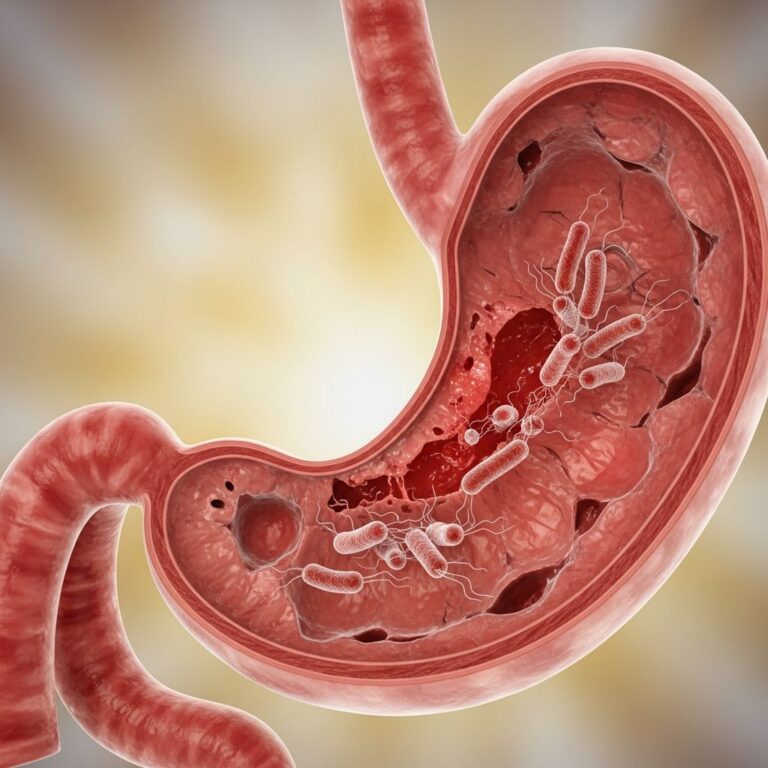
Diarrhea: Causes, Symptoms, and Treatment Guide
Complete guide to understanding diarrhea: causes, symptoms, diagnosis, and effective treatment options.

Understanding Diarrhea
Diarrhea is a common digestive condition characterized by frequent, loose, or watery stools. While typically brief and self-limiting, diarrhea can sometimes indicate an underlying health concern requiring medical attention. Most cases of diarrhea resolve within a few days without specific treatment, though maintaining proper hydration remains essential.
What Causes Diarrhea?
Diarrhea can result from various infectious and non-infectious causes. Understanding the underlying trigger helps determine the appropriate treatment approach and whether medical intervention is necessary.
Infectious Causes
Infectious agents represent the most common cause of acute diarrhea. Bacterial pathogens including Campylobacter jejuni, Salmonella species, and various strains of Escherichia coli (E. coli) frequently cause diarrheal illness. Shigella species, another bacterial pathogen, typically produces bloody diarrhea or dysentery. Viral infections, including rotavirus, norovirus, and adenovirus, also commonly trigger diarrhea, particularly in children.
Parasitic infections can cause both acute and chronic diarrhea. Giardia lamblia and Entamoeba histolytica represent common parasitic culprits, especially when diarrhea persists beyond two weeks. Clostridium difficile, a bacterium associated with antibiotic use, causes pseudomembranous colitis and antibiotic-associated diarrhea.
Non-Infectious Causes
Beyond infectious agents, numerous non-infectious factors can trigger diarrhea. Adverse reactions to medications, particularly antibiotics, represent a significant cause of diarrheal episodes. Inflammatory bowel diseases such as Crohn’s disease and ulcerative colitis produce chronic diarrhea as a primary symptom. Irritable bowel syndrome (IBS) commonly manifests with diarrheal symptoms in susceptible individuals.
Other non-infectious causes include radiation therapy affecting the bowel, ischemic bowel disease, partial bowel obstruction, small intestinal bacterial overgrowth (SIBO), and laxative abuse. Endocrine disorders and tube feeding can also precipitate diarrhea in certain clinical contexts.
Types of Diarrhea
Healthcare providers classify diarrhea into distinct clinical categories based on duration and characteristics, each requiring different management approaches.
Acute Watery Diarrhea
Acute watery diarrhea typically lasts less than two weeks and produces loose, liquid stools without visible blood. This type commonly results from viral infections or bacterial toxins and usually resolves spontaneously with supportive care.
Bloody Diarrhea (Dysentery)
Dysentery involves the passage of loose stools containing visible blood or mucus. This condition indicates inflammation of the intestinal lining and may suggest bacterial infection, particularly Shigella species. Bloody diarrhea requires prompt medical evaluation to determine the underlying cause and appropriate treatment.
Persistent Diarrhea
Persistent diarrhea lasts longer than two weeks and often requires investigation into underlying causes such as parasitic infections, inflammatory bowel disease, or chronic conditions. This category demands careful clinical evaluation and targeted diagnostic testing.
Symptoms and Warning Signs
While loose stools constitute the primary symptom of diarrhea, accompanying symptoms often provide diagnostic clues and help assess severity.
Common Symptoms
Patients typically experience frequent bowel movements producing watery or loose stools. Abdominal cramping, bloating, and urgency often accompany diarrhea. Some individuals develop nausea, vomiting, or loss of appetite. Fever may occur with infectious diarrhea, particularly bacterial infections.
Warning Signs Requiring Medical Attention
Seek immediate medical care if diarrhea lasts more than two days in adults, or if signs of dehydration develop including excessive thirst, dark urine, dizziness, or dry mouth. Severe abdominal pain, bloody stools, high fever exceeding 102°F (39°C), or signs of severe dehydration warrant urgent evaluation. Children and elderly individuals with diarrhea require closer monitoring due to increased vulnerability to dehydration complications.
Risk Factors for Diarrhea
Certain factors increase susceptibility to developing diarrhea. Recent antibiotic use significantly elevates the risk of Clostridium difficile infection and antibiotic-associated diarrhea. Travel to developing countries with contaminated water supplies increases exposure to bacterial and parasitic pathogens.
Consumption of undercooked meat, seafood, or unpasteurized milk products raises the risk of foodborne diarrhea. Immunocompromised individuals, including those with HIV/AIDS or receiving immunosuppressive therapy, face increased susceptibility to severe diarrheal infections. Day care attendance and institutional living environments facilitate pathogen transmission.
Diagnosis of Diarrhea
Diagnostic evaluation varies based on diarrhea characteristics, duration, and severity. Healthcare providers employ different approaches for acute versus chronic diarrhea.
Clinical Evaluation
The initial assessment includes a detailed history of bowel habits, stool characteristics, associated symptoms, and potential exposures. Healthcare providers inquire about recent antibiotic use, travel history, food and water consumption, and sick contacts. Physical examination evaluates signs of dehydration and abdominal tenderness.
Diagnostic Testing
For acute diarrhea in immunocompetent individuals, diagnostic testing often proves unnecessary as most cases resolve spontaneously. However, when infection is suspected or symptoms persist, stool culture identifies bacterial pathogens including Salmonella, Shigella, and Campylobacter. Stool toxin assays detect Clostridium difficile toxins in suspected antibiotic-associated diarrhea.
Parasitic infections require specific stool microscopy or specialized testing. Occult blood testing identifies microscopic bleeding not visible to the naked eye. Colonoscopy may be warranted for persistent bloody diarrhea to visualize intestinal mucosal inflammation and obtain tissue samples.
Treatment Approaches
Treatment strategies depend on diarrhea type, underlying cause, and severity. The World Health Organization (WHO) provides evidence-based guidelines for managing diarrheal illness.
Fluid and Electrolyte Replacement
Maintaining adequate hydration represents the cornerstone of diarrhea management. Oral rehydration solutions (ORS) containing water, electrolytes, and glucose effectively restore fluid and electrolyte balance. For mild to moderate dehydration, ORS administration suffices. Severe dehydration may require intravenous (IV) electrolyte solutions administered in healthcare settings.
Nutritional Support
Continued feeding during diarrheal illness maintains nutritional status and supports recovery. Once acute symptoms subside, gradual reintroduction of age-appropriate foods prevents prolonged malnutrition. For infants, continued breastfeeding or formula feeding should continue alongside ORS therapy.
Zinc Supplementation
WHO guidelines recommend zinc supplementation for children with diarrhea, as zinc deficiency impairs immune function and increases susceptibility to infections. Zinc supplementation reduces diarrhea duration and severity while decreasing risk of subsequent infections.
Antimicrobial Therapy
Antibiotic use should be judicious and reserved for specific indications. For uncomplicated watery diarrhea, antibiotics typically prove unnecessary and may increase antibiotic resistance. Exceptions include suspected cholera cases where early antibiotic therapy proves beneficial.
Bloody diarrhea (dysentery) caused by Shigella species warrants targeted antibiotic therapy. First-line antibiotics include Azithromycin for Shigella infections, while Ciprofloxacin serves as an alternative. For other bacterial dysentery, appropriate antibiotics based on culture and sensitivity results guide therapy.
Antimotility Agents
Antimotility medications that slow intestinal movement should generally be avoided in infectious diarrhea, particularly bloody diarrhea, as they may increase risk of complications such as toxic megacolon or hemolytic uremic syndrome.
Prevention Strategies
Preventing diarrhea involves both personal hygiene practices and careful food and water management.
Food and Water Safety
Avoid consumption of undercooked meat or seafood, which may harbor pathogenic organisms. Unpasteurized milk and soft cheeses carry increased risk of Listeria and other bacterial contamination. When traveling to areas with questionable water safety, drink bottled or boiled water and avoid ice made from tap water.
Hand Hygiene
Regular handwashing with soap and clean water, particularly after toilet use and before eating, represents one of the most effective prevention measures. Thorough hand hygiene prevents transmission of infectious diarrhea to others.
Vaccination
For travelers to areas where typhoid remains endemic, typhoid vaccination provides protection against Salmonella typhi infection. Rotavirus vaccination protects infants against this common viral cause of childhood diarrhea.
Diarrhea in Children
Childhood diarrhea requires particular attention due to the increased risk of dehydration complications. Children with diarrhea lasting more than one day warrant medical evaluation. Oral rehydration solution therapy effectively manages mild to moderate dehydration in children, while severe dehydration requires hospitalization and IV therapy.
Research demonstrates that many children receive unnecessary antibiotics for diarrhea management. This inappropriate antibiotic use contributes to the development of antibiotic-resistant organisms including methicillin-resistant Staphylococcus aureus (MRSA) and extended-spectrum beta-lactamase (ESBL)-producing bacteria. Such resistance leads to increased illness severity, longer hospital stays, higher mortality rates, and elevated healthcare costs.
When to Seek Medical Care
Most cases of acute diarrhea resolve without medical intervention within a few days. However, seek healthcare promptly if diarrhea persists beyond two days or worsens, or if signs of dehydration develop including extreme thirst, dry mouth, little or no urination, severe weakness, dizziness, or confusion.
Bloody stools, severe abdominal pain, or fever exceeding 102°F (39°C) warrant medical evaluation. For children, elderly individuals, or immunocompromised persons, earlier medical consultation proves prudent. If diarrhea follows hospitalization or recent antibiotic use, medical assessment helps exclude serious complications such as Clostridium difficile infection.
Managing Diarrhea at Home
For mild, uncomplicated diarrhea, home management suffices. Continue drinking fluids, particularly oral rehydration solutions, broths, and water. Eat bland, easily digestible foods as tolerated. Rest and avoid strenuous activity until symptoms resolve. Monitor for warning signs requiring medical attention.
Over-the-counter antidiarrheal medications may provide symptom relief in some cases, though these should generally be avoided in infectious diarrhea, particularly if fever or bloody stools are present. Always consult healthcare providers before using such medications, particularly in children.
Frequently Asked Questions
Q: How long does diarrhea typically last?
A: Most acute diarrhea resolves within 1-2 days without treatment. If diarrhea persists beyond two days in adults or one day in children, medical evaluation becomes warranted.
Q: Is all diarrhea caused by infection?
A: No. While infections represent the most common acute cause, non-infectious factors including medications, inflammatory bowel disease, irritable bowel syndrome, and dietary factors can trigger diarrhea.
Q: When should antibiotics be used for diarrhea?
A: Antibiotics should not be routinely used for uncomplicated watery diarrhea. They are reserved for specific conditions such as dysentery caused by Shigella, suspected cholera, or severe infections in immunocompromised individuals. Inappropriate antibiotic use contributes to dangerous antibiotic resistance.
Q: What is the best fluid for rehydration during diarrhea?
A: Oral rehydration solutions (ORS) specially formulated with appropriate electrolyte and glucose concentrations provide optimal rehydration. Plain water alone is insufficient. Commercial ORS products or WHO-recommended formulations work best.
Q: Can food be eaten during diarrhea?
A: Yes. WHO guidelines recommend continued feeding during diarrheal illness. Gradually reintroduce bland, easily digestible foods as symptoms improve. For infants, continue breastfeeding or formula feeding throughout the illness.
Q: Are over-the-counter antidiarrheal medications safe?
A: Over-the-counter antimotility agents should generally be avoided in infectious diarrhea, particularly if fever or bloody stools are present, as they may increase complication risk. Consult healthcare providers before using such medications.
References
- Healthcare seeking behavior and antibiotic use for diarrhea among children in rural Bangladesh — National Center for Biotechnology Information (NCBI), National Institutes of Health. 2024. https://pmc.ncbi.nlm.nih.gov/articles/PMC12047968/
- Practice guidelines for the management of infectious diarrhea — Johns Hopkins University, Clinical Infectious Diseases. 2001. https://pure.johnshopkins.edu/en/publications/practice-guidelines-for-the-management-of-infectious-diarrhea-5
- Diarrhea, Acute (Community-Acquired) — Johns Hopkins ABX Guide, Johns Hopkins University. 2023. https://www.hopkinsguides.com/hopkins/view/Johns_Hopkins_ABX_Guide/540165/all/Diarrhea__Acute__Community_Acquired_
- Diarrhea, Community-Acquired, Persistent/Chronic — Johns Hopkins ABX Guide, Johns Hopkins University. 2023. https://www.hopkinsguides.com/hopkins/view/Johns_Hopkins_ABX_Guide/540166/all/Diarrhea__Community_Acquired__Persistent_Chronic
- Patients with Chronic Diarrhea — Johns Hopkins University, New England Journal of Medicine. https://pure.johnshopkins.edu/en/publications/patients-with-chronic-diarrhea/
Similar Articles








Read full bio of medha deb