Diarrhea Home Remedies: 6 Effective Ways To Ease Symptoms
Effective home remedies and lifestyle tips to relieve diarrhea symptoms quickly and prevent dehydration safely.
Diarrhea is a common condition characterized by loose, watery stools that occur more frequently than usual. While most cases resolve on their own within a few days, managing symptoms at home can significantly improve comfort and prevent complications like dehydration. This article explores evidence-based home remedies, drawing from authoritative medical guidance to help you navigate acute diarrhea effectively.
What Causes Diarrhea?
Diarrhea often stems from infections (viral, bacterial, or parasitic), food intolerances, medications, or underlying digestive disorders. Viral gastroenteritis, commonly known as stomach flu, is a leading cause in adults and children. Bacterial infections from contaminated food or water can also trigger symptoms, as can parasites in travelers or those consuming undercooked meats. Other triggers include lactose intolerance, excessive caffeine or alcohol intake, and side effects from antibiotics, which disrupt gut bacteria balance.
Understanding the cause is crucial, though home remedies focus on symptom relief regardless of origin. Persistent diarrhea beyond 48 hours or accompanied by severe pain, fever, or blood in stool warrants professional evaluation.
Lifestyle and Home Remedies for Diarrhea
The cornerstone of home management for diarrhea is supportive care that addresses fluid loss and promotes gut recovery. According to medical experts, most episodes clear without intervention, but proactive steps accelerate healing.
1. Stay Hydrated: Drink Plenty of Fluids
**Dehydration is the primary risk** with diarrhea, as the body loses water and essential electrolytes rapidly. Adults should aim for at least 8-10 cups of clear fluids daily, increasing intake based on stool frequency.
- Recommended fluids: Water, oral rehydration solutions (ORS) like Pedialyte for children, clear broths, and diluted fruit juices (avoid apple juice, which may worsen symptoms).
- What to avoid: Caffeinated beverages, alcohol, and sugary sodas, as they can exacerbate fluid loss.
For optimal electrolyte replacement, mix a homemade ORS: 1 liter water, 6 teaspoons sugar, 1/2 teaspoon salt. This simple recipe restores sodium, potassium, and glucose balance effectively. If vomiting accompanies diarrhea, sip fluids slowly to prevent further upset.
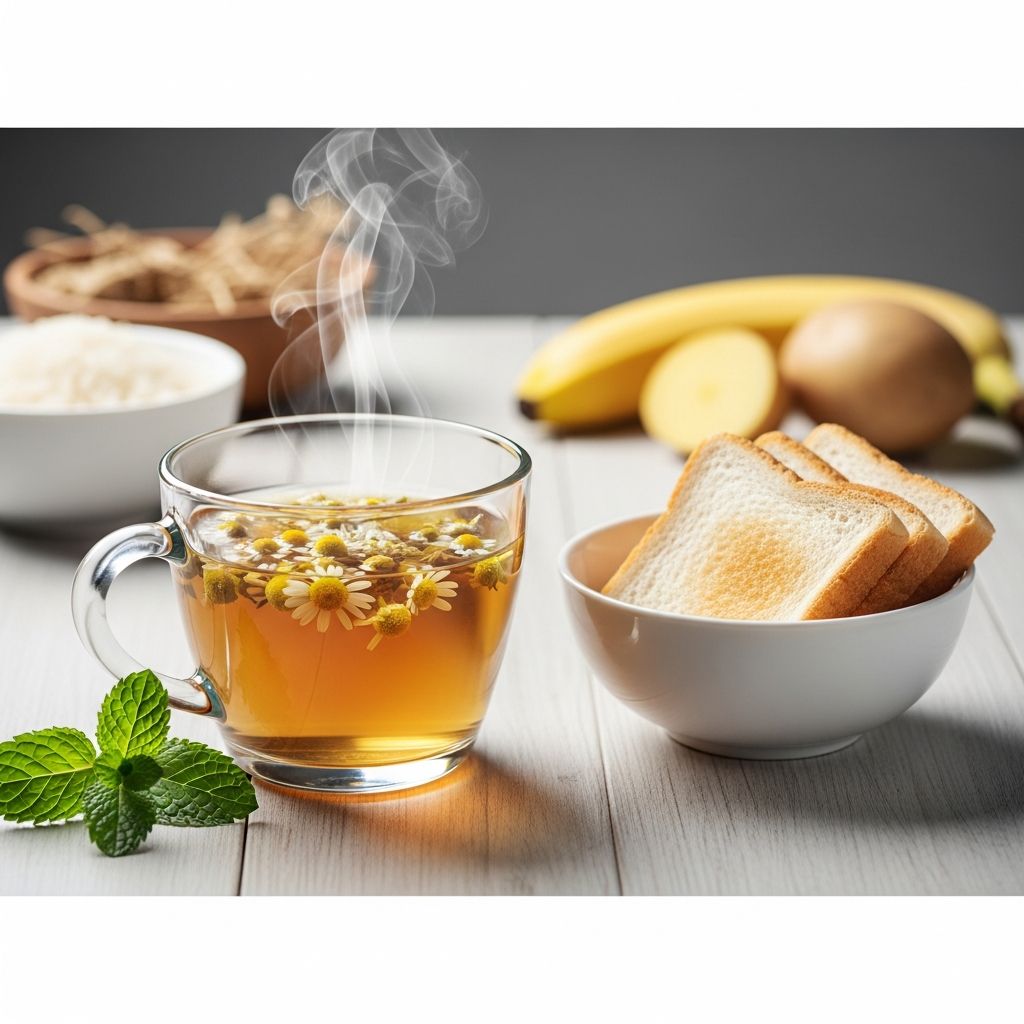
2. Follow a Bland Diet: The BRAT Approach
As symptoms subside, gradually reintroduce semisolid, low-fiber foods to firm up stools. The
BRAT diet
—bananas, rice, applesauce, toast—is a time-tested strategy.| Food Category | Recommended | Avoid |
|---|---|---|
| Grains | White rice, plain toast, soda crackers | Whole grains, bran cereals |
| Fruits | Bananas, applesauce | Raw fruits, prunes |
| Proteins | Boiled eggs, boiled chicken | Fried meats, fatty cuts |
| Dairy | None initially | Milk, cheese, ice cream |
Start with small portions every few hours. Low-fiber foods reduce bowel stimulation, allowing the intestines to heal. Resume a normal diet over 24-48 hours as stools normalize.
3. Avoid Trigger Foods
Certain foods prolong diarrhea by irritating the gut or drawing more water into the intestines. Steer clear of:
Related Stories



- Dairy products: Lactose intolerance symptoms mimic or worsen diarrhea.
- Fatty or greasy foods: Slow digestion and increase stool liquidity.
- High-fiber foods: Vegetables, beans, and nuts speed transit time.
- Spicy or heavily seasoned dishes: Irritate inflamed mucosa.
This restriction typically lasts 2-3 days, after which fiber can be reintroduced gradually.
4. Consider Over-the-Counter Antidiarrheal Medications
Nonprescription options like
loperamide (Imodium)
slow intestinal motility, reducing stool frequency.Bismuth subsalicylate (Pepto-Bismol)
has antimicrobial properties and coats the gut lining.- Dosage guidance: Follow package instructions; adults typically take 2mg loperamide after each loose stool, not exceeding 8mg/day.
- Caution: Avoid in cases of bloody stools, high fever, or suspected bacterial infection, as these meds trap toxins. Not for children under 12 without doctor approval.
Consult a healthcare provider before use, especially if pregnant or on other medications.
5. Try Probiotics
Probiotics introduce beneficial bacteria to restore gut microbiome balance, potentially shortening diarrhea duration by 1 day. Strains like Lactobacillus rhamnosus GG and Saccharomyces boulardii show promise in clinical studies.
- Sources: Yogurt with live cultures, kefir, capsules, or fermented foods like sauerkraut.
- Evidence: Effective for antibiotic-associated diarrhea and traveler’s diarrhea, though more research is needed for dosing and strains.
Take daily for 1-2 weeks during recovery.
6. Rest and Hygiene Practices
Allow your body rest by avoiding strenuous activity. Practice meticulous handwashing with soap to prevent spreading infectious diarrhea, especially in households with children or elderly members.
When to See a Doctor
While home remedies suffice for most, seek medical attention if:
- Diarrhea lasts >2 days in adults or >1 day in children.
- Signs of dehydration: dry mouth, dizziness, reduced urine output.
- Symptoms include severe abdominal pain, high fever (>102°F), bloody/black stools, or vomiting preventing fluid intake.
- Recent travel, antibiotic use, or underlying conditions like IBD.
Diagnosis may involve stool tests, blood work, or breath tests for intolerances. Treatments could include antibiotics for bacterial causes or IV fluids.
Preventing Diarrhea
Prevention is key: Practice food safety by washing produce, cooking meats thoroughly, and avoiding unpasteurized dairy. Travelers should drink bottled water and consider prophylactic probiotics. Hand hygiene curbs norovirus spread.
Frequently Asked Questions (FAQs)
What is the fastest way to cure diarrhea at home?
Hydration with ORS combined with a BRAT diet provides the quickest relief, often resolving symptoms in 24-48 hours.
Is it okay to take Imodium for diarrhea?
Yes for uncomplicated cases, but avoid if fever or blood is present; consult a doctor first.
Do bananas help with diarrhea?
Yes, bananas provide potassium and pectin to firm stools as part of the BRAT diet.
Can probiotics stop diarrhea?
They may shorten duration by restoring gut flora, especially post-antibiotics.
How much water should I drink with diarrhea?
Aim for 2-3 liters daily, more if active stools continue.
Special Considerations for Children and Elderly
Children dehydrate faster; use pediatric ORS and monitor for lethargy or sunken eyes. Elderly individuals with comorbidities require prompt evaluation. Always tailor remedies to age and health status.
In summary, diarrhea home remedies emphasize hydration, dietary tweaks, and cautious use of meds/probiotics. These strategies, backed by clinical expertise, empower safe self-care while knowing limits.
References
- Diarrhea – Diagnosis and treatment — Mayo Clinic Staff. 2025-01-18. https://www.mayoclinic.org/diseases-conditions/diarrhea/diagnosis-treatment/drc-20352246
Similar Articles








Read full bio of Sneha Tete