Diarrhea in Children: Causes, Symptoms, and Treatment
Complete guide to understanding, managing, and treating diarrhea in children of all ages.
Diarrhea in Children: A Comprehensive Guide
Diarrhea is one of the most common health concerns affecting children worldwide. It occurs when a child has three or more loose or watery stools in a day, representing a change from their normal bowel habits. While most cases of childhood diarrhea resolve on their own within a few days, understanding the underlying causes, recognizing warning signs, and knowing how to manage the condition properly are essential for parents and caregivers.
Diarrhea can range from mild to severe and may be accompanied by other symptoms such as abdominal pain, fever, nausea, and loss of appetite. The primary concern with diarrhea in children is the risk of dehydration, which can occur rapidly in young children and infants due to their smaller body size and higher fluid requirements relative to their weight.
What Causes Diarrhea in Children?
Diarrhea in children can result from various causes, ranging from infectious agents to dietary factors and underlying medical conditions. Understanding the specific cause is crucial for determining the appropriate treatment approach.
Infectious Causes
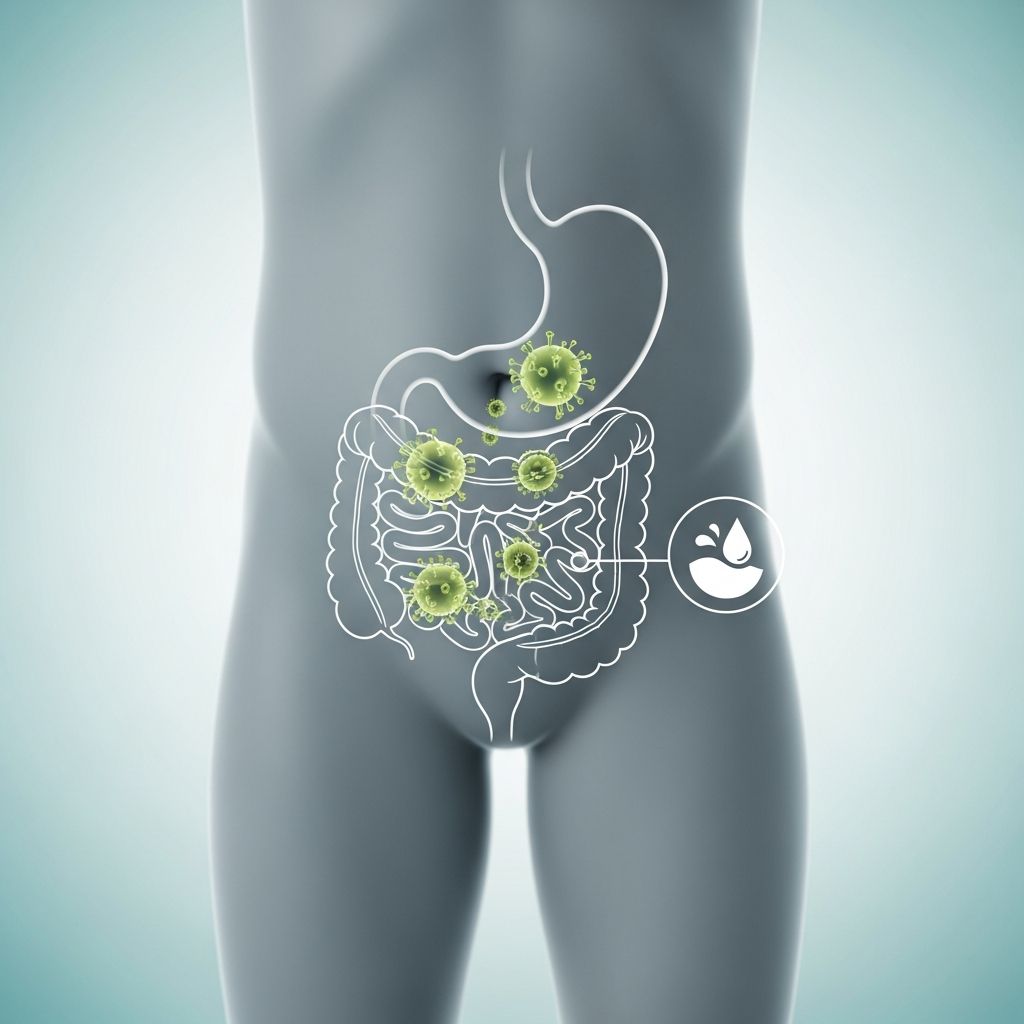
Infections are among the most common causes of acute diarrhea in children. These infections can be caused by bacteria, viruses, or parasites. Viral infections are particularly prevalent and represent a leading cause of diarrhea worldwide, with norovirus being one of the most common culprits. Other viral pathogens include rotavirus, adenovirus, astrovirus, and enteroviruses. Bacterial infections causing diarrhea include Campylobacter jejuni, Salmonella species, pathogenic E. coli strains, and Shigella species. Parasitic infections, while more commonly associated with chronic diarrhea lasting longer than two weeks, can also cause acute episodes, particularly in children with prolonged symptoms.
Viral gastroenteritis, commonly known as stomach flu, spreads easily among children in schools and daycare settings. The infection typically causes watery diarrhea, often accompanied by vomiting and fever. Most viral cases resolve within a few days as the child’s immune system fights off the infection.
Dietary Factors
Dietary causes of diarrhea in children are quite common and may include food allergies, food intolerances, or dietary indiscretions. Food allergies trigger an immune response when a child consumes specific allergenic foods, leading to diarrhea along with other symptoms such as hives, vomiting, or swelling. The most common food allergens in children include milk, eggs, peanuts, tree nuts, fish, shellfish, soy, and wheat.
Food intolerances differ from allergies as they do not involve an immune response but rather reflect the child’s inability to digest certain components in food. Lactose intolerance, a common food intolerance in children, occurs when the body lacks sufficient lactase enzyme to break down lactose found in milk and dairy products. Celiac disease represents another important dietary cause, wherein consuming gluten triggers an immune response that damages the small intestine, leading to chronic diarrhea and malabsorption.
Functional Gastrointestinal Disorders
Toddler’s diarrhea is a functional gastrointestinal disorder commonly affecting children between ages 1 and 5 years. This condition is characterized by frequent, loose stools but generally does not indicate a serious underlying problem. Most children naturally outgrow toddler’s diarrhea by school age (around age 5). Irritable bowel syndrome (IBS) represents another functional disorder that may cause chronic or recurrent diarrhea in children, often accompanied by abdominal pain and bloating.
Related Stories



Other Potential Causes
Inflammatory bowel disease (IBD), including Crohn’s disease and ulcerative colitis, can cause chronic diarrhea in children. Antibiotic-associated diarrhea may develop when antibiotics disrupt the normal bacterial flora of the intestines, allowing harmful bacteria to proliferate. Small intestinal bacterial overgrowth (SIBO) and other conditions affecting the digestive system may also result in persistent diarrhea requiring medical evaluation and treatment.
Symptoms and Warning Signs
While loose or watery stools represent the primary symptom of diarrhea, children may experience additional symptoms depending on the underlying cause and severity of the condition.
Common Symptoms
Children with diarrhea typically experience:
– Loose, watery, or frequent stools- Abdominal pain or cramping- Loss of appetite- Nausea- Fever- Blood or mucus in stools (in some cases)- General malaise or fatigue
Dehydration Signs
Dehydration represents the most serious complication of diarrhea in children and requires immediate medical attention. Severe diarrheal episodes cause dehydration in a significant proportion of cases, particularly in young children. Parents and caregivers should watch for the following signs of dehydration:
– Dry mouth and lips- Reduced urination or no urination for 8 hours- Sunken fontanelle (soft spot on the infant’s head)- Unusual lethargy or irritability- Lack of tears when crying- Sunken eyes- Skin that lacks normal elasticity- Extreme thirst- Rapid breathing- Cool or blotchy hands and feet
When to Seek Medical Care
While most cases of childhood diarrhea resolve without medical intervention, certain situations warrant prompt medical evaluation. Parents should contact their child’s healthcare provider if:
– The child is under 6 months of age- Diarrhea persists for more than 2 weeks- Signs of dehydration are present- The child has bloody or black stools- Severe abdominal pain develops- The child has a fever above 102°F (39°C)- The child appears seriously ill- There are signs of severe dehydration- The child cannot keep down oral rehydration solution
Young infants and severely dehydrated children may require hospitalization for intravenous fluid replacement and medical monitoring.
Duration and Severity of Childhood Diarrhea
The duration and severity of diarrhea in children vary significantly based on the underlying cause. Research indicates that among children under five years of age, approximately 64.8% of diarrheal episodes are mild, 34.7% are moderate, and 0.5% are severe. On average, mild episodes typically last around 4.3 days, while severe episodes may persist for approximately 8.4 days. Severe episodes carry a high risk of dehydration, occurring in 84.6% of cases.
Among older children and adults, the pattern differs significantly, with approximately 95% of episodes being mild, 4.95% moderate, and 0.05% severe. This demonstrates that age plays an important role in diarrhea severity and outcomes.
Treatment Approaches for Childhood Diarrhea
Treatment strategies for diarrhea in children depend on the underlying cause, severity, and presence of complications such as dehydration.
Rehydration Therapy
The cornerstone of diarrhea treatment in children is appropriate rehydration to replace fluids and electrolytes lost through diarrheal stools. Oral rehydration solutions (ORS) represent the preferred first-line treatment for children with mild to moderate dehydration. Reduced osmolarity oral rehydration solutions have proven more effective than traditional solutions in treating children with diarrhea and dehydration.
Parents should offer small, frequent amounts of rehydration solution rather than large volumes at once, which may cause vomiting. Children should continue breastfeeding if applicable, and age-appropriate foods should be reintroduced as soon as the child can tolerate them.
Dietary Management
Nutrition plays a crucial role in recovery from diarrhea. For most children with acute diarrhea, continuing regular feeding (when tolerated) promotes faster recovery and maintains nutritional status. Foods that are gentle on the digestive system include:
– Bananas- Rice- Applesauce- Toast- Crackers- Broths- Lean meats- Plain yogurt
Foods that are high in fat, fiber, or sugar should be avoided until the child fully recovers. Additionally, foods that commonly trigger diarrhea should be temporarily eliminated.
Nutritional Supplementation
Zinc supplementation has demonstrated significant benefits in treating children with acute and persistent diarrhea. Research from Johns Hopkins indicates that zinc supplements help children suffering from both acute and persistent diarrhea, potentially reducing the duration and severity of symptoms. Healthcare providers may recommend zinc supplements during and following diarrheal episodes.
Cause-Specific Treatments
Infectious Diarrhea: Bacterial infections may require antibiotic treatment prescribed by a healthcare provider. Parasitic infections require specific antiparasitic medications. Most viral diarrhea cases require only supportive care with rehydration and rest, as antibiotics are ineffective against viruses.
Food Allergies and Intolerances: Treatment involves eliminating the offending food from the child’s diet. For lactose intolerance, reducing dairy intake or using lactase enzyme supplements may help. Children with celiac disease must avoid all gluten-containing foods. Keeping a detailed diary of foods consumed and bowel habits helps identify trigger foods for allergies.
Toddler’s Diarrhea: Most children with toddler’s diarrhea do not require medical treatment and naturally outgrow the condition. However, reducing sugar-sweetened beverages and increasing dietary fiber and fat intake may improve symptoms.
Inflammatory Bowel Disease: Children with IBD may require medications, dietary modifications, and in some cases, surgical intervention.
Prevention Strategies
Several measures can help reduce the risk of diarrhea in children:
– Practice proper hand hygiene, washing hands thoroughly with soap and warm water- Ensure safe food handling and preparation practices- Provide clean, safe drinking water- Maintain current vaccinations, particularly rotavirus vaccine- Avoid close contact with individuals who have diarrhea or gastroenteritis- Teach children proper bathroom hygiene- Keep environments clean and sanitary, especially in childcare settings
Frequently Asked Questions About Childhood Diarrhea
Q: How long does diarrhea typically last in children?
A: Most acute diarrhea episodes in children resolve within 3-7 days. Mild episodes average about 4.3 days, while more severe cases may last 8-10 days or longer.
Q: Is it safe to give my child over-the-counter antidiarrheal medications?
A: Most antidiarrheal medications are not recommended for children without specific medical guidance. These medications can worsen certain types of bacterial infections. Rehydration therapy represents the safest and most effective approach for most childhood diarrhea cases.
Q: What should my child drink during a diarrhea episode?
A: Offer oral rehydration solutions specifically formulated for children, which contain the appropriate balance of electrolytes and glucose. Avoid sugary drinks, fruit juices, and carbonated beverages, as these can worsen diarrhea.
Q: Can breastfeeding continue during diarrhea?
A: Yes, breastfeeding should continue during diarrhea episodes. Breast milk provides important fluids, electrolytes, and antibodies that support immune function and recovery.
Q: When should I take my child to the emergency room for diarrhea?
A: Seek emergency care if your child shows signs of severe dehydration, persistent high fever, blood in stools, severe abdominal pain, signs of shock, or inability to keep down fluids.
Q: How can I prevent diarrhea in my child?
A: Practice good hand hygiene, ensure safe food handling, maintain proper vaccination status, avoid exposure to infectious individuals, and teach children proper bathroom hygiene practices.
Q: Are probiotics helpful for treating childhood diarrhea?
A: While some studies suggest probiotics may have modest benefits in certain types of diarrhea, evidence remains mixed. Discuss probiotic use with your child’s healthcare provider before administration.
Q: What foods should I avoid when my child has diarrhea?
A: Avoid high-fat foods, high-fiber foods, foods with excessive sugar, spicy foods, and foods the child typically finds difficult to digest. Dairy products may need temporary restriction if lactose intolerance is suspected.
Conclusion
Diarrhea in children, though often concerning for parents, is usually a self-limited condition that resolves with appropriate supportive care. The primary focus should be maintaining adequate hydration using oral rehydration solutions and ensuring the child receives appropriate nutrition as tolerated. While most cases require only symptomatic management, certain situations warrant medical evaluation to identify and treat underlying causes. By understanding the common causes of childhood diarrhea, recognizing warning signs of dehydration, and implementing appropriate treatment strategies, parents and caregivers can effectively manage this common childhood condition and support their child’s recovery.
References
- Treatment for Chronic Diarrhea in Children — National Institute of Diabetes and Digestive and Kidney Diseases (NIDDK). 2024. https://www.niddk.nih.gov/health-information/digestive-diseases/chronic-diarrhea-children/treatment
- Systematic review of diarrhea duration and severity in children and adolescents — Johns Hopkins University, BMC Public Health. 2012. https://pure.johnshopkins.edu/en/publications/systematic-review-of-diarrhea-duration-and-severity-in-children-a-3
- New Oral Rehydration Solution is More Effective for Treating Children with Diarrhea — Johns Hopkins Bloomberg School of Public Health. 2001-04-02. https://publichealth.jhu.edu/2001/oral-rehydration
- Diarrhea, Acute (Community-Acquired) — Johns Hopkins ABX Guide, Valeria Fabre, M.D. 2023-02-08. https://www.hopkinsguides.com/hopkins/view/Johns_Hopkins_ABX_Guide/540165/all/Diarrhea__Acute__Community_Acquired_
- Zinc Supplements Important in Combating Diarrhea — Johns Hopkins Bloomberg School of Public Health. 2000-11-27. https://publichealth.jhu.edu/2000/zinc-diarrhea
Similar Articles








Read full bio of medha deb