Diarrhea: Symptoms, Causes, and Treatment
Comprehensive guide to understanding diarrhea: symptoms, causes, treatments, and prevention strategies for adults and children.
Diarrhea is one of the most common gastrointestinal complaints worldwide, characterized by loose, watery stools that occur more frequently than usual. While often short-lived and self-resolving, it can lead to dehydration and discomfort if not managed properly. This comprehensive overview explores the symptoms, causes, treatments, prevention strategies, and when to seek medical attention for diarrhea in adults and children.
What Is Diarrhea?
Diarrhea is defined as passing three or more loose or watery stools per day. According to the CDC, it accounts for 1 in 9 child deaths worldwide, highlighting its global impact. In the U.S., acute diarrhea affects about 179 million people annually, per National Institute of Diabetes and Digestive and Kidney Diseases (NIDDK) data.
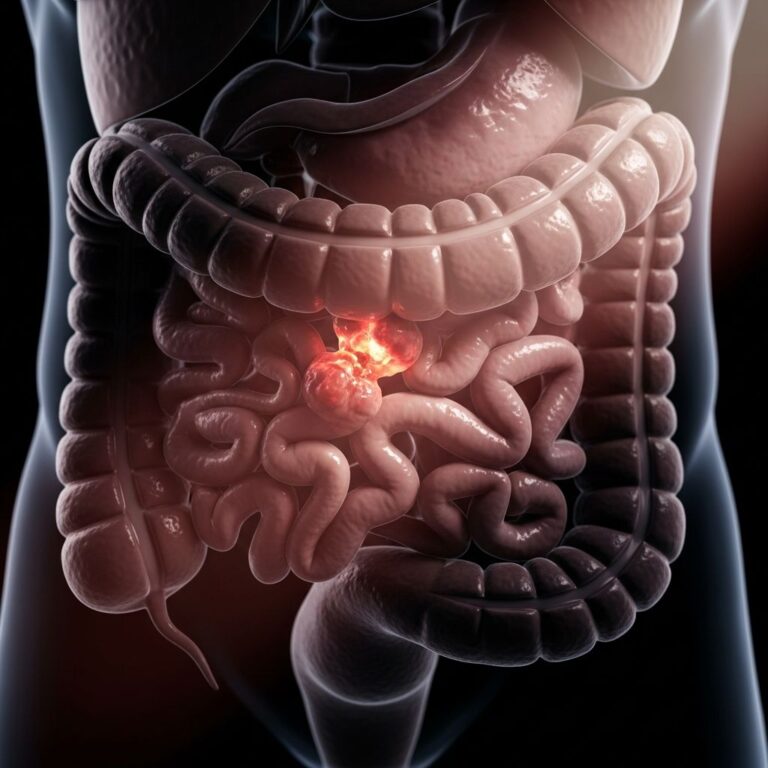
The condition disrupts normal digestion, speeding up intestinal transit and reducing water absorption in the colon. Stool consistency ranges from soft to entirely liquid, often accompanied by urgency and incontinence risk.
- Acute diarrhea: Lasts 1-2 days, typically from infections or food poisoning.
- Persistent diarrhea: Continues 2-4 weeks.
- Chronic diarrhea: Persists beyond 4 weeks, signaling underlying issues like IBS or IBD.
Symptoms of Diarrhea
Beyond loose stools, diarrhea presents several symptoms that vary by cause and severity:
- Abdominal cramps or pain
- Bloating and gas
- Nausea or vomiting
- Fever (especially with infections)
- Fatigue and weakness from fluid loss
- Mucus or blood in stool (requires immediate attention)
In severe cases, dehydration signs emerge: dry mouth, reduced urine output, dizziness, rapid heartbeat, and sunken eyes. Children show irritability, no tears when crying, or lethargy.
Causes of Diarrhea
Diarrhea stems from multiple triggers disrupting gut balance. Common causes include:
Infections (Most Common)
Viral pathogens like norovirus and rotavirus cause 50-70% of acute cases, per WHO. Bacteria (E. coli, Salmonella, Campylobacter) from contaminated food/water, and parasites (Giardia) also contribute.
Food-Related Causes
Food intolerances (lactose, fructose), allergies, or poisoning from toxins in undercooked meats/seafood. Artificial sweeteners like sorbitol in gum trigger osmotic diarrhea.
Medications and Treatments
Antibiotics disrupt gut flora (antibiotic-associated diarrhea in 20-30% of users). Laxatives, metformin, and chemotherapy also provoke symptoms.
Chronic Conditions
| Condition | Description | Prevalence |
|---|---|---|
| Irritable Bowel Syndrome (IBS) | Functional disorder with diarrhea-predominant type (IBS-D) | Affects 10-15% adults |
| Inflammatory Bowel Disease (IBD) | Crohn’s, ulcerative colitis cause inflammation | 1 million Americans |
| Celiac Disease | Gluten-triggered autoimmune reaction | 1% population |
| Malabsorption Syndromes | Pancreatic insufficiency, bile acid issues | Varies |
Other Factors
Surgery (gallbladder removal), stress/anxiety, excessive alcohol/caffeine, and hormonal changes (menstruation, pregnancy).
When to See a Doctor for Diarrhea
Most episodes resolve in 1-2 days with home care. Seek medical help if:
- Diarrhea lasts >2 days (adults) or 24 hours (children)
- Severe abdominal pain, high fever (>102°F), bloody/black stools
- Signs of dehydration: extreme thirst, little/no urine, confusion
- Recent antibiotic use or travel to high-risk areas
- Underlying conditions like IBD, HIV, or recent surgery
Related Stories



Prompt evaluation prevents complications like electrolyte imbalances or sepsis.
Diagnosis of Diarrhea
Healthcare providers start with history (duration, triggers, travel, meds) and physical exam (dehydration check). Tests include:
- Stool analysis: pathogens, blood, inflammation markers (calprotectin)
- Blood tests: electrolytes, CBC, inflammation (CRP/ESR)
- Imaging: Abdominal X-ray/CT for obstruction
- Endoscopy/colonoscopy: Biopsies for IBD, celiac
- Breath tests: Lactose intolerance, SIBO
Treatment for Diarrhea
Home Remedies and Lifestyle Changes
Hydration is priority #1. Oral rehydration solutions (ORS) restore electrolytes better than plain water. BRAT diet (bananas, rice, applesauce, toast) firms stools.
- Avoid dairy, caffeine, alcohol, fatty/spicy foods
- Small, frequent meals
- Probiotics (Lactobacillus, Saccharomyces boulardii) shorten duration by 1 day, per meta-analyses
Medications
- Antidiarrheals: Loperamide (Imodium) slows gut motility (avoid with fever/blood)
- Antibiotics: Only for confirmed bacterial infections (azithromycin, ciprofloxacin)
- Bile acid binders: Cholestyramine for post-cholecystectomy diarrhea
Treatment for Chronic Diarrhea
Target underlying cause: gluten-free diet for celiac, anti-inflammatories (mesalamine) for IBD, antispasmodics (dicyclomine) for IBS. Advanced options: fecal microbiota transplant for recurrent C. difficile.
Prevention of Diarrhea
Proactive steps reduce risk:
- Hand hygiene: Soap/water before eating, after toilet
- Food safety: Cook meats thoroughly, wash produce, avoid unpasteurized dairy
- Travel precautions: Bottled water, peelable fruits, no ice in high-risk areas
- Vaccinations: Rotavirus vaccine for infants
- Probiotics: During antibiotic courses
Diarrhea in Children
Youngsters dehydrate faster due to higher body water percentage. Rotavirus vaccine (since 2006) reduced U.S. hospitalizations by 80-90%, per CDC. Watch for fewer wet diapers, dry mouth. Pediatric ORS preferred; avoid anti-diarrheals under 12.
Diarrhea in Older Adults
Elders face higher complication risk from reduced thirst sensation and comorbidities. Clostridium difficile (C. diff) epidemics in nursing homes linked to antibiotic overuse; incidence 15.5/10,000 in 2023 CDC data.
Complications of Diarrhea
Untreated severe cases lead to:
- Dehydration/electrolyte imbalance (hypokalemia)
- Nutritional deficiencies (chronic cases)
- Reactive arthritis from bacterial infections
- Hemolytic uremic syndrome (E. coli O157:H7)
- Kidney failure (extreme dehydration)
Frequently Asked Questions (FAQs)
Is diarrhea contagious?
Yes, if infectious (viral/bacterial). Practice hygiene to prevent spread.
Does coffee cause diarrhea?
Caffeine stimulates gut motility; limit if sensitive.
How long does diarrhea last?
Acute: 1-2 days; persistent: 2-4 weeks; chronic: >4 weeks.
Can stress cause diarrhea?
Yes, via gut-brain axis; affects 30-40% with anxiety disorders.
Is Pepto-Bismol safe for diarrhea?
Yes for adults; coats gut, reduces inflammation (avoid in children with flu symptoms).
References
- Diarrhea Burden — Centers for Disease Control and Prevention. 2024-09-12. https://www.cdc.gov/healthywater/global/diarrhea-burden.html
- Diarrhoeal Disease Fact Sheet — World Health Organization. 2023-05-14. https://www.who.int/news-room/fact-sheets/detail/diarrhoeal-disease
- Diarrhea — National Institute of Diabetes and Digestive and Kidney Diseases. 2023-07-05. https://www.niddk.nih.gov/health-information/digestive-diseases/diarrhea
- Clostridioides difficile Infection — Centers for Disease Control and Prevention. 2024-11-01. https://www.cdc.gov/c-diff/index.html
- Probiotics for Diarrhea Prevention — American Gastroenterological Association. 2022-10-18. https://gastro.org/clinical-guidance/probiotics-for-the-prevention-and-treatment-of-clostridium-difficile-infection/
Similar Articles








Read full bio of medha deb