Diarrhoea Medicine: Types, Uses & Treatment
Complete guide to diarrhoea medicines: learn about antidiarrheal treatments, rehydration, and when to seek medical advice.

Understanding Diarrhoea Medicine: A Complete Treatment Guide
Diarrhoea is a common condition that affects most people at some point in their lives. While acute diarrhoea often resolves on its own within a few days, medicines can help manage symptoms and improve quality of life during the illness. This comprehensive guide covers the various types of diarrhoea medicines available, how they work, proper usage, and when medical intervention is necessary.
What is Diarrhoea?
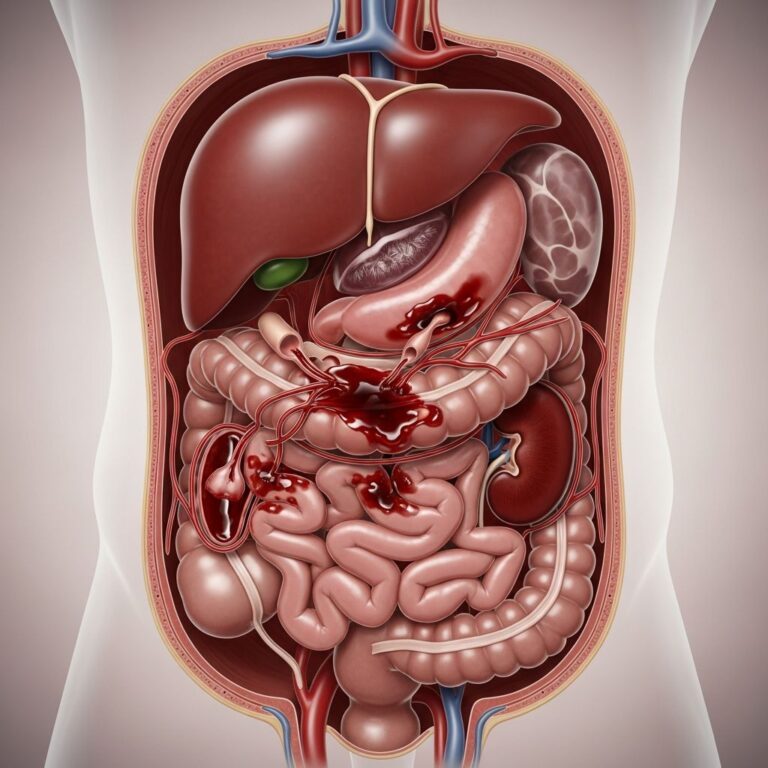
Diarrhoea is characterized by the passage of loose or watery stools, often accompanied by increased frequency of bowel movements. Acute diarrhoea typically begins suddenly and resolves within a few days, whereas chronic diarrhoea persists for more than four weeks. The condition can result from various causes, including bacterial or viral infections, food intolerances, medications, inflammatory bowel conditions, and parasitic infections.
The primary goal of treating diarrhoea is preventing dehydration, which can occur rapidly due to fluid loss. In most cases, especially with acute diarrhoea caused by infections, the body’s immune system will clear the underlying cause naturally. However, medicines can provide symptomatic relief and reduce the duration of illness.
First-Line Treatment: Rehydration
Rehydration is the cornerstone of diarrhoea management and should be the primary focus before considering other medications. Oral rehydration therapy (ORT) is the preferred method for fluid replacement in most cases of acute diarrhoea.
Rehydration Solutions
Oral rehydration solutions (ORS) contain a specific balance of electrolytes and glucose that aids absorption in the intestines. These solutions replace lost fluids and essential minerals more effectively than plain water alone. Key components include:
- Sodium chloride (salt)
- Potassium chloride
- Glucose (dextrose)
- Water
Commercial rehydration products are available at pharmacies and are recommended over home-made salt and sugar mixtures, although the latter can be used in developing countries if commercial products are unavailable.
General Care During Diarrhoea
- Drink plenty of water and other fluids to prevent dehydration
- Continue eating normally as soon as you feel able, even if food intake is reduced
- Avoid alcohol and caffeine, which may worsen diarrhoea
- Rest to allow your body to recover
Antidiarrheal Medicines
Antidiarrheal medicines work through different mechanisms to reduce symptoms, but they are not always necessary or recommended. Understanding when and how to use these medications safely is important.
Loperamide (Imodium)
Loperamide is an antimotility medicine commonly used for acute diarrhoea. It works by slowing down bowel activity, allowing more water to be absorbed back into the body, resulting in firmer and less frequent stools.
How Loperamide Works
Loperamide regulates the passage of food through the digestive system by reducing intestinal muscle contractions. This slowed transit time allows the intestinal walls to absorb more water, leading to drier stools and fewer bathroom trips.
Related Stories



Dosage for Adults
The standard dosage for acute diarrhoea in adults is:
- Initial dose: 4 mg (two tablets or capsules) taken immediately
- Maintenance: 2 mg (one tablet or capsule) after each bowel movement with diarrhoea
- Typical daily usage: three to four tablets per day
- Maximum daily dose: eight tablets or capsules in 24 hours
Most people only need to take loperamide for one or two days. If symptoms persist beyond 48 hours, consult a doctor or pharmacist for further advice.
Available Formulations
Loperamide is available in several forms:
- Capsules
- Tablets
- ‘Instant’ dissolve-in-the-mouth tablets
Important Safety Considerations
Loperamide must not be taken by children under 12 years of age unless specifically prescribed by a doctor. Additionally, antidiarrheal medicines should not be used if you have:
- A high temperature (fever)
- Bloody diarrhoea
- Severe abdominal pain without medical evaluation
Some medical conditions and infections—particularly bacterial and parasitic infections—can be worsened by antimotility medicines because they prevent your body from eliminating the causative organism.
Bismuth Subsalicylate
Bismuth subsalicylate is an anti-secretory medicine that reduces the amount of water released into the gut during diarrhoea. This medication has antisecretory properties that make it one of the most useful symptomatic therapies for acute watery diarrhoea.
Bismuth subsalicylate can help decrease inappropriate antibiotic use by effectively managing symptoms. It is available without prescription at most pharmacies.
Combination Therapy
Research has shown that combining loperamide with simethicone (an anti-gas medication) demonstrates faster and more complete relief of acute watery diarrhoea and gas-related abdominal discomfort compared with either medication alone.
In cases of traveller’s diarrhoea, combining loperamide with antibiotics has been shown to increase the likelihood of clinical cure at 24 and 48 hours.
Antibiotics and Antimicrobial Medications
Not all diarrhoea requires antibiotic treatment. Antibiotics are necessary only when specific bacterial or parasitic organisms are identified or when the infection is severe enough to warrant treatment.
When Antibiotics Are Indicated
Antibiotics may be prescribed for:
- Traveller’s diarrhoea (TD) caused by specific bacteria
- Severe bacterial infections such as cholera or typhoid
- Invasive infections with bloody diarrhoea or sepsis
- Immunocompromised patients with certain infections
- Parasitic infections like giardia or amoebiasis
Antibiotic Options for Common Organisms
| Organism | First-Line Treatment | Alternative Options |
|---|---|---|
| Giardia lamblia | Metronidazole or Nitazoxanide | Tinidazole |
| Campylobacter | Azithromycin | Ciprofloxacin |
| Shigella species | Azithromycin or Ciprofloxacin | Ceftriaxone |
| Vibrio cholerae | Doxycycline | Ciprofloxacin or Azithromycin |
| Salmonella typhi | Ceftriaxone or Ciprofloxacin | Azithromycin |
| Clostridioides difficile | Fidaxomicin | Oral Vancomycin |
Traveller’s Diarrhoea Treatment
For traveller’s diarrhoea, fluoroquinolones or macrolides are appropriate first-line antibiotic options, depending on local resistance patterns and recent travel history. Antibiotics can decrease the duration of traveller’s diarrhoea to just over 24 hours after dosing. A single dose of antibiotics is usually sufficient, though three-day courses are also an option.
Side Effects and When to Stop Treatment
Like all medicines, antidiarrheal medications can cause side effects. Understanding potential adverse effects helps you manage treatment safely.
Common Side Effects of Loperamide
- Constipation: Stop taking loperamide immediately if this occurs
- Wind (flatulence) and dizziness: These usually resolve quickly; discontinue if troublesome
- Headache: Drink plenty of water and ask your pharmacist for a suitable painkiller
- Nausea: Try taking loperamide after eating some food if not already doing so
If you experience any other symptoms that you believe may be due to loperamide, speak with your doctor or pharmacist for further advice.
Special Uses of Antidiarrheal Medicines
Irritable Bowel Syndrome (IBS)
Because loperamide regulates bowel passage, it can help people with diarrhoea-predominant IBS, improving quality of life by reducing the frequency and urgency of bowel movements.
Post-Surgical Use
Loperamide is beneficial for people who require help regulating bowel movements following surgery on the intestines.
Traveller’s Diarrhoea
Antidiarrheal medicines are not usually necessary or recommended for traveller’s diarrhoea; however, you may want to use them if absolutely necessary—for example, if you will be unable to make regular trips to the toilet due to travelling. Loperamide is the safest and most effective option available.
You should not take loperamide for longer than two days, and you should avoid antidiarrheal medicines if you have a high temperature or bloody diarrhoea.
Treatment of Chronic Diarrhoea
The treatment of chronic diarrhoea is specific to its underlying cause. The first step involves categorizing diarrhoea as watery, fatty, or inflammatory to guide appropriate treatment. Specific antimicrobial agents may be indicated based on identified organisms, and management often requires specialized medical evaluation.
Medication Interactions and Considerations
Before taking any antidiarrheal medicine, read the manufacturer’s printed information leaflet carefully. This provides detailed information about the medication and a complete list of potential side effects. Inform your doctor or pharmacist of all other medicines you are taking, as some interactions may occur.
Certain populations require special consideration when using antidiarrheal medicines, including pregnant women, breastfeeding mothers, and individuals with specific medical conditions.
Frequently Asked Questions
Q: How long should I take antidiarrheal medicines?
A: Most people only need to take antidiarrheal medicines for one or two days. You should stop taking the medication as soon as your symptoms settle down. If symptoms persist beyond 48 hours, consult your doctor or pharmacist.
Q: Can children take loperamide?
A: Loperamide must not be taken by children under 12 years of age unless specifically prescribed by a doctor. Consult your healthcare provider before giving any antidiarrheal medicine to children.
Q: Is it safe to use antidiarrheal medicines for all types of diarrhoea?
A: No. You should not use antidiarrheal medicines if you have a high temperature (fever) or bloody diarrhoea, as these can indicate a more serious infection. Additionally, certain bacterial and parasitic infections may be worsened by antimotility medicines.
Q: What should I do if diarrhoea lasts more than 48 hours?
A: If your symptoms continue for more than 48 hours, speak with your doctor or pharmacist for advice. They can determine whether the underlying cause requires specific treatment, such as antibiotics or antiparasitic medication.
Q: Are antidiarrheal medicines necessary for treating diarrhoea?
A: Antidiarrheal medicines are not always necessary. In most cases, acute diarrhoea caused by infections resolves naturally as your body’s immune system clears the infection. The primary treatment is rehydration. Antidiarrheal medicines can be helpful if you wish to reduce bathroom trips, but they are optional rather than essential.
Q: Can I take loperamide with other medications?
A: Before taking loperamide with other medicines, consult your doctor or pharmacist. Some medications may interact with loperamide. Always inform your healthcare provider of all medicines you are taking.
Q: What is the maximum dose of loperamide I can take in a day?
A: The maximum daily dose of loperamide is eight tablets or capsules in 24 hours. Exceeding this limit increases the risk of side effects and complications.
When to Seek Medical Advice
Contact your doctor or pharmacist if:
- Symptoms persist for more than 48 hours despite treatment
- You develop a high fever
- You notice blood or mucus in your stools
- You experience severe abdominal pain
- You show signs of severe dehydration (dizziness, extreme thirst, dark urine)
- You are very young, elderly, or immunocompromised
- Symptoms worsen despite taking medication
Conclusion
Diarrhoea medicines offer effective symptom relief and can improve quality of life during episodes of acute diarrhoea. However, rehydration remains the cornerstone of treatment for most cases. Antimotility medicines like loperamide and anti-secretory agents like bismuth subsalicylate are valuable tools for managing symptoms, while antibiotics and antiparasitic medications are reserved for specific infections. Always consult your healthcare provider before starting any new medication, especially if symptoms are severe or persistent, to ensure appropriate treatment for your individual situation.
References
- Acute Diarrhea in Adults — American Academy of Family Physicians. 2022-07-01. https://www.aafp.org/pubs/afp/issues/2022/0700/acute-diarrhea.html
- Loperamide (Imodium): Diarrhoea tablets — Patient.info. https://patient.info/medicine/loperamide-for-diarrhoea-imodium-norimode
- Diarrhea — StatPearls, National Center for Biotechnology Information. https://www.ncbi.nlm.nih.gov/books/NBK448082/
- Diarrhea – Diagnosis and treatment — Mayo Clinic. https://www.mayoclinic.org/diseases-conditions/diarrhea/diagnosis-treatment/drc-20352246
- Traveller’s Diarrhoea: Symptoms, Treatments and Prevention — Patient.info. https://patient.info/travel-and-vaccinations/travellers-diarrhoea-leaflet
- Diarrhoea (Acute and Chronic): Causes and Treatment — Patient.info. https://patient.info/digestive-health/diarrhoea
Similar Articles








Read full bio of Sneha Tete