Diastolic Heart Failure: Understanding HFPEF
Learn about diastolic heart failure, its causes, symptoms, diagnosis, and effective management strategies.
Understanding Diastolic Heart Failure
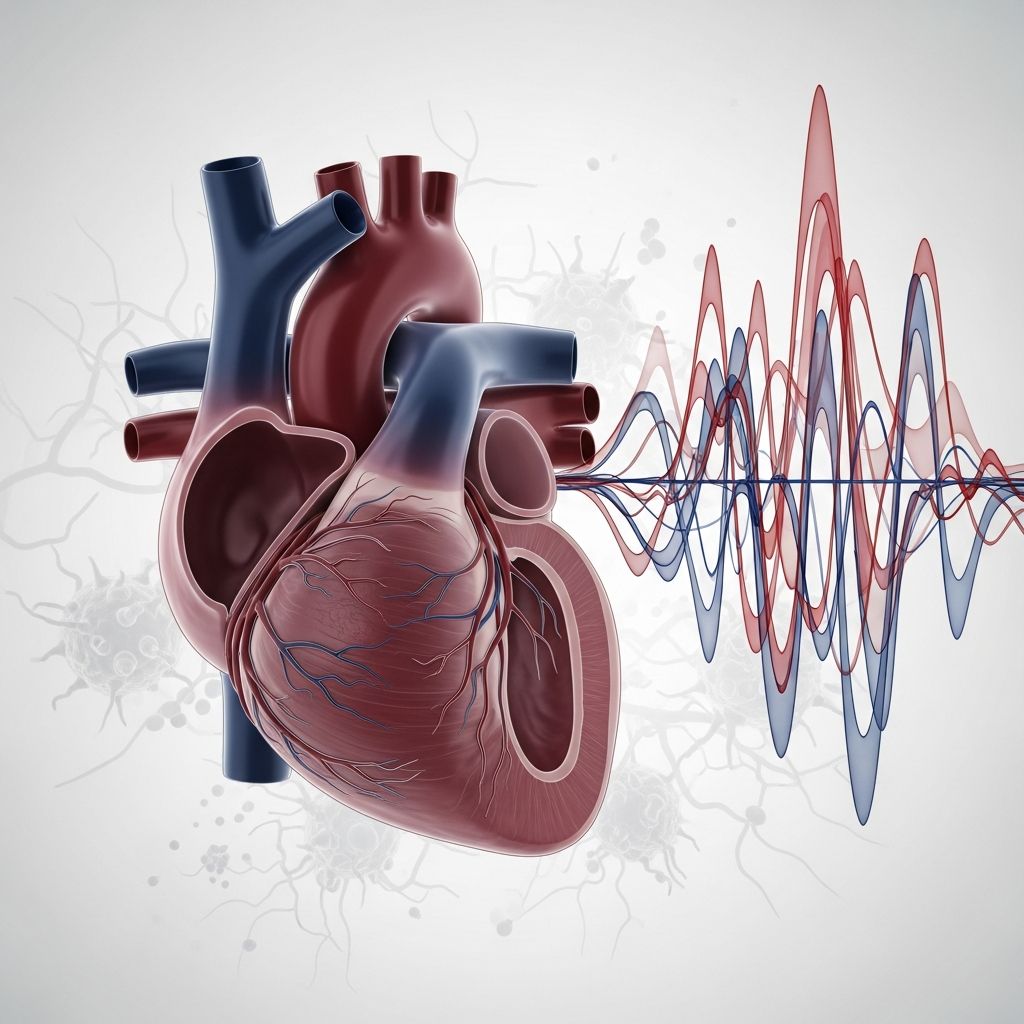
Diastolic heart failure, also known as heart failure with preserved ejection fraction (HFpEF), represents a significant and increasingly recognized form of heart disease that affects millions of people worldwide. Unlike systolic heart failure, where the heart muscle becomes weak and cannot pump blood effectively, diastolic heart failure occurs when the left ventricle becomes abnormally stiff and loses its ability to relax properly between heartbeats. This stiffness prevents the heart from filling adequately with blood, which can lead to elevated filling pressures and reduced blood flow to the body.
The condition has emerged as a major clinical concern over the past several decades. While diastolic heart failure was initially considered a rare phenomenon, clinical and epidemiological studies have demonstrated that it accounts for a substantial proportion of all heart failure cases, particularly in older adults and patients with specific comorbidities such as hypertension and diabetes. Understanding this condition is crucial for patients and healthcare providers alike, as proper diagnosis and management can significantly improve quality of life and outcomes.
How Diastolic Heart Failure Differs from Systolic Heart Failure
The primary distinction between diastolic and systolic heart failure lies in how the heart muscle functions. In systolic heart failure, the left ventricle becomes weak and dilated, losing its ability to contract forcefully and pump blood effectively throughout the body. The ejection fraction—the percentage of blood pumped out with each heartbeat—typically falls below 40%.
In contrast, diastolic heart failure is characterized by preserved systolic function, meaning the heart can still contract and pump blood with adequate force. However, the ventricle becomes stiff and rigid, making it difficult for the heart to relax and fill with blood during the resting phase between beats. This results in elevated pressure within the heart chambers, which can cause blood to back up into the lungs and other tissues. The ejection fraction remains normal (typically 50% or higher), yet patients experience heart failure symptoms.
Causes and Risk Factors
Several factors contribute to the development of diastolic heart failure. Understanding these risk factors is essential for prevention and early intervention.
Hypertension
High blood pressure is the most common condition associated with diastolic heart failure. Chronic elevation in blood pressure forces the left ventricle to work harder, leading to compensatory concentric left ventricular hypertrophy (thickening of the heart wall) and fibrosis. Over time, this adaptive response results in increased myocardial stiffness and impaired diastolic function. It is important to note that HFpEF diagnosis should be made when symptoms persist even after appropriate treatment of elevated blood pressure levels.
Diabetes Mellitus
Diabetes significantly increases the risk of diastolic heart failure. In type 2 diabetes, insulin resistance, hyperinsulinemia, hyperglycemia, and lipotoxicity promote pathophysiological myocardial adaptations that lead to cardiac stiffness, hypertrophy, and fibrosis—all contributing factors to diastolic dysfunction. This form of cardiac involvement is known as diabetic cardiomyopathy and represents a distinct pathological process.
Age and Other Factors
Advanced age is a significant risk factor, with diastolic heart failure becoming increasingly prevalent in older populations. Additional contributing factors include left ventricular hypertrophy, myocardial infiltrative diseases, coronary artery disease, and abnormalities in cardiac and systemic microvasculature. Secondary causes such as valvular heart disease, acute tachyarrhythmias, and high-output heart failure states can also precipitate diastolic dysfunction and heart failure symptoms.
Related Stories



Pathophysiology: How Diastolic Dysfunction Develops
The central pathophysiological disturbance in primary HFpEF is diastolic dysfunction, which involves changes in ventricular diastolic properties that adversely affect ventricular filling and stroke volume. Diastolic dysfunction results from two primary mechanisms: impaired left ventricular relaxation (impaired lusitropy) and/or increased left ventricular stiffness (reduced compliance).
Impaired relaxation occurs when the heart muscle cannot actively relax as quickly as needed during the diastolic phase. Ischemia, for instance, can adversely impact this active relaxation process, leading to incomplete ventricular filling and elevated filling pressures. Increased stiffness involves structural changes in the myocardium, including increased intrinsic myocardial stiffness of the myocytes and expansion of the extracellular collagen matrix.
The hallmark structural feature of diastolic heart failure is a markedly concentrically hypertrophied left ventricle with small to normal cavity volumes, resulting in an increased mass-to-volume ratio with maintained systolic function. However, it is important to note that a significant proportion of patients with primary HFpEF do not demonstrate classic left ventricular hypertrophy but rather show concentric remodeling patterns.
Symptoms and Clinical Presentation
Diastolic heart failure presents with symptoms similar to those of systolic heart failure, making clinical differentiation challenging without proper diagnostic testing. Common symptoms include:
- Shortness of breath (dyspnea), especially during physical exertion or when lying flat
- Exercise intolerance and fatigue
- Swelling (edema) in the lower extremities, ankles, or feet
- Pulmonary congestion, which may manifest as a persistent cough or wheezing
- Elevated jugular venous pressure (visible as distension in the neck veins)
- Difficulty sleeping or need for extra pillows to breathe comfortably
- Weight gain due to fluid retention
These symptoms result from elevated filling pressures in the heart chambers, which cause blood to back up into the lungs and systemic venous circulation. The severity and timing of symptoms can vary considerably, ranging from mild exercise-induced dyspnea to more severe manifestations requiring hospitalization.
Diagnosis and Evaluation
Accurate diagnosis of diastolic heart failure requires a combination of clinical assessment, imaging studies, and laboratory tests. The diagnostic approach includes:
Clinical Evaluation
A comprehensive history and physical examination form the foundation of diagnosis. Physicians assess symptoms, review medical history, examine for signs of congestion and peripheral edema, and evaluate cardiovascular hemodynamics through clinical assessment.
Echocardiography
Transthoracic echocardiography remains the primary imaging modality for evaluating diastolic function and distinguishing diastolic from systolic heart failure. This test measures ejection fraction, assesses ventricular geometry, and evaluates diastolic filling patterns. Tissue Doppler imaging and strain imaging provide additional quantitative assessment of diastolic function and myocardial mechanics.
Noninvasive Indices of Diastolic Function
Various noninvasive indices have been developed to characterize diastolic dysfunction, including measurements of early mitral inflow velocity, tissue Doppler velocity, left atrial volume index, and tricuspid regurgitation velocity. These parameters help clinicians identify diastolic abnormalities and assess severity.
Additional Diagnostic Tools
Electrocardiography (ECG) may reveal evidence of left ventricular hypertrophy or prior myocardial infarction. Chest radiography can demonstrate pulmonary congestion or pleural effusions. Blood tests, including measurement of natriuretic peptides (BNP or NT-proBNP), help confirm the presence of heart failure and assess disease severity. In select cases, cardiac catheterization with direct measurement of ventricular filling pressures may be necessary to confirm the diagnosis.
Management and Treatment Strategies
While diastolic heart failure does not have a cure, effective management strategies can control symptoms, improve quality of life, and reduce hospitalizations. A comprehensive treatment approach combines lifestyle modifications with pharmacological interventions.
Lifestyle Modifications
Lifestyle changes form the cornerstone of diastolic heart failure management and should be emphasized to all patients:
- Dietary modifications: Adopting a heart-healthy diet rich in fruits, vegetables, whole grains, and lean proteins while limiting sodium intake to reduce fluid retention
- Regular exercise: Engaging in moderate-intensity aerobic exercise and resistance training as tolerated to improve cardiovascular fitness and reduce symptoms
- Weight management: Maintaining a healthy weight to reduce cardiac workload and improve diastolic function
- Stress reduction: Managing psychological stress through relaxation techniques and counseling
- Limiting alcohol: Avoiding excessive alcohol consumption, which can worsen heart failure symptoms
- Smoking cessation: Quitting smoking to reduce cardiovascular risk and improve overall health
- Fluid restriction: Limiting daily fluid intake as recommended by healthcare providers to prevent fluid overload
Pharmacological Treatment
Several medication classes have demonstrated efficacy in managing diastolic heart failure and reducing symptoms:
- Diuretics: Help reduce fluid accumulation and alleviate congestion symptoms
- Beta-blockers: Slow heart rate and reduce blood pressure, allowing improved diastolic filling time
- ACE inhibitors and Angiotensin II receptor blockers (ARBs): Reduce blood pressure and promote cardiac remodeling favorable to diastolic function
- Aldosterone antagonists: Help manage blood pressure and reduce fibrosis
- Calcium channel blockers: May help with blood pressure control and diastolic relaxation
Prognosis and Outcomes
The prognosis for patients with diastolic heart failure varies based on several factors. When primary HFpEF is properly diagnosed, patients often experience a milder form of heart failure with lower cardiovascular mortality compared with patients suffering from systolic heart failure (HFrEF). However, the risk of heart failure hospitalization remains significantly higher than in individuals without HFpEF but with similar cardiovascular risk factors.
Many people with diastolic heart failure can live full, active lives with appropriate treatment and lifestyle management. The key to improved outcomes involves early detection, adherence to prescribed therapies, regular medical follow-up, and consistent implementation of lifestyle modifications.
Prevention Strategies
Reducing the risk of diastolic heart failure involves managing known risk factors and maintaining cardiovascular health:
- Control blood pressure: Maintain blood pressure within recommended ranges through medication and lifestyle changes
- Manage diabetes: Achieve good glycemic control through medication, diet, and exercise
- Maintain healthy weight: Prevent obesity through balanced nutrition and regular physical activity
- Exercise regularly: Engage in consistent aerobic and resistance exercise
- Eat a heart-healthy diet: Focus on foods rich in nutrients and low in sodium and saturated fats
- Avoid smoking and limit alcohol: Eliminate tobacco use and moderate alcohol consumption
- Manage stress: Employ stress-reduction techniques and seek professional support when needed
- Regular medical check-ups: Monitor cardiovascular health and address emerging concerns promptly
Frequently Asked Questions
Q: What is the difference between diastolic heart failure and congestive heart failure?
A: Diastolic heart failure affects the left side of the heart, where the ventricle cannot relax properly to fill with blood. Congestive heart failure refers to a condition where blood has backed up in the heart, affecting organs such as the lungs and kidneys, and represents a more acute medical emergency.
Q: Can diastolic heart failure be cured?
A: Diastolic heart failure does not have a cure, but symptoms can be effectively managed through lifestyle modifications and appropriate medications, allowing most patients to maintain an active lifestyle.
Q: How is diastolic heart failure diagnosed?
A: Diagnosis typically involves a combination of clinical evaluation, echocardiography to assess diastolic function, and blood tests measuring natriuretic peptides. The key finding is preserved ejection fraction (typically 50% or higher) in the presence of heart failure symptoms.
Q: What are the main risk factors for developing diastolic heart failure?
A: The primary risk factors include hypertension, diabetes mellitus, advanced age, left ventricular hypertrophy, and various forms of valvular or myocardial disease.
Q: Can lifestyle changes alone manage diastolic heart failure?
A: While lifestyle modifications are essential and form the cornerstone of management, most patients also require pharmacological treatment to adequately control blood pressure, reduce symptoms, and prevent disease progression.
References
- Heart Failure With Preserved Ejection Fraction In Perspective — American Heart Association, Circulation Research. 2019-12-20. https://www.ahajournals.org/doi/10.1161/circresaha.119.313572
- Primary and Secondary Diastolic Dysfunction in Heart Failure With Preserved Ejection Fraction — National Center for Biotechnology Information, PMC. 2019. https://pmc.ncbi.nlm.nih.gov/articles/PMC6608585/
- Diastolic Heart Failure: HFPEF, Left-Sided Heart Failure, Symptoms — Cleveland Clinic. 2024. https://my.clevelandclinic.org/health/diseases/22950-diastolic-heart-failure
- Diastolic Heart Failure: Symptoms, Causes, Diagnosis, Treatment — WebMD. 2024. https://www.webmd.com/heart-disease/heart-failure/what-is-diastolic-heart-failure
- Diastolic function and heart failure: an overview — European Heart Journal, Oxford Academic. 1989. https://academic.oup.com/eurheartj/article-abstract/11/suppl_C/2/528999
Similar Articles








Read full bio of Sneha Tete