Diathermy: Deep Tissue Heating for Pain Relief
Understanding diathermy therapy: types, benefits, procedures, and safety considerations for pain management.
What Is Diathermy?
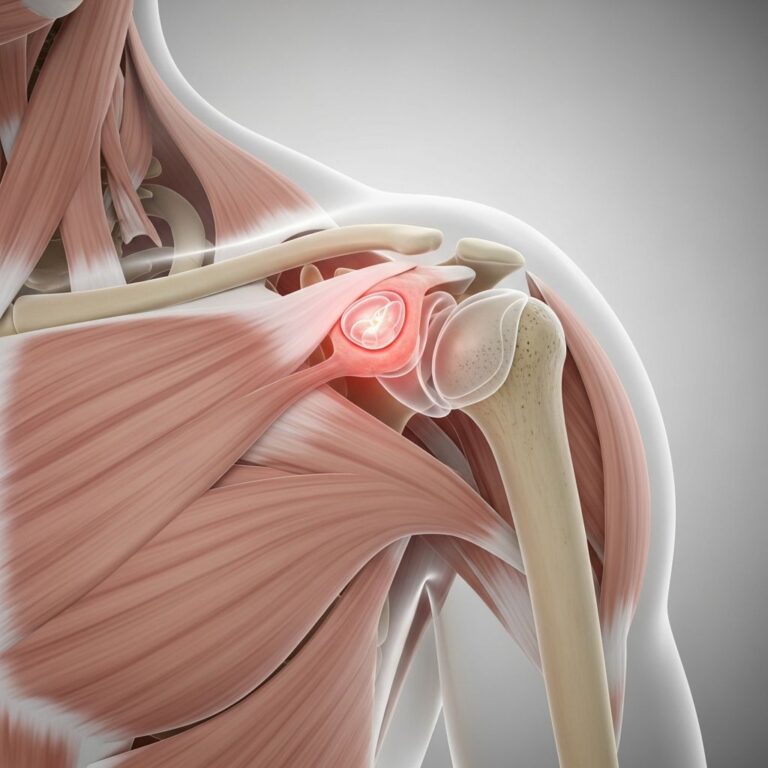
Diathermy is a therapeutic heating treatment that uses high-frequency electrical currents to generate heat deep within body tissues, typically muscle and joint structures. The term “diathermy” comes from the Greek words “dia” (through) and “therme” (heat), literally meaning “heating through.” This treatment method is commonly prescribed in physical therapy and rehabilitation settings to address various musculoskeletal conditions, including muscle spasms, sprains, strains, and joint pain.
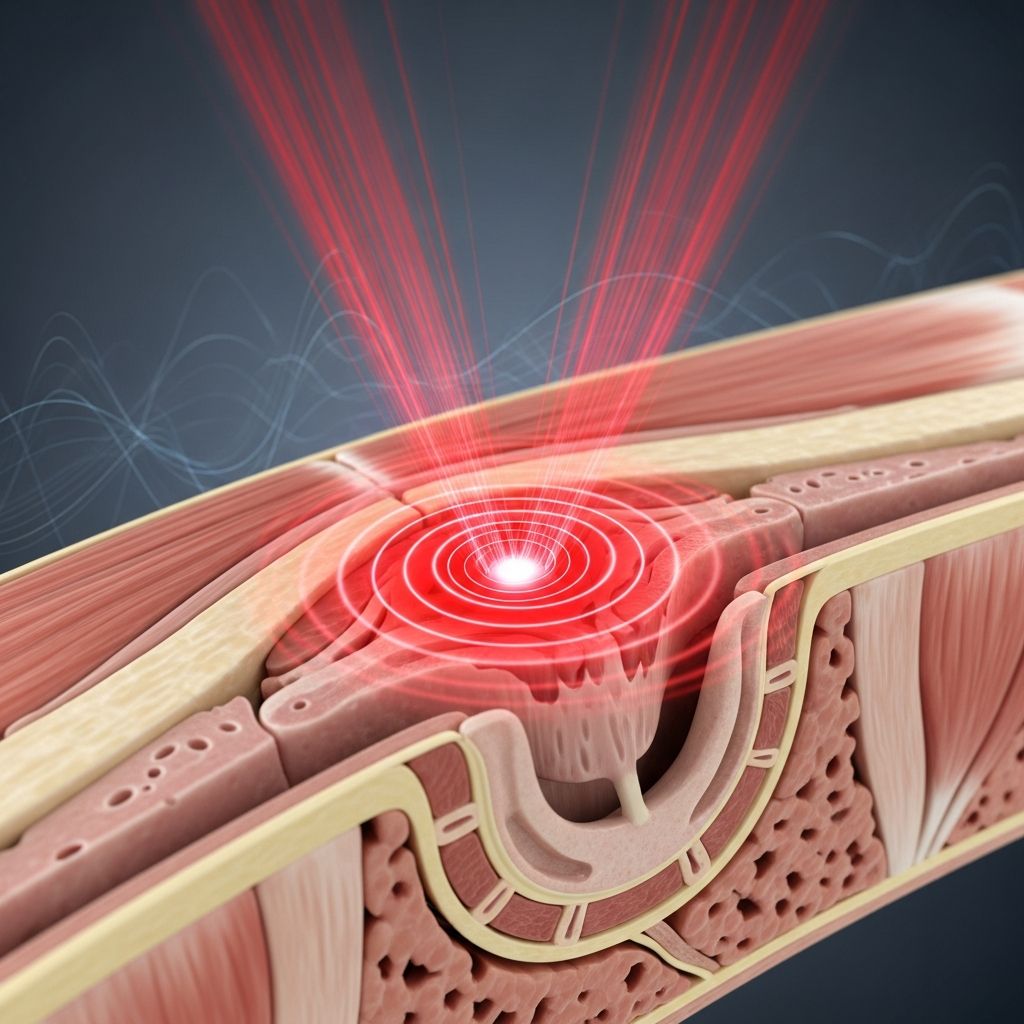
The primary mechanism of diathermy involves converting electrical energy into heat energy within the affected tissues. This therapeutic heat increases blood circulation to the treatment area, which helps reduce inflammation, accelerate tissue healing, and improve the range of motion in affected joints. Unlike superficial heating methods such as hot packs or heating pads, diathermy penetrates deep into body tissues, making it particularly effective for conditions affecting muscles, tendons, and joints below the skin surface.
How Diathermy Works
Diathermy operates by using oscillating high-frequency electromagnetic fields or sound waves to produce therapeutic heat within targeted tissues. The treatment works by increasing the molecular motion within cells, which generates heat. This heat then promotes physiological changes that facilitate healing and pain relief.
The electromagnetic energy or sound waves used in diathermy treatment penetrate deeper into the body than conventional surface heating methods. When tissues absorb this energy, it is converted into thermal energy, raising the temperature of the affected area. The resulting increase in tissue temperature promotes vasodilation (widening of blood vessels), which improves blood flow and oxygen delivery to the injured or painful area. Enhanced circulation accelerates the body’s natural healing processes while simultaneously reducing pain and inflammation.
The Three Main Types of Diathermy
Medical professionals worldwide recognize three primary forms of diathermy, each utilizing different mechanisms to generate therapeutic heat and suited for treating specific conditions:
Shortwave Diathermy
Shortwave diathermy utilizes high-frequency electromagnetic waves to generate heat within tissues. This type is among the most commonly used forms of diathermy therapy. The treatment involves placing a pair of electrodes near the affected area, which emit electromagnetic energy absorbed by body tissues. The electrodes can be positioned on the front and back of the body, or applied directly to the treatment area. Shortwave diathermy penetrates relatively deep into tissues and is particularly effective for treating muscle spasms, neuromas, musculoskeletal sprains, and adhesions or joint contractures. The electromagnetic currents used in shortwave diathermy may be administered in small pulses or as continuous waves, depending on the specific therapeutic goals and patient condition.
Microwave Diathermy
Microwave diathermy utilizes microwave or small waves of electromagnetic energy to warm deep tissues without excessive heating of the skin surface. This type is particularly beneficial for targeting pain in specific areas that are closer to the skin surface, such as the shoulders or superficial joints. Microwave diathermy has certain limitations in penetrating deeper muscle tissues compared to shortwave diathermy, making it more suitable for conditions affecting structures near the skin. The microwaves are delivered through applicators placed against the skin, allowing controlled heating of targeted tissues while minimizing discomfort from excessive skin temperature.
Ultrasound Diathermy
Ultrasound diathermy employs high-frequency sound waves to generate heat in deeper tissues, making it suitable for conditions such as sprains and joint contractures. This form of diathermy is particularly effective for reaching tissues located deeper within the body. During ultrasound diathermy treatment, a special gel is applied to the treatment area, and the therapist uses a rod-like tool (transducer) that glides smoothly over the skin. The ultrasound waves penetrate through the gel and into the underlying tissues, creating therapeutic vibrations and heat. The gel serves as a conductor, facilitating the transmission of ultrasound waves into the body while ensuring even distribution of energy across the treatment area.
Related Stories



Diathermy Compared to Other Heat Therapies
Diathermy is classified as one of many modalities of thermotherapy, which is the practice of treating disease through the local or general application of heat. Other thermotherapy methods include hot packs, hydrotherapy, radiant heat, and laser therapy. Each thermotherapy modality is designed to heat selectively different anatomical structures based on the temperature distribution it produces in affected tissues.
The selection of an appropriate thermotherapy modality depends on several factors, including the location and depth of the target tissue, the specific condition being treated, and the desired therapeutic effect. Superficial thermotherapy modalities such as infrared heat, hot packs, and paraffin baths are effective for treating tissues near the skin surface. In contrast, deep thermotherapy modalities, including various forms of diathermy and laser therapy, are capable of treating deeper tissues that cannot be easily reached with other heat application methods. The location of the peak temperature produced by the selected modality must coincide with the site being treated to ensure maximum therapeutic benefit while avoiding burns to nearby tissues.
Benefits of Diathermy Treatment
Diathermy offers numerous therapeutic benefits for patients suffering from various musculoskeletal and soft tissue conditions:
Pain Management
The primary advantage of diathermy is its ability to manage pain in large areas of the body or specific joints. It can be particularly rewarding for those suffering from fibromyalgia, myositis, back pain, and various other chronic pain conditions. By generating therapeutic heat in affected tissues, diathermy activates pain-relieving mechanisms and reduces the perception of pain.
Inflammation Reduction
By supplying heat to specific joints, tissues, and muscles, diathermy treatment helps reduce swelling and inflammation. This anti-inflammatory effect can also lower the chances of fluid retention in affected areas, promoting more efficient tissue recovery.
Improved Circulation
The heat generated by different types of diathermy leads to improved blood flow to the treated areas. Enhanced circulation accelerates the healing process by delivering increased oxygen and nutrients to damaged tissues while removing metabolic waste products.
Enhanced Mobility
Diathermy can minimize inflammation in joints and tissues while relaxing muscles and speeding up the healing process. These combined effects result in a better range of motion and less pain, allowing patients to regain function more quickly.
Accelerated Healing
Through its ability to increase blood flow, reduce inflammation, and promote tissue repair, diathermy accelerates the body’s natural healing processes, potentially shortening recovery times for injuries and chronic conditions.
Diathermy Procedures and Application
The exact procedure involved in diathermy varies according to which form of therapy is being provided. Each type has specific application techniques:
Ultrasound Diathermy Procedure
During ultrasound diathermy, the therapist first applies a special gel to the affected portion of the patient’s body. The therapist then continuously moves an ultrasound wand (transducer) over that area in smooth, overlapping strokes. The gel ensures proper contact between the transducer and the skin, facilitating effective transmission of ultrasound energy into the tissues. Treatment typically continues for 5 to 10 minutes per session, depending on the size and nature of the affected area.
Shortwave and Microwave Diathermy Procedure
During shortwave and microwave diathermy treatment, a pair of electrodes is placed near the affected area while treatment is applied. No gel is required, but a towel may be used in its place to avoid direct contact between the electrodes and the patient’s skin. The electrodes emit electromagnetic or microwave energy, which penetrates the tissues. Treatment typically lasts 15 to 30 minutes per session, and the patient may feel a comfortable warmth in the treatment area during therapy.
Conditions Treated with Diathermy
Diathermy is prescribed to treat various muscle and joint problems, particularly those characterized by pain, inflammation, or reduced mobility. Common conditions treated with diathermy include:
| Condition Category | Specific Conditions |
|---|---|
| Muscle Disorders | Muscle spasms, myalgia (muscle pain), myositis (muscle inflammation) |
| Joint and Connective Tissue | Arthritis, arthralgia (joint pain), adhesions, joint contractures, bursitis |
| Soft Tissue Injuries | Sprains, strains, tenosynovitis, tendinitis, neuromas |
| Chronic Pain Conditions | Fibromyalgia, back pain, neuralgia, whiplash injuries |
| Wound Healing | Pressure ulcers, post-surgical wounds |
In addition to its use in physical therapy, some physicians also use diathermy during surgical procedures to seal off blood vessels with electrically heated probes, providing hemostasis (bleeding control) during surgery.
Safety Considerations and Contraindications
While diathermy is perfectly safe for most patients to undergo, this type of therapy may not be advisable for some individuals. It is essential for practitioners to assess each patient’s health status to ensure safety and effectiveness before treatment begins.
Absolute Contraindications
Diathermy is particularly risky for patients who have implanted metal devices such as pacemakers, prosthetics, or intrauterine devices (IUDs). The electromagnetic energy used in shortwave and microwave diathermy can lead to extreme heat in bone pins, metal sutures, and other metal devices. This extreme heat can ultimately result in tissue burns and malfunction of electronic implants.
Relative Contraindications
Diathermy may also be inappropriate for patients suffering from:
- Cancer or active malignancy
- Reduced or compromised skin sensation
- Peripheral vascular disease or restricted blood supply to a tissue
- Infection at the treatment site
- Fractured or broken bones (in acute phases)
- Bleeding disorders or anticoagulation therapy
- Severe cardiac, liver, or kidney conditions
- Ischemia (inadequate blood supply to tissues)
Additionally, diathermy is not recommended for children with open growth plates, as the heat may interfere with normal bone development. Pregnant women should not receive diathermy treatment, as the effects of heat on fetal development are not fully understood.
Potential Risks
Because the patient becomes part of an electrical field during diathermy treatment, an individual may experience an electrical shock or burn if he or she touches a bare metal object during the procedure. Care must be taken to ensure proper insulation and patient safety throughout the treatment session. The therapist should provide clear instructions to patients regarding what they may and may not touch during treatment.
Efficacy and Current Use
While diathermy has been used in clinical practice for decades and demonstrates effectiveness for various conditions, modern research suggests that diathermy modalities do not seem superior to simpler forms of heating. As a result, diathermy is now used less frequently than in the past, with many practitioners preferring simpler, more accessible heating methods. However, diathermy remains a valuable option for treating deep tissue conditions that cannot be effectively addressed with superficial heating methods.
Is Diathermy Right for You?
Diathermy offers a range of long-lasting benefits, which can aid in pain management and enhance the quality of your life. The decision to pursue diathermy treatment should be made in consultation with an experienced healthcare professional who can evaluate your specific condition, medical history, and contraindications. A healthcare provider can determine whether diathermy is an appropriate treatment option for your particular situation or whether alternative or complementary therapies might be more suitable.
Frequently Asked Questions About Diathermy
Q: How long does a typical diathermy treatment session last?
A: Treatment duration typically ranges from 5 to 30 minutes, depending on the type of diathermy being used, the size and nature of the affected area, and the specific condition being treated. Ultrasound diathermy sessions are usually shorter (5-10 minutes), while shortwave and microwave diathermy sessions may last 15-30 minutes.
Q: How many diathermy treatments will I need?
A: The number of treatments required varies depending on the condition being treated and the individual’s response to therapy. Some patients may benefit from 5-10 treatments, while others may require ongoing regular sessions. Your healthcare provider will recommend an appropriate treatment frequency and duration based on your specific needs.
Q: Is diathermy painful?
A: No, diathermy should not be painful. During treatment, patients typically experience a comfortable warmth in the treated area. If you experience pain or excessive heat during treatment, inform your therapist immediately, as the intensity may need to be adjusted.
Q: Can I use diathermy if I have a metal implant?
A: No, diathermy is not recommended if you have implanted metal devices such as pacemakers, metal joint replacements, or metal pins from previous surgeries. The electromagnetic energy can cause excessive heating of metal objects, leading to burns or device malfunction. Always inform your healthcare provider about any implants before beginning diathermy treatment.
Q: What should I do to prepare for a diathermy treatment?
A: Before treatment, inform your therapist of any medical conditions, medications, implants, or skin sensitivities. Wear loose, comfortable clothing that can be easily removed from the treatment area. Avoid applying lotions or oils to the skin before treatment unless specifically instructed by your therapist.
Q: Are there any side effects from diathermy?
A: When properly administered by a trained professional, diathermy has minimal side effects. Some patients may experience mild redness or slight discomfort immediately after treatment, which typically resolves quickly. However, improper application can lead to burns or tissue damage, making it essential to receive treatment from a qualified practitioner.
References
- Diathermy | Research Starters — EBSCO Information Services. 2024. https://www.ebsco.com/research-starters/physical-therapy-and-occupational-therapy/diathermy
- Diathermy – Types, Benefits, and Risks — HDFC Ergo Health Insurance. 2024. https://www.hdfcergo.com/health-insurance/wellness-corner/diathermy-types-benefits-and-risks
- Rehabilitative Measures for Treatment of Pain and Inflammation — MSD Manuals Professional Edition. 2024. https://www.msdmanuals.com/professional/special-subjects/rehabilitation/rehabilitative-measures-for-treatment-of-pain-and-inflammation
- Clinical Application of Short Wave Diathermy — W. J. Zeiter, M.D., Cleveland Clinic Journal of Medicine. July 1940. https://www.ccjm.org/content/7/3/184
- Effect of Physical Therapist Management using Pulsed Short-Wave Diathermy — The American Journal of Medical Sciences and Physiotherapy Research. 2024. https://www.theamericanjournals.com/index.php/tajmspr/article/view/6332
Similar Articles








Read full bio of medha deb